Why Physical Security Deserves More Attention Than Most Travelers Give It
First-time travelers often focus their safety energy on big-picture concerns — dangerous neighborhoods, scams, flight mishaps — while underestimating how much vulnerability exists in ordinary, unremarkable moments. A bag set down at a café table. A passport left on top of luggage in a crowded train station. A hotel room door that wasn't fully checked on arrival.
The good news: physical security while traveling isn't complicated. It's mostly a set of small, repeatable habits that become second nature after the first few days. This article walks through the practices most worth adopting before and during your trip. For a broader foundation, our guide to personal safety on the road covers the full situational picture.
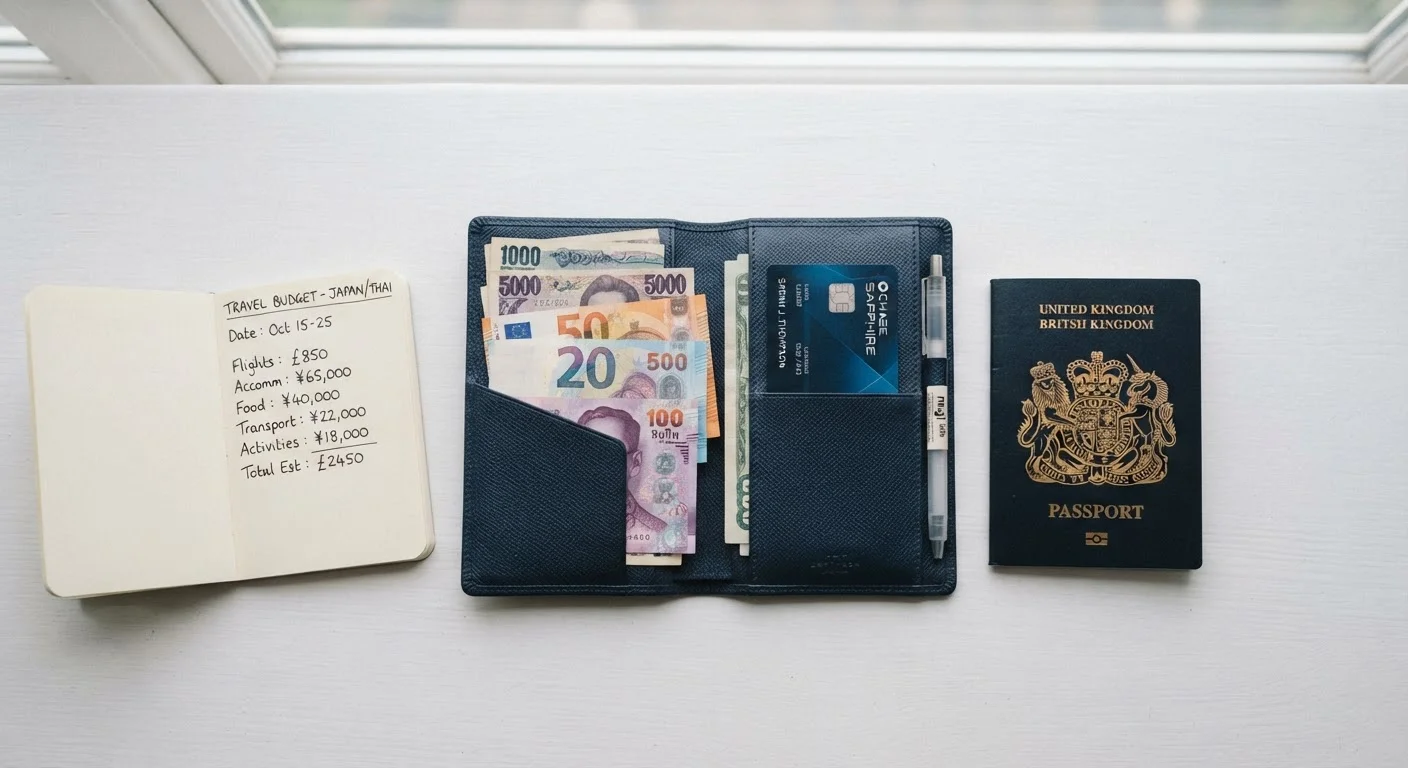
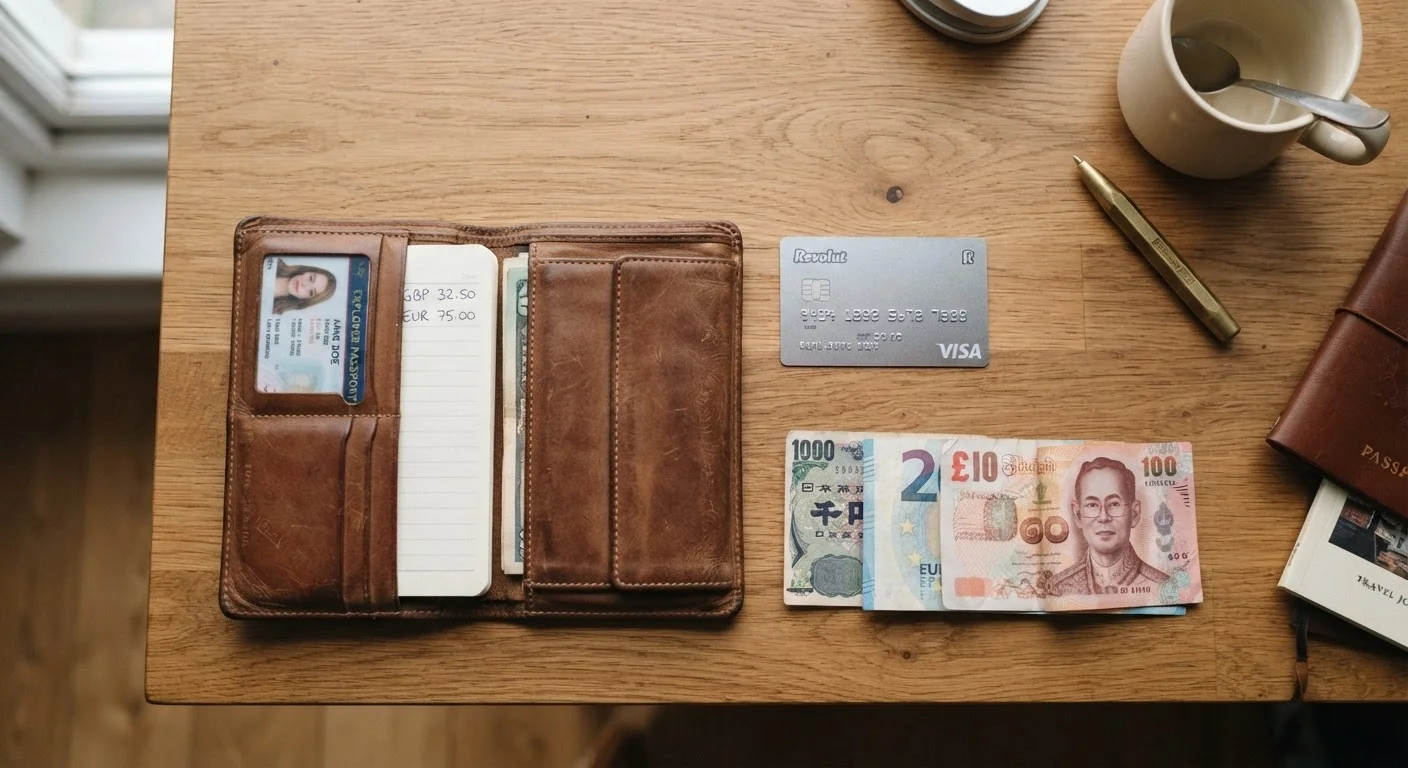
Distribute your valuables across at least three separate locations.
Keeping everything in one place — one bag, one pocket, one card — means a single theft or loss wipes out everything. Spreading items limits exposure so that losing one doesn't mean losing all. This is especially important for cash, cards, and ID.
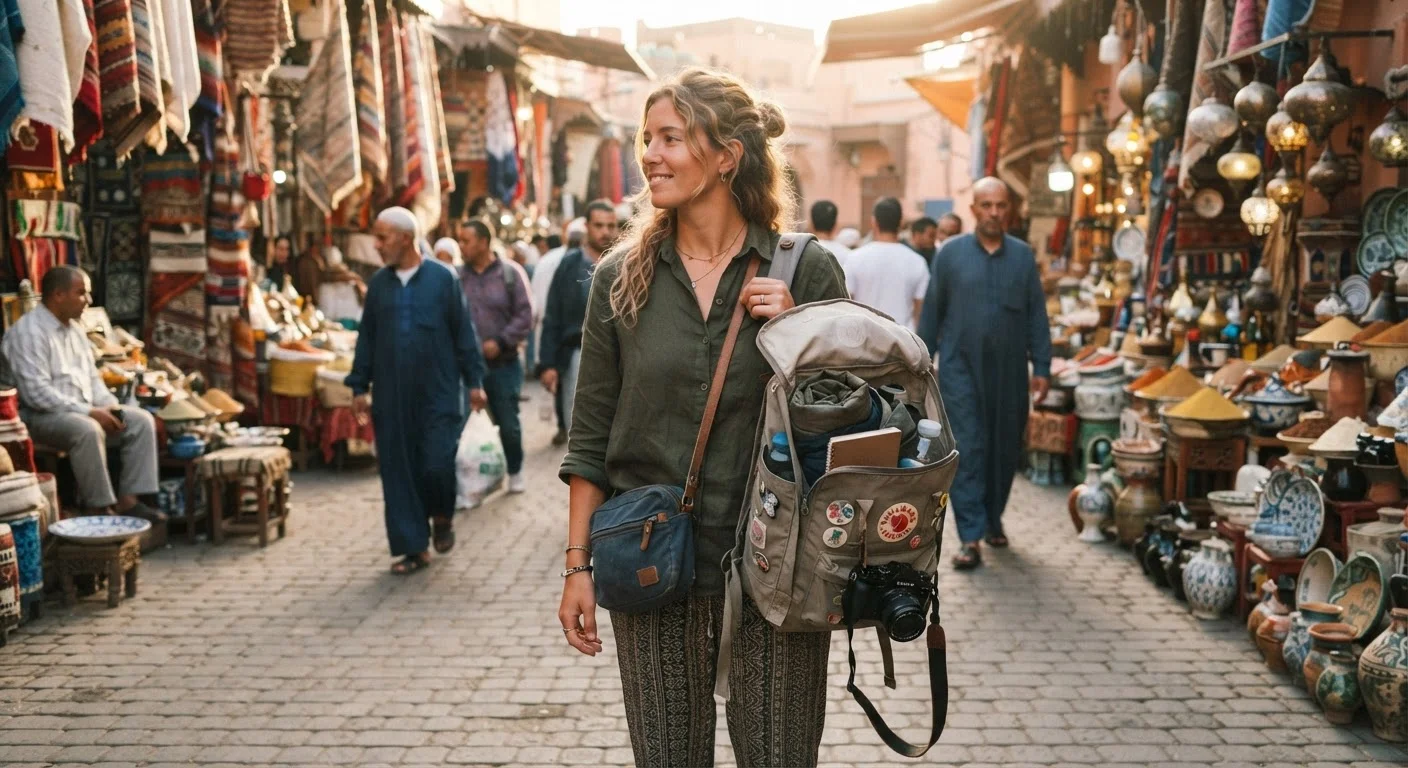
Use a crossbody bag or front-facing pack in busy public spaces.
Backpacks worn on the back are difficult to monitor in crowded areas and are a common target for quick-handed theft. Bags worn across the body or in front of you stay in your field of vision and are significantly harder to access without your knowledge.
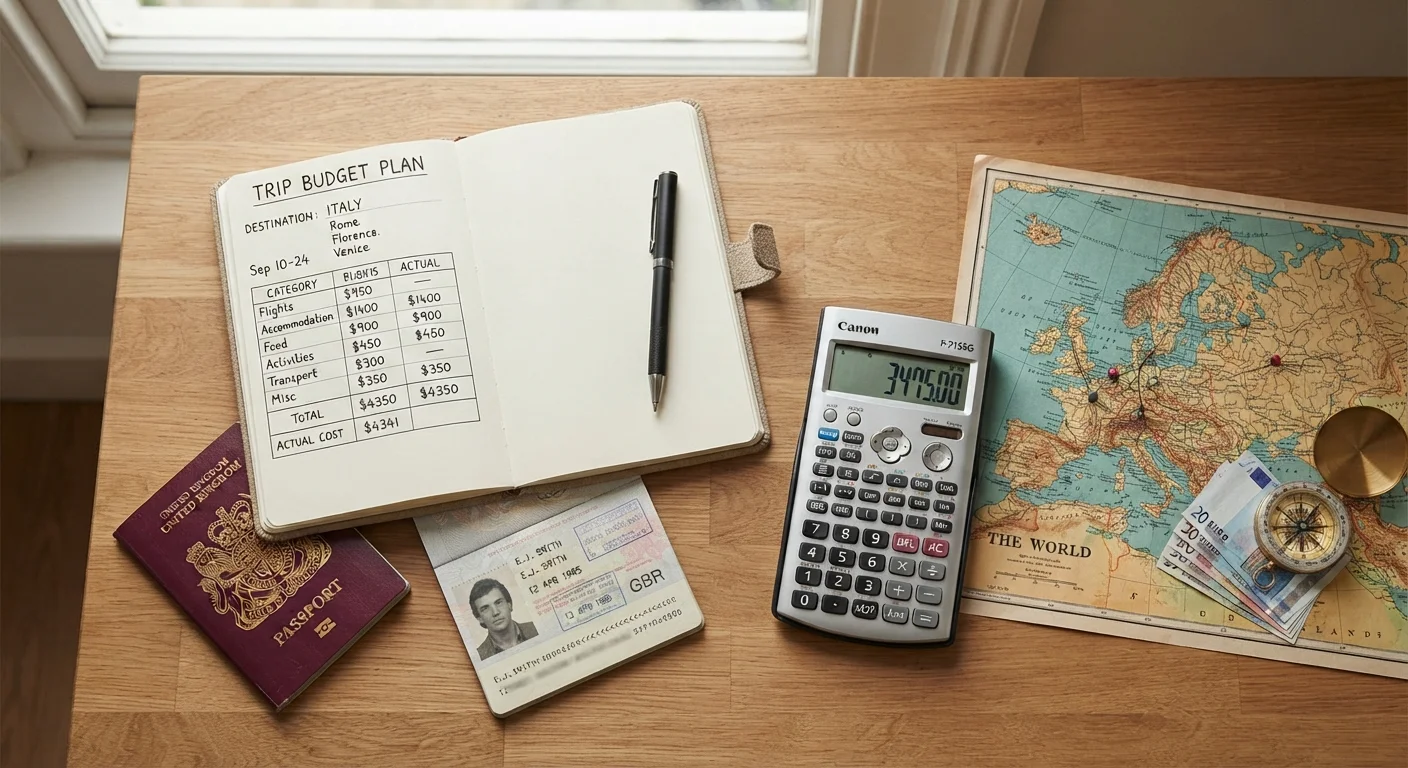
Make digital and physical copies of every critical document before departure.
If your passport or travel documents are lost or stolen, having accessible copies dramatically speeds up the replacement process and proves your identity to consular staff. Without copies, the process can take days longer and cost considerably more. Why document backups matter explains the practicalities in detail.
Only carry what you actually need for that day.
Leaving non-essential valuables — extra cards, your full cash supply, jewelry, a second device — secured at your accommodation means they can't be lost or stolen while you're out. The less you carry, the lower your risk profile in any given situation.
Develop a consistent 'pat-down' habit before leaving any location.
Most items are left behind, not stolen — in restaurants, taxis, airports, and hotel rooms. A quick, habitual check every time you leave a seat catches the vast majority of these losses before they happen.
Use the in-room safe for high-value items every night.
Hotel room break-ins are uncommon, but opportunistic theft — by housekeeping staff or, rarely, other guests — does occur. Using the in-room safe for your passport, extra cash, and backup cards eliminates most of this risk with almost zero effort.
Quick Actions You Can Take Before You Leave Home
Several of the most effective security habits start before you even board a plane. A little preparation at home removes enormous stress in the field — particularly if something does go wrong.
For a deeper look at protecting your travel funds specifically, see money safety abroad.
Staying Sharp in High-Risk Moments
Theft of traveler belongings rarely happens randomly. It tends to cluster around predictable, high-distraction moments: navigating a new transit system, checking into accommodation, eating in a busy tourist area, or being approached by a stranger asking for help or directions. These aren't reasons to be fearful — they're patterns you can simply be aware of.
~80%
Of pickpocketing occurs in high-distraction settings
Security researchers and travel safety organizations consistently note that most opportunistic theft happens when travelers are distracted — navigating, eating, or being approached by strangers.
1 in 6
Travelers report losing or having items stolen per trip
Surveys by travel insurance providers suggest a meaningful share of travelers experience loss or theft each year, with most incidents involving unattended bags or crowded transit.
Situational awareness is the skill of noticing your surroundings without anxiety — reading exits, identifying who's nearby, and sensing when something feels off. It doesn't require paranoia, just attention. When you're checking a map, step to the side of foot traffic rather than stopping in the middle. When sitting outdoors, loop a bag strap around a chair leg. Keep your phone in a front pocket rather than a back one in crowded spaces.
Accommodation is another common vulnerability point. Checking your room when you arrive — door latch, window locks, in-room safe — takes under five minutes and resolves most hotel-room security concerns before they become problems. For broader lodging habits that make travel smoother overall, see accommodation habits every traveler should know.
The Bag-on-Chair Rule Works Everywhere
Any time you sit down to eat outdoors or in a busy indoor space, loop one strap of your bag around a chair leg before you settle in. It won't stop a determined thief, but it eliminates grab-and-run opportunities — the most common scenario in tourist-heavy dining areas. Make it a reflex and you'll never have to think about it again.
Finally, if you're traveling in areas known for distraction-based scams, understanding how common scams work will help you recognize the setup before it unfolds. And don't overlook your digital belongings — protecting your data on public Wi-Fi is just as important as protecting your wallet.