Why Fund Security Matters Before You Land
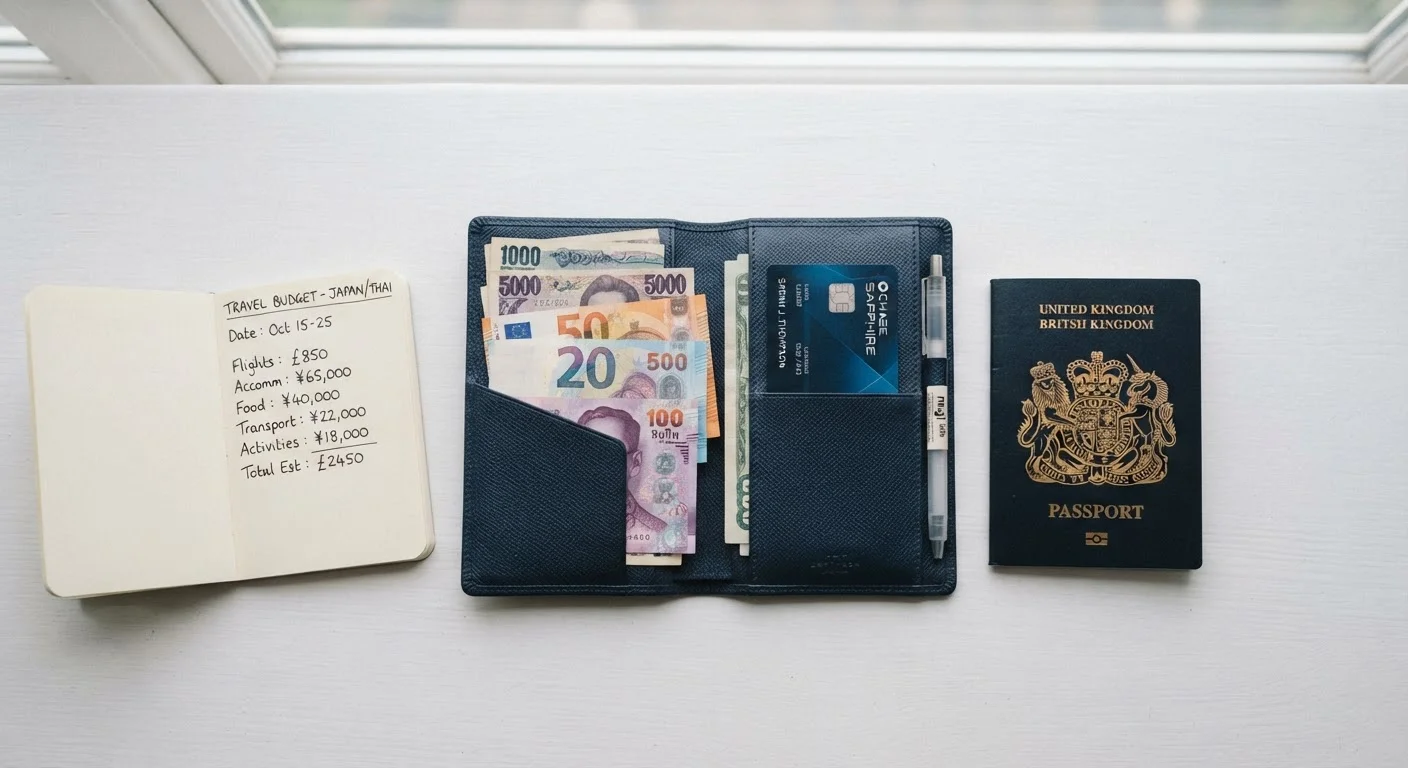
Financial mistakes abroad tend to compound quickly. A stolen wallet in a city where you don't speak the language, a blocked card with no backup, or an ATM fee you didn't see coming can turn a manageable travel budget into a stressful scramble. The good news is that most of these situations are entirely preventable with preparation done before you leave home.
This isn't about paranoia — it's about building redundancy into your travel money setup so that no single event wipes you out. Think of it like packing a spare phone charger: you probably won't need it, but you'll be very glad it's there if you do. See the complete travel money planning guide for a broader look at structuring your finances before an international trip.
This Is General Information, Not Financial Advice
The guidance in this article covers general travel money safety practices. Fee structures, card policies, and banking rules vary by institution and destination. Always confirm the specifics of your accounts directly with your financial institution before traveling. For decisions about your personal finances, consult a licensed financial professional.
Core Practices for Keeping Your Money Safe
The following practices are grounded in the most common ways first-time travelers lose access to funds — or lose the funds themselves. None require specialized equipment or significant extra cost.
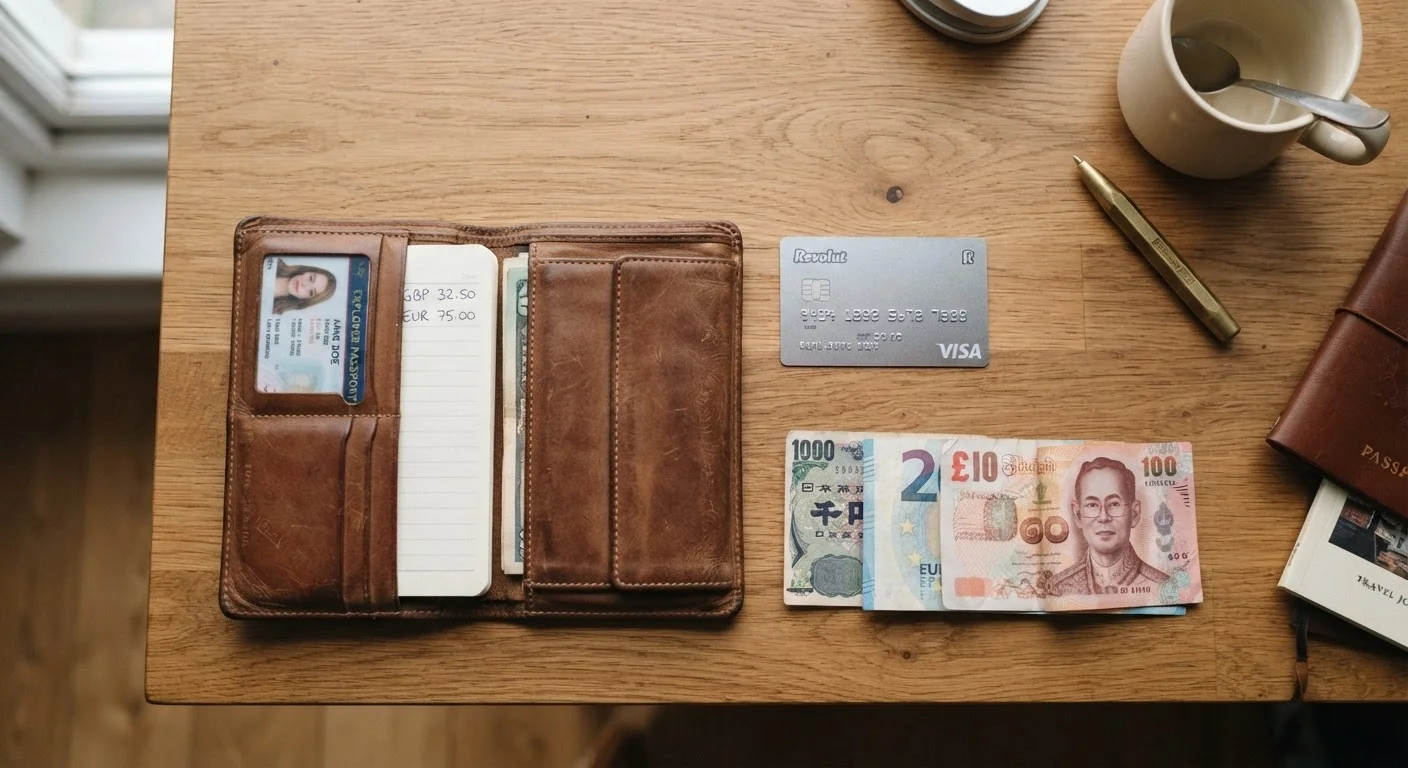
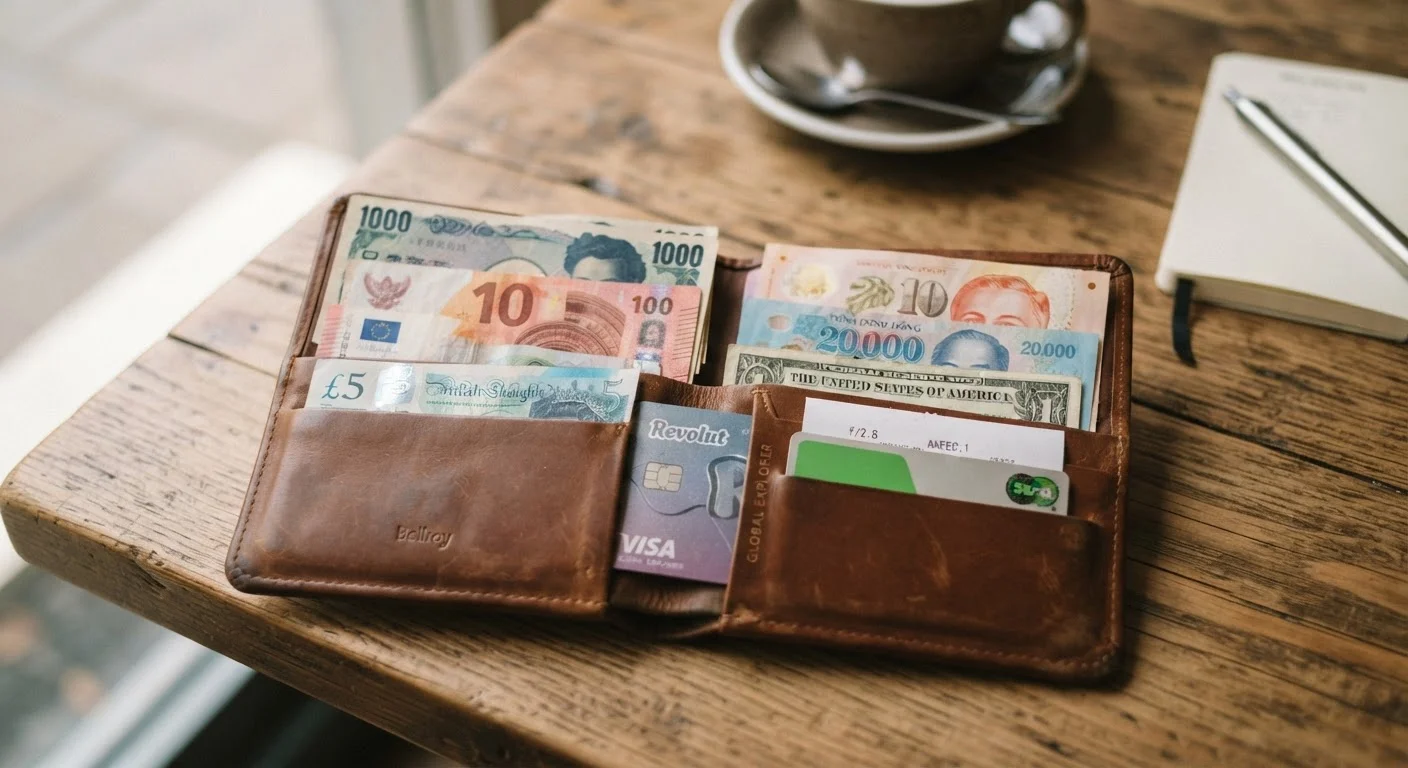
Split your funds across at least two separate cards and a small cash reserve
If one card is lost, stolen, or blocked by your bank's fraud detection, you won't be stranded. Carrying everything in one place is the single most common financial mistake first-time travelers make.
Notify your bank and card issuers of your travel dates and destinations before departing
Banks flag unusual foreign transactions as potential fraud and may freeze your card without warning. A quick call or in-app notification before you leave prevents this from happening at the worst possible moment.
Use ATMs inside bank branches rather than standalone tourist-area machines
Branch ATMs are monitored by bank staff, making it harder for skimming devices to be installed undetected. Standalone machines in busy tourist zones carry a higher risk of tampering.
Keep your daily spending cash separate from your emergency reserve
Mixing daily money with your safety net means a pickpocket or a simple mistake can leave you with nothing. A dedicated emergency cash stash — kept out of your main wallet — acts as a last resort.
Write down your bank's international emergency contact number and store it separately from your wallet
If your wallet is stolen, your phone may be dead or also taken. Having the number written on paper — or stored in a cloud note you can access from any device — means you can act immediately to freeze cards and request replacements.
Smart ATM Habits in Unfamiliar Cities
ATMs are one of the most convenient ways to access local currency, but they're also a common point of vulnerability. Skimming devices — small hardware attachments that copy your card data — are occasionally placed on ATM card slots, particularly on machines in high-tourist areas with less foot traffic oversight.
Whenever possible, use ATMs located inside bank branches during business hours. Give the card reader a gentle tug before inserting your card; a legitimate machine won't have anything loose. Cover the keypad with your other hand when entering your PIN, even if no one appears to be watching. Withdraw larger amounts less frequently to minimize transaction fees — but don't carry more cash than you'd need for one to two days of spending at a time.
For a detailed look at when cards outperform cash and vice versa, see cash vs. card abroad.
Digital Safety and Your Financial Accounts
Accessing your bank account over the free Wi-Fi at a hotel lobby or airport café is a habit worth breaking before you travel. Public networks can expose login credentials to other users on the same connection. If you need to check your balance or transfer funds, use your phone's mobile data connection instead, or wait until you're on a private network.
Enable two-factor authentication on your banking apps before you leave — this adds a second verification step that makes unauthorized access significantly harder even if your password is compromised. Also check that your bank's app works in the country you're visiting; some authentication systems rely on SMS codes, and your number may not receive texts abroad without an active roaming plan.
For more on protecting your data while traveling, the digital security while traveling guide covers public Wi-Fi risks in depth.
36%
Travelers who experienced payment card issues abroad
A survey by Travelex found that roughly a third of international travelers encountered card problems — including blocks, declines, or fraud — during a trip.
$1–$5+
Typical foreign ATM fee per withdrawal
Between your home bank's foreign transaction fee and the local ATM operator's surcharge, each withdrawal abroad can cost several dollars — fees that add up quickly over a multi-week trip.
Build Your Backup Plan Before You Go
Every traveler should have a clear answer to this question before departure: If my wallet is stolen tonight, what do I do? The answer should include a backup card stored separately from your primary wallet, the international phone number for your bank's emergency line (written down, not just saved in your phone), and access to a small amount of emergency cash stashed in your luggage or a hidden pocket.
For step-by-step preparation, the travel money readiness checklist walks through every pre-departure action in order. If you're visiting multiple countries, managing money across multiple countries addresses the added complexity of changing currencies mid-trip. For physical valuables more broadly, keeping your belongings safe covers habits that reduce everyday theft risk.
This article is for general informational purposes only and does not constitute financial or legal advice. Verify all banking, fee, and card policies directly with your financial institution before traveling.