Why Financial Preparation Is the Foundation of Stress-Free Travel
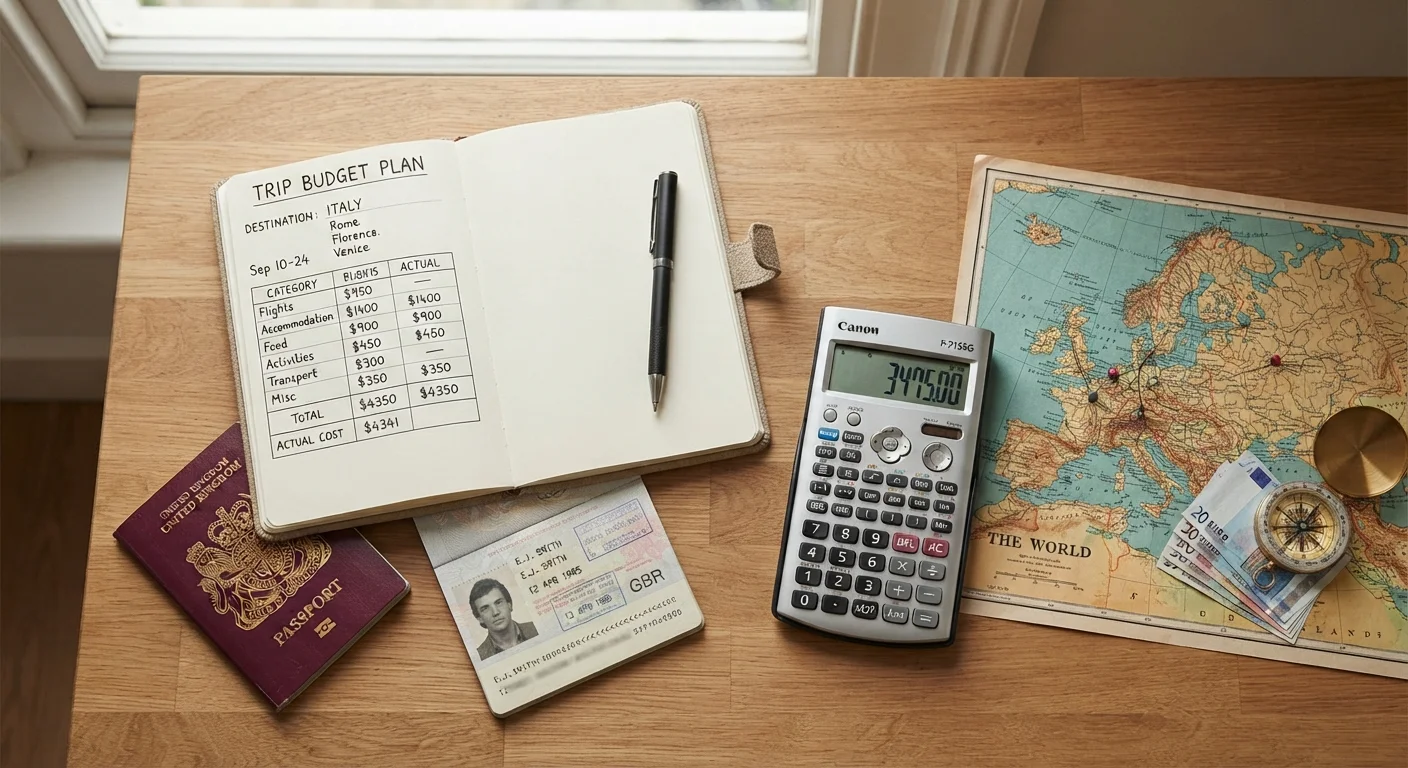
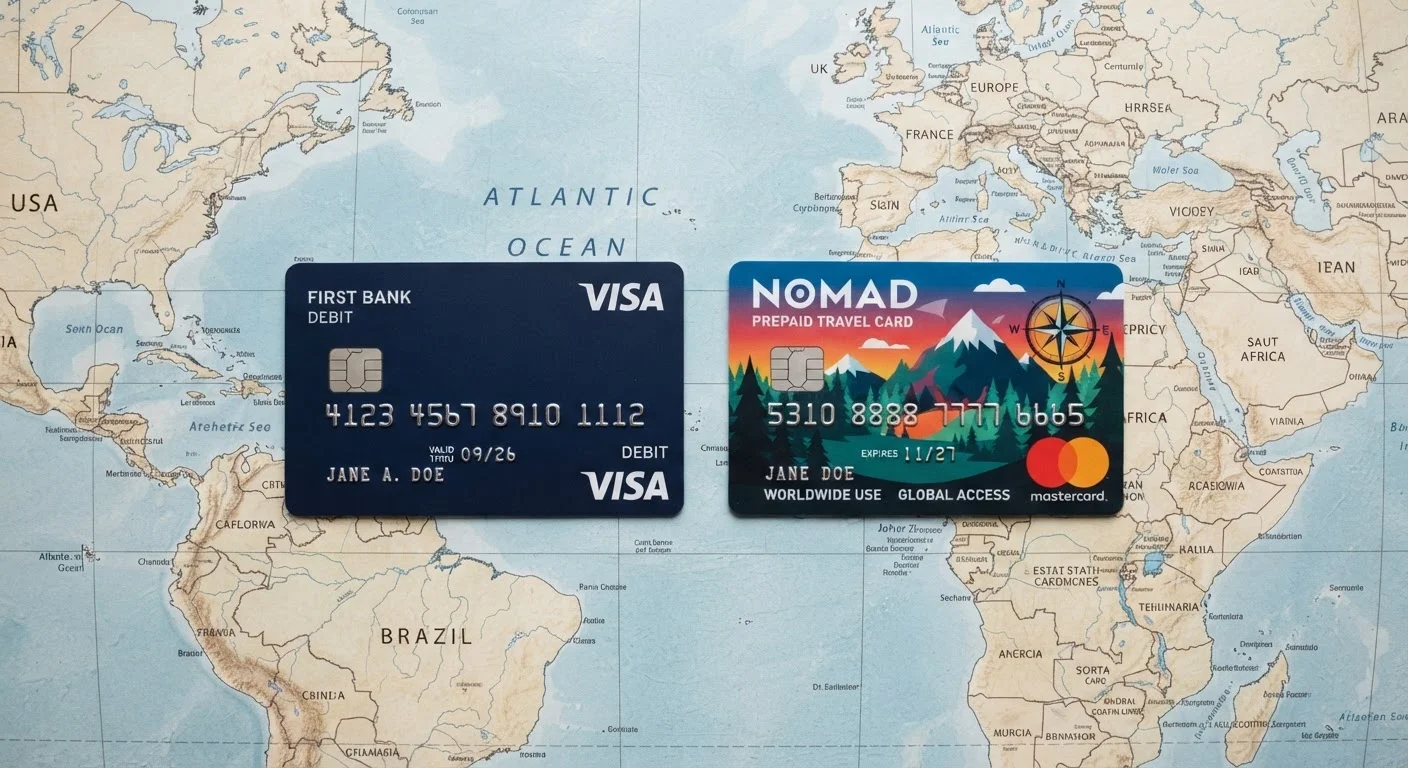
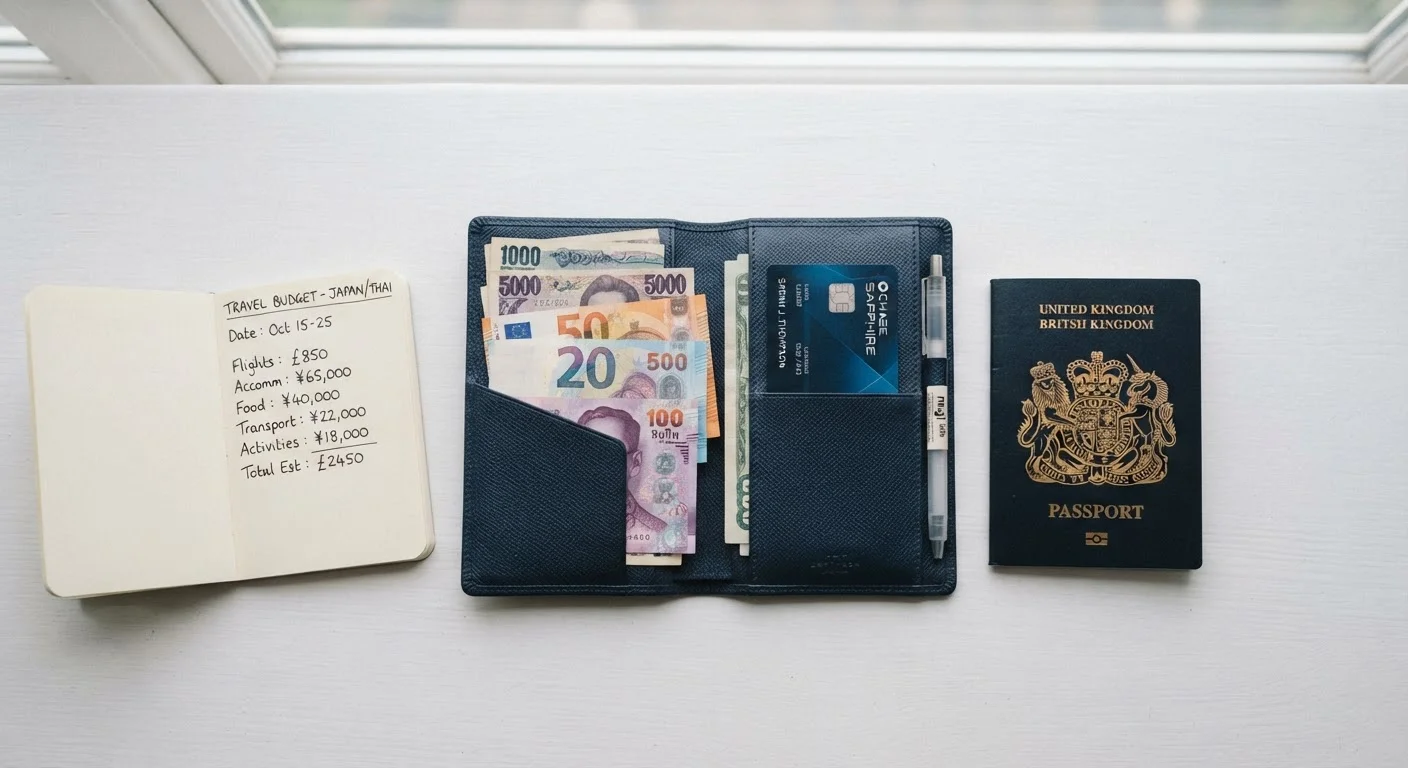
Most first-time travelers spend weeks planning flights and hotels, then give their finances two days of thought — right before packing. That gap is where expensive surprises happen: a blocked card at check-in, unexpected ATM fees on every withdrawal, or no cash on hand when you land somewhere that doesn't take cards.
This checklist is designed to close that gap. It covers every financial step worth taking before you leave home, organized by category so you can work through it methodically. Pair it with the pre-departure budget checklist to make sure your spending plan is just as solid as your payment setup.
For a broader look at managing money from planning through return, see the complete travel money planning guide.
Your bank's mobile app
Used to monitor transactions, set travel notifications, and check balances while abroad.
Printed or offline card issuer contact numbers
Essential for reporting a lost or stolen card when you don't have internet access.
Secure cloud storage (e.g., encrypted folder or email draft)
Used to store digital copies of key documents accessible from any device.
Small travel wallet or money belt
Allows you to separate cash reserves from your primary wallet to reduce loss risk.
Travel insurance policy document
Confirms what financial emergencies — such as medical costs or trip interruption — are covered.
How to Use This Checklist
Work through each group in order — bank and card preparation first, since some steps (like travel notifications or two-factor authentication setup) require lead time of a day or more. The checklist marks every item as must, should, or nice to have so you can triage if time is short.
Aim to complete the full checklist at least 48–72 hours before departure. That window gives you time to resolve any issues — a card that won't activate for international use, a PIN you've forgotten, or a travel insurance policy that needs amending.
Two-Factor Authentication Can Lock You Out Abroad
Many US banks send verification codes to your home phone number. If you're traveling without your US number active, you may be unable to log in to your banking app or approve a new device. Before you leave, confirm how your bank handles 2FA for international users — and test it. Some banks allow you to pre-authorize a device or set an alternative verification method.
Once you're on the ground, your next priority is keeping those funds safe. The guide on protecting your money abroad covers ATM habits, safe cash-splitting strategies, and what to do if something goes wrong.
Bank & Card Preparation
Currency & Cash
Budget Verification
Emergency Backup & Safety
Digital & Document Readiness
A Few Things This Checklist Doesn't Cover
Financial readiness is only part of pre-trip preparation. For document safety, insurance, and emergency contacts, run through the safety preparation checklist for new travelers as a companion step.
If you're planning to use public transit at your destination, check the night-before transit checklist — fare top-ups and transit cards are separate from general travel money but easy to overlook. And if you're staying at a hotel, the hotel checkout checklist will help you review your bill before you hand back your key.
This article provides general financial information for educational purposes. It is not personalized financial advice. Consult a qualified financial professional for guidance tailored to your specific situation. Always verify entry requirements, banking regulations, and travel conditions with official government and provider sources before traveling.