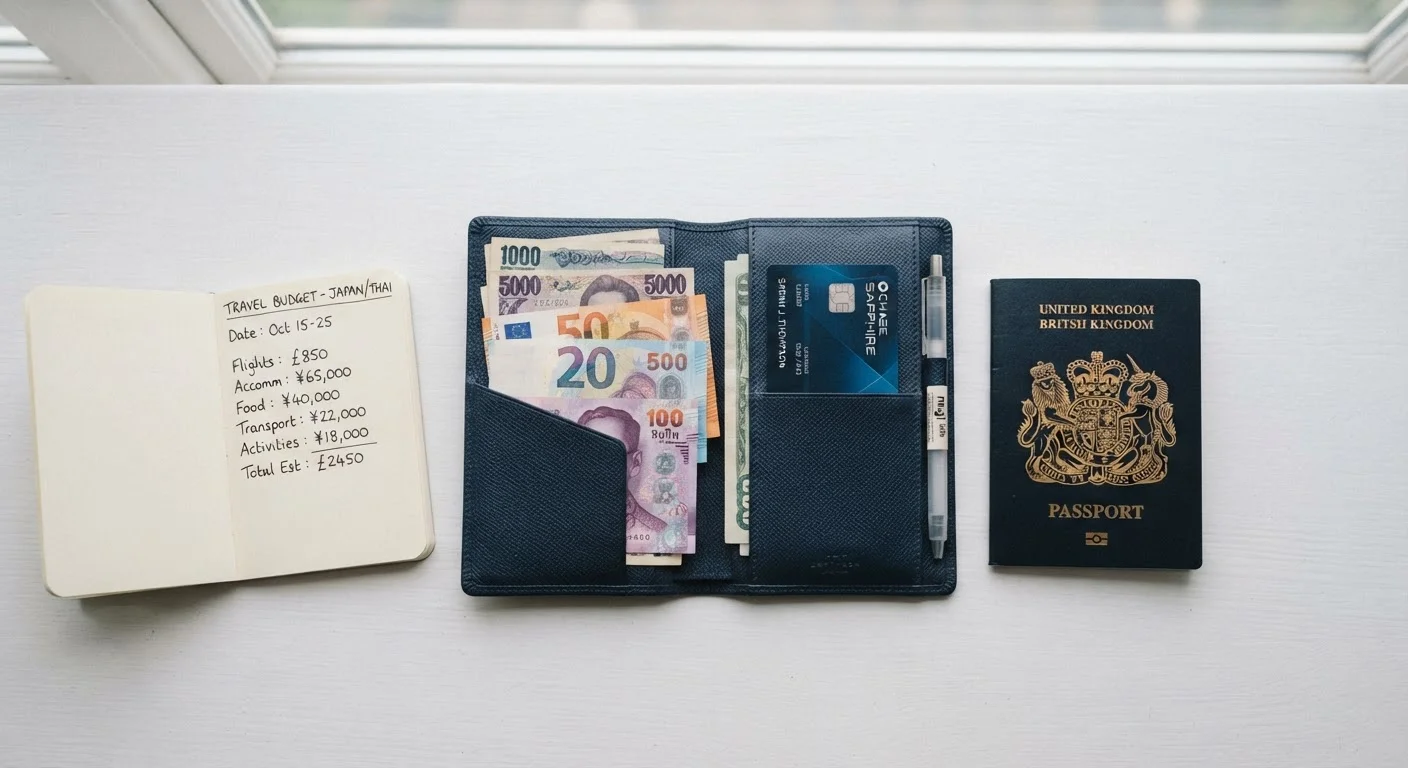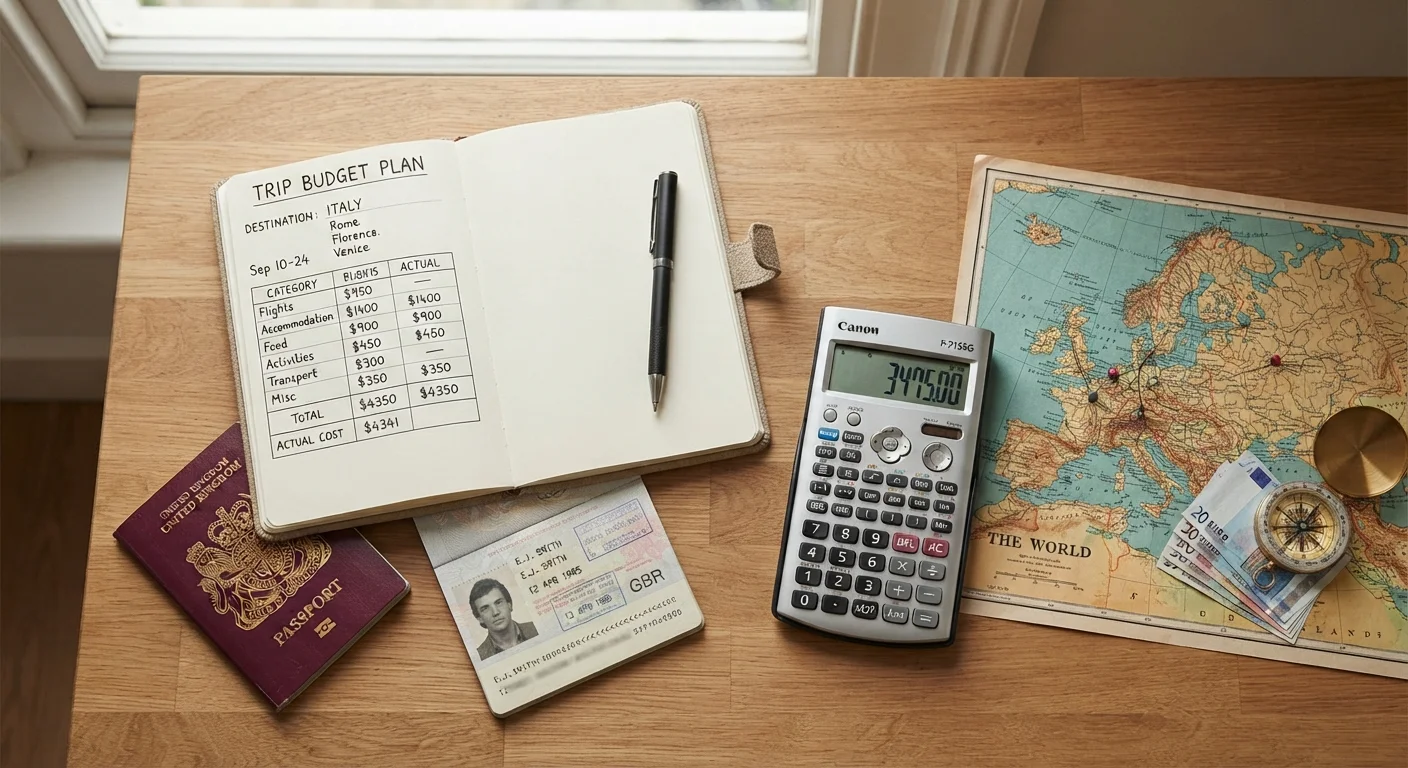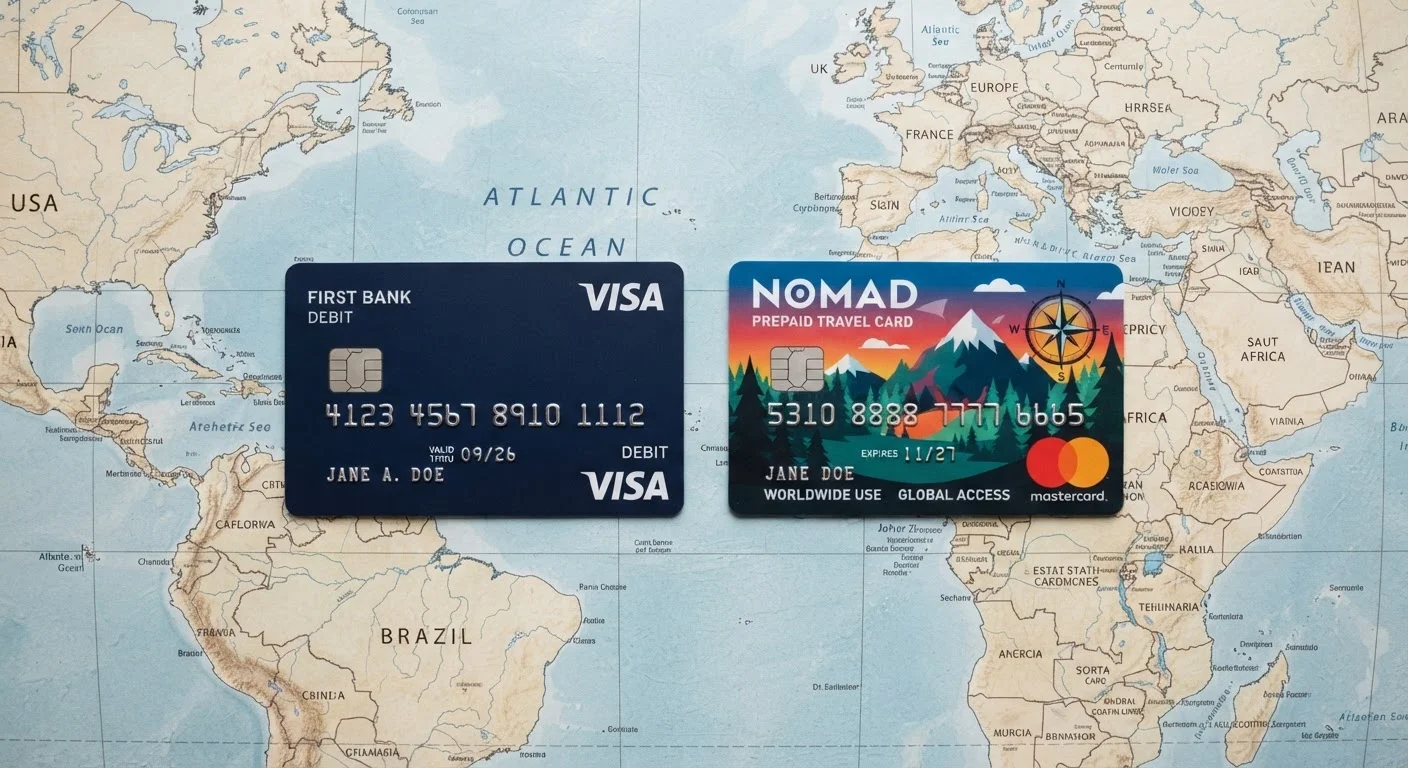
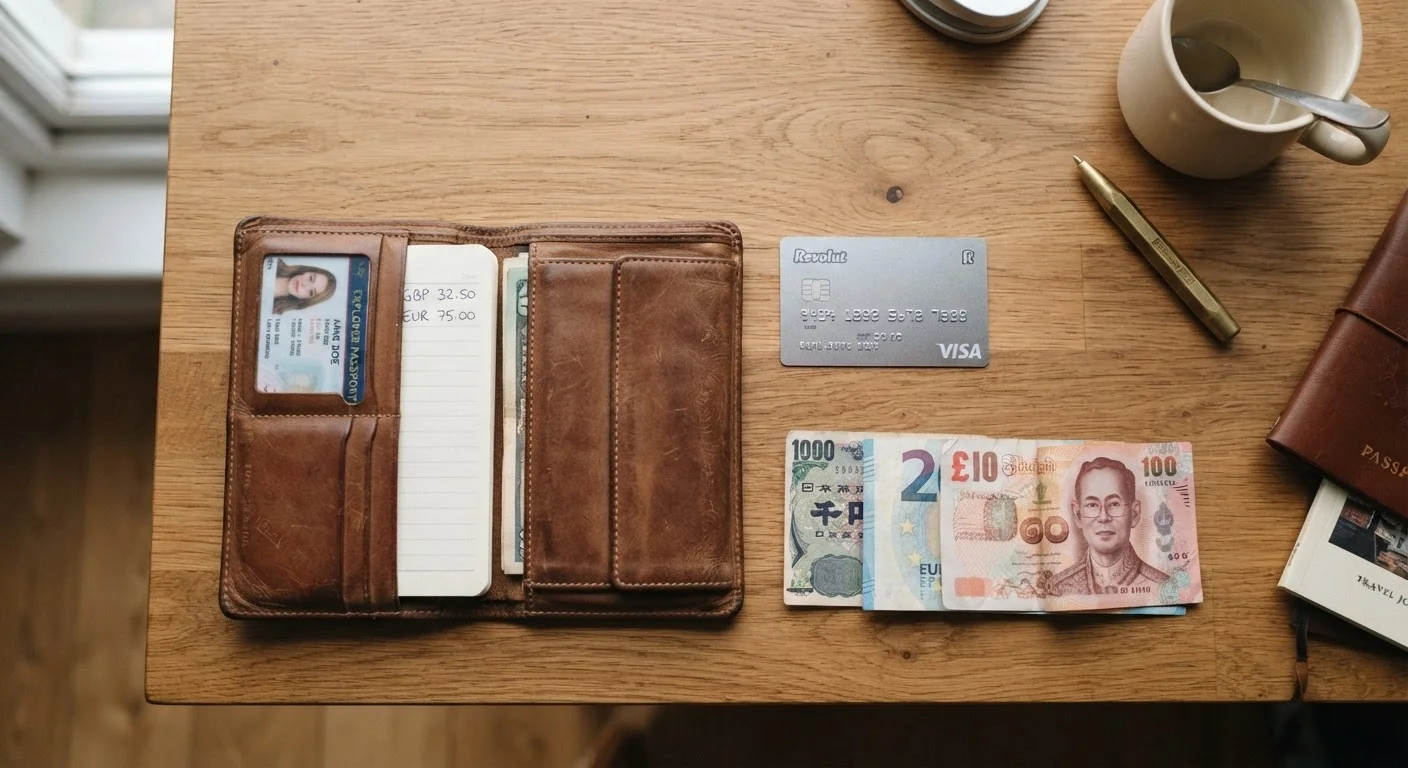
Why This Decision Actually Matters
For first-time international travelers, the cash-versus-card question feels like a minor detail — until a street vendor won't take your Visa, or your card gets flagged for overseas activity and you're standing at a checkout with nothing to pay with. The choice affects not just convenience but also how much you actually spend after fees, and how exposed you are if something goes wrong.
The honest answer is that most seasoned travelers use both — but understanding the trade-offs helps you decide the right ratio for your specific trip. A traveler heading to rural Southeast Asia needs a very different strategy than someone spending a week in Western European cities.
For a deeper look at how fees erode your spending power before you even swipe, see our guide on currency exchange and hidden costs abroad.
The Real Costs of Each Option
Both cash and cards carry costs that aren't always obvious upfront.
Cash costs
- Exchange rate margin: Airport kiosks and hotel desks typically offer poor rates. Using an ATM in-country often gives a rate closer to the mid-market rate, though fees apply.
- ATM withdrawal fees: Your home bank may charge $3–$5 per international withdrawal, and the foreign ATM may add its own fee on top. Withdrawing larger amounts less frequently minimizes this.
- Risk of loss or theft: There's no recovery mechanism for lost or stolen cash.
Card costs
- Foreign transaction fees: Many standard US bank cards charge 1–3% on every international purchase. Over a two-week trip, this adds up.
- Dynamic currency conversion (DCC): When a merchant offers to charge you in US dollars instead of local currency, the exchange rate applied is almost always unfavorable. Always choose to pay in local currency.
- ATM fees still apply: Even card users face ATM fees when withdrawing local cash as a backup.
| Criterion | Cash | Card |
|---|---|---|
| Acceptance in rural areas | High — universally understood | Often limited or unreliable |
| Acceptance in urban areas | Good, but declining in some cities | Generally high; contactless common |
| Fraud/theft protection | None — stolen cash is gone | Zero-liability protection available |
| Transaction fees | ATM fees + exchange rate margin | Foreign transaction fee (1–3%) + DCC risk |
| Spending control | Built-in — spend what you carry | Requires active monitoring |
| Emergency usability | Works without power or signal | Depends on network and device |
| Record keeping | None — manual tracking needed | Automatic transaction history |
This article provides general financial information for educational purposes. It is not personalized financial advice. Consult a qualified financial professional for guidance specific to your situation.
Safety and Practical Realities
Safety considerations cut both ways. Cash stolen from your wallet is gone. A compromised card, by contrast, can be cancelled remotely, and most US card issuers offer zero-liability protection on unauthorized charges — though you should verify this with your issuer before traveling.
That said, cards carry their own vulnerabilities: skimming devices at ATMs, data breaches, and the very real possibility that your bank flags overseas transactions and freezes your account. Notifying your bank of travel dates before departure significantly reduces this risk.
For practical strategies on keeping both forms of money secure while abroad, our guide on protecting your funds without carrying too much cash covers safe ATM habits and fund-splitting approaches in detail.
1–3%
Typical foreign transaction fee on US cards
Many standard US bank and credit cards charge this percentage on every international purchase, according to general consumer banking disclosures.
$3–$5
Common US bank fee per international ATM withdrawal
This is charged by the home bank alone; a separate fee from the foreign ATM operator may also apply on top.
2–6%
Typical dynamic currency conversion markup
Industry analyses of DCC transactions suggest merchants and processors apply markups well above mid-market exchange rates when billing in the traveler's home currency.
Travelers heading to destinations where card skimming is more prevalent — or where ATM availability is limited — should plan to carry a higher proportion of local cash, sourced from reputable in-country ATMs rather than pre-exchanged at US airport kiosks.
Acceptance: Where Each Option Falls Short
Card acceptance varies dramatically by destination and context. Major cities in Western Europe, Canada, Australia, and Japan generally support contactless card payments widely — though Japan remains more cash-reliant than many travelers expect, particularly outside tourist areas.
In contrast, smaller towns, rural regions, street markets, tipping situations, and local transport in many parts of Latin America, Southeast Asia, and sub-Saharan Africa still depend heavily on cash. Assuming your card will work everywhere is one of the most common — and avoidable — first-timer mistakes.
Even in card-friendly destinations, some categories almost always require cash: small guesthouses, roadside food stalls, entry fees at local attractions, and tipping service workers where card gratuity isn't built in.
Japan: A Card-Friendly Country That Still Loves Cash
Despite being a highly developed destination, Japan remains significantly cash-dependent outside major tourist areas and chain establishments. Many traditional restaurants, temples, and smaller shops are cash-only. Travelers should plan to carry yen even if cards are their primary payment method. This is a common planning blind spot for first-time visitors.
If you're on a cruise, the onboard payment system is a separate consideration entirely. Most ships operate a fully cashless cabin-account system. Our explainer on how cruise onboard spending works walks through how those accounts are set up and settled.
Building a Realistic Strategy for Your Trip
Rather than committing entirely to one method, most first-time travelers benefit from a layered approach:
- Research card acceptance for your specific destination before departure — not just the country generally, but the types of places you plan to visit.
- Carry enough local cash to cover your first 24–48 hours, small daily expenses, and any cash-only situations you anticipate.
- Use a card with no foreign transaction fees for larger purchases, hotels, and restaurants where cards are accepted. Our guide to debit cards versus prepaid travel cards can help you choose the right card type for your trip.
- Withdraw local cash from reputable ATMs in-country rather than pre-purchasing foreign currency at US exchange counters, which typically offer worse rates.
- Split your funds — keep cards and a portion of cash in separate places so a single incident doesn't leave you without any payment option.
If you're planning a trip across multiple countries, the currency logistics become more complex. Our guide on managing money across multiple countries addresses how to think through exchange timing and fee minimization across borders.