Why Personal Safety Feels Overwhelming — and Why It Doesn't Have to Be
First-time travelers tend to fall into one of two traps: either they assume everywhere is dangerous and travel anxiously, or they assume nothing bad can happen to them and travel carelessly. Neither approach serves you well.
The reality is more useful: most travel safety comes down to informed habits applied consistently, not to avoiding entire destinations or purchasing every precaution product on the market. Understanding what the actual risks are — and separating them from exaggerated fears — is the first step. Our article on travel safety myths is a good companion read for cutting through the noise.
This guide focuses on practical, proven habits that work across trip types — whether you're on a cruise, road trip, city break, or international adventure.
Situational Awareness: The Foundation of Safe Travel
Situational awareness simply means knowing what's happening around you — what's normal for the environment you're in, and what feels off. It doesn't require paranoia. It requires attention.
Situational awareness
The habit of actively noticing what is happening around you — what's normal for the environment, who is nearby, and what exits are available — so you can respond calmly if something feels off.
Travel advisory
An official government rating that summarizes the safety conditions of a foreign country or region and recommends how cautiously travelers should approach visiting it.
STEP (Smart Traveler Enrollment Program)
A free U.S. government service that registers your trip with the nearest American embassy so they can contact you in an emergency or provide assistance abroad.
Medical evacuation
Emergency transportation — often by air — from a location where adequate medical care isn't available to a facility that can treat a serious condition. Without insurance, this can cost tens of thousands of dollars.
Travel insurance
A policy that can reimburse you for covered losses — such as trip cancellation, medical emergencies, or lost baggage — that occur before or during a trip. Coverage and exclusions vary widely by policy.
A few concrete habits build this skill quickly:
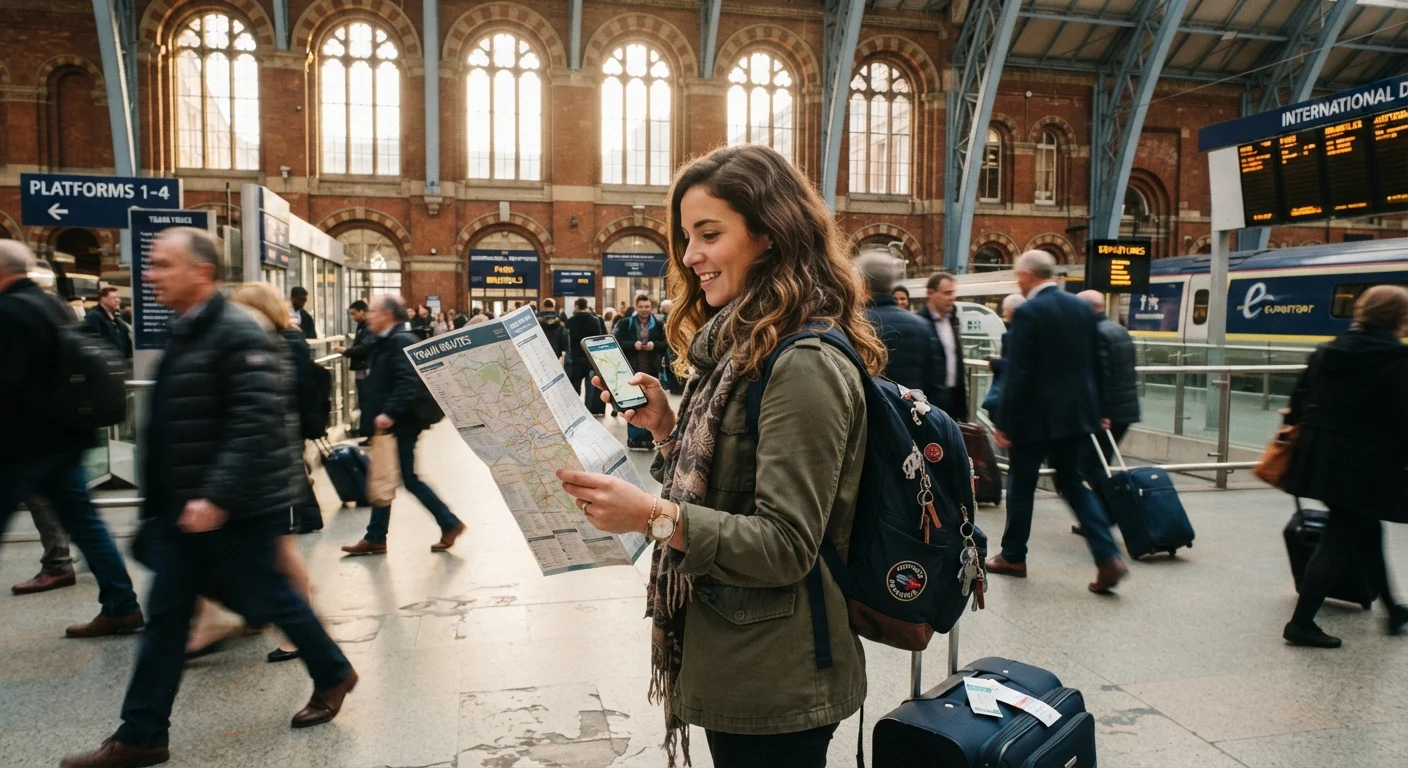
- Look up from your phone when moving through crowded spaces, transit hubs, and unfamiliar streets.
- Note exits and landmarks when you enter a new building or neighborhood.
- Trust discomfort — if a situation feels wrong, it's fine to leave without explaining yourself.
- Research what's normal for your destination before you arrive. A crowded market that looks chaotic to a first-timer may be completely routine; knowing this in advance prevents unnecessary alarm.
Situational awareness applies differently depending on how you're traveling. For destination-specific context, our guide on what makes a destination safe explains why the same city can feel very different depending on who you are and how you move through it.
Before You Leave: Preparation That Actually Matters
The most valuable safety work happens before departure. These steps take a few hours total and can save significant time, money, and stress if something goes wrong.
- Check official travel advisories. The U.S. Department of State (travel.state.gov) publishes current advisories for every country. Check the specific region you're visiting, not just the country level — conditions vary widely within borders.
- Register with STEP. The Smart Traveler Enrollment Program (STEP) lets the nearest U.S. embassy know you're in a given country. It's free and takes under ten minutes.
- Make document copies. Store scanned copies of your passport, visa, insurance policy, and itinerary in a secure cloud location. Leave a physical copy with a trusted contact at home.
- Review your insurance coverage. Understand what your current health plan covers internationally before deciding whether to purchase separate travel insurance. Medical evacuation costs in particular can run into tens of thousands of dollars without coverage.
- Complete relevant health steps. Some destinations require or strongly recommend vaccinations. Timing matters — some vaccines require multiple doses weeks apart. Our pre-trip health checklist covers what to address and when.
Build a Simple Emergency Card
Before every trip, write a wallet-sized card listing your embassy's local number, your insurer's emergency line, your blood type, and any critical medications or allergies. If your phone dies or is stolen, this card keeps your most critical information accessible. It takes five minutes and costs nothing.
This article provides general travel safety information and is not a substitute for advice from qualified legal, medical, or financial professionals. Always verify entry requirements, advisories, and health recommendations with official government and provider sources before traveling, as conditions change.
On the Ground: Day-to-Day Safety Habits
Once you're traveling, a small set of consistent habits covers the majority of common risks.
Protecting Your Belongings
- Use a bag that closes securely and sits against your body in crowded areas.
- Carry only the cash you expect to need that day; leave spare cards and large amounts in a hotel safe.
- Avoid displaying expensive electronics, jewelry, or cameras in high-traffic public areas.
Getting Around Safely
- Research transportation options before you arrive — official taxis, rideshare apps, and reputable transit systems vary by destination.
- Share your day's itinerary with someone at home or with a travel companion, particularly if you plan to be in remote areas.
- If you're renting a car, review local driving laws in advance. Speed limits, right-of-way rules, and road conditions differ significantly by country.
Accommodation
- Confirm your accommodation's address and neighborhood before you arrive, not when you're standing outside with luggage.
- Use the door lock and any secondary security features (chain, door wedge) in your room, especially in budget properties.
For travelers considering a cruise, safety protocols on board differ from land travel. Our cruise basics overview includes what to know about onboard safety procedures.
Handling Emergencies When They Happen
Even well-prepared travelers occasionally face difficult situations — lost documents, medical issues, or unexpected local incidents. Having a simple plan reduces panic and speeds up resolution.
Don't Wait Until an Emergency to Find These Numbers
Searching for embassy contacts or insurance claim lines while stressed, in an unfamiliar location, and possibly without reliable internet access is significantly harder than looking them up at home. Save all key numbers offline — in a notes app, a screenshot, or on paper — before your departure day.
Know Your Key Numbers Before You Need Them
- Local emergency services: Emergency numbers vary by country (112 works in most of Europe; look up the number for your specific destination in advance).
- U.S. Embassy/Consulate: Find the contact for your destination at travel.state.gov and save it in your phone before departure.
- Travel insurance claims line: Your insurer's 24-hour emergency line is different from their customer service number — note both.
- Your bank's international number: Standard toll-free numbers often don't work abroad; find the direct international line on the back of your card.
If You're in a Country with Elevated Risk
Follow local authority guidance, stay in contact with your embassy, and avoid congregating in large public gatherings if a security incident is developing. Do not rely solely on social media for accurate information — official government channels are more reliable.
Destination-specific preparation matters. Our article on visiting South Africa for the first time illustrates how regional context shapes practical safety planning. Similarly, even domestic destinations carry genuine physical hazards — Yellowstone's thermal areas are a clear example of where following posted rules is non-negotiable.
For a broader reference on the terminology and tools that underpin travel safety — advisories, insurance, embassy registration — see our travel safety concepts overview.