Why Travelers Are Easy Targets
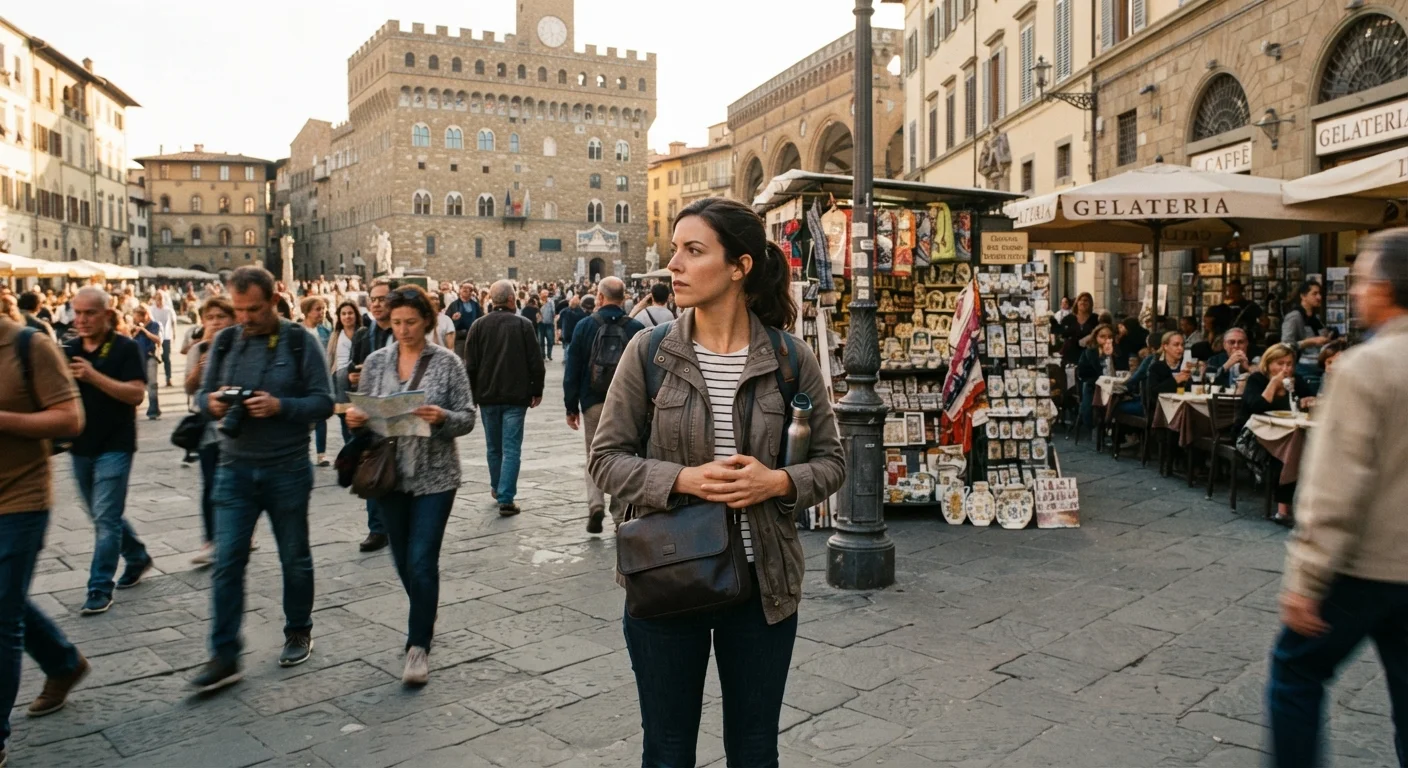
First-time travelers carry several disadvantages scammers exploit: they don't know local prices, they're juggling luggage and maps, and they're often reluctant to seem rude or suspicious in a new culture. That combination creates openings that experienced con artists recognize instantly.
The good news is that the vast majority of scams follow predictable patterns. Once you understand the mechanics — distraction, false authority, artificial urgency, manufactured goodwill — you can spot them before they cost you anything. This isn't about traveling in fear; it's about traveling with your eyes open.
For a broader foundation on staying safe abroad, see our practical travel safety overview, which covers advisories, insurance, and embassy registration in plain language.
Accepting unsolicited help from strangers at transit hubs.
Why it happens: Travelers who are lost or overwhelmed are relieved when someone offers assistance — it feels like hospitality rather than a setup.
Getting into an unmarked or unlicensed taxi without agreeing on a fare first.
Why it happens: After a long flight, travelers just want to get to their hotel. They assume the driver will use a meter or charge a reasonable rate.
Handing over your passport or wallet to someone claiming to be an official.
Why it happens: The fear of getting in trouble with authorities in a foreign country makes travelers comply quickly without questioning credentials.
Accepting gifts, flowers, or bracelets from strangers then being pressured to pay.
Why it happens: The social pressure of refusing a 'gift' feels rude, and once it's placed in your hand or on your wrist, the scammer creates a strong obligation.
Using informal street-corner currency exchange services.
Why it happens: Travelers see rates that look better than official options and assume they've found a bargain, not realizing the final transaction involves tricks or counterfeit notes.
Falling for the 'closed attraction' redirect scam.
Why it happens: A friendly local tells you the museum or temple you're heading to is closed today — and conveniently knows a 'better' place, often a shop or restaurant where they earn a commission.
The Scams That Cost Travelers the Most
Financial scams cluster around moments of vulnerability: airport arrivals, currency exchange, and transportation. Understanding where money typically disappears helps you protect it.
~$1,000
Average loss per victim in travel fraud
The U.S. Federal Trade Commission has consistently documented travel and vacation fraud among the costlier consumer fraud categories, with median losses frequently in the hundreds to low thousands of dollars.
1 in 5
Travelers who report a scam attempt
Surveys by travel safety organizations suggest a significant minority of international tourists experience at least one scam attempt per trip, with rates higher in major tourist corridors.
Unofficial taxis are consistently one of the biggest money drains. Drivers operating outside regulated systems set their own rates — and a ride that should cost $8 can end up costing $60 if you haven't confirmed the price upfront. Always locate the official taxi rank or use a licensed rideshare app where the fare is calculated automatically. Our guide on common airport transfer mistakes walks through exactly what to look for when arriving at an unfamiliar airport.
Currency exchange scams work through sleight of hand, unfavorable rates, or counterfeit bills passed to distracted tourists. Stick to licensed exchange offices or bank ATMs; avoid anyone approaching you on the street offering to exchange money. For a full picture of where money quietly disappears during international trips, our guide to hidden travel costs is worth reading before you go.
Street Money Exchange Is Rarely Worth the Risk
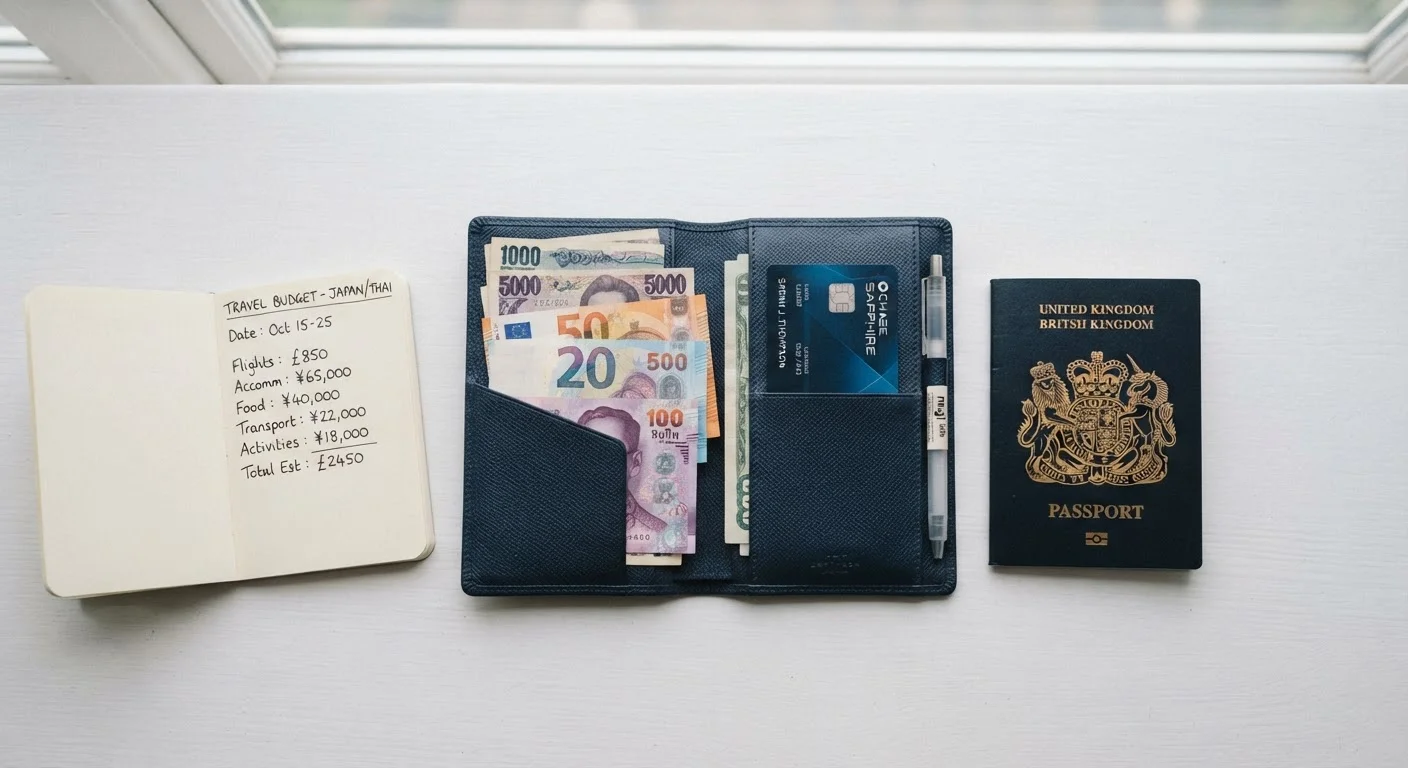
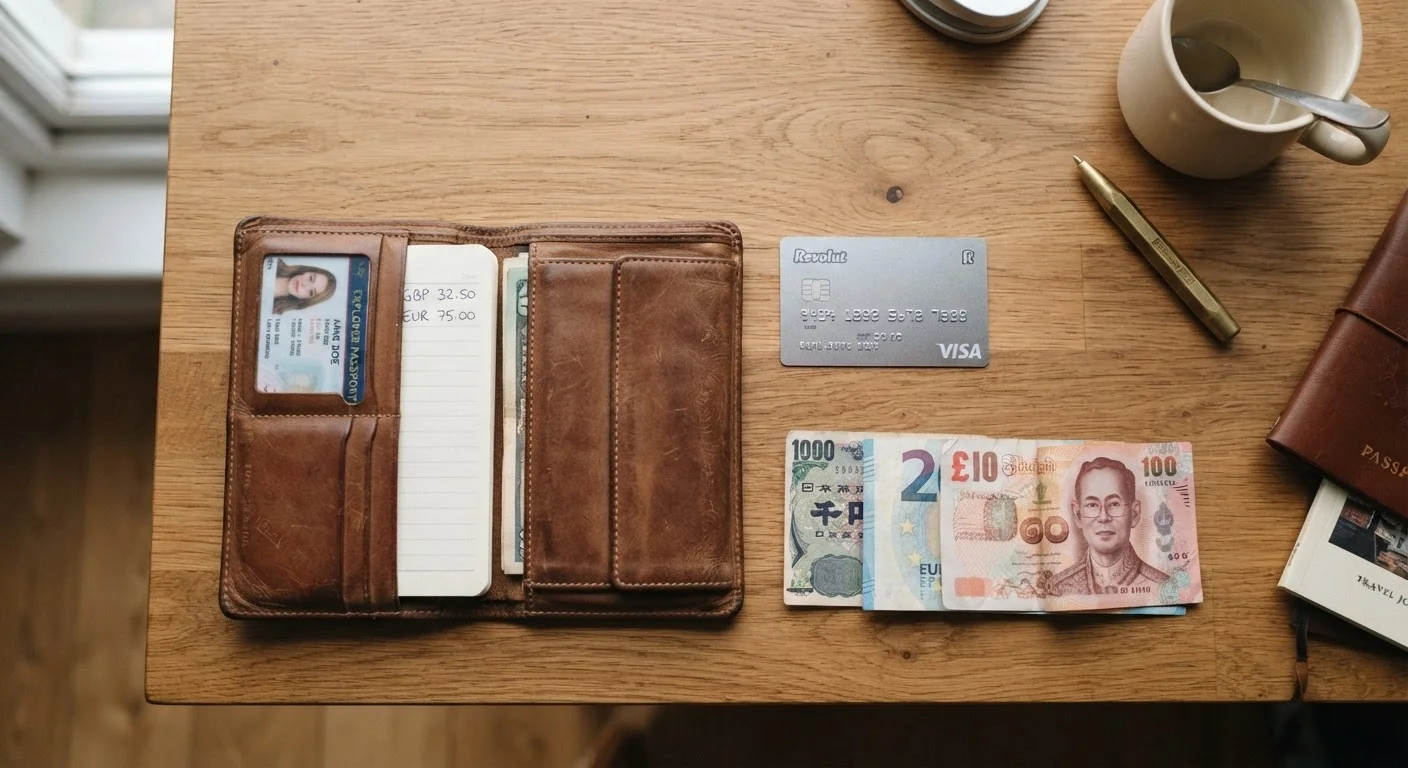
Even when the rate looks favorable, informal currency exchange on the street carries real risks: short-changing, counterfeit bills, and bait-and-switch rate changes at the moment of transaction. The small gain over a licensed exchange office is almost never worth the exposure. Stick to ATMs at established banks or licensed exchange counters, and keep your travel money plan simple and verifiable.
Fake official scams — someone impersonating a police officer or tourism inspector — typically ask to inspect your wallet or passport. Genuine authorities do not approach tourists this way unprompted. If someone claims to be an official, ask to see credentials, do not hand over your documents, and offer to walk together to a nearby police station if they insist.
Protecting your belongings is the physical counterpart to these financial precautions. See our guide to keeping valuables safe in unfamiliar places for habits that make pickpocketing and opportunistic theft significantly harder.
Also worth noting: some travel myths can push first-timers toward destinations or situations they're not prepared for. Common destination myths can set up unrealistic expectations that scammers take advantage of.
Never Share Your Real Passport on the Street
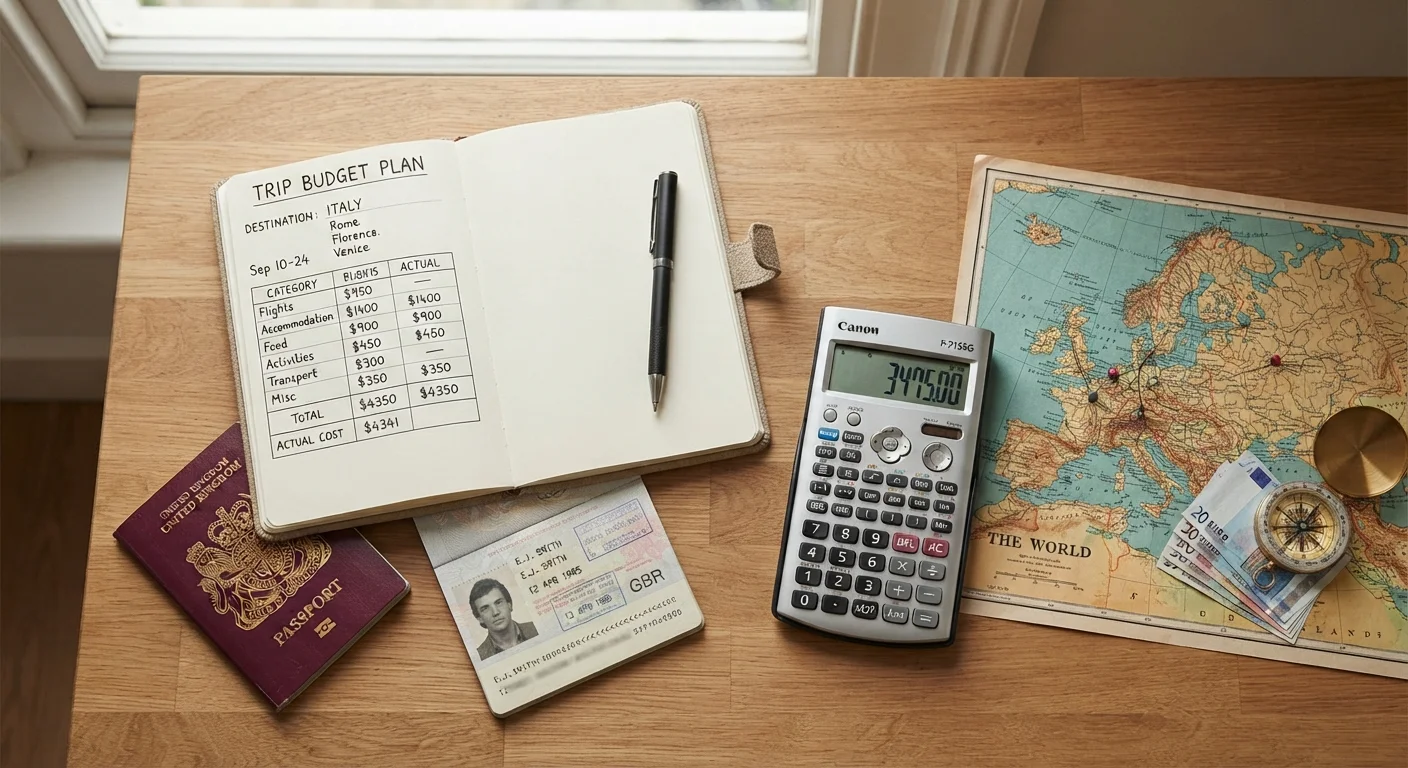
Surrendering your passport to an unofficial 'inspector' is one of the most consequential mistakes a traveler can make — losing it abroad creates serious complications including emergency document replacement and potential travel delays. Carry a clear photocopy for situations where ID is requested informally. Always verify official credentials before complying with any request, and consult your country's embassy resources for guidance on what local authorities are actually permitted to demand.