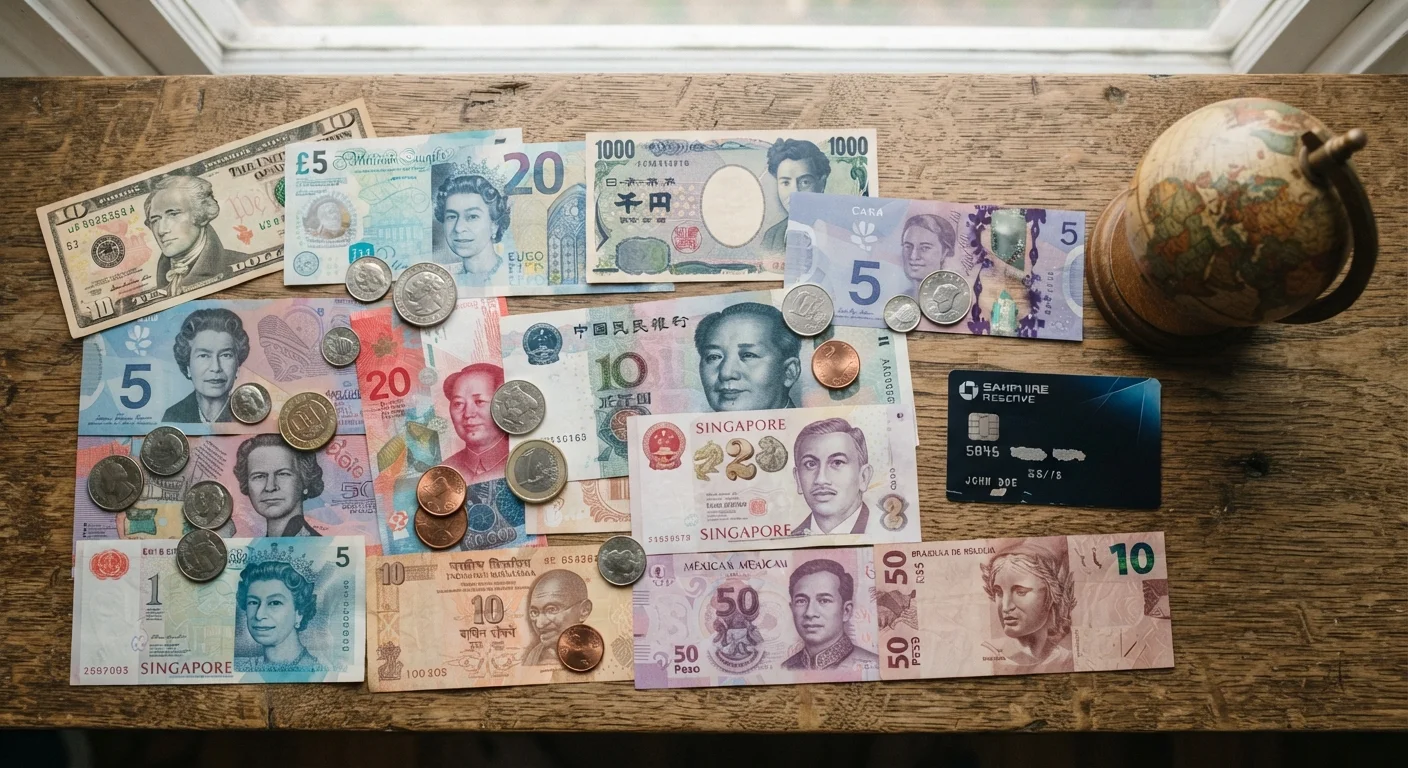

What You're Really Comparing
Choosing between a domestic and international first trip is less about distance and more about the level of complexity you're ready to manage. Both can be rewarding; both can go sideways without preparation. The real question is which set of trade-offs fits your current situation.
Before anything else, read through what actually makes a destination right for a first trip — the personal and practical criteria covered there apply regardless of which side of a border you're on. Once you've grounded yourself in those factors, the domestic vs. international comparison becomes much easier to navigate.
| Criterion | Domestic Travel | International Travel |
|---|---|---|
| Passport / Visa | Not required | Required; may need visa |
| Currency | Home currency throughout | Foreign exchange needed |
| Language barrier | Minimal to none | Varies by destination |
| Typical cost | Generally lower | Generally higher |
| Pre-departure admin | Low | Moderate to high |
| Medical / insurance needs | Domestic coverage applies | International cover recommended |
| Cultural immersion | Familiar context | Deeper exposure possible |
| Recovery if things go wrong | Easier, familiar systems | More complex, less familiar |
The Case for Starting Domestically
A domestic trip strips away the most anxiety-producing layers of travel planning. There's no passport to renew, no visa application to research, no need to exchange currency before you land, and no international roaming fees to worry about. If something goes wrong — a missed connection, a booking error, a medical issue — you're operating within a system you already understand.
This matters more than it sounds. Travel confidence is a skill, and domestic trips are where most people develop it. You learn how airports work, how to manage a packed itinerary, and how to recover from small disruptions without the added stress of being in an unfamiliar country. See how the airport experience differs between domestic and international flights — the difference is substantial for first-timers.
Domestic travel also tends to be more budget-friendly. Flights are shorter, accommodation categories are familiar, and there are no international transaction fees on your cards. When you're building your first trip budget from scratch, fewer unknowns make the numbers easier to trust.
~40%
U.S. adults without a valid passport
According to U.S. State Department estimates, a significant share of Americans do not hold a current passport, making domestic travel the only viable short-notice option.
6–8 weeks
Standard U.S. passport processing time
The U.S. State Department advises applicants to allow six to eight weeks for routine processing, longer during peak periods — a timeline that affects trip planning significantly.
The Case for Going International
International travel's complexity is real, but so is its reward. If you have a strong, specific reason to visit a particular country — cultural curiosity, a family connection, a long-held goal — that motivation is a genuine asset. It makes you more likely to do the research properly and push through the friction of preparation.
The planning burden is higher: you'll need a valid passport (check expiry requirements for your destination), may need a visa, should review travel advisories, and will likely want travel insurance that covers foreign medical care. Always verify entry requirements and health documentation through your government's official travel advisory portal before booking — these rules change and vary widely by destination. A pre-departure checklist for international trips can help you work through each item methodically.
Language is another factor worth weighing honestly. Many popular international destinations for first-time travelers are English-friendly, but even partial language barriers affect everything from reading menus to asking for directions. That's not a reason to avoid international travel — it's a reason to prepare. Exploring world destinations that are welcoming to first-timers can help you identify where the logistics are more forgiving.
Factors That Should Drive Your Decision
Once you've read about both sides, a few concrete factors tend to be the most decisive:
- Your passport situation: If you don't have a passport or it's expiring soon, factor in processing time. Rushed applications cost more and add stress.
- Your budget ceiling: International trips carry more variable costs — currency fluctuation, international fees, overseas insurance. Understanding how debit cards and prepaid travel cards compare is a practical early step.
- Your comfort with uncertainty: How do you typically handle disruptions? If small surprises unsettle you, more familiar environments reduce exposure until you're ready.
- Your travel companions: Going solo versus with a group changes the risk profile of both options. How your party size affects destination choice is worth reading before you finalize anything.
Entry Requirements Change Frequently
Visa rules, health documentation requirements, and travel advisories are updated regularly and vary by your nationality and destination country. Never rely solely on third-party travel sites for this information. Always check your own government's official travel advisory and the destination country's embassy or consulate website before booking anything. This applies even to destinations that previously required no documentation.
Neither option is inherently safer than the other in absolute terms. Both involve risk management. The core safety practices every first-time traveler should know apply whether you're two hours from home or twenty.