
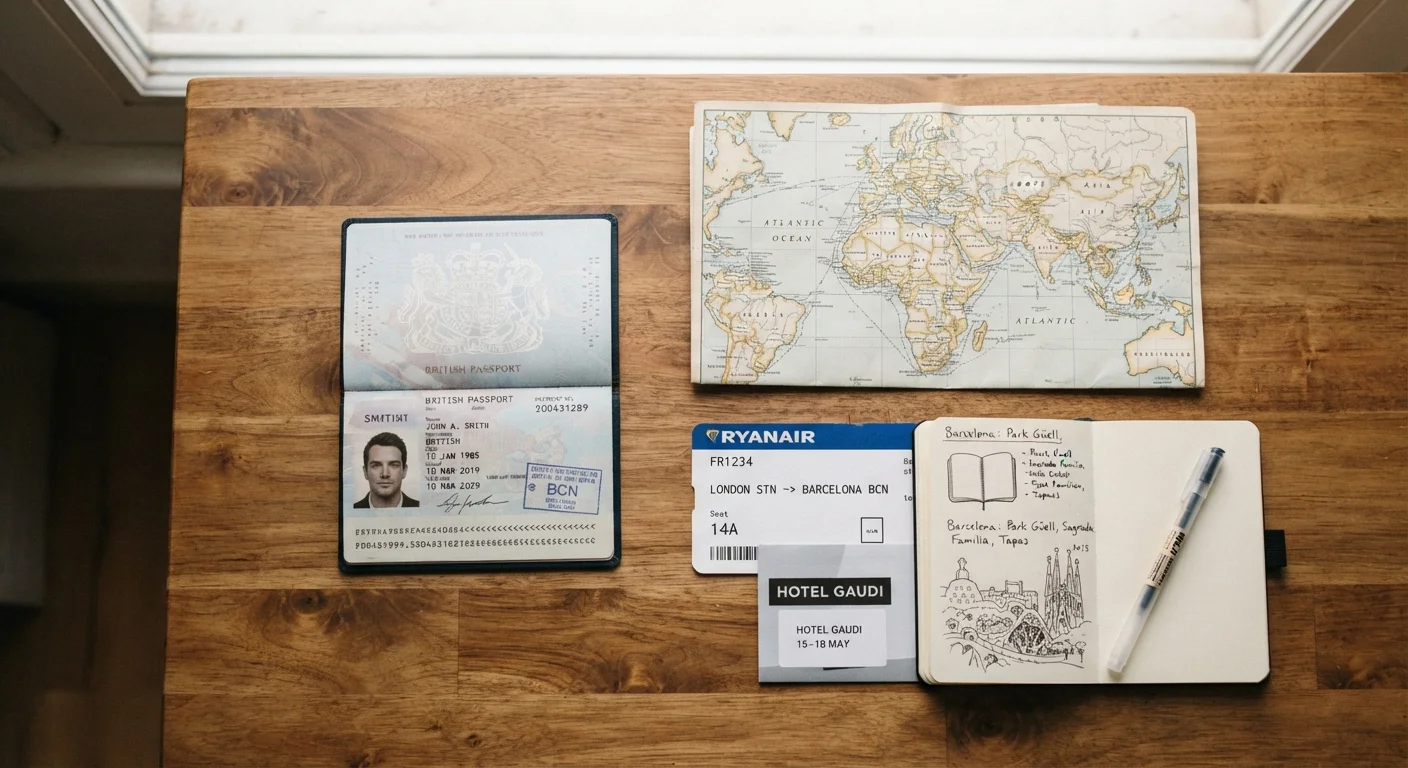
Why a Pre-Departure Checklist Is Non-Negotiable
The most stressful international travel moments almost always trace back to something that could have been caught at home. A passport with three months of validity. A bank card blocked for suspicious overseas activity. A visa requirement discovered at the check-in counter. First-time international travelers are particularly vulnerable to these gaps — not because they are careless, but because no one handed them a complete map of what to verify before departure.
This checklist is that map. It is organized by category so you can work through it methodically in the days and weeks before you leave, rather than in a last-minute scramble. Before you get to this stage, if you are still narrowing down where to go, see our destination selection guide for a structured approach to choosing your first international trip.
Never Skip Travel Insurance
Emergency medical treatment and medical evacuation abroad can cost tens of thousands of dollars — expenses your domestic health insurance is unlikely to cover. Travel insurance is one of the most consequential preparations you can make before an international trip. Review your policy carefully to confirm it includes the coverage types that matter most: medical emergencies, evacuation, trip interruption, and lost belongings.
What to Verify and When
Timing matters as much as the items themselves. Some tasks — renewing a passport, scheduling a travel medicine appointment, applying for certain visas — require weeks of lead time. Others, like notifying your bank or downloading offline maps, can be handled in the final 48 hours. Work through the checklist below category by category, starting with documents and health at least six to eight weeks before departure.
Documents & Entry Requirements
Travel Insurance & Health
Money & Banking
Logistics & Safety Prep
Packing & Airport Readiness
For a parallel look at budgeting before you depart, the pre-departure budget checklist walks through every cost category first-timers typically overlook. For a deeper dive into managing money once abroad — including ATM strategy and handling financial emergencies — see the complete travel money planning guide.
Tools That Make Preparation Easier
You do not need special software to prepare well, but a few reliable resources will save significant time and reduce the risk of relying on outdated third-party information.
U.S. State Department STEP Program
Register your trip so the nearest U.S. embassy can contact you during emergencies abroad.
Official Embassy or Consulate Website
Verify current visa requirements, entry rules, and travel advisories for your specific destination.
Travel Medicine Clinic
Get destination-specific vaccination and health recommendations from a qualified medical professional before departure.
Offline Mapping App
Download offline maps so you can navigate your destination city without relying on mobile data.
Encrypted Cloud Storage or Password Manager
Store digital copies of critical documents securely so they are accessible if originals are lost or stolen.
Passport Expiry Is a Common Boarding Denial
Many countries require your passport to be valid for at least six months beyond your planned departure date — not just the date you enter. Airlines are required to enforce destination entry rules, meaning you could be denied boarding at your home airport if your passport falls short. Check your expiry date immediately and allow several weeks to renew if needed, since processing times vary.
Entry Requirements Change Without Notice
Visa policies, vaccination requirements, and health declarations can be updated at any time. Information found on travel blogs or third-party sites may be outdated. Always verify entry requirements directly with the official embassy, consulate, or government immigration portal of your destination country before you travel.
Safety Preparation Beyond the Checklist
Documents and finances cover the administrative side of departure readiness. Safety preparation is a separate, equally important layer. Knowing your destination's emergency number, having a charged phone with a working data plan, and sharing your itinerary with someone at home are habits that create a safety net if anything goes wrong. Our staying safe hub covers essential safety practices in detail, and the safety preparation checklist is a useful companion to the document- and money-focused items here.
If you want to ensure your on-the-ground plans are as tight as your departure prep, the itinerary planning checklist covers transport, accommodation, activities, and backup plans in a single structured walkthrough.
Entry requirements, visa rules, vaccination recommendations, and travel advisories change regularly. Always verify current requirements with official government sources — including the U.S. State Department and the embassy or consulate of your destination country — before you travel. This checklist is for general informational purposes and does not substitute for professional medical, legal, or financial advice.