
How Your Onboard Account Is Set Up
Before your ship leaves port, every passenger must register a payment method to open their onboard account. You can typically do this during online check-in before embarkation day, or at the pier when you first board. The two accepted methods are a credit or debit card, which is preauthorized for a set amount, or a cash deposit, which acts as a prepaid balance you draw down as you spend.
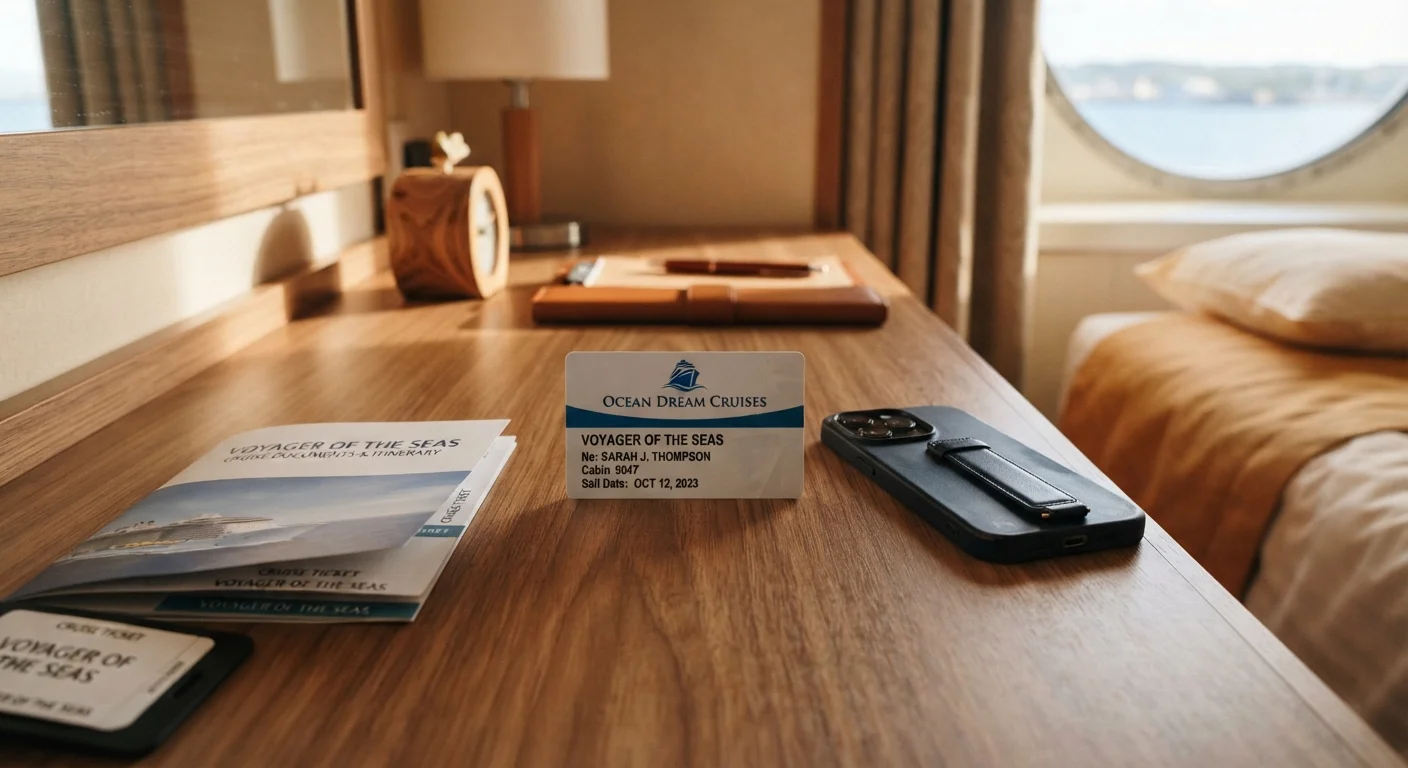
Once your account is open, your cabin keycard becomes your wallet for the entire voyage. Hand it to any crew member at a bar, restaurant, gift shop, or spa and they'll swipe or scan it to log the charge against your account - no PIN required in most cases. Think of it as a running tab you settle at the end of the trip rather than paying for each item individually.
Understanding what that tab will include is just as important as knowing how it works. See exactly what your fare covers and what won't to avoid surprises before you even board.
Debit Cards: A Note of Caution
Using a debit card to fund your onboard account is possible on most lines, but the preauthorization hold placed at check-in can temporarily reduce your available bank balance by a significant amount - sometimes several hundred dollars. If your debit account has a limited balance, this could cause issues with other transactions during the trip. A credit card avoids this problem, though it's worth checking whether your card charges foreign transaction fees.
Tracking and Managing Your Spending
One of the most practical habits for first-time cruisers is checking your onboard balance regularly. Most ships make this straightforward: your in-cabin TV usually has a "review charges" option, and many lines also offer a dedicated app. If neither is available, a quick visit to the guest services desk will get you a printed statement.
Pay particular attention to automatic charges. Most cruise lines add daily gratuities - often called a "service charge" or "hotel charge" - directly to every passenger's account. These amounts vary by line and cabin category, so factor them into your daily budget from day one. Learn about the charges that most often catch new cruisers off guard so you can plan accordingly.
Set a Daily Spending Benchmark
Before you board, divide your personal spending budget by the number of cruise days. Checking your onboard balance every evening and comparing it against that daily figure takes less than two minutes and gives you an early warning if spending is running ahead of plan. Small course corrections mid-cruise are far easier than confronting a large unexpected bill on the final night.
If you notice a charge you don't recognize, address it promptly at guest services rather than waiting until the final night, when lines are longest and resolution takes longer.
Settling Your Account Before You Disembark
Settlement almost always happens on the final evening of the cruise. If you registered a credit card, a final statement will be slipped under your cabin door overnight and your card will be charged automatically - no action needed from you unless you want to dispute something. If you paid a cash deposit, any amount left unspent is typically refunded in cash or to your original payment method, depending on the line's policy.
Guests who prefer to settle in person - to pay in cash, review charges face-to-face, or split a bill across multiple cards - should visit guest services early on the last day rather than waiting until departure morning, when queues can be long. Bring any receipts you collected during the voyage; they make it much easier to cross-reference charges.
For context on how onboard spending compares to managing money in the ports you'll visit, review the trade-offs between cash and cards abroad before your trip.
$100-$150
Typical daily onboard spend per person
Industry observers generally estimate average per-person onboard spending in this range, though it varies widely by itinerary, ship category, and individual habits.
$14-$20
Common daily gratuity range per person
Most mainstream cruise lines apply an automatic daily service charge per guest; the exact amount varies by line and cabin type.