Where Travel Safety Myths Come From
First-time travelers absorb safety information from a chaotic mix of sources — viral social media posts, dramatic news coverage, and well-meaning but outdated advice from people who haven't visited a destination in decades. The result is a distorted picture where every unfamiliar place feels like a gauntlet and every local is a potential threat.
That distortion has real costs. It steers people away from rewarding destinations, pushes them into unnecessary and sometimes counterproductive defensive behaviors, and replaces manageable preparation with generalized dread. The myths below are among the most persistent — and the most worth correcting before you pack a single bag. For a broader look at how misconceptions shape destination choices, see our guide to destination myths.
Myth
Everywhere is dangerous after dark, so you should stay in your hotel room once the sun goes down.
Fact
Nighttime risk varies enormously by location, neighborhood, and activity — a blanket curfew is neither necessary nor realistic in most destinations.
This myth treats all post-sunset hours the same regardless of where you actually are. Many of the world's most visited cities have vibrant, well-populated evening cultures where restaurants, public squares, and transit run safely late into the night. Risk is neighborhood-specific, not city-wide. The practical step is simple: research the specific area you'll be in, ask your accommodation staff which streets to avoid at which hours, and apply the same awareness you would at home. Locking yourself in at dusk means missing a large part of what travel offers — and it isn't necessary to stay safe.
Myth
You need to hide cash in your shoes, use a decoy wallet, and distribute money across every pocket to protect yourself.
Fact
These elaborate systems often create more confusion than protection and can actually draw attention. A few straightforward habits are more effective.
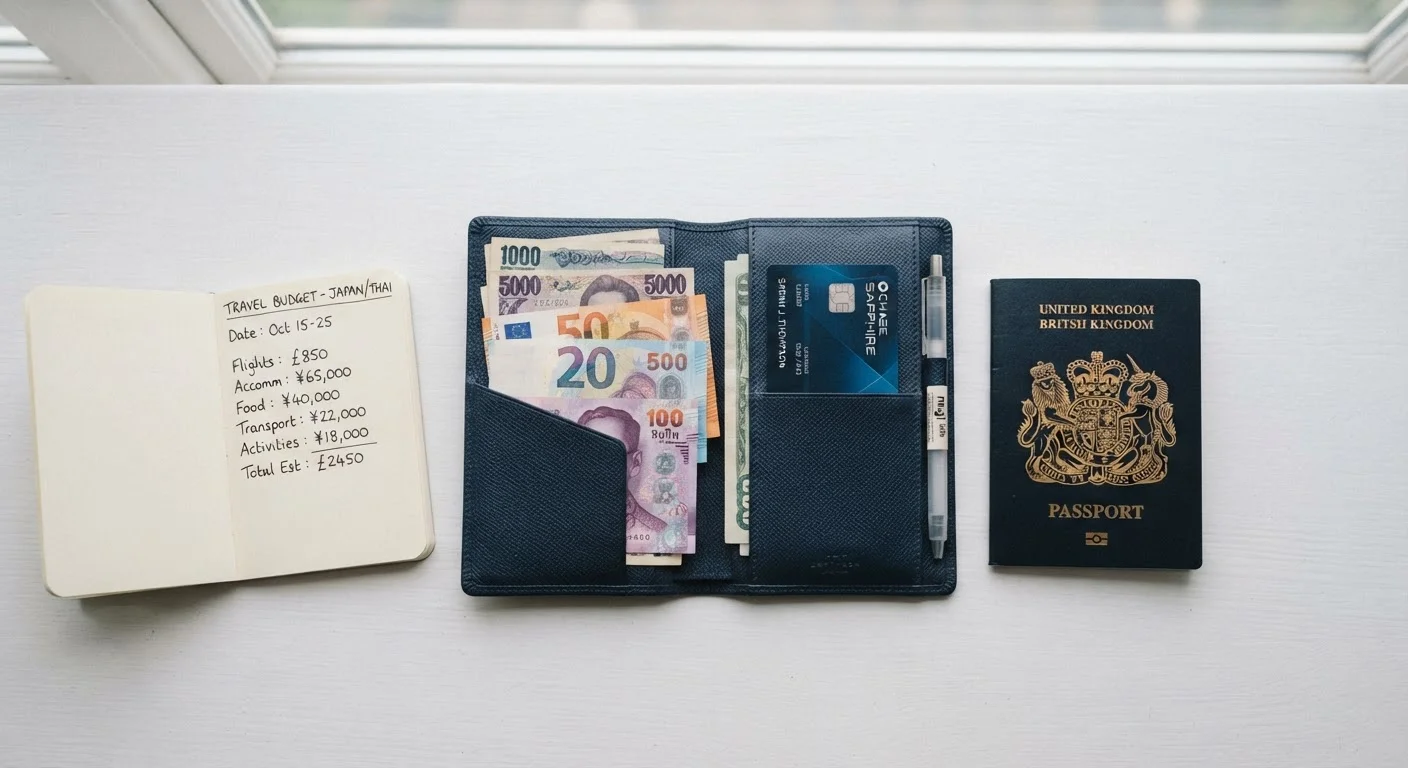
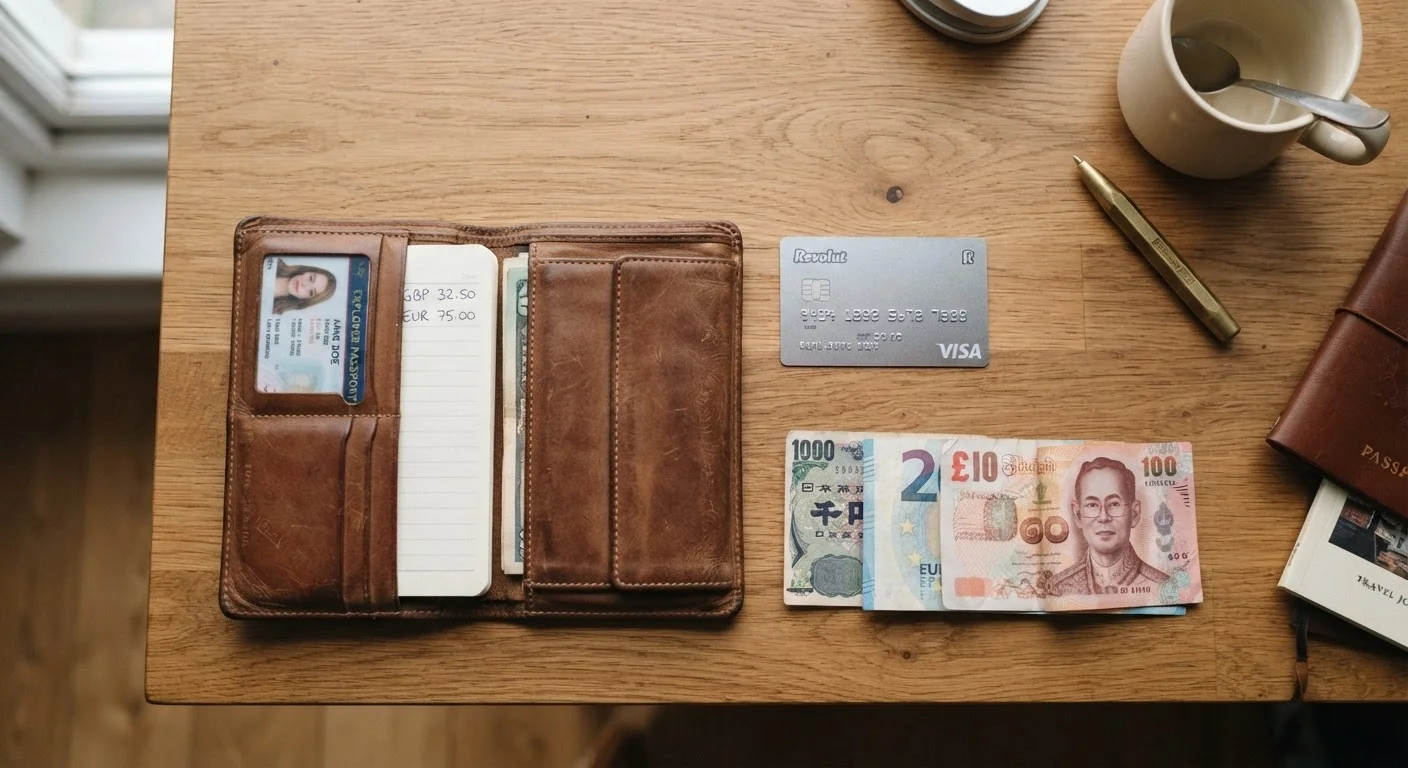
The decoy wallet is a staple of travel forum advice, but consider what it actually involves: carrying two wallets, remembering which is which under stress, and handing over a fake in a confrontation — which can escalate a situation rather than defuse it. A more reliable approach is to carry only what you need for the day, use a front pocket or a simple crossbody bag with a zipper, and keep a backup card and some emergency cash in a separate compartment of your luggage back at the hotel. That's it. No shoe money required.
Myth
Solo travel — especially for women — is inherently more dangerous than group travel.
Fact
Millions of solo travelers, including women, navigate destinations around the world safely every year. Risk depends far more on preparation and behavior than on group size.
Solo travel has real trade-offs, but higher danger isn't automatically one of them. What solo travelers lack in a companion they often gain in flexibility and heightened attentiveness. The meaningful precautions are practical: share your itinerary with someone at home, check in regularly, research your destination's specific considerations in advance, and trust accommodation and transport with solid reputations. Our article on what destination safety really means explores how safety assessments should be tailored to your own circumstances rather than applied as a universal rule.
Myth
If you dress and act like a local, you won't be targeted.
Fact
Blending in perfectly as a visitor is nearly impossible, and attempting it is less useful than projecting calm confidence.
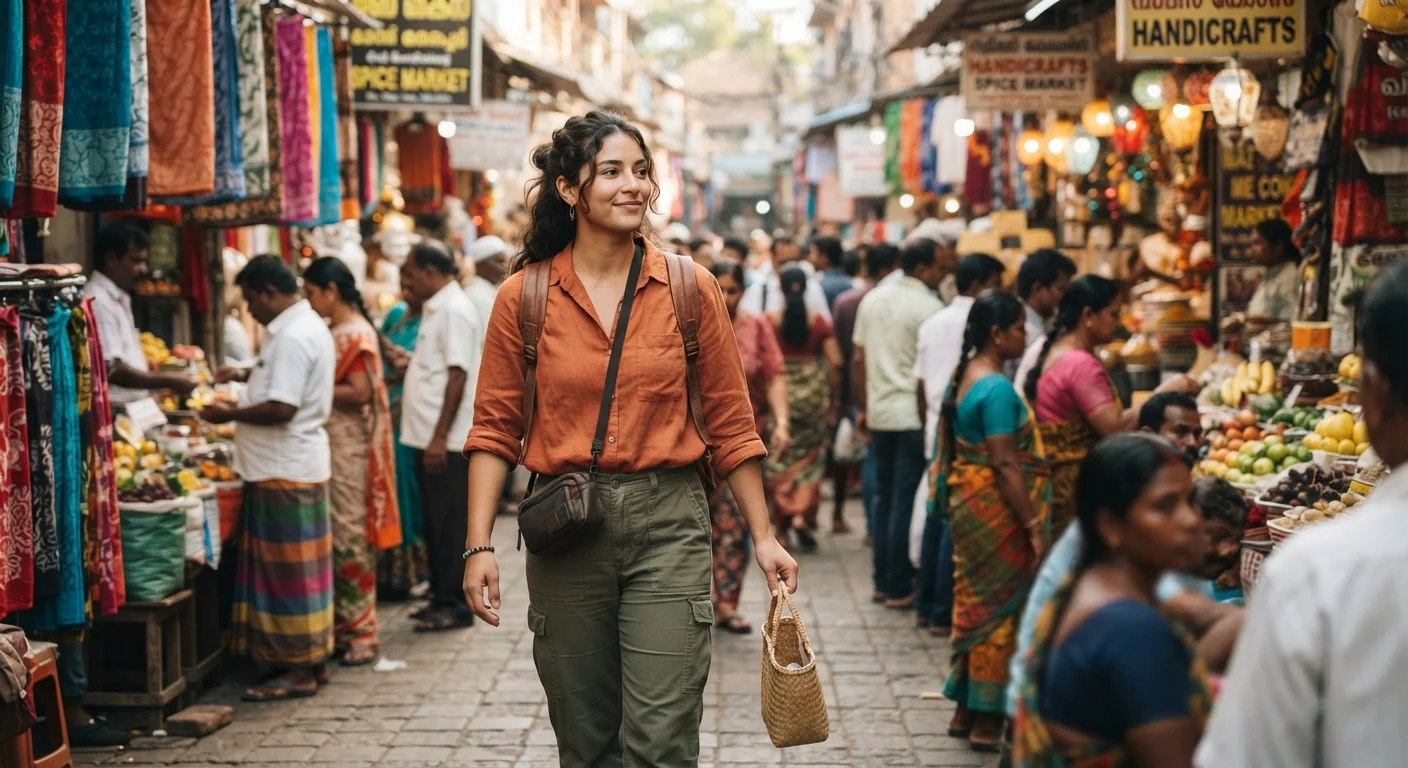
Experienced opportunistic thieves — the most common threat most tourists face — aren't primarily scanning for tourist-looking clothing. They're looking for distraction, confusion, and vulnerability: someone wrestling with a map in a crowded station, someone visibly flustered, someone with a bag hanging loosely open. Walking with purpose, keeping belongings secured, and not broadcasting expensive electronics matters far more than your outfit. Trying too hard to disguise yourself can itself signal that you're anxious and unfamiliar — the opposite of the effect you want.
Myth
A Level 2 travel advisory means the State Department is telling you not to go.
Fact
Level 2 — 'Exercise Increased Caution' — is the advisory level for a large number of popular, widely-visited countries. It means be aware, not stay home.
The U.S. State Department uses a four-level advisory system. Level 1 is normal precautions; Level 2 means increased caution; Level 3 is 'Reconsider Travel'; Level 4 is 'Do Not Travel.' Many destinations that attract millions of American visitors annually sit at Level 2 for reasons that may not affect typical tourist areas at all. Reading the full advisory — which breaks down risk by region and type — gives you a far more accurate picture than the headline level alone. Always check the State Department's official website for current, detailed advisories before making decisions.
What Practical Safety Actually Looks Like
Stripping away the myths leaves room for precautions that genuinely work. Before departure, register your trip with the U.S. Department of State's free STEP program (Smart Traveler Enrollment Program) so the nearest embassy can reach you in a real emergency. Make digital and physical copies of your passport, store them separately from the original, and share copies with someone at home.
On the ground, the behaviors that reduce risk most are unglamorous: staying aware of your immediate surroundings, keeping your phone out of sight in crowded areas, using ATMs attached to bank branches rather than standalone machines in low-traffic spots, and trusting regulated transportation options. None of these require elaborate disguises or constant vigilance — they require the same low-level attentiveness you'd apply in an unfamiliar part of your own city.
Don't Let Myth-Busting Create Overconfidence
Correcting exaggerated fears doesn't mean dismissing real ones. Petty theft is common in tourist-heavy areas of many cities, and distraction-based scams do exist. The goal is calibrated awareness — neither paralyzed anxiety nor breezy inattention. Knowing which risks are realistic in your specific destination is more useful than either blanket fear or blanket dismissal.
For a thorough, grounded walkthrough of on-the-road safety habits, our article on personal safety while traveling covers situational awareness and emergency preparation without the fear-mongering. And if financial precautions are on your mind too, travel money myths tackles the widespread beliefs that quietly drain travelers' budgets.
This article provides general travel safety information for educational purposes only. Conditions vary by destination and change over time. Always verify entry requirements, local laws, and safety conditions through official government sources — including the U.S. Department of State travel advisories — before you travel.