
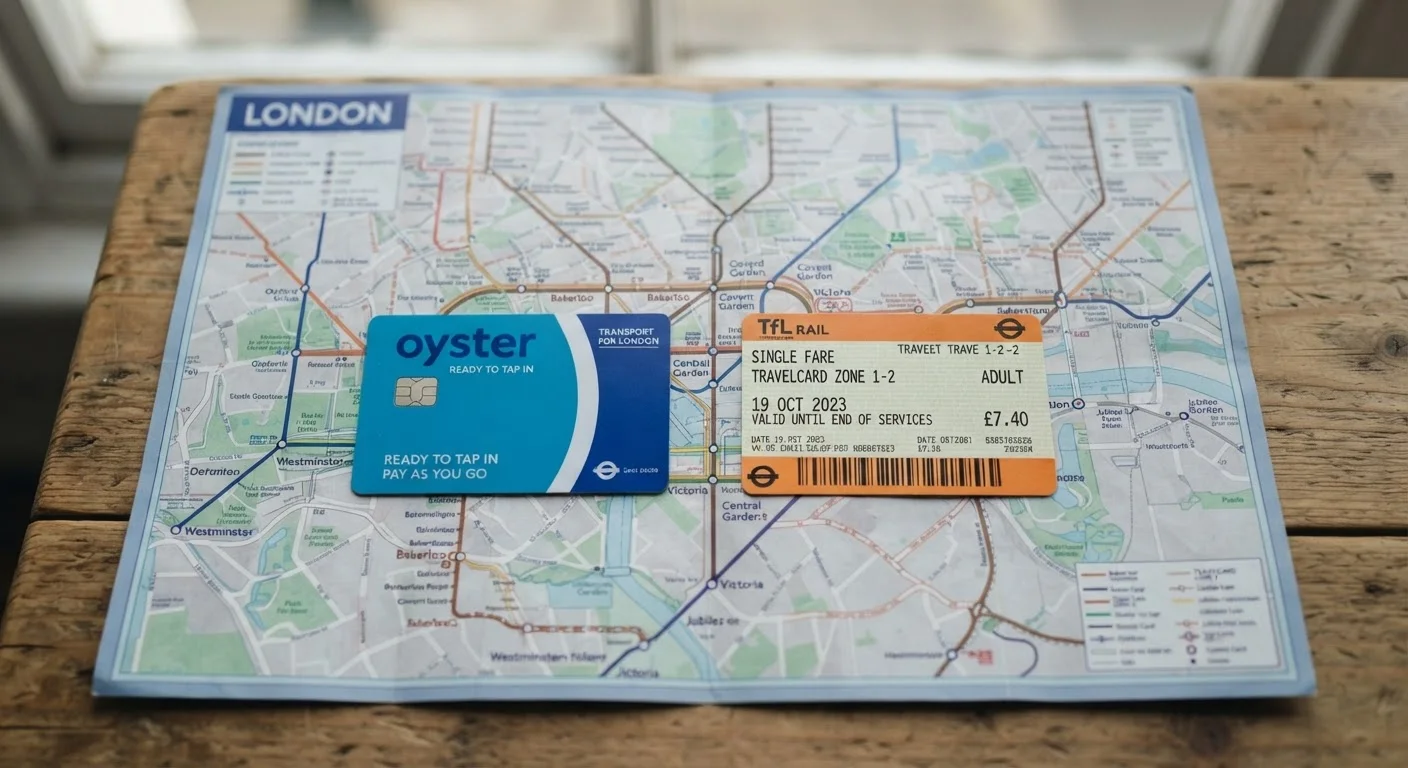
Understanding How Each Option Is Priced
Before comparing costs, it helps to understand the underlying pricing logic. A single-journey ticket charges you per ride — sometimes per zone or per distance traveled. Each trip is a separate transaction. A multi-day transit pass charges a flat fee covering unlimited rides across a defined period, often 24 hours, 48 hours, 72 hours, or 7 days.
Transit authorities design passes expecting tourists to use them heavily. That means the break-even point — the number of single fares you'd need to buy to equal the pass price — is built into the product. In many major cities, that threshold sits at roughly three to five single rides per day. If you ride fewer than that, you're effectively subsidizing other passengers' transit costs.
Understanding the payment landscape at your destination also matters. Contactless cards, transit cards, and paper tickets work very differently by city, and in some systems a tap-to-pay bank card already applies automatic daily fare caps — making a separate pass unnecessary.
| Criterion | Single-Journey Ticket | Multi-Day Transit Pass |
|---|---|---|
| Cost structure | Per ride (or per zone) | Flat fee for a set period |
| Best trip length | 1–2 days, light use | 3+ days, heavy daily use |
| Upfront cost | Low per transaction | Higher upfront, lower per ride |
| Flexibility | High — pay only when you ride | Low — you pay whether you ride or not |
| Airport line coverage | Usually included | Varies by city — verify first |
| Ease of use | Queue each time at machine | Buy once, tap repeatedly |
| Refundability | Unused tickets sometimes refundable | Rarely refundable once activated |
How to Calculate Your Personal Break-Even Point
The math is straightforward. Divide the pass price by the single-journey fare for that city to find how many rides you need to make the pass worthwhile.
- Step 1: Look up the standard single-journey fare for the city's metro or bus system before you travel.
- Step 2: Find the price of the pass covering your stay duration.
- Step 3: Divide pass price ÷ single fare = break-even ride count.
- Step 4: Estimate your realistic daily rides — airport arrival, accommodation, sightseeing stops, dinner, return.
If your estimated total rides across the trip exceed the break-even count, the pass wins. If not, single tickets keep more money in your pocket. Factor this into your overall daily spending estimates — our guide on estimating daily travel costs walks through how to research realistic figures for any destination.
3–5
Daily rides typically needed to break even on a transit pass
This threshold varies by city, but most major tourist-oriented transit systems price day passes to become cost-effective at around three to five single-journey equivalents per day.
~30%
Typical savings with a weekly pass vs. equivalent single fares
In cities where both options are available, weekly passes often represent approximately 25–35% savings compared to buying individual tickets for the same number of journeys, though this varies considerably by operator.
Hidden Variables That Change the Calculus
Raw fare math doesn't tell the whole story. Several factors can tilt the decision either way.
Pass validity windows
A "24-hour pass" in many cities begins from first use and expires exactly 24 hours later — not at midnight. A "1-day pass" may expire at midnight regardless of when you activated it. If you buy a pass at 8 p.m., you might get only four hours of valid use. Read the fine print before purchasing.
Airport line coverage
Some city passes explicitly exclude express airport lines, which carry a surcharge. Others include them, which can single-handedly justify the pass price. Confirm coverage before assuming the pass covers your arrival ride.
Fare caps on contactless systems
Cities including London and Sydney operate automatic daily and weekly fare caps on contactless bank cards. Once you've spent the cap equivalent, further rides that day are free — with no pass required. If your card is compatible, this removes the pass decision entirely.
Multi-city itineraries
If you're moving between several cities on one trip, a pass in each city may mean buying days you don't fully use. Transit cost structures shift significantly by trip type, and a multi-city journey usually favors single tickets unless you're spending at least three full days per stop.
Making the Final Call Before You Travel
The single most useful habit is doing the calculation before you arrive, not at the ticket machine with a queue behind you. Here's a practical checklist:
- Identify the transit operator's official website and note both single-fare and pass prices.
- Map out your likely daily itinerary and count the transit legs honestly — many first-time travelers underestimate how much they'll walk.
- Check whether your debit or credit card supports contactless fare capping on that city's network.
- Confirm whether the pass covers the airport line and any suburban or regional trains you plan to use.
- Factor in any non-transit perks — some tourist passes bundle museum discounts that shift the value equation.
If you're managing transit costs across different currencies on a single multi-country trip, see our guidance on managing money across multiple countries to avoid unnecessary conversion fees when topping up transit cards abroad. And for a closer look at how buses and metros compare in terms of speed and convenience — beyond cost — the city bus vs. metro guide can help you pick the right mode before you commit to any fare product.
Validity Windows Vary More Than You'd Expect
Not all multi-day passes are measured the same way. Some cities count calendar days (midnight to midnight), while others run passes for exactly 24, 48, or 72 hours from first activation. A pass bought at 6 p.m. on a calendar-day system may give you only a few hours of use that first day. Always activate your pass at the start of your first full travel day to maximize its value.