What Makes Shore Days and Sea Days Different
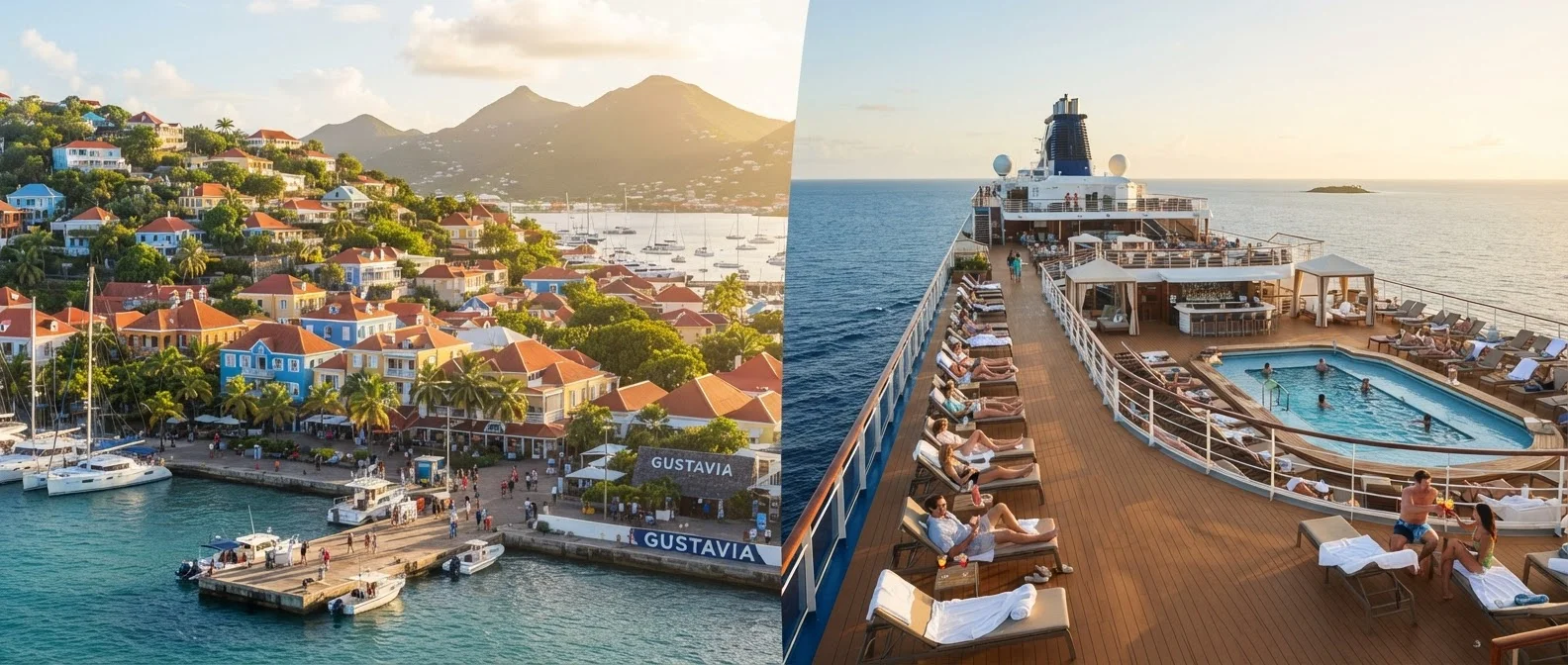
A cruise itinerary is built around two fundamental types of days: shore days (also called port days), when the ship docks or anchors near a destination so passengers can go ashore, and sea days, when the ship is underway with no port stop scheduled. Understanding how each type functions helps you plan your energy, your spending, and your expectations. For a deeper look at how cruise lines structure these elements, see how cruise itineraries are structured.
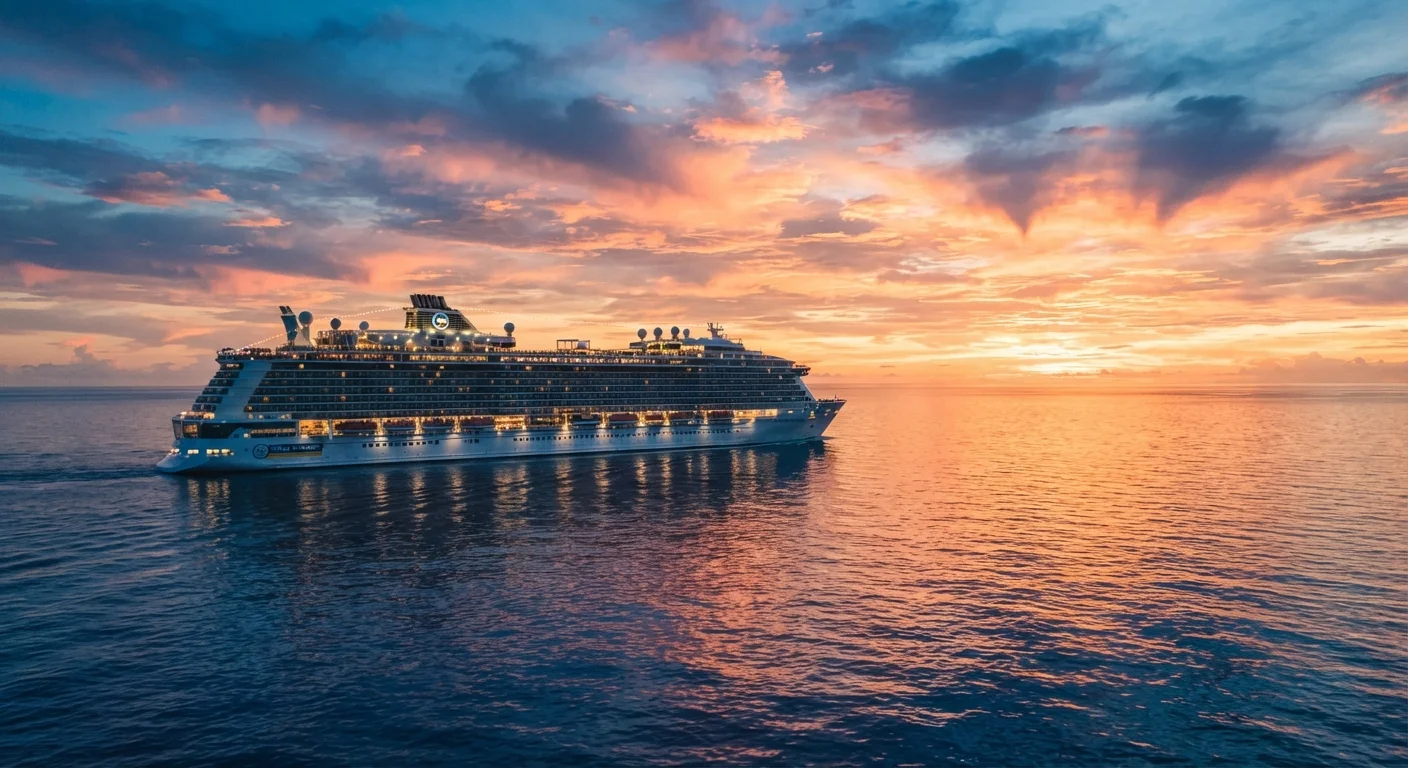
The practical difference is significant. On a shore day, the ship typically arrives in port in the morning and departs in the afternoon or evening - giving passengers a defined window ashore. On a sea day, the ship is your world, and the full range of onboard programming, dining venues, and deck spaces opens up for unhurried exploration.
| Shore Days | Sea Days | |
|---|---|---|
| Primary activity | Exploring ports and destinations | Onboard amenities and programming |
| Pacing | Time-bound; ship departure is fixed | Flexible; no external deadlines |
| Spending tendency | Higher (excursions, meals ashore, shopping) | Lower (prepaid onboard credits go further) |
| Planning required | Advance research strongly recommended | Light planning; daily program sufficient |
| Energy demand | Higher - walking, heat, logistics | Lower - rest and leisure-oriented |
| Best for | Cultural immersion and sightseeing | Recovery, relaxation, and onboard discovery |
Making the Most of Shore Days
Port days move fast. Ships operate on a fixed schedule, and every passenger must be back on board before the ship departs - a deadline the crew enforces without exception. Missing it means making your own way to the next port at your own expense, so knowing your all-aboard time (listed in the daily program and posted near the gangway) is non-negotiable.
Beyond timing, the key to a good shore day is choosing the right level of structure for your personality. Organized excursions - either booked through the cruise line or through independent operators - remove logistics from your plate. Exploring independently gives you more flexibility but more responsibility. Both approaches have real trade-offs; weighing your port day options before you sail helps you decide which suits each stop on your itinerary. For a closer look at the booking process itself, see booking excursions through the ship vs. going independent.
Never Rely on the Ship to Wait
Cruise ships operate on strict schedules dictated by port authorities, tidal windows, and subsequent port commitments. The ship will sail without you if you miss the all-aboard time - this is not a scare tactic but a routine occurrence on busy itineraries. Always set a phone alarm for at least 60 minutes before departure, and build buffer time into any independent shore excursion, especially if it involves transportation you don't fully control.
Making the Most of Sea Days
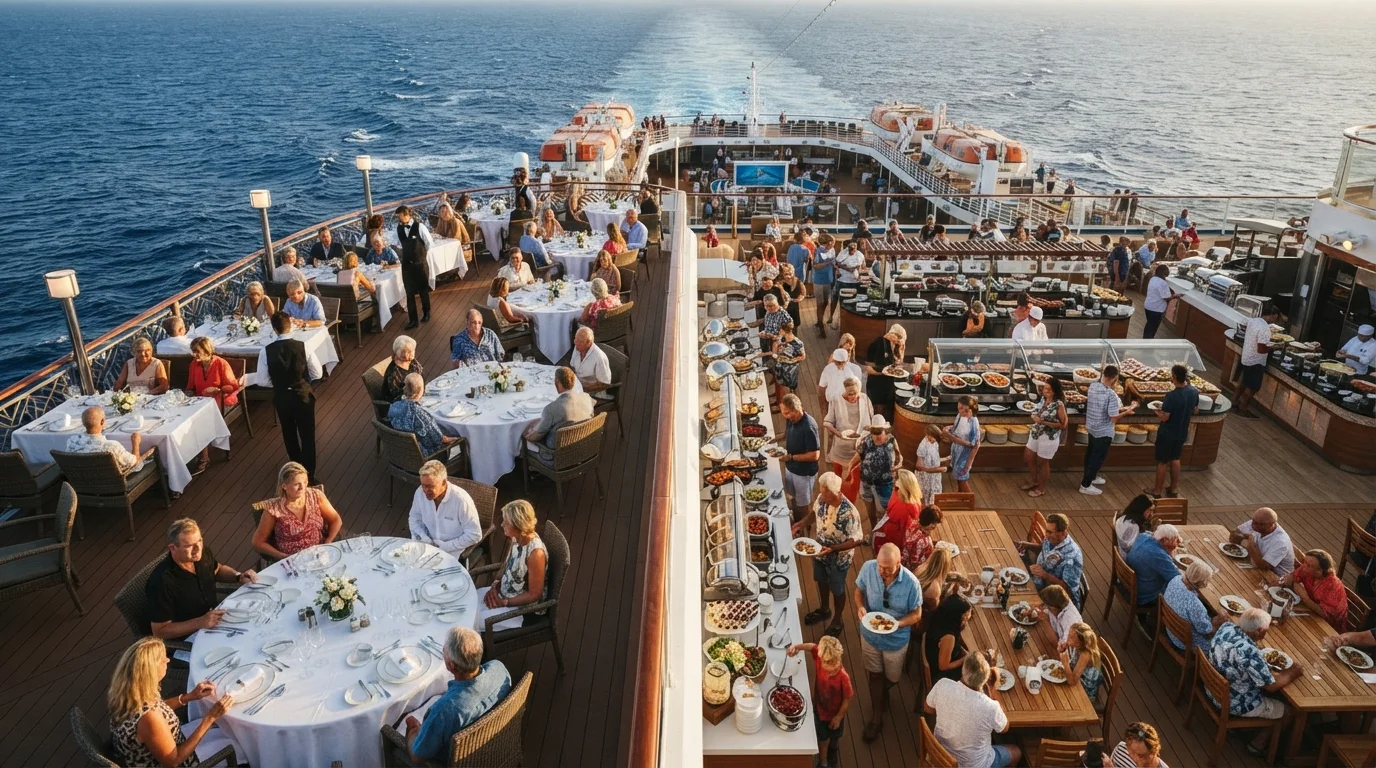
Sea days catch many first-timers off guard. Without a port destination to focus on, it can be tempting to treat the day as downtime by default - which is fine if rest is what you need. But most large ships offer a genuine schedule of activities: cooking demonstrations, trivia, fitness classes, enrichment lectures, live music, and more. Checking the daily program the evening before lets you pick one or two anchors for your day without over-scheduling yourself.
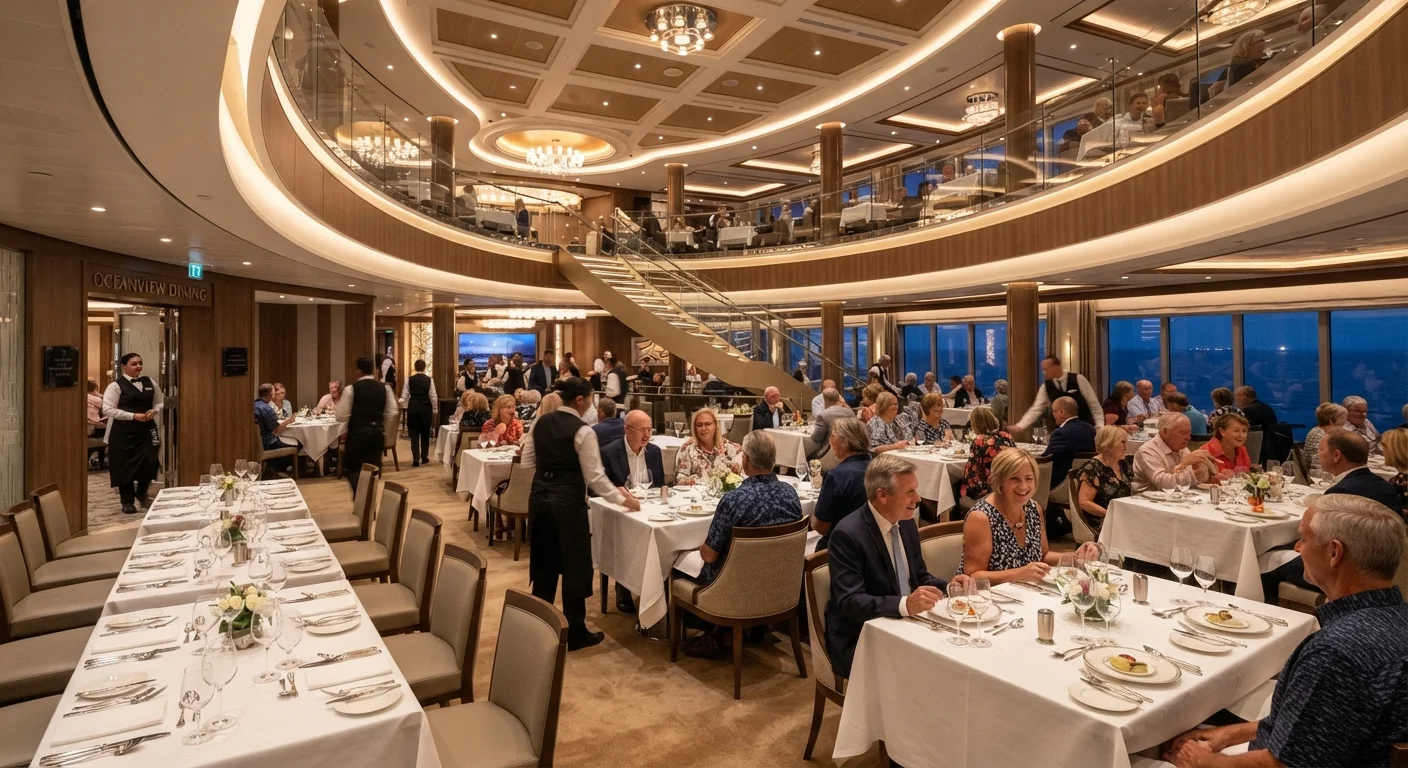
Mealtimes also feel different on sea days. Specialty dining venues are less crowded at midday, pool decks fill earlier, and the spa often offers reduced-rate appointments. These are genuine perks that port-day passengers frequently miss. For practical strategies on structuring onboard time, see getting the most out of sea days onboard.
Use Sea Days to Prepare for Ports Ahead
Sea days that fall before a port stop are ideal for light research - reviewing the port layout, confirming your all-aboard time, and deciding whether you want a structured excursion or independent time ashore. Most ships have destination guides available through their app or guest services desk. Ten minutes of preparation the evening before a port day can make the entire experience feel more relaxed and deliberate.
Balancing Both Across a Full Itinerary
Most first-time cruisers assume more port days means a better trip. In practice, a heavily port-intensive itinerary can leave passengers exhausted by day four, spending heavily ashore each day and missing the onboard experience they paid for. Conversely, too many sea days in a row can feel repetitive for travelers who crave new scenery.
A useful mental model: treat shore days as your outward investment of energy and sea days as your recovery and recharge. Itineraries that alternate between the two tend to produce the most satisfying overall experience. If you're still deciding which ratio suits your travel style, finding the right port-to-sea-day balance covers this trade-off in detail. You can also explore the broader plan a cruise hub for step-by-step guidance on choosing an itinerary that fits your pace.
2-3
Average sea days per 7-night Caribbean cruise
Industry itinerary data suggests most week-long Caribbean sailings include roughly two to three full sea days alongside port stops.
~30%
of cruise passengers who miss port activities due to fatigue
Cruise industry passenger surveys have noted that a significant portion of travelers on port-intensive sailings skip at least one planned shore activity due to exhaustion.