The Main Dining Room: Your Default Evening Venue
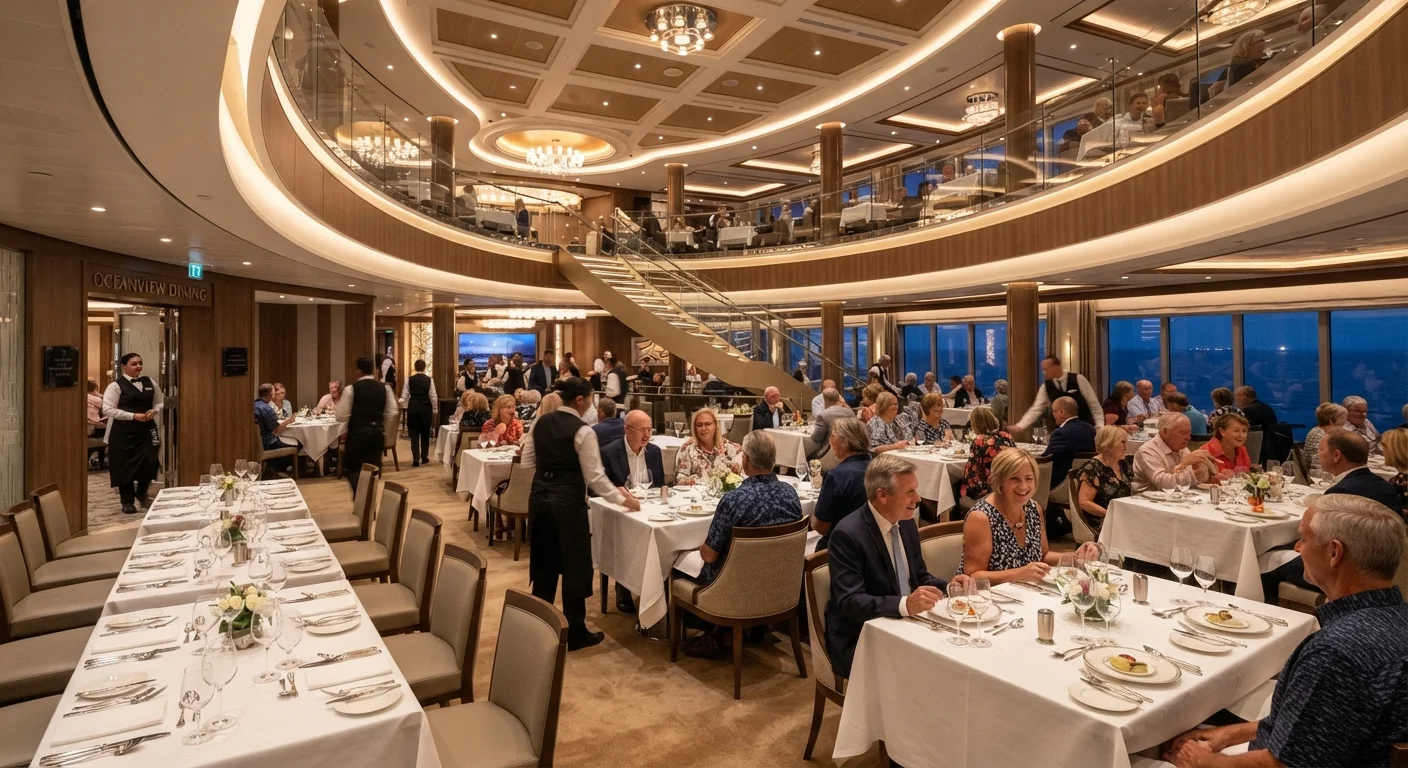
Every mainstream cruise ship has at least one main dining room (sometimes called the MDR), and it is the cornerstone of included dining. This is a full-service restaurant where waitstaff bring multi-course meals to your table - appetiser, entrée, dessert, and everything in between. The menu changes nightly and typically reflects a mix of international cuisines alongside familiar comfort food.
The key thing to understand about the main dining room is how sittings work. Ships generally offer one of two systems:
- Fixed sittings: You are assigned an early or late dinner time (often around 6:00 PM and 8:30 PM) and the same table every night. This suits travelers who like routine and enjoy getting to know fellow passengers.
- Flexible or open seating: You arrive during a dining window and are seated at the next available table. This works well if your evenings vary based on ports or shows.
Some ships blend both systems, so clarify which applies to your sailing before departure. Your dining assignment is usually confirmed in your booking documents or cabin paperwork.
Request Dietary Needs Early
If you have dietary restrictions - vegetarian, vegan, gluten-free, or allergen-related - notify the cruise line when booking or at least a few weeks before sailing. Main dining room teams can prepare alternative dishes in advance when given adequate notice. Mentioning your needs again on the first evening with your waiter reinforces the arrangement.
The Buffet: Casual, Convenient, and Always Open (Almost)
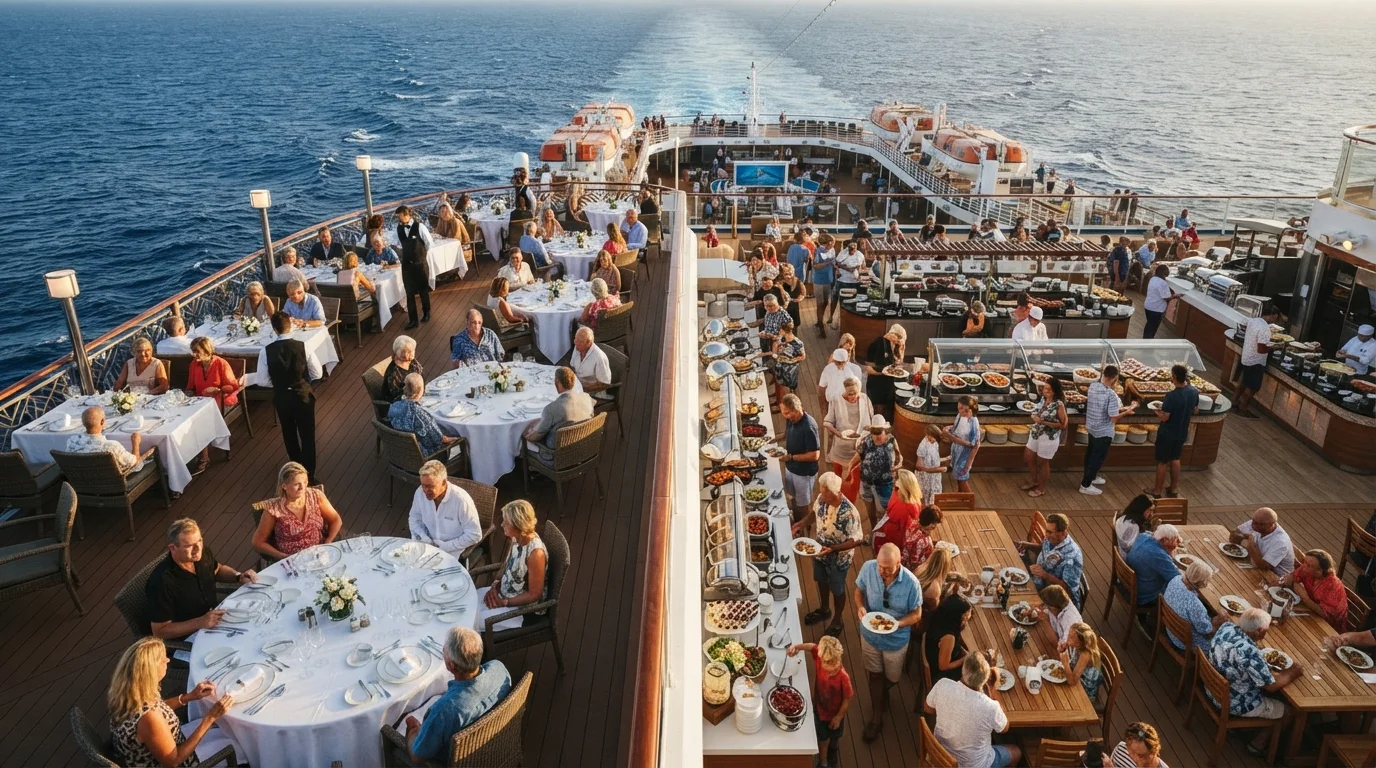
The buffet - often called the Lido deck restaurant or marketplace - is the go-to for casual meals at flexible hours. It handles breakfast and lunch particularly well, offering a wide spread of hot and cold options without requiring you to be seated by a specific time. Many ships keep the buffet open well into the evening as an alternative to the main dining room.
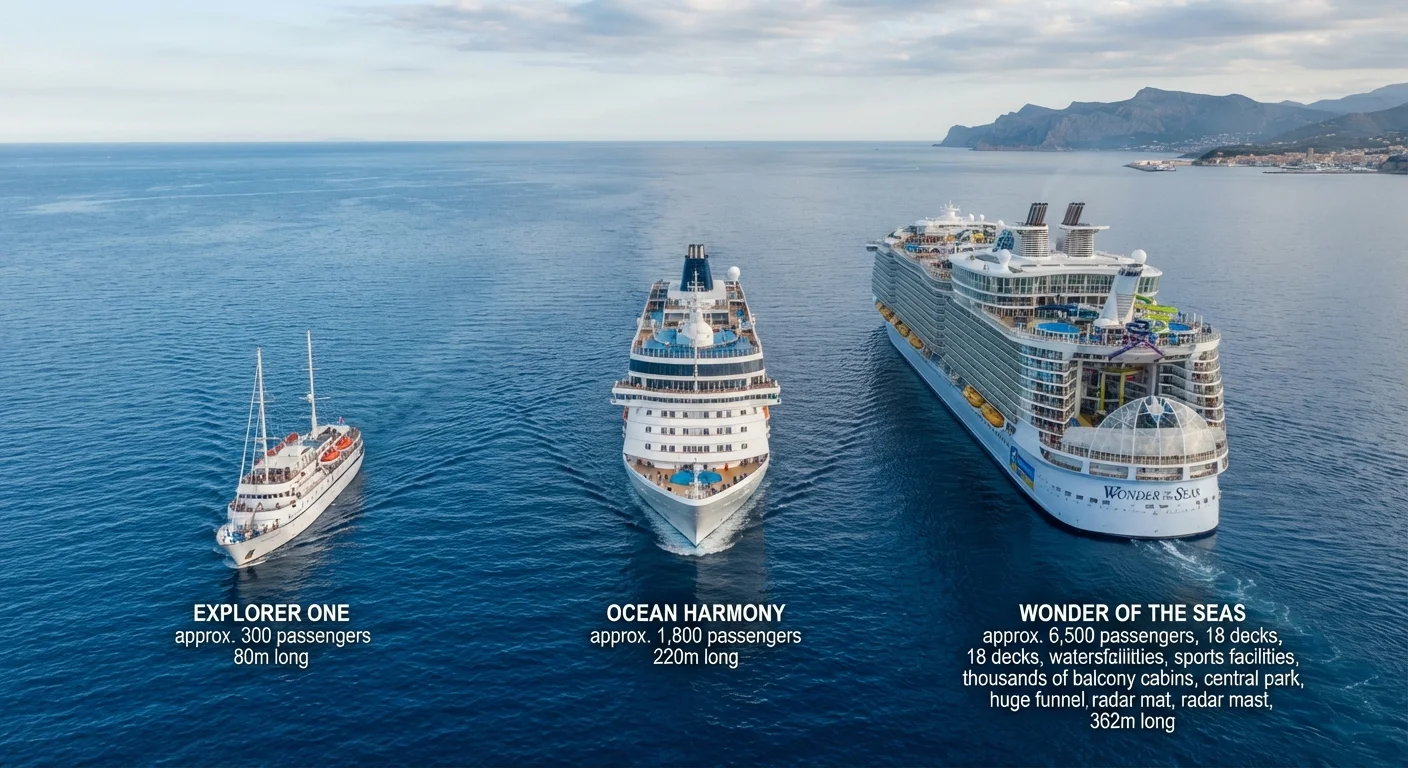
Buffets on larger ships can be vast, spanning multiple stations for different cuisines, live cooking, and dedicated allergy-friendly sections. On smaller ships, the buffet may be more compact but still comprehensive. Ship size shapes the buffet experience considerably - a mega-liner might have a dozen live stations, while a boutique vessel may offer a curated selection.
Buffets are included in your fare. Be mindful of food safety practices at peak times, and review our guidance on pacing your meals wisely at sea.
Buffet Hours Vary by Ship and Day
Buffet operating hours can differ between sea days and port days, and some ships scale back late-night options on embarkation day. The most reliable way to check current hours is the daily schedule delivered to your cabin each evening or the ship's mobile app if one is available.
Specialty Restaurants: Worth the Extra Cost?
Most mid-size and large cruise ships feature one or more specialty restaurants - premium dining venues with focused menus, smaller settings, and a more attentive service ratio. Common formats include steakhouses, Japanese-inspired restaurants, Italian trattorias, and immersive chef's table experiences. These venues charge a supplement, either as a flat per-person cover charge or priced per dish.
If you plan to visit more than one specialty restaurant across a multi-night voyage, a dining package (purchased before sailing) can be more economical than paying per visit. Packages are typically sold in bundles of two, three, or five nights. That said, the value depends entirely on your own dining habits - if you prefer the main dining room most evenings, a package may not pay off.
Reservations are strongly recommended and often essential; popular venues fill up quickly, especially on sea days. Many cruise lines allow you to book specialty dining before you board through their website or mobile app.
3-20+
Dining venues on a typical large cruise ship
The number of onboard restaurants and food outlets varies widely with ship size; mega-ships can exceed 20 distinct venues.
$25-$60
Typical specialty restaurant cover charge per person
Per-person supplement fees for specialty restaurants vary by ship and cuisine type; chef's table experiences often cost more.
~70%
Passengers who eat at specialty restaurants at least once
Industry surveys suggest a majority of cruisers try at least one specialty restaurant during a 7-night sailing, though figures vary by ship class.
Room Service, Snacks, and Everything In Between
Beyond the main venues, cruise ships offer several ways to eat outside structured meal times. Room service is available on virtually all ships, typically running 24 hours. Continental breakfast deliveries are often complimentary; full menu orders or late-night requests may incur a delivery charge. The menu is usually simpler than the dining room but practical for early port days or low-key evenings in your cabin.
Many ships also operate dedicated casual outlets - poolside grills, pizza counters, taco bars, and grab-and-go sandwich stations - that bridge the gap between formal dining times. These are almost always included in your fare and serve as a practical option when you return from a port excursion and want something quick before the dining room opens.
Keeping track of what you spend at charged venues is straightforward thanks to the ship's cashless account system. See how that works in our guide to the cruise card system. For a full picture of daily life aboard, the Onboard Life hub covers everything from entertainment to cabin types.