Why These Myths Matter for First-Timers
A surprising number of people rule out cruising entirely based on impressions that haven't been accurate for decades. Whether it's a mental image of deck chairs filled exclusively with retirees or a vague fear of being stranded at sea with nothing to do, these misconceptions carry real consequences: first-timers miss out on a style of travel that, for many people, turns out to be an ideal introduction to international destinations.
Myths about travel costs can derail planning in similar ways - see our guide to travel budget myths for a broader look at how misconceptions inflate anxiety before a trip even starts. Here, we focus specifically on what's wrong about common cruise assumptions - and what the reality actually looks like.
Myth
Cruises are only for older retirees.
Fact
Modern cruise lines actively cater to families, couples in their 20s and 30s, solo travelers, and multigenerational groups.
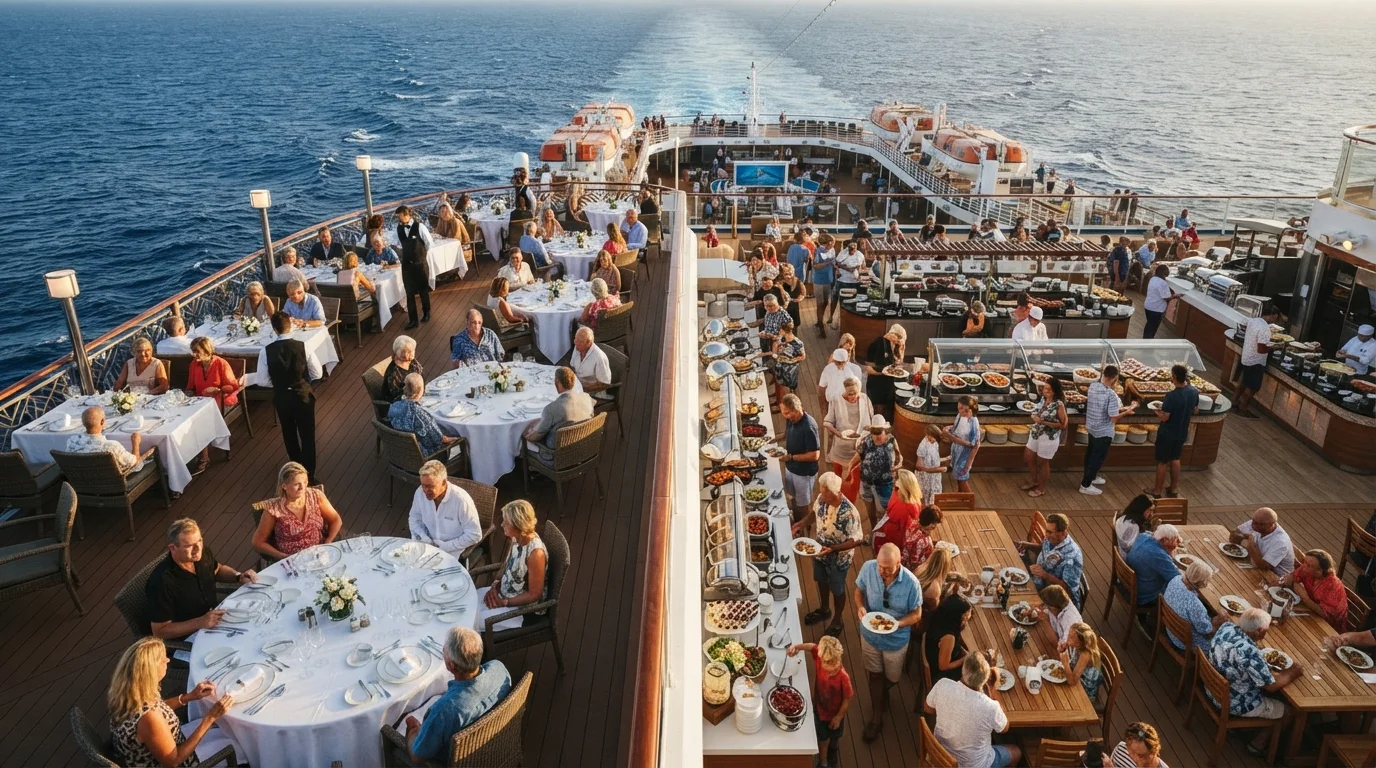
The retiree stereotype stems from cruising's earlier era, when ships were slower, itineraries limited, and the demographic skewed older. Today's market is far more varied. Many ships have dedicated kids' clubs, teen programming, late-night entertainment, and active excursions like zip-lining or kayaking that have nothing to do with a shuffleboard court. The passenger mix on any given sailing depends heavily on the ship type, cruise line, and itinerary - a 7-night Caribbean sailing will look very different from a transatlantic voyage.
Myth
There's nothing to do on a ship - you'll be bored at sea.
Fact
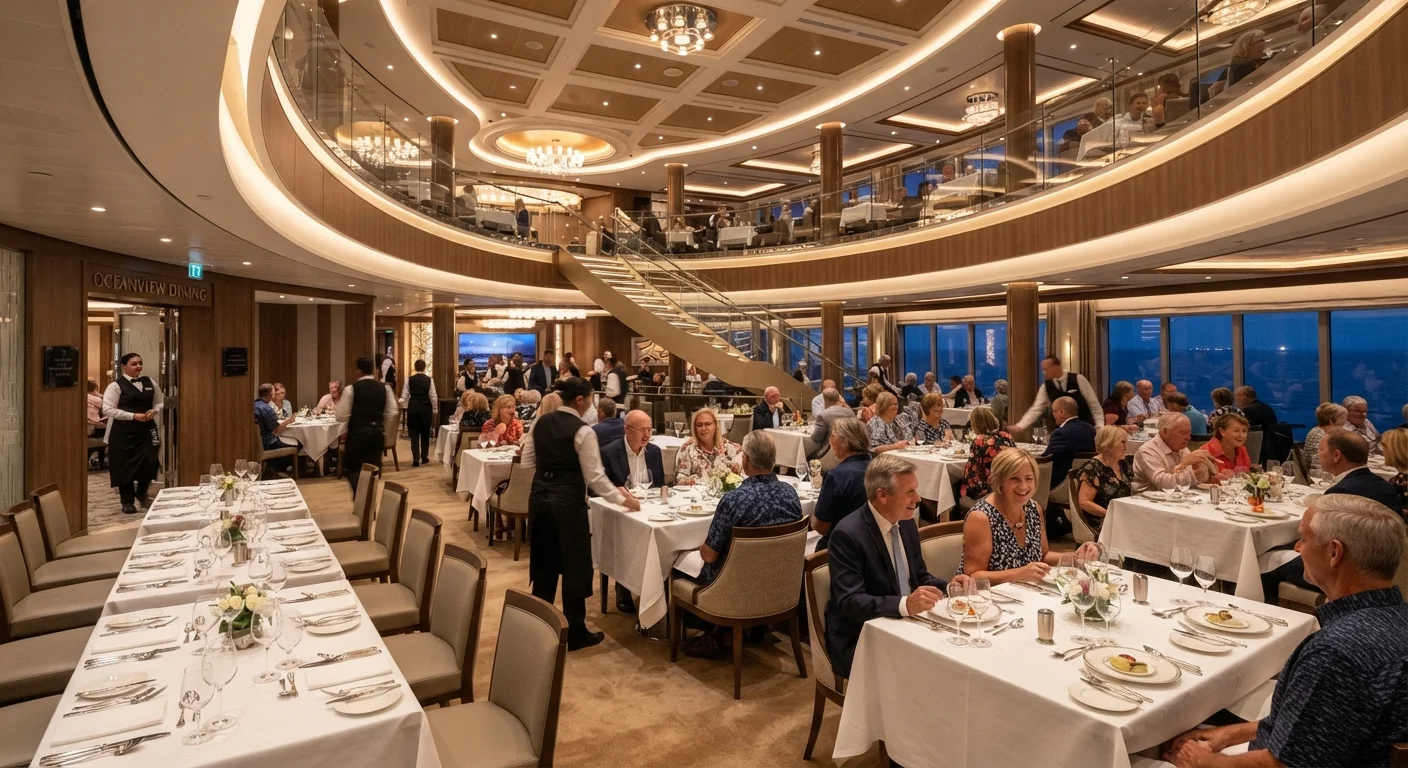
Larger modern ships carry amenities comparable to a mid-size resort, including multiple restaurants, live entertainment venues, pools, gyms, spas, and activity programming throughout the day.
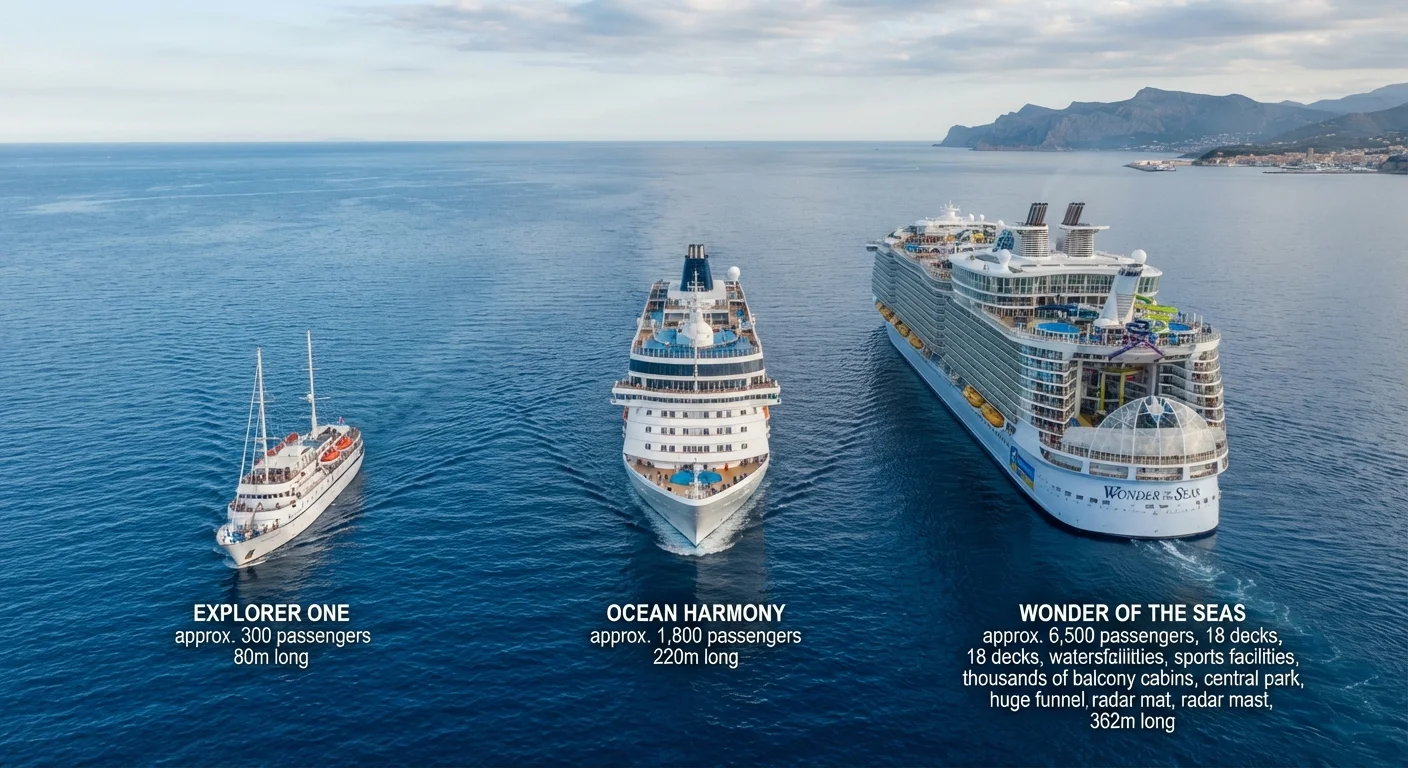
Newer vessels from major cruise lines can carry several thousand passengers and are designed to function as self-contained destinations. On any given sea day you might find cooking classes, trivia contests, live music, fitness sessions, cooking demonstrations, or poolside movies. The quantity and quality of onboard programming has expanded considerably. Sea days are often cited by experienced cruisers as a highlight rather than a liability.
Myth
Cruises are all-inclusive, so there are no surprise costs.
Fact
The base fare typically covers your cabin, most meals, and basic entertainment - but many additional expenses are not included.
Alcoholic beverages, specialty dining restaurants, spa treatments, internet access, shore excursions, gratuities, and casino spending are generally charged separately. Some cruise lines offer packages that bundle certain extras, but reading the fine print is essential before assuming something is covered. Budgeting a daily allowance for onboard spending beyond the base fare is standard practice for experienced cruisers. The same habit of questioning what's actually included applies to flight pricing - our flight booking myths article covers similar hidden-cost patterns in air travel.
Myth
You'll be seasick the entire time.
Fact
Most passengers on large, modern ships experience little to no motion sickness, particularly on calm-water itineraries like the Caribbean.
Today's large cruise ships use stabilizer systems that significantly dampen the rocking effect of ocean swells. Passengers who are prone to motion sensitivity tend to do better on larger ships, in midship cabins on lower decks, and on routes with predictable sea conditions. Certain itineraries - particularly open-ocean crossings - carry more movement than sheltered routes. If seasickness is a genuine concern, it's worth reading about evidence-based prevention strategies before ruling out cruising entirely.
Myth
Cruising is too expensive for budget-conscious travelers.
Fact
Per-night costs on a cruise can compare favorably to independent travel once accommodation, transport between destinations, and meals are factored in.
The base fare on a cruise bundles your cabin, meals in the main dining room, and travel between multiple destinations - costs that stack up quickly when arranged independently. That doesn't make cruises universally cheap, and the add-on costs described above are real. But the comparison point matters: a 7-night cruise visiting four ports may cost less in total than equivalent independent travel covering the same ground, particularly when cabin occupancy is shared. Fares also vary widely by ship size, cruise line tier, sailing date, and how far in advance you book.
What First-Timers Should Actually Prepare For
Understanding what a cruise genuinely involves - costs, logistics, and daily rhythm - is more useful than either dismissing or romanticizing it. A few practical points worth knowing:
- Gratuities: Most cruise lines add a daily service charge per person (sometimes called a gratuity or hotel charge). This is rarely included in the advertised fare and can add meaningfully to your final bill.
- Drinks packages: Alcoholic beverages, specialty coffees, and often bottled water are typically extra. Drink packages can be purchased in advance, but they're not always the most economical option depending on how much you consume.
- Port excursions: Shore excursions booked through the ship are convenient but carry a premium. Independent exploration is usually possible and less expensive, though you remain responsible for returning to the ship on time.
- Motion and seasickness: Large modern ships are stabilized and most passengers feel minimal motion. That said, some routes and weather conditions are rougher than others. Evidence-based remedies do exist - our seasickness guide separates what actually works from what doesn't.
Missing the Ship Is a Real Risk
If you book independent shore excursions - rather than through the cruise line - you are solely responsible for returning to the ship before it departs. Ships do leave on schedule, and travelers who miss departure must arrange their own transport to the next port at their own expense. Always account for travel time and unexpected delays when planning time ashore.
If you're weighing which region to sail, the destinations available vary significantly in character and pace. The guide to popular cruising regions breaks down Caribbean, Mediterranean, Alaska, and Northern Europe itineraries so you can match the experience to what you're actually looking for.