Why Sea Days Deserve a Strategy
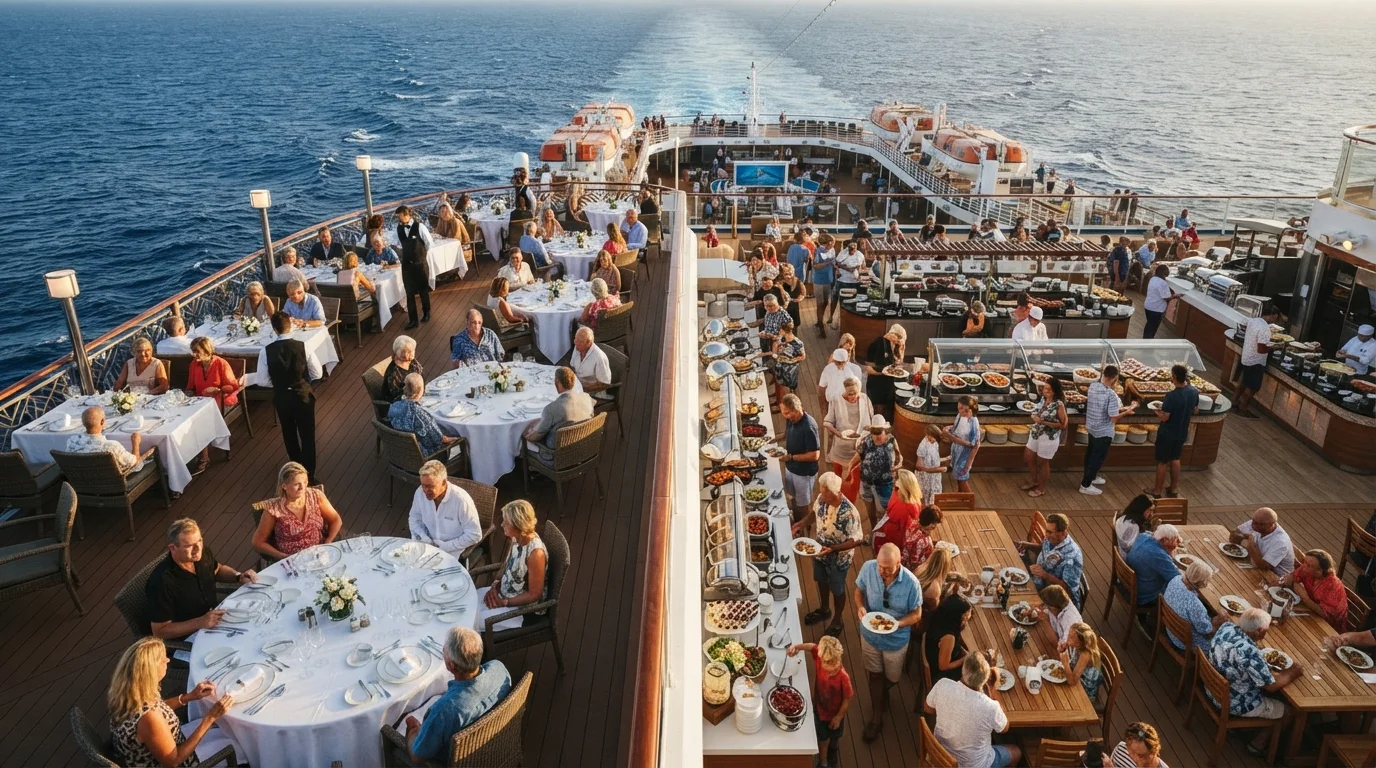
For first-time cruisers, sea days - those full days at sea between port stops - can feel unexpectedly disorienting. Without a destination to anchor your schedule, the day can slip by in a blur of indecision, or tip the other way into frantic activity-hopping. Neither makes for a satisfying experience.
The good news: cruise ships are specifically designed to fill sea days with meaningful options. The challenge is knowing which ones to choose - and which to skip. Understanding what a sea day actually offers is the first step. For a broader picture of how the hours unfold onboard, see A Day in the Life Aboard a Cruise Ship.
If you're still deciding how many sea days fit your travel style, Port-Intensive vs. Sea-Day-Heavy Itineraries can help you think through the tradeoff before you book.
Best Practices for Making Sea Days Count
The following practices give first-time cruisers a reliable framework for approaching sea days with intention rather than anxiety.
Pick up the daily program the evening before and mark two or three anchor activities.
Ships distribute a printed or app-based schedule each evening for the following day. Reviewing it in advance prevents the paralysis of scanning a long list of options in real time, and ensures popular sessions - like cooking demonstrations or destination talks - don't fill up before you arrive.
Set a personal spending limit for each sea day before it begins.
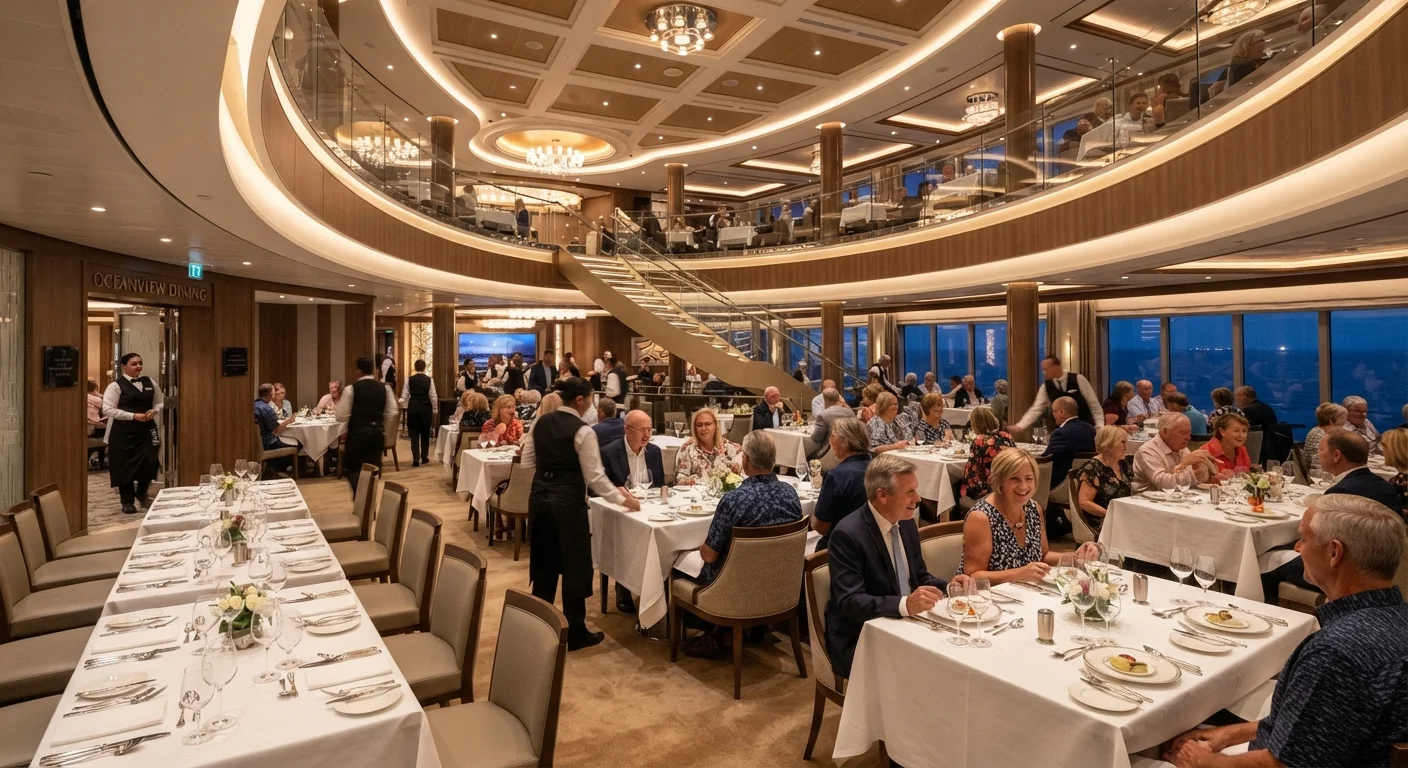
Sea days tend to generate more onboard spending than port days - spa bookings, specialty dining, beverage upgrades, and casino visits are all more tempting when there's no port to distract you. A clear daily ceiling keeps the overall trip budget intact without requiring constant mental math.
Explore one unfamiliar part of the ship each sea day.
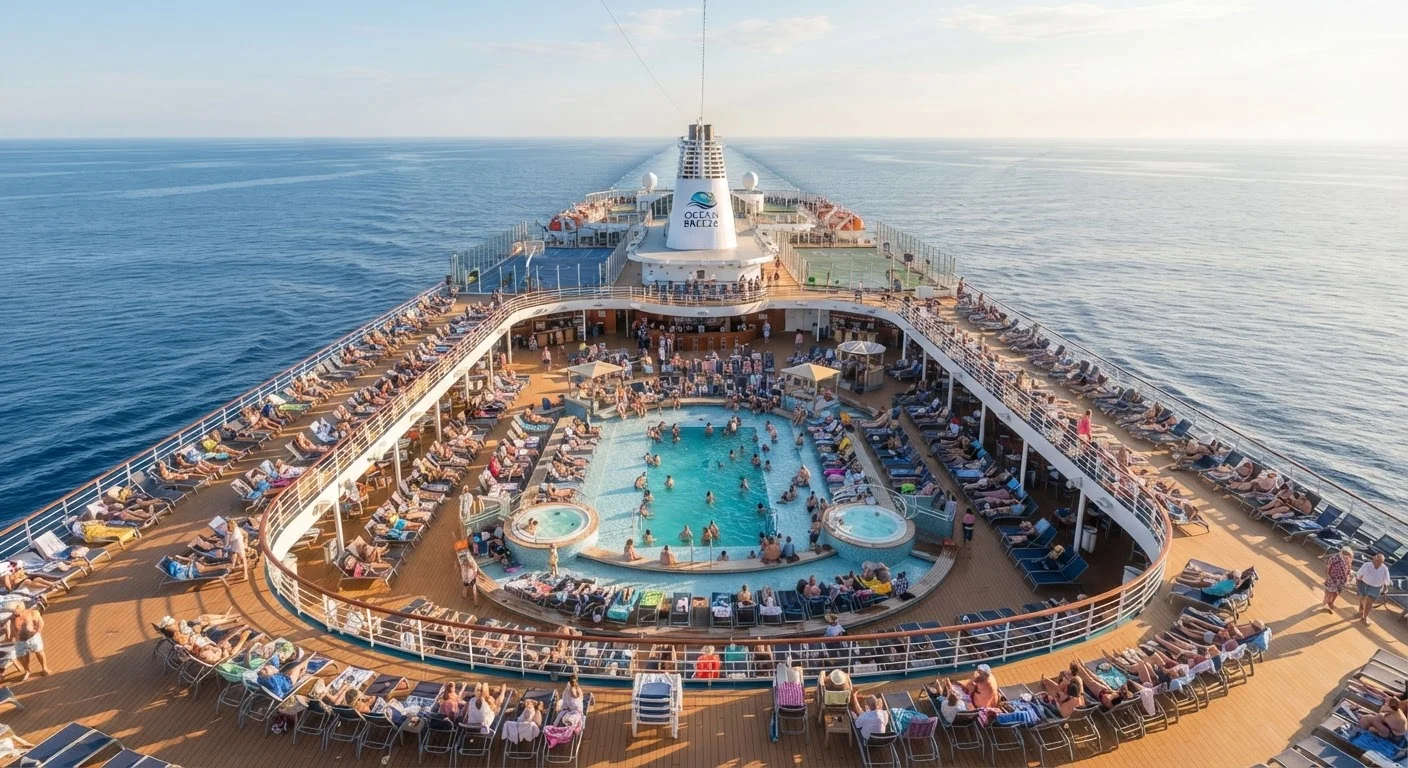
Large cruise ships contain spaces most passengers never discover - specialty libraries, card rooms, observation lounges, art galleries, and quiet sun decks near the bow. Sea days are the ideal time for self-guided exploration, and finding a personal favorite spot pays dividends throughout the voyage.
Treat enrichment programming as genuine content, not just filler.
Many ships offer lectures from historians, naturalists, or destination experts, along with workshops in cooking, photography, and wellness. These sessions are often included in the fare and deliver substantive value - approaching them like a short class rather than a time-killer changes the experience entirely.
Build at least one block of unstructured time into each sea day.
The temptation to fill every hour is real, especially when activities are abundant and included in the fare. But fatigue accumulates across a multi-day voyage, and deliberate rest - reading, napping, sitting quietly at sea - is not wasted time. It's recovery that sustains enjoyment through the whole itinerary.
Quick Wins You Can Act On Right Now
If you're heading into your first sea day without much of a plan, these immediate actions will help you get oriented fast.
Finding the Right Balance
Rest Is Part of the Plan
A sea day packed with back-to-back activities can leave you more tired than a port day. Build in at least 90 minutes of genuinely unscheduled time - balcony time, a nap, or simply sitting with a book. Ships are designed for comfort as much as entertainment, and using that comfort deliberately is one of the smartest things a first-time cruiser can do.
Sea days are also a natural moment to tend to your wellbeing. Hydration, sun protection, and pacing your meals matter more than many travelers expect. For practical guidance, Keeping Healthy on a Cruise covers the basics clearly.
Ultimately, the best sea day is one that leaves you genuinely refreshed - not one where you ticked the most boxes. Whether that means a morning lecture followed by a quiet afternoon on your balcony, or a full day at the pool with evening trivia, the ship's structure is there to support your preferences, not dictate them. For a side-by-side look at how sea days and port days each require their own approach, Shore Days vs. Sea Days is a useful companion read.