Understanding Your Port Day Options
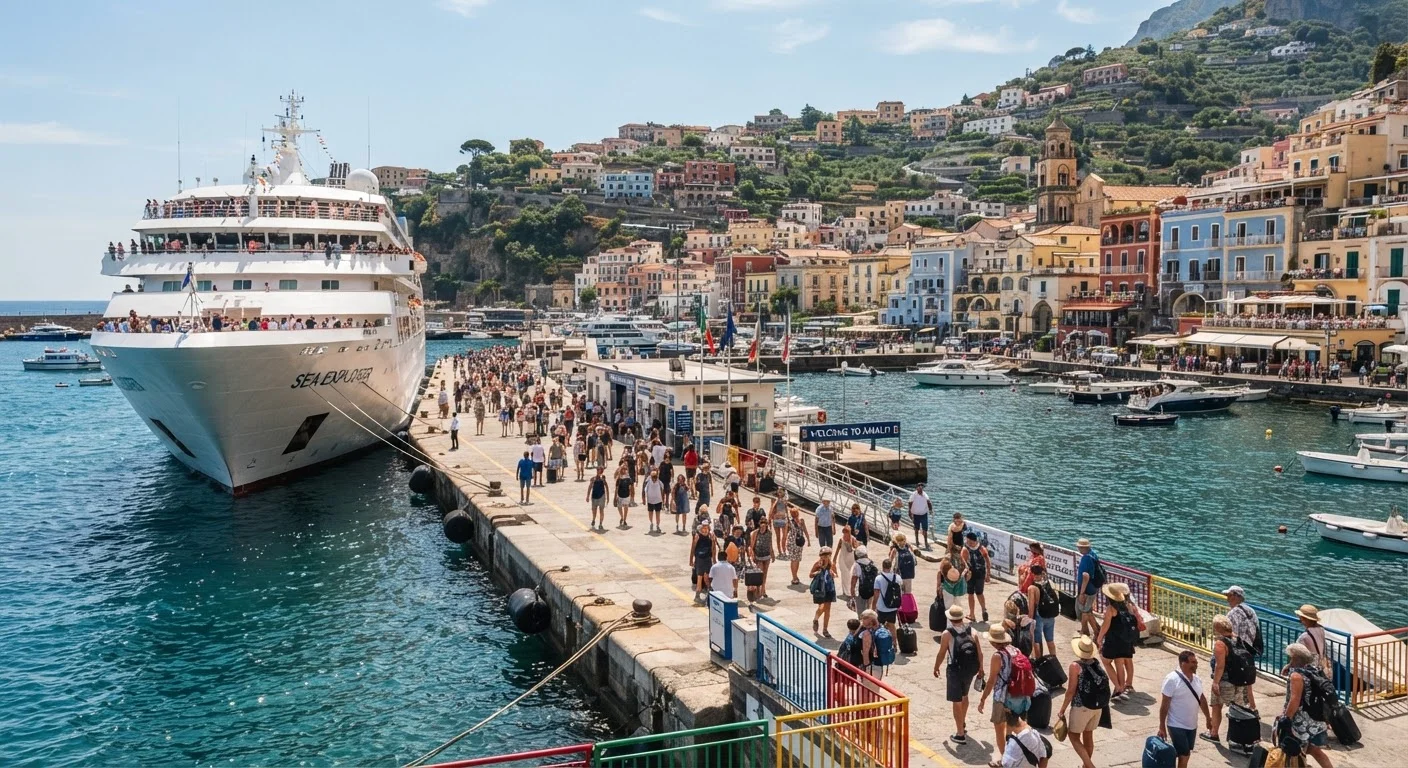
Every time a cruise ship docks, passengers face one of their most consequential daily decisions: join a ship-organized shore excursion, or explore the destination independently. Shore excursions are structured activities arranged through the cruise line - operated by the line directly or through vetted local partners - ranging from city walking tours and museum visits to snorkeling trips and cooking classes. Independent exploration means leaving on your own terms: hiring a local guide, taking public transit, renting a vehicle, or simply walking into town without a fixed itinerary.
Neither approach suits every traveler or every port. The right call depends on the specific destination, your comfort navigating unfamiliar places, how many hours the ship spends at that port, and your budget. To understand how port calls fit into the broader sailing schedule, see how cruise itineraries are structured.
What Ship-Organized Excursions Offer
Ship excursions are designed to be low-friction. You register in advance through the ship's app or excursion desk, show up at the gangway at the scheduled time, and follow a guide. For first-time cruisers or those visiting logistically complex destinations, that structure has genuine value. The most significant safeguard is what's commonly called the departure guarantee: if a ship-organized excursion is delayed returning to port, the vessel typically waits for those passengers. That protection does not apply to independent travelers.
Ship excursions also bundle transportation, entry logistics, and commentary into one booking - removing the research burden in ports where language barriers or limited infrastructure would otherwise make independent planning difficult. For a closer look at how booking channels compare, see our guide to booking excursions through the ship vs. independently.
Ship waits if the excursion runs late
The departure guarantee is the most significant protection ship excursions offer - if an official excursion is delayed returning to the pier, the vessel typically holds its departure rather than leaving passengers behind.
No advance logistics required from you
Transportation, entry coordination, and guiding are bundled into a single booking, removing the planning burden that independent port days demand - particularly valuable for first-time cruise travelers.
Expert local guidance included
Ship excursion guides are typically knowledgeable about each destination's history and culture, adding context that independent visitors may not access - especially useful at historically complex or sprawling sites.
Practical support in difficult-to-navigate ports
In destinations with significant language barriers, limited public transportation, or sparse independent options, a structured excursion provides access and mobility that would be difficult to replicate alone.
Added reassurance traveling with a structured group
For travelers who feel uncertain in unfamiliar environments, joining a guided group with a cruise line-vetted operator offers a practical layer of reassurance, particularly at remote or less-touristed ports.
Where Ship Excursions Fall Short
Convenience carries a cost. Ship excursions typically include the cruise line's margin on top of what local operators charge, so you'll generally pay more than someone who arranged an equivalent experience independently. The gap varies by port and activity, but it's a consistent pattern across most itineraries.
Beyond price, the core trade-off is flexibility. Ship excursions run on fixed schedules with predetermined stops - useful for first-timers managing their time, but limiting if you want to linger somewhere that interests you, skip a stop that doesn't, or discover something off the tourist circuit. Group sizes on bus tours can be large, which affects pace, wait times, and the overall feel of the experience. Travelers who value spontaneity or deeper immersion in local culture often find the ship-excursion format too structured for their preferences.
Higher price than independent alternatives
Cruise lines add their own margin to excursion pricing, meaning you typically pay more for the same activity than you would by arranging it independently - a gap that compounds across multiple port days on the same sailing.
Fixed schedules with no room to deviate
Once you're on a group tour, you move at the guide's pace and stop at predetermined locations - there's no opportunity to linger somewhere you find compelling or skip a stop that doesn't interest you.
Large group sizes reduce personal experience
Bus-based ship excursions commonly carry dozens of passengers at a time, which means more waiting at sites, less individual attention from guides, and a less immersive atmosphere at popular attractions.
Surface-level coverage of most destinations
Ship excursions are typically designed for broad audiences, favoring well-known highlights over deeper exploration - travelers seeking authentic or off-the-beaten-path experiences may find them unsatisfying.
Limited authentic local interaction
The tourist-circuit focus of most ship excursions reduces unscripted contact with local culture, street food, and everyday life - the kind of spontaneous discovery that independent exploration can more readily provide.
Choosing the Right Approach for Each Port
The most practical strategy is rarely choosing one approach for every port on your itinerary. Ship excursions make more sense when a destination is logistically challenging - remote archaeological sites with limited transport links, ports where navigating without local language support is genuinely difficult, or locations with unreliable independent options. Independent exploration tends to work better in walkable city centers with established tourist infrastructure, ports you've visited before, or destinations where reputable third-party operators offer similar experiences at lower cost.
10-40+ passengers
Typical ship excursion group size
Group tours organized through cruise lines often carry large numbers of passengers per vehicle or guide, which directly affects pacing, wait times at each stop, and the depth of engagement possible at each site.
Multiple times per trip
How often the decision repeats per sailing
On a typical 7-night cruise with four or five port calls, travelers face the excursion-vs-independent choice repeatedly - making it worth developing a flexible, port-by-port strategy rather than deciding at the last minute.
Research matters more for independent port days than almost any other part of cruise planning. Understanding local transportation options, realistic travel times to key sights, and which operators have solid reputations takes meaningful advance preparation. Port-intensive itineraries can amplify the pressure - there's less margin for error when you're repeating those decisions back-to-back. Our guide to shore days and sea days covers how to approach each type of day with the right preparation.
The All-Aboard Time Is Non-Negotiable
Every port day has a published all-aboard time - typically 30 minutes before the ship's scheduled departure. This deadline applies to every passenger, whether you booked a ship excursion or explored on your own. If you're going independent, build a generous time buffer into your return: traffic, long lines, or a late taxi can close that gap quickly. Ship excursion passengers are protected if the excursion itself causes the delay - independent travelers are not.