What the Port-to-Sea Ratio Actually Means
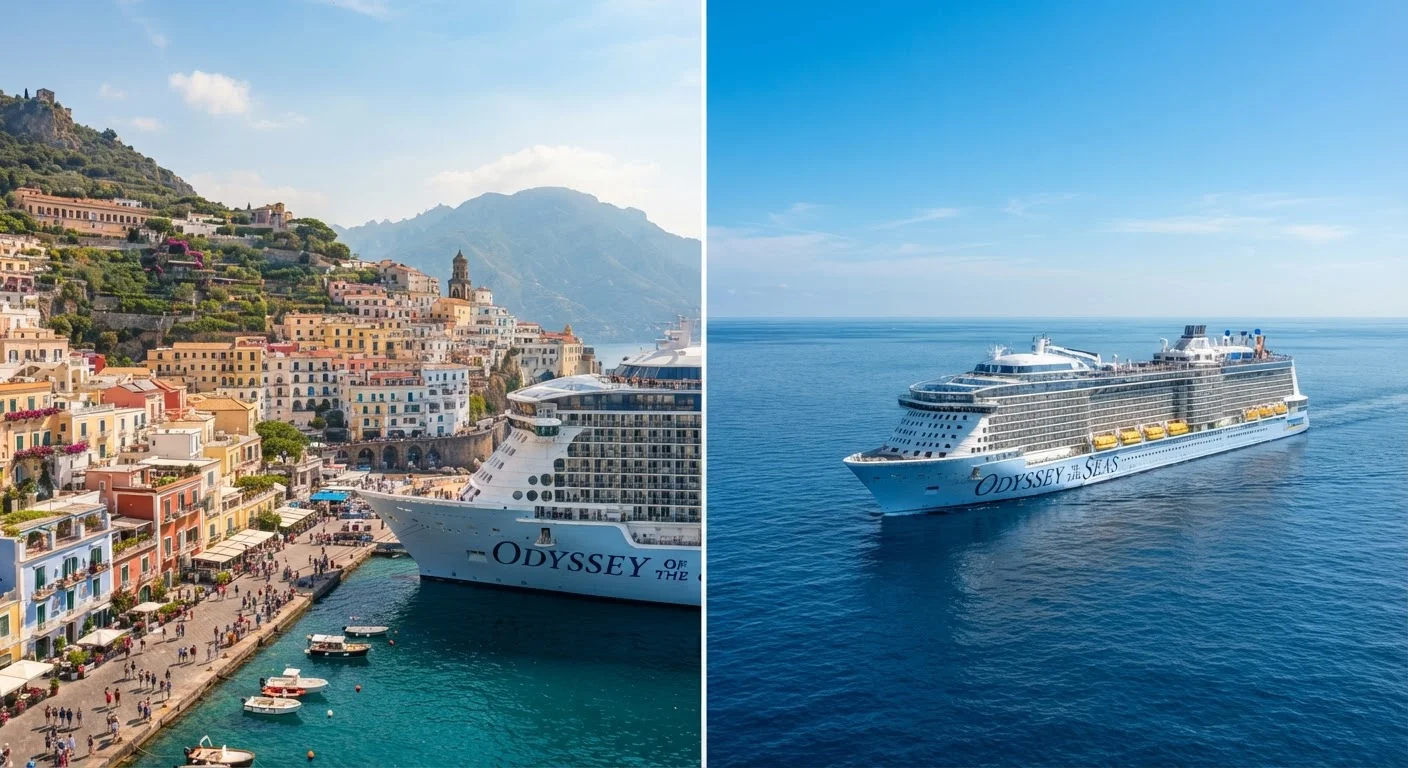
Every cruise itinerary is built around two types of days: port days, when the ship docks or anchors at a destination, and sea days, when you're sailing between ports with no scheduled stops. The ratio of these two determines the entire rhythm of your trip.
A 7-night Caribbean cruise might include five port days and two sea days - that's port-intensive. Another might offer three ports and four sea days - tilting toward a sea-day-heavy experience. Neither is a mistake; they're just different products designed for different travelers.
Before you can choose wisely, you need to understand what each actually looks like in practice. If you're still learning to decode itinerary listings, our guide on reading a cruise itinerary without getting confused can help you interpret the specifics.
Port-Intensive Itineraries: The Case for More Stops
Port-intensive itineraries appeal to travelers who chose a cruise primarily as a way to visit multiple destinations with minimal logistics. You unpack once, sleep on the ship, and wake up in a new place - that's a genuine convenience that cruising offers over land travel.
The tradeoffs are real, however. More port days typically mean:
- Earlier wake-ups - ships dock early, and popular excursions sell out fast
- Higher out-of-pocket costs - each port adds excursion fees, entrance tickets, meals ashore, and transport
- Decision fatigue - planning six ports across a week is mentally demanding, especially for first-timers
- Physical exhaustion - walking, heat, and long days accumulate quickly
For first-timers who overestimate their stamina or underestimate port costs, a heavily port-packed itinerary can become stressful rather than exciting. See our article on shore excursions vs. independent exploration for a deeper look at what each port day actually demands.
| Port-Intensive | Sea-Day-Heavy | Balanced Mix | |
|---|---|---|---|
| Daily energy required | High - early starts, lots of walking | Low to moderate - relaxed pace | Moderate - varied day types |
| Out-of-pocket port costs | High - excursions, transport, meals | Low - minimal shore spending | Medium - manageable spread |
| Use of ship amenities | Limited - ship is mainly transport | Extensive - ship is the destination | Good - ship used on off days |
| Destination variety | Maximum - multiple ports | Low - fewer stops | Moderate - curated stops |
| Risk of burnout | Higher for first-timers | Low | Low to moderate |
| Best for | Explorers with stamina and budget | Relaxation-seekers | Most first-time cruisers |
Sea-Day-Heavy Itineraries: The Case for Slowing Down
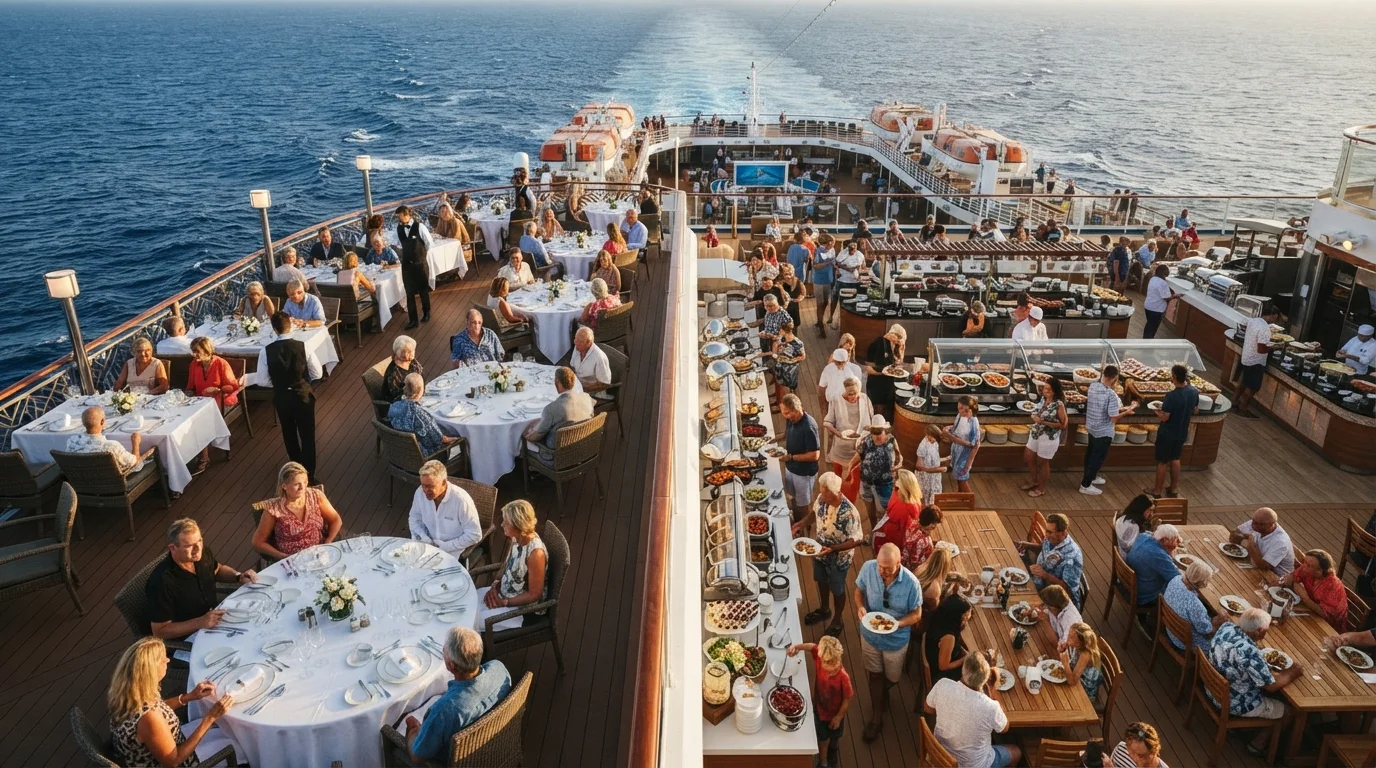
Sea days are often underestimated by first-timers who assume a day at sea means a day wasted. In reality, a sea day is when the ship itself becomes the destination - and modern cruise ships are engineered for exactly that.
The appeal of a sea-day-heavy itinerary includes:
- Lower daily spending - no excursion costs, no port transport, no rushed meals ashore
- Access to onboard programming - enrichment lectures, fitness classes, cooking demonstrations, live entertainment
- Genuine rest - something many travelers don't realize they need until mid-cruise
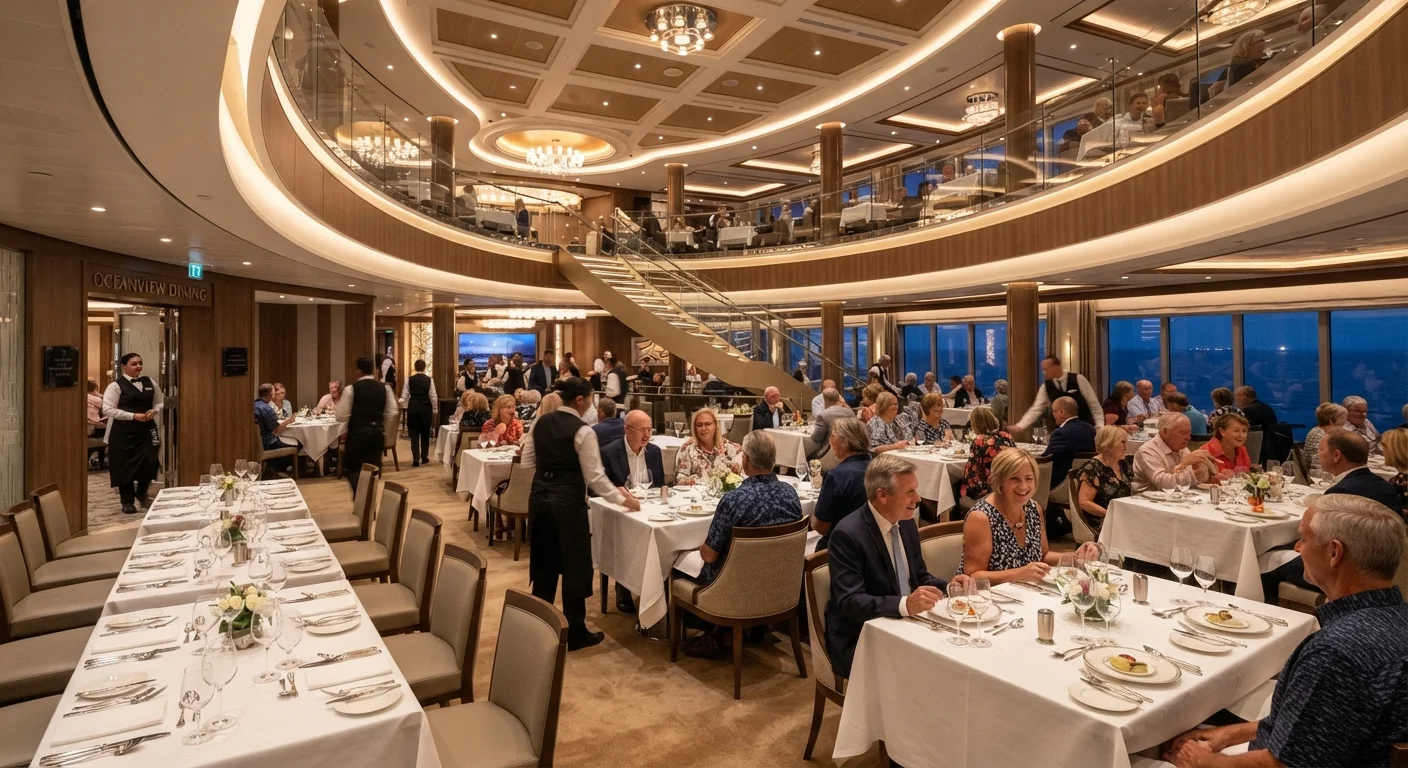
- Better use of ship amenities - pools, specialty restaurants, and spa facilities are less crowded on sea days
The risk is boredom if you haven't thought ahead. Our guide to getting the most out of sea days onboard offers practical strategies so downtime doesn't drift into restlessness.
Build in a Recovery Day Mid-Cruise
Even on a port-intensive itinerary, treat any sea day as a deliberate recovery day rather than filler. Use it to catch up on sleep, review upcoming port plans, and take advantage of less-crowded ship facilities. Travelers who plan their sea days - rather than drift through them - consistently report higher overall trip satisfaction.
How to Choose the Right Balance for You
The right itinerary balance depends on four personal factors that no brochure can decide for you:
- Travel energy: Are you energized by exploration or recharged by rest? Port days require stamina; sea days reward those who can relax without a packed schedule.
- Budget: Port days come with real costs beyond the cruise fare. If your travel budget is limited, more sea days protect your wallet.
- Travel companions: Traveling with young children or older adults often makes a sea-day-heavy trip more practical and enjoyable for everyone.
- Destination priorities: If you have a specific must-see location, find an itinerary where that port is featured prominently - not squeezed between five others.
Most experienced cruisers suggest that first-timers aim for an itinerary with roughly a 50/50 split or a slight lean toward sea days. This gives you enough destination variety to feel like you've traveled while leaving room to discover what onboard life actually offers. For broader planning structure, the itinerary planning hub covers how to think about pacing across any type of trip.
Once you're on board, both types of days have their own rhythm to master. The contrast between the two is explored further in our piece on shore days vs. sea days, and understanding onboard life as a whole will help you set realistic expectations before you sail.