
Why Most Tracking Systems Fail on the Road
The gap between planning a budget at home and maintaining it in the field is where most first-time travelers lose control. It's rarely a lack of discipline — it's a system mismatch. Travelers set up elaborate spreadsheets before departure, then abandon them by day three because logging every purchase feels too slow or intrusive.
The honest fix is simpler than most expect: pick a method that costs you the least effort, not the one that looks most impressive. If you'd like grounding in how travel budgets are structured before refining your tracking approach, our plain-language introduction to travel budgeting covers the core concepts without assumptions.
The practices below are designed to hold up under the real conditions of travel — distraction, fatigue, and constant novelty.
The Core Practices for Accurate Expense Tracking
These approaches work precisely because they are low-friction and flexible enough to survive an unpredictable itinerary.
Log every expense the moment it happens, not at the end of the day.
Memory is unreliable after a busy travel day. Small purchases — a coffee, a bus ticket, a snack — disappear from recall quickly but add up significantly. Real-time logging removes the guesswork and gives you an accurate running total.
Use spending categories that match how you actually travel, not an accounting textbook.
Overly granular categories create friction and lead to abandoning the system entirely. Broad, intuitive buckets like Food, Transport, Accommodation, Activities, and Miscellaneous are easier to maintain and still reveal meaningful patterns.
Set a firm daily spending limit and check your running total at midday.
A single end-of-day review often comes too late to correct course. A midday check lets you adjust afternoon plans — choosing a cheaper dinner or skipping an impulse purchase — before the day's damage is done.
Choose one payment method per spending type and stick with it.
Mixing cash, multiple cards, and mobile payments across all purchases creates a tracking nightmare. Assigning card use to larger purchases and cash to small local expenses keeps records cleaner and reduces missed entries.
Review your week's spending pattern before entering the next destination.
Travel costs vary significantly by location. Noticing that you consistently overspent on dining but underspent on transport allows you to rebalance your daily budget for the next leg rather than carrying the same miscalibrated plan forward.
Sync Your Tracker Before You Sleep
If you use a phone-based tracker, get into the habit of reviewing and saving your entries before bed each night. Phones can be lost, stolen, or wiped — a quick backup to a cloud note or email to yourself ensures you never lose your records mid-trip.
For a deeper look at where travelers most often see their budgets erode, see our piece on why travel budgets run out before the trip ends.
Choosing the Right Tool for How You Actually Travel
No single tracking tool suits every traveler. The test isn't which app has the most features — it's which format you'll actually use consistently under less-than-ideal conditions.
Tracking in a Foreign Currency
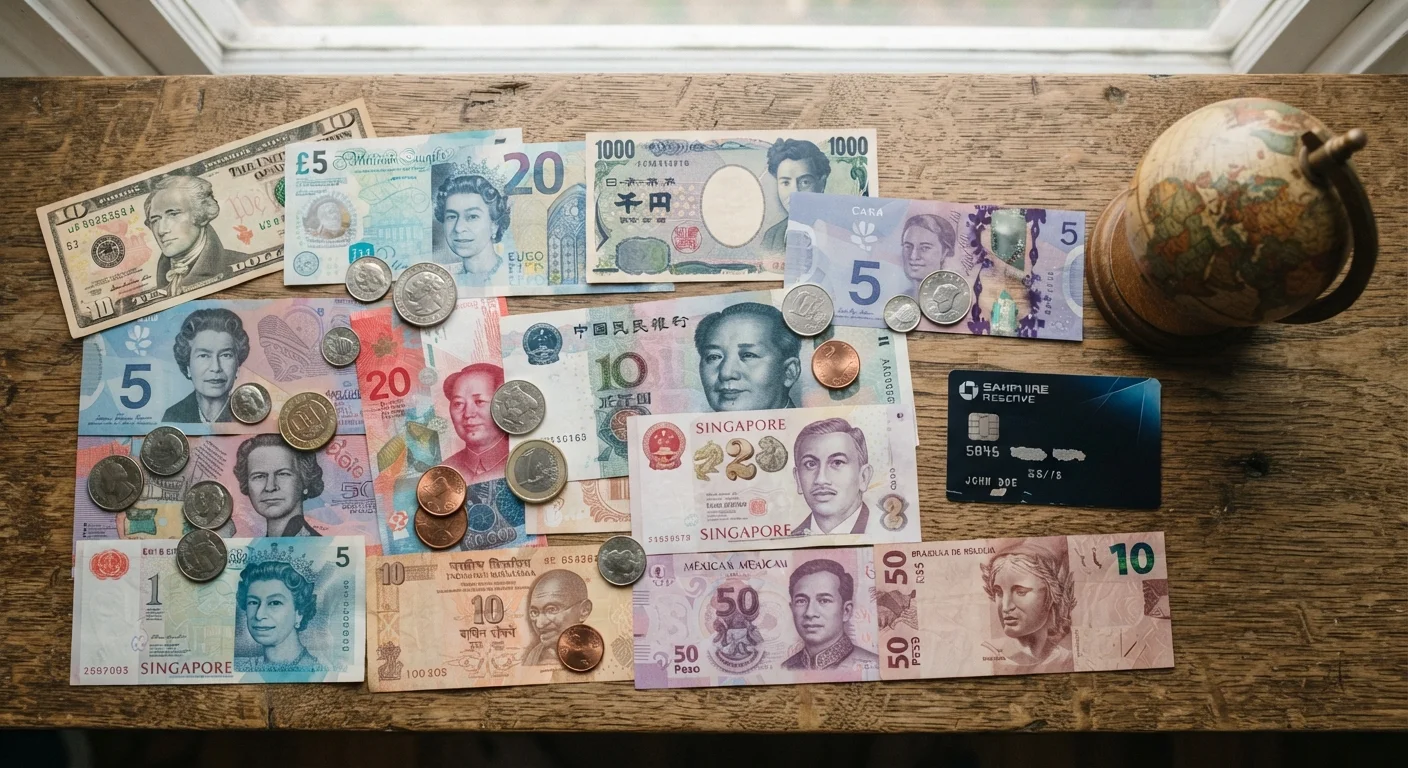
When spending in a currency different from your home currency, log amounts in the local currency and note the approximate exchange rate separately. Trying to convert every transaction in real time adds friction and errors. Reconcile to your home currency at the end of each day or week using the actual rate your bank or card applied.
- Notebook and pen: Works without battery or signal, forces intentionality, but requires manual tallying. Best for travelers who prefer analog habits.
- Notes app: Zero setup, always on your phone, flexible structure. The lowest barrier to starting.
- Dedicated expense apps: Offer automatic category sorting and visual summaries, but require setup time and learning. Worth it if you'll travel frequently.
- Shared spreadsheet: Ideal for couples or groups — everyone can add entries in real time from their own device.
The question of digital versus analog planning more broadly is covered in our guide to digital itinerary tools vs. paper planning.
“A budget is telling your money where to go instead of wondering where it went.”
— Dave Ramsey, Personal finance author and radio host
40%
Travelers who exceed their trip budget
Research by various travel finance surveys consistently finds a large share of leisure travelers spend more than planned, often citing untracked daily expenses as the primary cause.
< 5 min
Time needed for daily expense logging
Expense-tracking app developers and travel finance coaches commonly report that a consistent daily entry routine takes under five minutes when kept current.
Start Before You Leave — and Carry the Habit Home
Tracking travel spending effectively starts before your first flight departs. Log any pre-trip costs — deposits, gear purchases, travel insurance — using the same system you'll use on the road. This builds the habit early and gives you a complete picture of what the trip actually cost. Our article on pre-trip costs vs. on-the-road costs explains why overlooking pre-departure spending is one of the most common first-timer mistakes.
When you return home, spend fifteen minutes comparing your actual spend against your original estimates. This debrief turns one trip's data into a smarter budget for the next. Over time, your estimates become far more accurate — and the anxiety of financial surprises on the road shrinks considerably.
This article is for general informational purposes only and does not constitute personalised financial advice. Travel costs vary widely by destination, time of year, and individual circumstances. Always verify current prices and entry requirements with official sources before travelling.