Why Tipping Norms Vary So Widely
In the United States, tipping service workers is a deeply embedded social expectation — servers, bartenders, taxi drivers, and hotel staff rely on gratuities as a significant portion of their income. But step off the plane in Tokyo or Paris, and that same behavior can land differently than you intended. Tipping is shaped by local labor laws, wage structures, and cultural attitudes toward service — not a universal standard.
For first-time international travelers, understanding this before you go is a practical financial issue, not just an etiquette one. Tipping where it's discouraged can cause genuine offense in some countries. Undertipping where it's expected can mean you've short-changed someone who depends on it. And in tourist-heavy areas, some destinations are actively shifting norms — so "what the locals do" may not always be the rule for visitors.
See our guide to travel money basics for how to handle cash, cards, and currency planning before any trip abroad.
| Tipping expected in the US | 15–20% in restaurants (General US hospitality industry standard) |
| Tipping in Japan | Not practiced; may cause offense (Japan National Tourism Organization guidance) |
| Typical cruise daily gratuity | $15–$20 per person per day (Common range across major cruise lines; verify with your specific line) |
| Tipping in Australia | Not expected; rounding up accepted (Tourism Australia general guidance) |
| South Africa restaurants | 10–15% tip is standard (South African Tourism general guidance) |
| UK and Europe | 10% or rounding up; verify service charge (General European hospitality norms) |
Country-by-Country Tipping Basics
No single rule covers the world, but these regional patterns give you a solid working baseline:
- United States and Canada: Tipping is expected in restaurants (15–20% is standard), for taxis, rideshares, hotel housekeeping, and many personal services. Pre-added service charges are rare in the US; in Canada they're more common but not universal.
- Japan: Tipping is generally not practiced and can be considered rude or confusing. Service is built into the price and the culture. Leave your cash on the table and you may find staff chasing you to return it. See our Japan first-time visitor guide for more on local customs.
- United Kingdom and Europe (general): Tipping is appreciated but not mandatory. Rounding up a bill or leaving 10% in a restaurant is common. Verify whether a service charge is already included — paying twice is easy to do by accident.
- Australia and New Zealand: Tipping is not expected and uncommon, though rounding up is acceptable for exceptional service.
- South Africa: Tipping is widely expected and important, particularly in restaurants (10–15%) and for tour guides, parking attendants, and petrol station staff. Our South Africa first-time visitor guide covers broader on-the-ground expectations.
- Southeast Asia and Latin America: Practices vary significantly by country and setting. In tourist-oriented restaurants, a 10% tip is often welcome; in local eateries, it may not be expected at all. Research your specific destination.
Gratuity
Another word for a tip — an additional payment given to a service worker beyond the stated price. On cruise ships and in some hotels, this may be added automatically to your bill rather than paid in cash.
Service charge
A fixed percentage added to a bill by the establishment itself, as distinct from a voluntary tip. Service charges may or may not go directly to the staff who served you — practices vary by venue and country.
Discretionary tip
A tip that is voluntary and based on your own judgment about service quality, as opposed to a mandatory or automatically applied charge.
Cover charge
A flat fee some restaurants charge per diner simply for seating, bread, or similar amenities — common in parts of Europe and Latin America. This is not a tip and does not replace one where tipping is expected.
Hotels and Cruises: The Tipping Rules You Might Miss
Hotels and cruises introduce tipping situations that restaurant-focused advice often overlooks. At hotels, housekeeping tips are frequently forgotten — a small amount left daily (rather than at checkout) is considered better practice because different staff may clean your room each day. Bellhops, concierge staff who go out of their way, and valet attendants each have their own informal norms depending on the country.
Our hotel etiquette guide breaks down exactly when and how to tip across different hotel scenarios, including room service.
Cruises are a category of their own. Most major cruise lines apply automatic daily gratuity charges — often between $15 and $20 per person per day — to your onboard account. These cover dining room staff and cabin stewards. What's discretionary is anything beyond that: specialty restaurant servers, bartenders, spa staff, and shore excursion guides. Before boarding, check whether gratuities are pre-paid or added daily so you can budget accordingly. Cruise gratuity policies explained covers the specifics in depth.
Service Charge vs. Tip: Don't Pay Twice
In many European countries and increasingly in US cities, a service charge is already built into your bill — sometimes labeled "service compris" or simply "service included." Always scan the itemized total before adding a gratuity on top. If you're unsure, it's completely acceptable to ask your server whether service is included. Paying twice isn't a generous mistake — it's just an avoidable one.
Practical Tips for Managing Gratuities While Traveling
A few habits will keep you from being caught off guard:
- Research before you land. A quick search for tipping customs in your specific destination takes five minutes and saves real money and social friction.
- Carry small bills in local currency. Many tipping situations — tour guides, taxis, porters — are cash-only. Arriving with no small denominations makes tipping awkward or impossible.
- Read every bill before you pay. Look for "service charge," "gratuity included," or similar language. If it's already there, adding more is your choice, not an obligation.
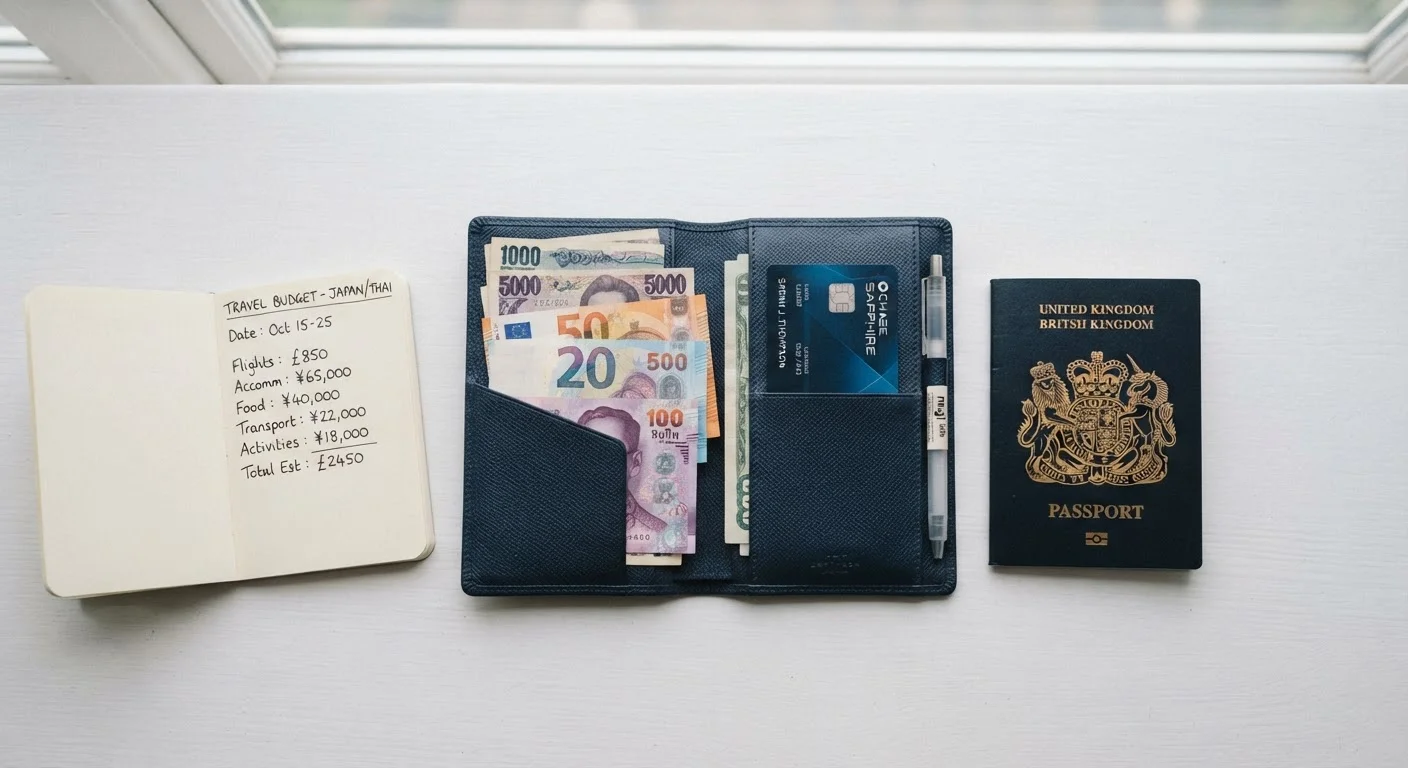
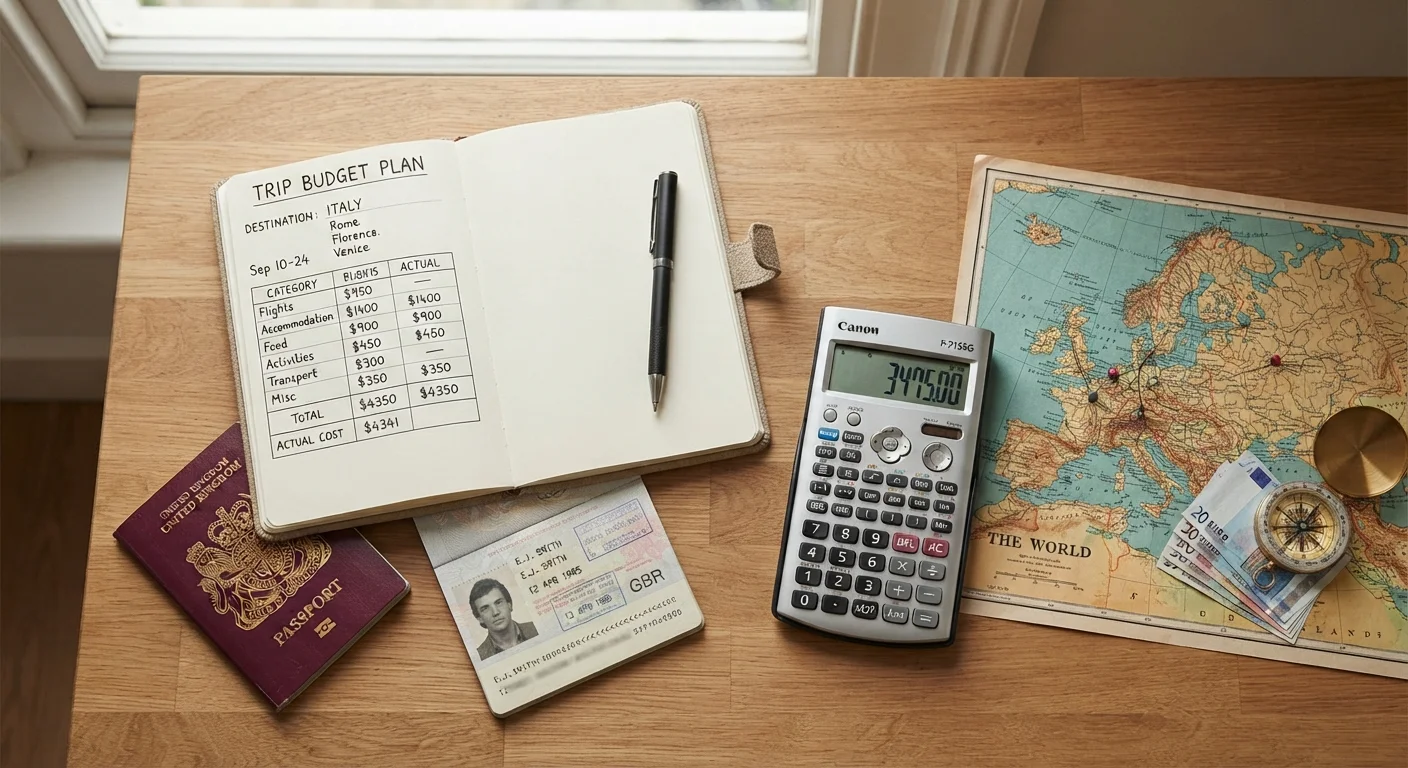
- Build gratuities into your daily budget. If you're visiting the US or a gratuity-expected destination, assume 15–20% on top of restaurant prices and factor that into your meal budget from day one. Our complete travel money planning guide shows how to build a realistic pre-trip budget that accounts for these costs.
- When genuinely unsure, ask discreetly. Hotel concierge staff or a local contact can usually tell you what's customary without judgment.
This article provides general travel information for educational purposes only. Tipping practices can vary by region, establishment type, and change over time. Always verify local customs and confirm service charge policies directly with your accommodation, restaurant, or cruise line before traveling.