Why Medications Belong in Your Carry-On
The single most important rule for traveling with medications: keep them with you in your carry-on bag, not buried in checked luggage. Checked bags can be delayed, misdirected, or lost - and if your medication is inside, you may not have access to it for hours or even days.
This is especially critical for time-sensitive medications like insulin, blood thinners, or seizure drugs. Missing a dose can have real health consequences, so treat your medications as non-negotiable carry-on items every time you fly.
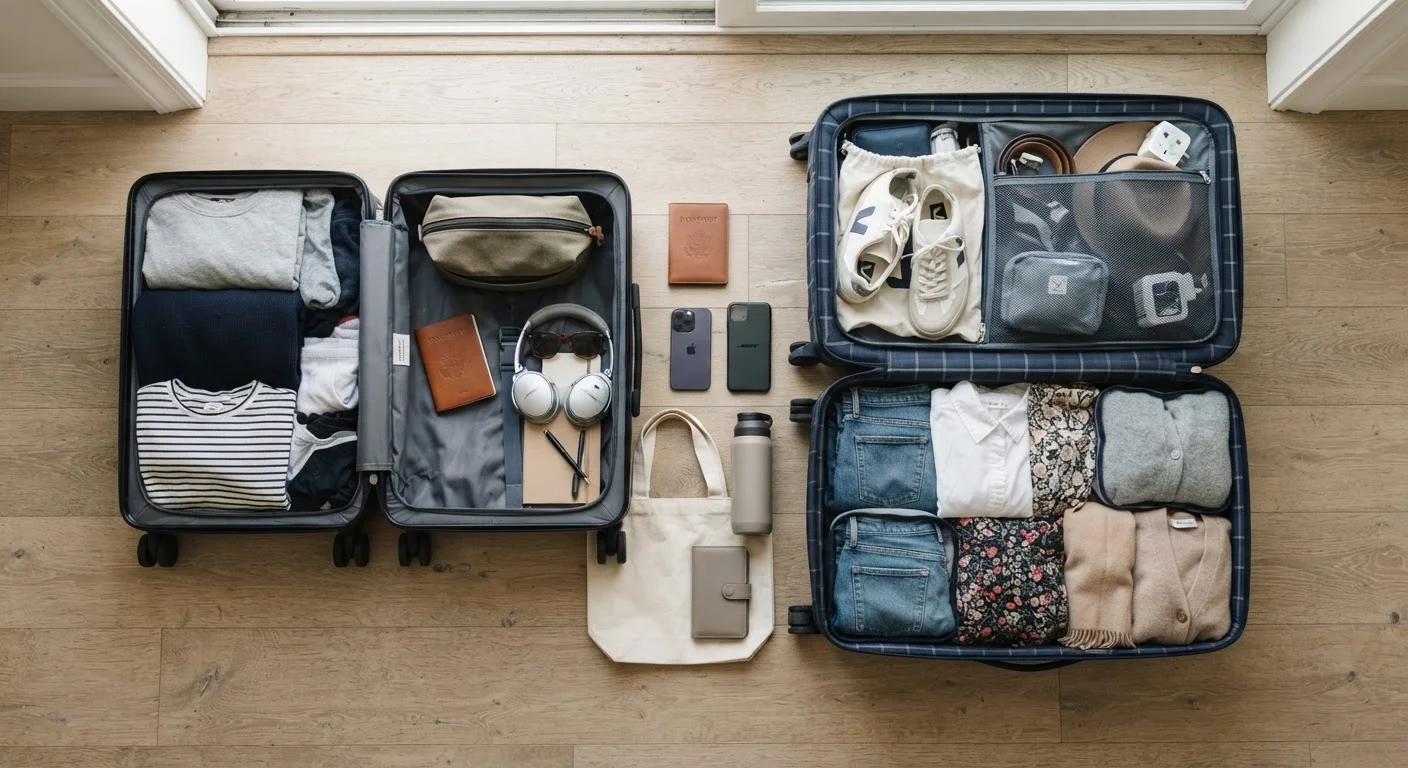
For a broader look at what belongs in your carry-on versus your checked bag, see our guide to carry-on vs. checked bag trade-offs.
Navigating TSA Security With Medications
The Transportation Security Administration (TSA) explicitly permits prescription and over-the-counter medications in both solid and liquid form in carry-on bags. However, liquid medications - including eye drops, oral suspensions, and injectable drugs - are exempt from the standard 3-4-1 liquids rule (containers of 3.4 oz or less in a single quart-sized bag) only if they are medically necessary.
To take advantage of this exemption, remove your medications from your bag before placing it on the conveyor belt, and inform the TSA officer that you have medically necessary liquids. Officers may inspect them, but they will not confiscate them simply because the volume exceeds 3.4 oz.
Understanding what screeners are looking for at every stage can make the whole process feel less intimidating. Our article on what airport security is actually checking for walks through the full checkpoint process.
Documentation: What to Carry and Why It Matters
For domestic U.S. flights, TSA does not legally require a prescription label or doctor's note - but having one significantly reduces the chance of a secondary screening delay. For international travel, documentation is often essential.
Here is what to prepare before any trip:
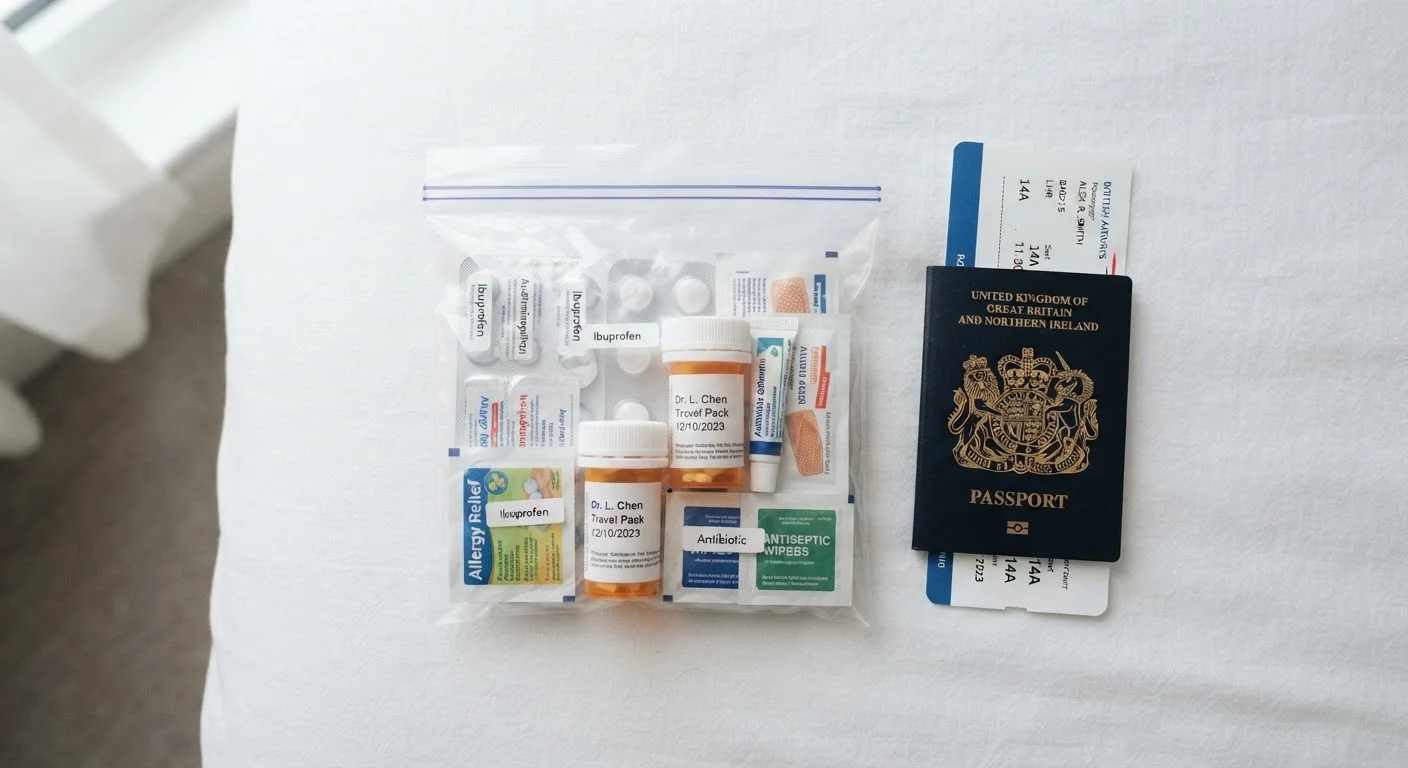
- Original pharmacy labels: Keep medications in their original labeled containers. A pharmacist can print a duplicate label if you use a pill organizer.
- Doctor's letter: For controlled substances, injectable medications, or any drug that could raise questions, a signed letter on official letterhead explaining your diagnosis and treatment is valuable.
- Copies of prescriptions: A photocopy (or digital scan) stored on your phone can help if your medication needs to be replaced abroad.
If you're traveling internationally, check the entry regulations for your destination country well in advance. Some medications that are legal in the U.S. - including certain opioids, stimulants, and even some common sleep aids - are controlled or prohibited in other countries. Your destination country's embassy or official government health portal is the authoritative source for this information.
For a broader pre-trip health checklist, see health precautions every first-timer should take before traveling.
Special Cases: Insulin, Inhalers, and Sharps
Certain medical devices and delivery systems have handling considerations beyond standard pills:
- Insulin and refrigerated medications: TSA allows insulin and its supplies (syringes, lancets, glucose meters, ice packs) in carry-ons. Inform officers if you are carrying these items. Many airlines also allow you to request refrigerated storage for insulin on longer flights - contact the airline in advance.
- Inhalers: Standard rescue inhalers pass through screening without issue. Carry a spare if possible.
- EpiPens and auto-injectors: Permitted in carry-ons. Keep them in their original packaging with the prescription label visible. Notify the officer before screening.
- Sharps and needles: Syringes are allowed when accompanied by the medication they are used to administer. Loose, uncapped needles without accompanying medication may be flagged.
Pack sharps in a puncture-resistant case to protect TSA officers during inspection - it is both considerate and practical.
Packing Strategies That Reduce Stress
How you pack your medications is just as important as what you carry. A disorganized bag slows you down at security and risks damaging fragile items like blister packs or vials.
Group all medications together in a dedicated pouch or clear zip-lock bag so they can be pulled out quickly at the checkpoint. This mirrors the same logic behind how experienced travelers clear security smoothly - visible, organized, easy to inspect.
Bring more than you need. Packing a supply that exceeds your trip length by at least a few days protects you against delays, itinerary changes, or accidental damage. This is especially relevant on longer trips like cruises - a topic covered in our cruise packing essentials guide.
This article provides general informational guidance about traveling with medications and is not a substitute for medical advice. Always consult your healthcare provider about managing your medications during travel, and verify entry requirements with official government and embassy sources before departure, as regulations change.