
Why Accessibility Evaluation Belongs at the Start of Your Planning
Most first-time travelers pick a destination based on scenery, price, or a recommendation — then discover accessibility problems after they've already booked. Reversing that order saves money and prevents real disappointment. Accessibility isn't a niche concern limited to wheelchair users; it covers anyone whose travel experience depends on specific conditions: dietary requirements, chronic health conditions, sensory impairments, or simply a preference for low-exertion exploration.
The honest challenge is that destinations don't self-report their limitations. A tourism website may show a gleaming city centre without mentioning that most of it sits on steep, cobbled terrain. Evaluating a destination's true fit for your needs requires deliberate research across several dimensions — before any commitment is made. This article walks you through those dimensions systematically.
For a broader pre-booking checklist, see Things Worth Knowing About a Destination Before You Book Anything — it pairs well with the accessibility lens covered here.
Key Factors to Assess Before Choosing a Destination
Think of accessibility evaluation as a series of filters. Work through each one relevant to your situation and let the findings shape — or rule out — your shortlist.
Map the physical terrain of your shortlisted destinations before committing.
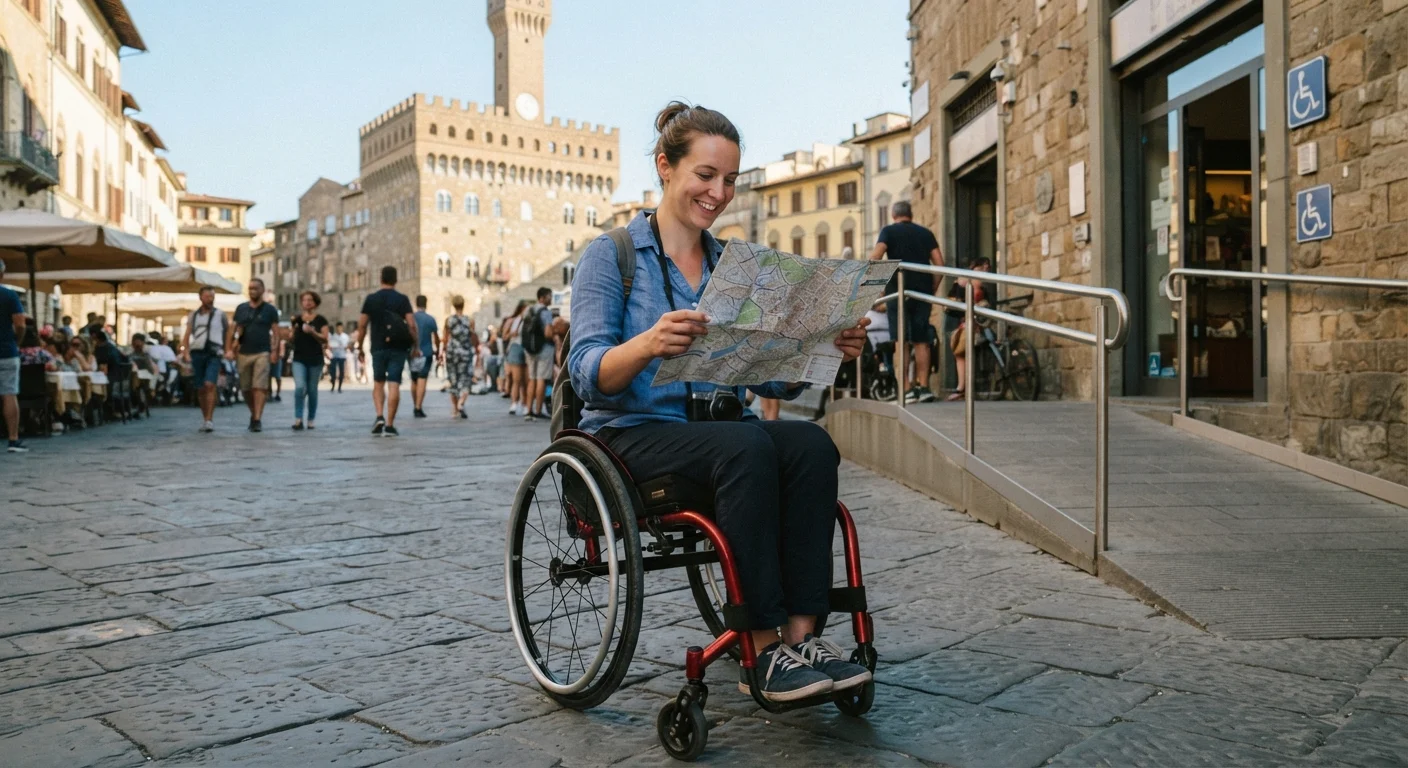
Terrain is often the most overlooked accessibility factor. Cobblestones, steep hills, and limited kerb cuts can make a nominally accessible city genuinely difficult for wheelchair users, travelers with joint conditions, or those using mobility aids. Knowing this upfront lets you compare destinations on a practical rather than aesthetic basis.
Verify accommodation accessibility features directly with the property, not just from listing descriptions.
Listing terms like 'accessible room' are inconsistently applied across countries and platforms. A room described as accessible may still have a step at the entrance, a narrow bathroom door, or limited grab-bar placement. Direct confirmation with the property avoids assumptions that lead to on-arrival problems.
Research local dietary accommodation norms for your specific requirements.
Allergy and dietary awareness varies enormously by destination. In some cities, cross-contamination awareness in restaurants is well-established; in others, staff may not understand the severity of a request or the concept of ingredient substitution. This affects not just comfort but safety for travelers with serious food allergies or religious dietary requirements.
Assess local medical infrastructure and pharmacy access for your health conditions.
Travelers managing chronic conditions, requiring regular medication, or carrying medical devices need to understand what healthcare infrastructure looks like at their destination. Access to pharmacies, hospital quality, and whether your medications are legal to bring into the country are all non-trivial concerns.
Evaluate sensory environment factors if noise, crowds, or sensory load are relevant to your experience.
For travelers with sensory sensitivities — including those on the autism spectrum, those with anxiety disorders, or people with hearing impairments — a destination's typical crowd density, ambient noise levels, and availability of quieter alternatives meaningfully affect the trip's viability. These factors rarely appear in mainstream travel guides.
Check whether your destination's transit network offers step-free or assisted routes.
Many transit networks — even in otherwise accessible cities — have significant gaps in step-free coverage. Assuming metro or bus access is available to all stations can strand travelers mid-itinerary. Researching this in advance allows for realistic route planning or budget allocation toward alternatives like taxis or rideshare.
Where to Find Reliable Accessibility Information
Generic travel reviews rarely capture what you need. Here's where to look instead:
- Official tourism and government sites: Many national and city tourism boards publish dedicated accessibility guides. These are typically accurate but may present an optimistic picture — treat them as a starting point, not a verdict.
- Disability travel communities and forums: First-person accounts from travelers with similar needs are often more candid and specific than any official source. Search for condition-specific travel groups and destination threads.
- Accommodation review platforms: Filter specifically for accessibility features and read the detailed reviews, not just the summary scores. Look for mentions of step counts, lift dimensions, roll-in shower availability, or quiet room options.
- Embassy and consulate resources: For medical needs — particularly those requiring prescribed medications that may be controlled substances in another country — official embassy pages are essential. Always verify before traveling.
If transit access is central to your plans, our article on accessibility on public transit covers what to research and verify before relying on local networks abroad.
When evaluating where to stay, also consider how your hotel's location affects access to key sites. Factors Worth Weighing When Choosing a Hotel Location addresses proximity to transit stops, walkability, and neighbourhood characteristics — all relevant for travelers with specific needs.
Entry requirements, medical regulations, and accessibility standards vary by country and can change. Always verify current conditions through official government and provider sources before making any bookings or travel decisions.