Start With Your Travel Style
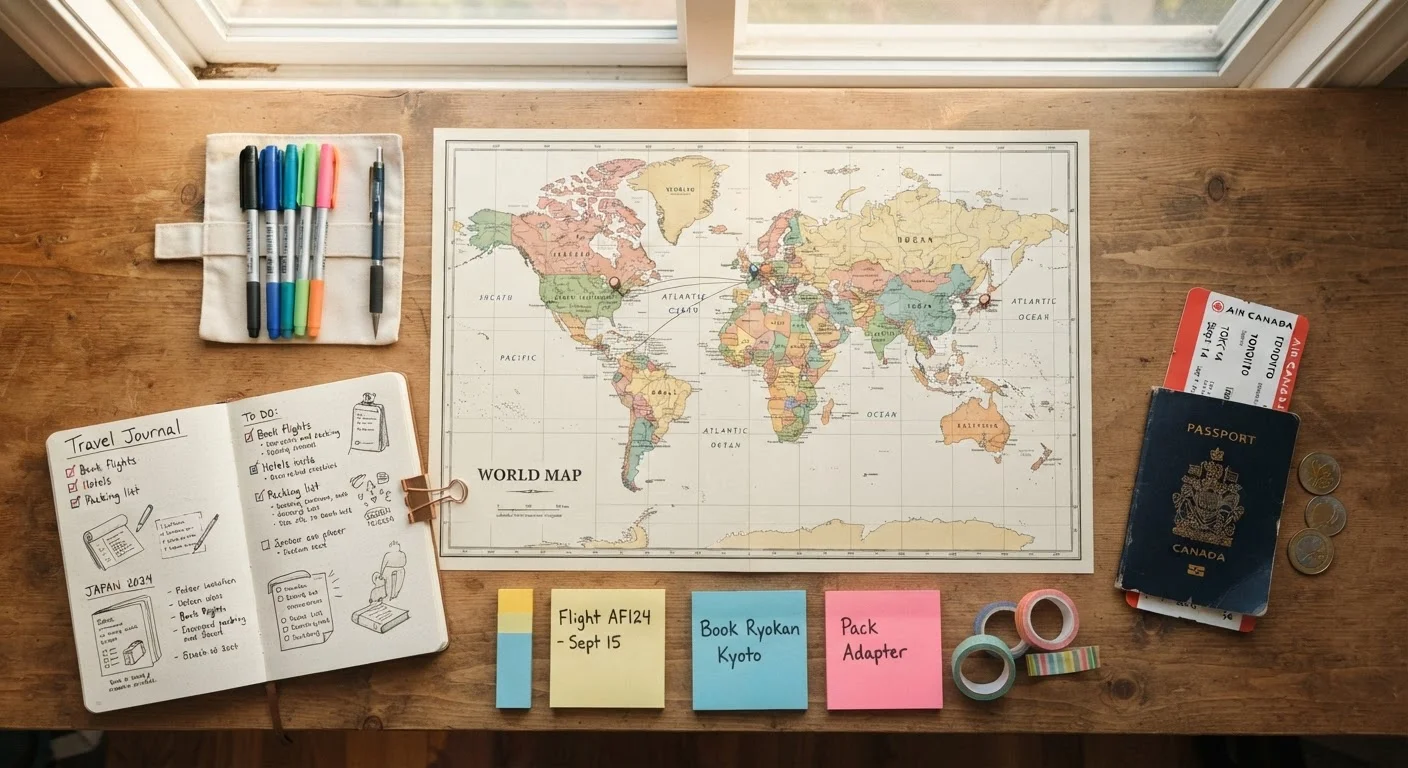
Before opening a single travel website, spend fifteen minutes answering one honest question: what kind of trip do I actually want? First-time travelers often begin by browsing destinations and then trying to retrofit their preferences — this leads to mismatched choices and buyer's remorse after booking.
Instead, define your priorities first. Consider whether you want structured sightseeing, outdoor adventure, beach relaxation, cultural immersion, or a mix of several. Think about your comfort with unfamiliar languages, cuisine, or infrastructure. A traveler who craves predictability and English-language signage has very different needs from one who wants to wander a market without a plan.
Once you have a rough profile, you can use it as a filter rather than a wishlist. This is the foundation of effective destination research. For a broader look at how crowd levels and destination popularity factor into this choice, see our guide on popular vs. off-the-beaten-path destinations.
Write down your travel priorities before you start searching — even a rough ranked list of three things you care most about will prevent you from being swayed by beautiful photos of a destination that doesn't fit your needs.
Decision fatigue sets in quickly when browsing destinations without a framework. A pre-defined priority list acts as an anchor that keeps research focused and reduces the chance of an emotionally driven, poorly matched booking.
When evaluating entry requirements, always check the official government source for your nationality — not the destination country's tourism website, which may reflect ideal rather than actual conditions.
Tourism boards have an incentive to present entry as simple; your own government's travel portal reflects current real-world conditions, including any bilateral tensions or policy changes that affect travelers.
Match Destinations to Your Practical Constraints
Travel style tells you what you want; practical constraints tell you what is realistic. These three factors should govern your shortlist early:
- Budget: Research the general cost of living at a destination — not just flight prices, but daily accommodation, meals, transport, and activities. Some destinations are inherently more affordable for visitors; others carry high costs even for modest travel.
- Trip length: A destination that requires two days just to recover from jet lag may not suit a five-day trip. Factor in travel time realistically.
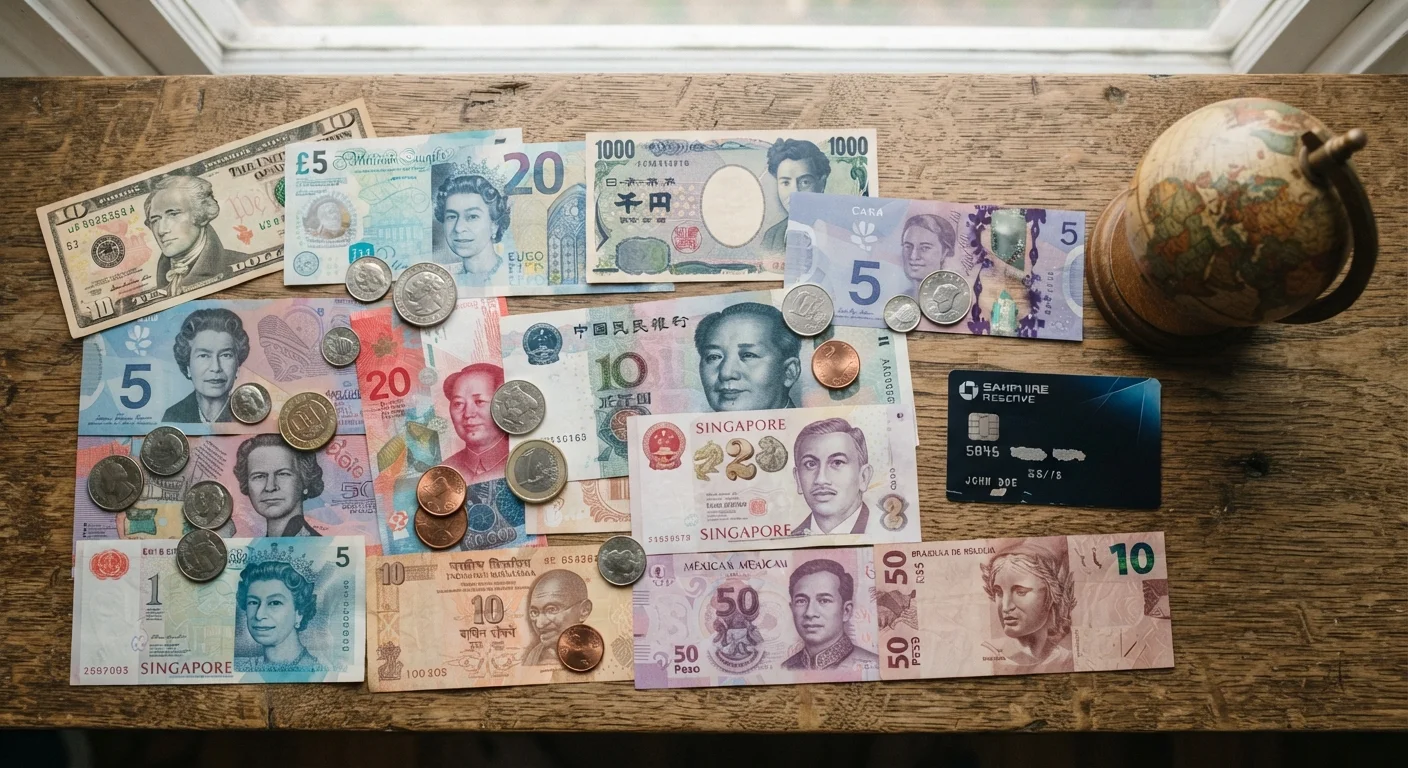
- Passport and visa access: Your passport's strength — the number of countries it grants visa-free or visa-on-arrival entry to — directly shapes your options. Look this up before falling in love with a destination that requires a lengthy or uncertain visa process.
Running these constraints against your travel style quickly narrows a global list to a manageable shortlist of five to eight destinations worth deeper investigation.
195+
Countries worldwide with varying visa policies
Passport strength varies significantly by nationality; checking your specific access rights before shortlisting destinations is essential.
~30%
Of travelers report booking regret tied to destination mismatch
Travel industry surveys consistently find that mismatched expectations — often from inadequate pre-trip research — are among the most common sources of trip dissatisfaction.
Evaluate Logistics and Entry Requirements
Once you have a shortlist, research the practical logistics of actually getting to and moving around each destination. Key areas to examine include:
- Visa requirements
- Check your government's official travel portal (such as travel.state.gov for U.S. citizens) for visa requirements, not third-party blogs. Rules change, and acting on outdated information can result in being denied boarding.
- Health and vaccination advisories
- Some destinations recommend or require specific vaccinations. Consult your national health authority and a travel medicine clinic well in advance — some vaccines require multiple doses weeks apart.
- Flight connections and ground transport
- Note how many connections a destination requires, and what transportation options exist once you land. A destination with limited public transit may require a rental car, which adds cost and complexity for first-timers.
For a thorough checklist of pre-booking checkpoints, the article Things Worth Knowing About a Destination Before You Book Anything covers entry rules, customs, and infrastructure in structured detail.
Always Verify Entry Rules Officially
Visa requirements, vaccination mandates, and border conditions can change with little public notice. Never rely solely on a travel blog or social media post for this information. Check your government's official travel advisory portal and, where applicable, the destination country's embassy website. Verify this information close to your departure date, not just at the time of booking.
Read the Destination's Character
Numbers and logistics only tell part of the story. The character of a destination — its pace, cultural norms, seasonal patterns, and safety environment — will shape your day-to-day experience more than any single data point.
Seasonality: Research the destination's climate calendar. Peak, shoulder, and off-season periods affect not just weather but crowd levels, local business hours, and pricing. Traveling during the wrong season can mean monsoon rains, extreme heat, or closed attractions.
Cultural context: Read about local customs around dress, tipping, photography, religious sites, and social behavior. This isn't about memorizing rules — it's about arriving with enough awareness to be a respectful guest.
Safety environment: Review your government's official travel advisory for the destination. Advisories use tiered language (exercise normal precautions, exercise increased caution, reconsider travel, do not travel) and are updated regularly. Use them as a baseline, not a verdict.
Exploring a range of destination types can help contextualize these differences. The World Destinations hub offers accessible overviews of global regions worth considering as first-time destinations.
Seasonality Can Make or Break a Trip
Traveling during a destination's rainy season, peak heat period, or major local holiday can dramatically affect your experience — sometimes positively, often not. Research the specific months you plan to travel, not just the destination's general climate. Some attractions, parks, or roads may be inaccessible or closed during certain seasons.
Validate and Finalize Your Research
Before committing to a booking, run a brief validation pass on your research. The goal is to catch errors and fill gaps before money changes hands.
- Cross-check key facts: Confirm visa requirements and health advisories on official government websites — not travel blogs, which may be outdated. If two authoritative sources disagree, check a third.
- Look for recent traveler accounts: Recent forum posts or community travel boards can surface current, on-the-ground realities that guidebooks and websites miss — infrastructure disruptions, local events, or seasonal closures.
- Run your itinerary concept against the destination: Can you realistically do what you want in the time you have? Use the resources in Planning Your First Trip Day by Day to stress-test your plan before booking.
- Check the checklist: Use The Itinerary Planning Checklist Every First-Timer Needs to confirm nothing critical has been overlooked.
Thorough research isn't about eliminating all uncertainty — travel always involves the unexpected. It's about making confident, informed decisions so that surprises, when they come, are manageable rather than catastrophic.
Use a Research Log to Stay Organized
Create a simple document or spreadsheet for each destination on your shortlist with columns for visa requirements, estimated daily costs, best travel season, and safety advisory level. Comparing destinations side by side using consistent criteria makes the final choice far more objective and less overwhelming.