
The Gap Between What You Planned and What Travel Actually Costs
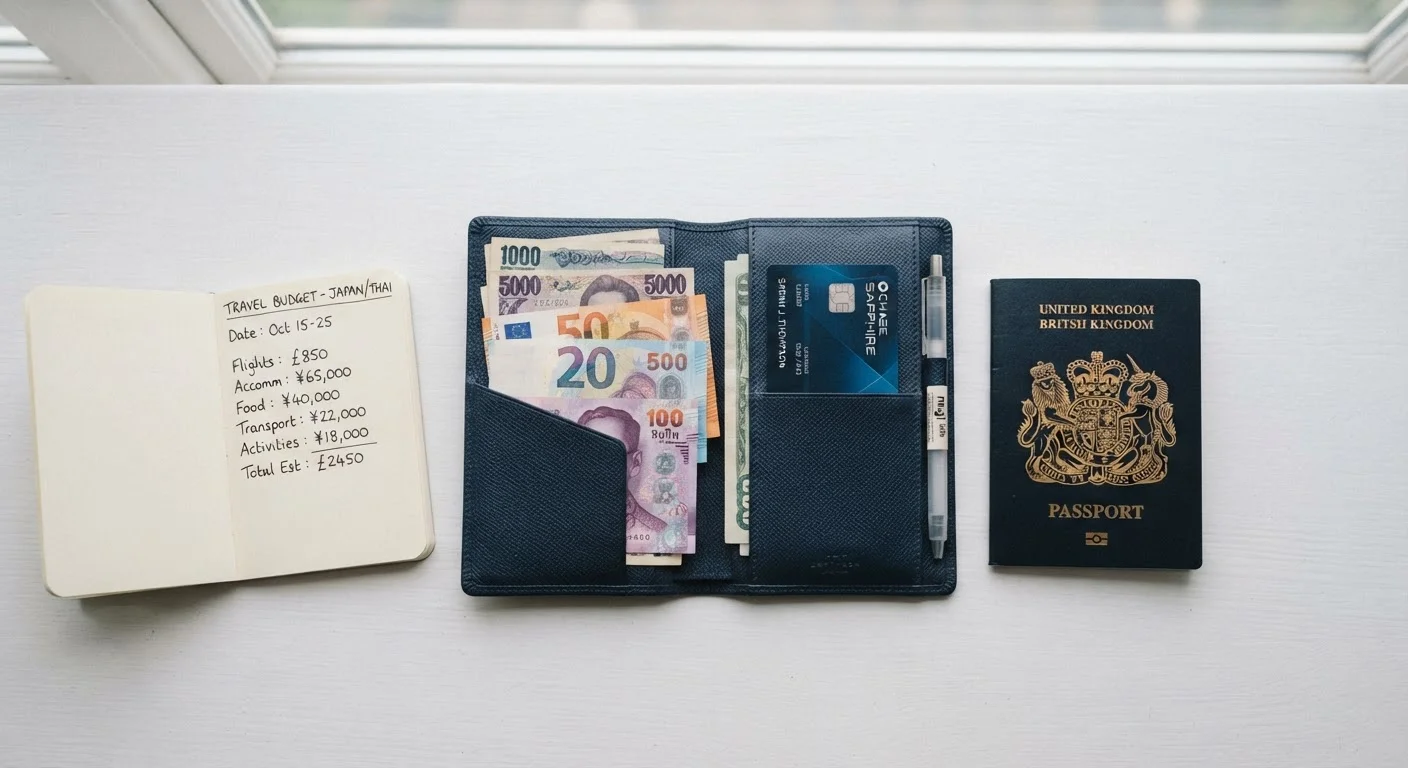
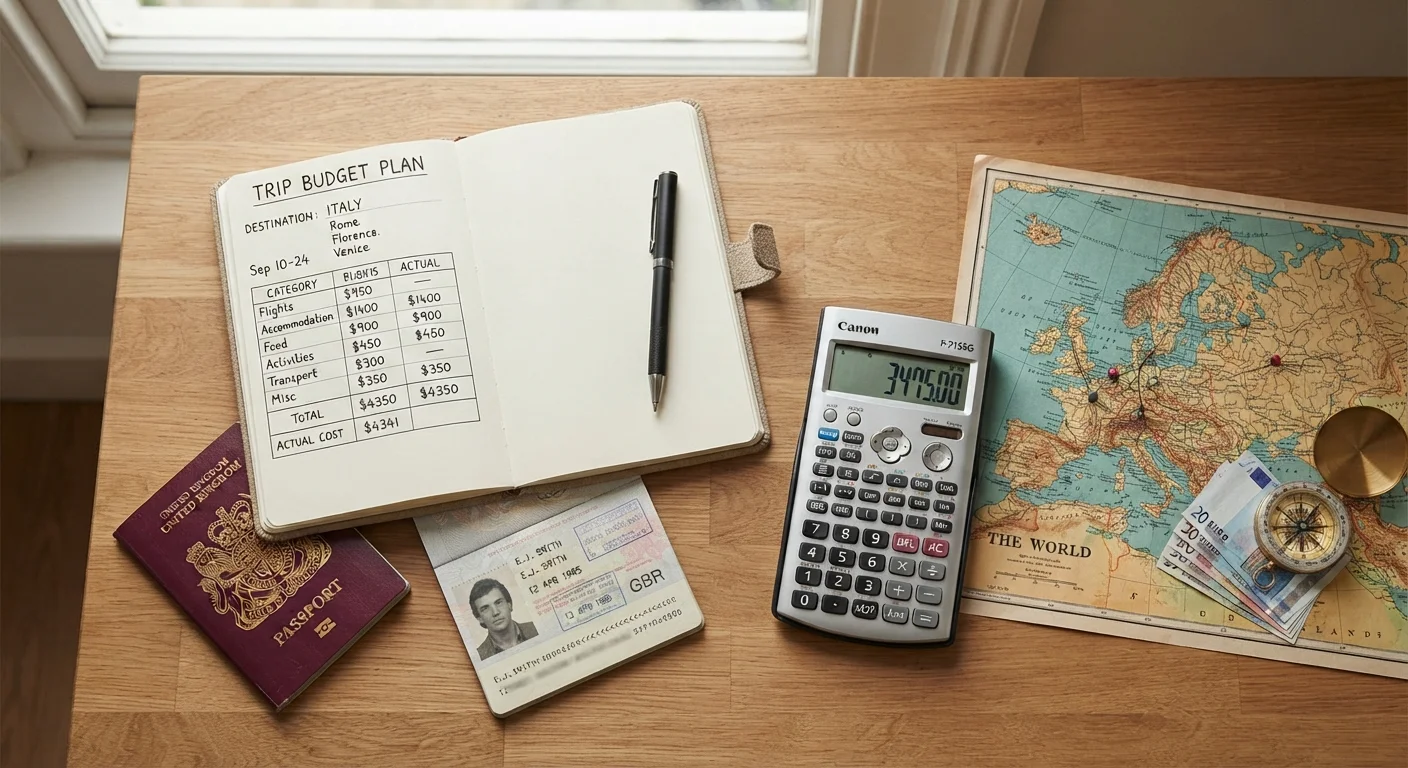
First-time travelers almost always create a budget. The problem isn't the budget itself — it's the assumptions baked into it. Most people price out flights and accommodation, add a rough estimate for food, and call it done. What that approach misses is everything else: airport transfers, luggage fees, attraction entry costs, local transport, tips, travel insurance gaps, and the small daily expenses that add up relentlessly. See our breakdown of common budget myths for a closer look at the beliefs that distort these estimates from the start.
The gap isn't random. It follows predictable patterns. Understanding those patterns is how you close them before you board the plane.
Budgeting only for booked expenses and ignoring day-to-day spending.
Why it happens: Flights and hotels are concrete numbers you can look up. Daily spending feels hard to estimate, so travelers either guess low or skip it entirely.
Ignoring currency conversion fees and ATM withdrawal charges.
Why it happens: These fees are buried in fine print and rarely feel significant on any single transaction, so travelers don't notice them accumulating.
Underestimating transportation costs within the destination.
Why it happens: Travelers focus on the international flight and assume getting around locally will be cheap. Intercity trains, ferries, airport transfers, and ride-shares are rarely cheap in aggregate.
Forgetting about entry fees, taxes, and mandatory tips.
Why it happens: Attraction prices shown online often exclude local taxes, booking fees, or mandatory service charges. Tipping norms are invisible until you're standing at the counter.
Carrying no financial buffer for unexpected costs.
Why it happens: Travelers trying to keep costs down often build the tightest budget possible, leaving no room for illness, delays, lost items, or a single expensive day.
How to Build a Budget That Actually Holds
Fixing these mistakes doesn't require a finance background — it requires a more complete picture upfront. Start by listing every cost category, not just the headline ones. Transportation within your destination, daily incidentals, a realistic dining budget (not just cheap meals), and activities you actually want to do. Then add 15–20% on top as a buffer. That buffer isn't waste — it's the difference between a manageable surprise and a genuine crisis.
15–20%
Recommended contingency buffer for any travel budget
Financial planners consistently recommend reserving this portion of a travel budget for unexpected costs — delays, medical needs, or price surprises on the road.
$50–$150+
Estimated ATM and conversion fees on a two-week trip
Depending on your bank and how frequently you withdraw cash, foreign transaction and ATM fees can accumulate to this range over a typical international trip.
Track spending daily, ideally using a simple note or budgeting app. When you check in against your daily target each evening, you catch drift early enough to adjust rather than running out of options at the end of the trip. For a structured pre-departure review, the pre-departure budget checklist walks through every cost category systematically. And if you want end-to-end guidance on managing money from planning through emergencies abroad, this complete travel money guide covers the full picture.
This article provides general financial information for educational purposes only and is not personalized financial advice. Costs, fees, and exchange rates vary by destination, provider, and timing — verify current figures with official sources before you travel.