Why Southeast Asia Myths Persist
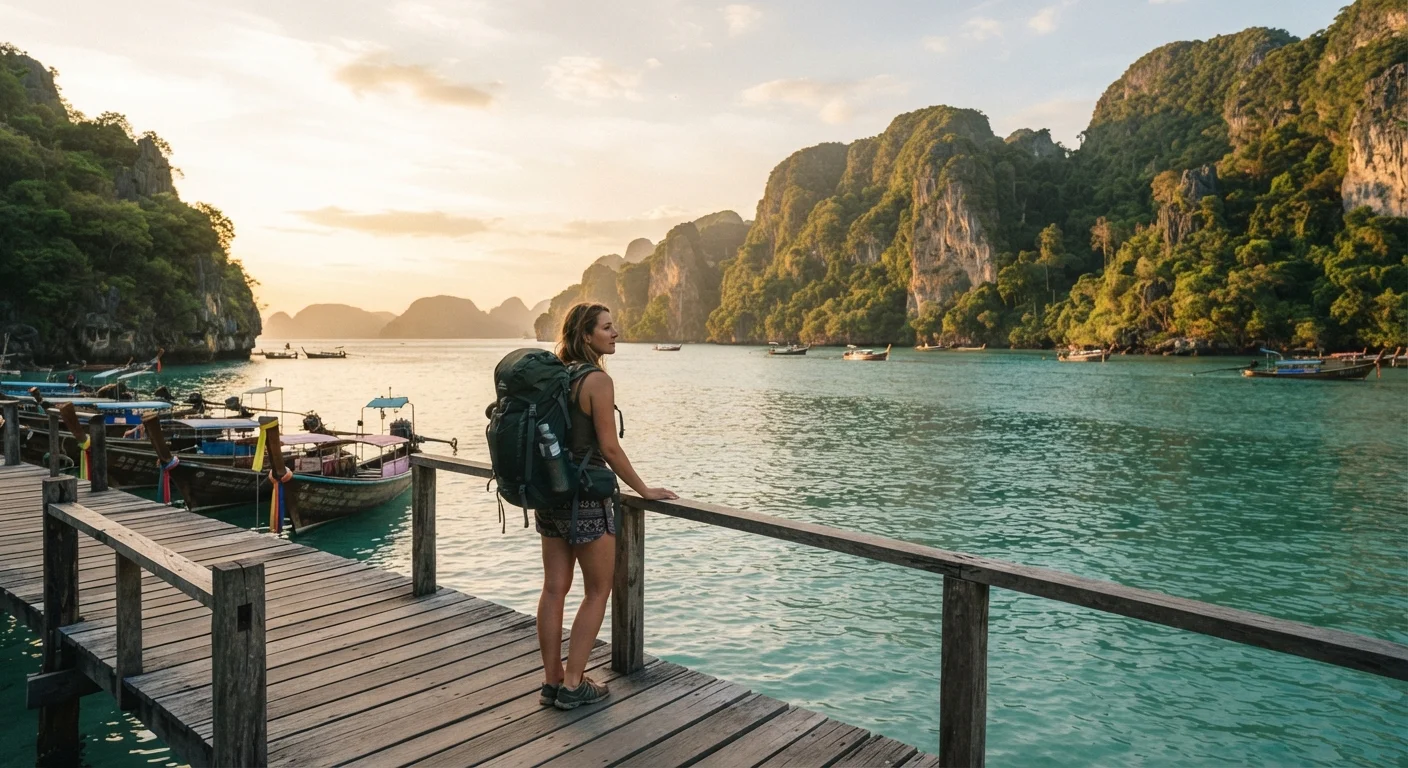
Southeast Asia sits at a curious crossroads in the popular imagination: simultaneously portrayed as a paradise of pristine beaches and ancient temples, and as a chaotic, risky frontier where solo travelers — especially first-timers — are destined to get scammed, lost, or worse. Neither extreme holds up to scrutiny.
Much of the misinformation circulates through word-of-mouth, outdated travel forums, and dramatic anecdotes that represent edge cases rather than typical experiences. The region — spanning countries such as Thailand, Vietnam, Cambodia, Indonesia, and the Philippines — has hosted tens of millions of international visitors annually and has built substantial infrastructure to support independent travel. Yet the myths endure, and they cost some travelers the experience of a lifetime.
For a broader look at how misleading beliefs shape destination choices, see travel myths that steer first-timers toward the wrong destination.
Myth
Southeast Asia is extremely dangerous for solo travelers, especially women.
Fact
Solo travel — including for women — is common and generally manageable throughout the region, though risks vary by location and require standard precautions.
Southeast Asia ranks among the most traveled regions on earth for independent and solo visitors, including women traveling alone. Countries like Thailand and Vietnam have robust tourist infrastructure with well-established solo traveler communities. Petty theft and scams exist, as they do in major cities worldwide, but violent crime against tourists is statistically uncommon in most tourist-frequented areas.
That said, risk is not zero. Certain areas — particularly nightlife zones, poorly lit streets late at night, and remote locations with limited phone coverage — warrant heightened awareness. The practical advice mirrors what applies in most international destinations: share your itinerary with someone at home, use reputable accommodation, trust your instincts, and review actual travel safety guidance rather than generalised fear.
Myth
Southeast Asia is dirt cheap, so you don't need much of a budget.
Fact
Costs vary significantly by country, city, travel style, and season — budget travel is possible but requires planning, and unexpected expenses are common.
The region does offer lower costs than Western Europe or North America for many categories of spending, including accommodation, street food, and local transport. However, the idea that Southeast Asia is uniformly inexpensive can lead to serious budget miscalculations. Singapore is one of the most expensive cities in the world. Bali's tourist areas have seen significant price increases. International flights, travel insurance, visa fees, and activity costs can add up quickly regardless of destination.
A realistic budget depends on which countries you visit, how many nights you spend in each, your accommodation preferences, and how frequently you eat at tourist-oriented restaurants versus local markets. First-timers often underestimate incidental costs: ATM fees, transport between cities, entrance fees at temples and national parks, and medical expenses if something goes wrong.
Myth
You'll be lonely the entire time traveling solo in Southeast Asia.
Fact
The region's traveler infrastructure makes it one of the easiest places in the world to meet other people while still having independence.
Hostels, guesthouses, group day tours, cooking classes, and well-traveled backpacker routes create natural social environments where solo travelers regularly connect with others. Cities like Chiang Mai, Hanoi, and Ubud have entire neighborhoods built around independent travel, with common areas, organized activities, and traveler-friendly cafes designed for exactly this demographic.
Sustained isolation is the exception rather than the rule for most solo visitors. The more relevant challenge for many travelers is the opposite: finding enough quiet time alone when the social environment is so active. Those who do want more solitude often find it easier in rural homestays or less-visited destinations off the main backpacker circuit.
Myth
The language barrier makes solo travel in Southeast Asia nearly impossible without a guide.
Fact
English is widely spoken in tourist areas across the region, and translation tools have made communication in less-visited areas far easier than a decade ago.
In major tourist hubs — Bangkok, Ho Chi Minh City, Siem Reap, Ubud, and similar destinations — English is commonly spoken by hospitality workers, tour operators, and many vendors. Signage in transit hubs frequently appears in English alongside local languages. Smartphone translation apps with offline capability have substantially reduced practical language barriers even in rural areas.
Genuine communication difficulties do arise in remote villages, rural transport, and local markets far from tourist infrastructure. Learning a handful of basic phrases in the local language — greetings, numbers, "thank you" — is genuinely appreciated and can smooth interactions considerably. But the belief that a guide is a practical necessity for navigation and daily logistics significantly overstates the challenge for most itineraries.
Myth
All street food in Southeast Asia will make you sick.
Fact
Street food is a staple of the region's food culture and is generally safe when basic selection criteria are applied.
Street food stalls across Southeast Asia serve locals and travelers daily, and the vast majority of visitors eat street food throughout their trips without illness. The relevant factors are high turnover (food cooked and sold quickly is less likely to sit at unsafe temperatures), visible cooking (watching food prepared in front of you reduces uncertainty), and choosing stalls with queuing locals as a rough indicator of quality and freshness.
Traveler's diarrhea does affect a meaningful proportion of visitors to the region and is typically linked to water quality, ice in drinks, or undercooked proteins rather than street food categorically. Drinking bottled or filtered water, avoiding ice of unknown origin, and washing hands before eating are the most consistently protective habits. Anyone with specific dietary restrictions or health conditions should consult a doctor before travel for tailored guidance.
What First-Timers Should Actually Prepare For
Debunking myths doesn't mean glossing over genuine challenges. A few realities are worth confronting honestly before departure.
Visa requirements vary significantly by nationality and country. Some Southeast Asian nations offer visa-on-arrival or visa-free entry to US passport holders; others require advance applications. Policies change, so always verify current entry requirements through official government sources — the US Department of State's travel website and the destination country's official immigration authority are the most reliable starting points.
Health preparation matters. Depending on your itinerary, your doctor or a travel medicine clinic may recommend vaccinations or prophylactic medications. Consult a qualified healthcare provider well before departure — ideally six to eight weeks out — rather than relying on general online guidance.
Travel insurance is not optional for a sensible trip. Medical evacuation costs in remote parts of the region can be substantial. Choose a policy that covers medical expenses, emergency evacuation, and trip interruption, and read the exclusions carefully before purchasing.
Scams Target First-Time Visitors Specifically
Certain scams — including tuk-tuk detours to commission-paying shops, 'closed attraction' redirection schemes, and counterfeit transport tickets — are well-documented in popular tourist areas across the region. They're rarely dangerous but can be costly and disorienting. Familiarize yourself with the most common local scams before arrival by reading up-to-date reports from official tourism boards or reputable travel resources. Skepticism toward unsolicited offers of help or 'special deals' near major attractions is a consistently useful default.
If you're weighing a structured alternative to fully independent travel, solo cruising offers a different set of trade-offs worth understanding. And if you're deciding between specific destinations, our comparison of Thailand vs. Bali breaks down what each country actually offers a newcomer to the region.
Ultimately, the most grounded preparation combines honest risk assessment with the recognition that millions of solo travelers move through Southeast Asia each year without incident. Informed planning — not fearful avoidance — is what separates a rewarding trip from a stressful one. For a clearer picture of how solo and group travel compare on safety grounds, solo travel vs. group travel lays out the trade-offs directly.