
Why Knowing Your Lodging Types Matters
Booking a place to stay sounds simple — until you're staring at a listing that says "serviced apartment," "boutique inn," or "apart-hotel" and aren't sure what any of it means. Accommodation terminology varies by region, and the gap between what a name implies and what a property actually delivers can be significant.
This reference guide defines every major lodging category you're likely to encounter when planning a trip. It's designed to be scanned, revisited, and used alongside the booking process — not read once and forgotten. If you want to understand how these categories suit different trip styles, see Accommodation for Every Trip Style after working through this glossary.
| Number of major lodging categories | 12+ distinct types (Varies by region and industry classification) |
| Star rating standards | Not globally standardized (Rating bodies differ by country and property type) |
| Most common first-timer choice | Hotel (full-service) (Widely cited industry observation) |
| Fastest-growing category | Vacation rentals (Short-term rental market growth, general industry trend) |
| Regulation of lodging labels | Varies significantly by country (Terms like 'boutique' and 'inn' are not legally defined in most markets) |
Lodging Category Definitions
The entries below cover the categories most travelers encounter during trip planning. Each definition includes what's typically included and where that type tends to fit in a travel context.
Hotel
A commercial lodging property offering private guest rooms with daily housekeeping, on-site reception, and typically a range of services such as room service, a restaurant, or concierge. Hotels are classified by star ratings (1–5), though rating standards differ by country and rating body.
Motel
A roadside lodging type designed for motorists, typically featuring rooms with direct outdoor parking access and minimal shared facilities. Common across the United States, motels generally offer lower price points and fewer amenities than full-service hotels.
Hostel
Budget-oriented accommodation offering dormitory-style shared sleeping rooms, though many hostels also provide private rooms. Bathrooms and common areas are usually shared. Hostels are popular among solo travelers and backpackers and vary widely in quality and atmosphere.
Bed and Breakfast (B&B)
A small, owner-operated property offering overnight accommodation with breakfast included in the room rate. B&Bs typically have fewer than ten rooms and provide a more personal, home-like experience than hotels. The level of formality and amenity varies considerably.
Boutique Hotel
A smaller, independently operated hotel — often with under 100 rooms — characterized by distinctive design, a specific theme or aesthetic, and personalized service. The term is not formally regulated and is applied broadly across properties of varying quality.
Resort
A self-contained lodging property designed so guests can spend most or all of their stay on-site, typically offering amenities such as pools, spas, restaurants, recreation programs, and entertainment. All-inclusive resorts bundle meals and activities into one upfront price.
Serviced Apartment
A fully furnished apartment rented for short or extended stays, including kitchen facilities, laundry, and regular housekeeping. Often used by business travelers or those staying a week or longer who want more space and independence than a standard hotel room provides.
Apart-Hotel (Aparthotel)
A hybrid property combining hotel-style services — such as reception, housekeeping, and shared amenities — with self-contained apartment units that include kitchen facilities. Common in urban centers and popular for stays of several nights to several weeks.
Vacation Rental
A privately owned home, apartment, cabin, or villa rented out to travelers on a short-term basis. Listings appear on various booking platforms. Guests typically have the entire property to themselves, but services like daily housekeeping are not standard.
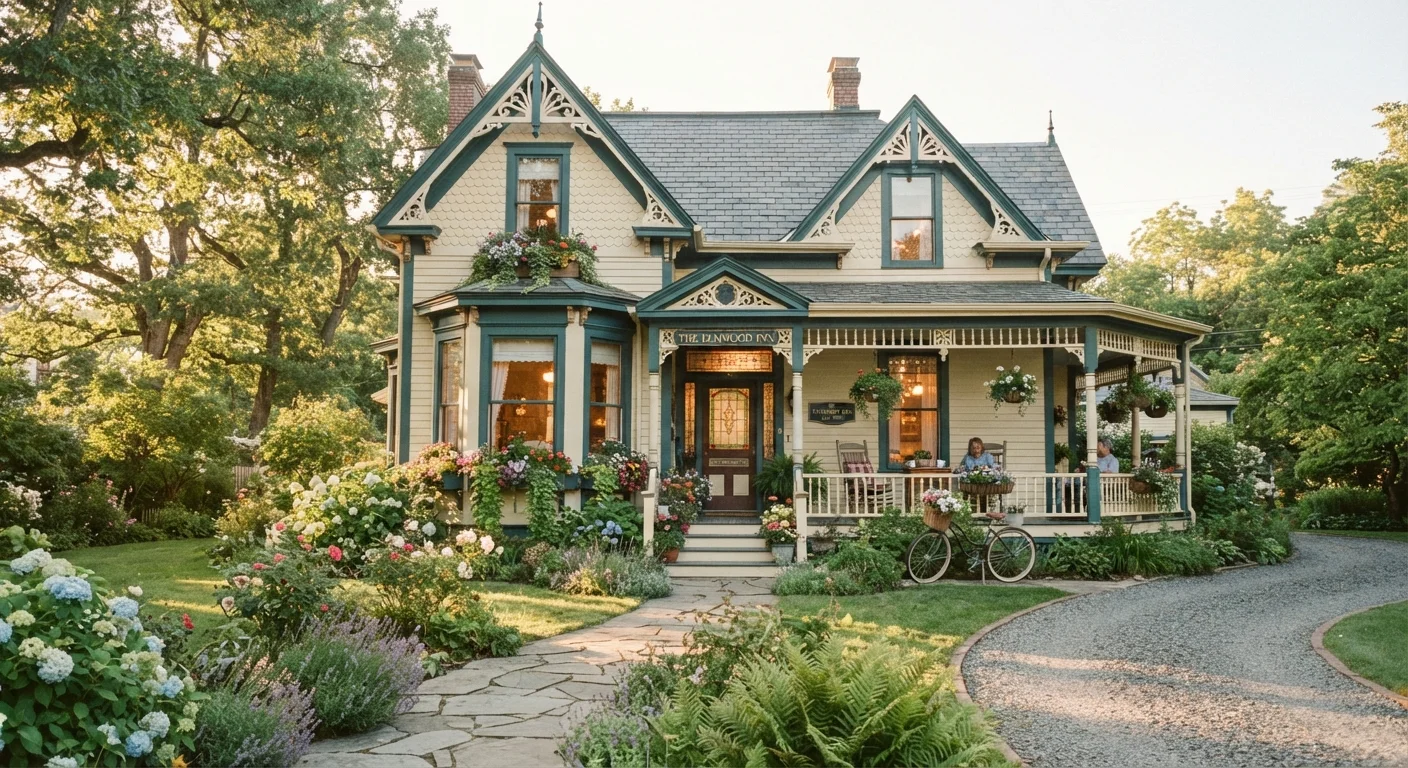
Inn
A small lodging property, often historically associated with rural or roadside locations. Modern inns vary in style from rustic to refined and may or may not include breakfast. The term overlaps with B&B in practice and is used loosely in many markets.
Capsule Hotel
An accommodation format originating in Japan in which guests sleep in compact, pod-like sleeping units stacked in rows. Bathrooms and lounges are shared. Capsule hotels are designed for travelers who need minimal space at a lower cost, often near transit hubs.
Glamping
A portmanteau of 'glamorous' and 'camping,' glamping refers to outdoor accommodation — such as safari tents, yurts, treehouses, or geodesic domes — that includes comfort features like beds, electricity, and sometimes private bathrooms, unlike traditional camping.
For a side-by-side comparison of eight of these categories across key traveler considerations, the Lodging Types at a Glance article puts them in a structured table format.
If you're planning a longer stay and weighing serviced apartments against extended-stay hotels, the Serviced Apartments, Extended-Stay Hotels, and Monthly Rentals Compared guide offers a detailed cost and flexibility breakdown.
What the Labels Don't Always Tell You
Category names alone don't guarantee a consistent experience. A "boutique hotel" in one city may be a design-forward property with curated amenities; in another, the same label may apply to a small, independently owned property with few services. Regulation of these terms varies significantly by country.
Star Ratings Are Not Universal
Hotel star ratings are assigned by different bodies in different countries — government agencies, national tourism boards, automobile clubs, or private rating companies. A three-star hotel in one country may offer significantly more or less than a three-star property elsewhere. Always read guest reviews and check what specific amenities are confirmed in the listing rather than relying on star count alone.
Before committing to any listing, verify what's included, what's shared, and what costs extra. Terms like "city view," "shared facilities," and "sleeps 4" carry specific implications that aren't always obvious. The Reading Accommodation Listings Without Being Misled guide walks through how to decode listing language before you book.
If you're still building your broader trip framework, the Smart Booking hub covers timing, cancellation policies, and avoiding the most common first-timer booking mistakes. For rate terminology specifically, Hotel Rate Jargon Decoded explains pricing terms in plain English.
With a clear understanding of lodging categories, you're far better equipped to filter options, read listings critically, and choose accommodation that genuinely fits your trip — rather than one that simply sounds right.