How a B&B Differs from a Hotel or Rental
A bed and breakfast occupies a distinct middle ground in the lodging world. It's more personal than a hotel, more structured than a vacation rental, and more intimate than either. Understanding where it fits helps you decide whether it's right for your trip.
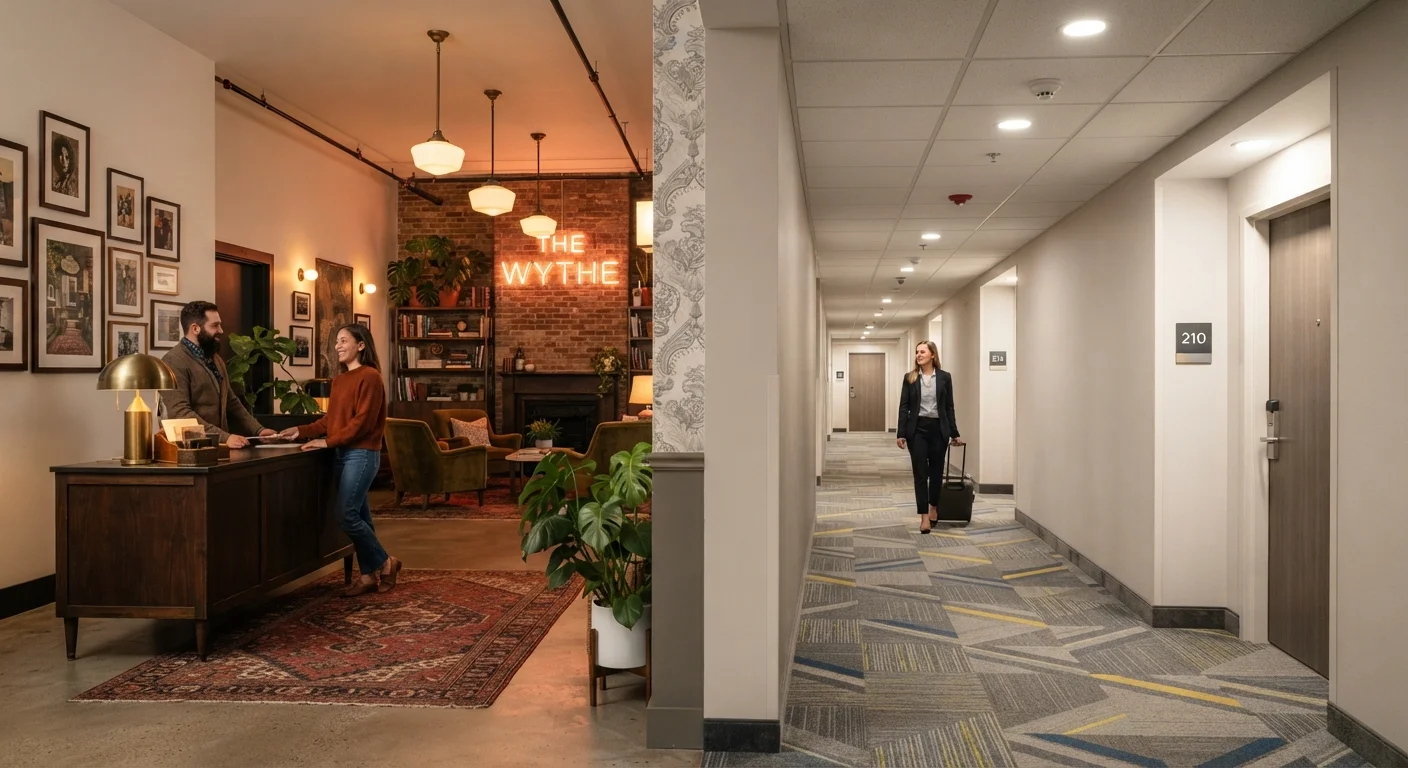
At a hotel, you interact primarily with staff at a front desk. At a rental, you're essentially on your own in someone's property. At a B&B, you're a guest in a home where the owner is present — often sharing common spaces like a sitting room or garden — and breakfast is part of the arrangement, not an add-on.
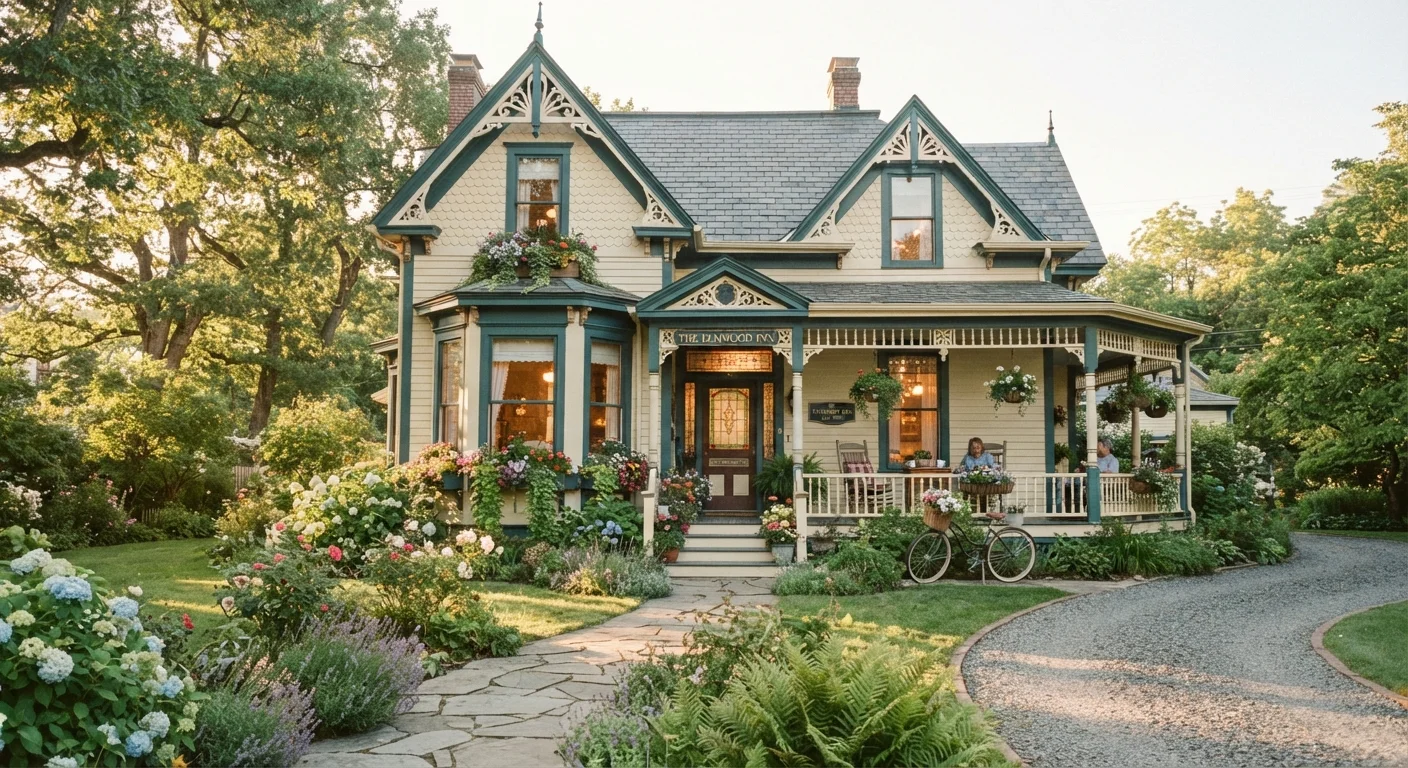
This matters in practical terms. There's no 24-hour front desk. Room service doesn't exist. But what you gain is character: many B&Bs occupy historic homes, farmhouses, or architecturally distinctive buildings that chain hotels simply can't replicate. See how this lodging type stacks up against others in our breakdown of hotels, hostels, and rentals.
~17,000
B&Bs operating in the United States
Industry estimates from the Professional Association of Innkeepers International suggest tens of thousands of small inns and B&Bs operate across the country, though counts fluctuate with market conditions.
6 or fewer
Typical guest rooms at a B&B
Most traditional B&Bs have a small number of rooms — commonly under 10 — which is what distinguishes the format from a small boutique hotel.
What the Typical Stay Actually Looks Like
When you arrive at a B&B, expect a personal welcome from the host — not a check-in queue. Many properties have a set check-in window, commonly between 3 p.m. and 6 p.m. Arriving outside that window without advance notice can cause genuine problems, since no one may be available to let you in.
Your room will be uniquely furnished — no two rooms in a B&B are identical. Shared spaces such as parlors, gardens, or reading rooms are common, and you may interact with other guests over breakfast. That social dimension is a feature for some travelers and a drawback for others.
Breakfast is typically served at a set time, not on demand. Hosts often ask in advance about dietary restrictions. Meals range from simple continental spreads to elaborate cooked breakfasts depending on the property.
Always Communicate Your Arrival Time
Unlike hotels, B&Bs don't have round-the-clock staffing. Contact your host at least 24 hours before arrival to confirm your expected check-in time. If your plans change — especially due to flight delays — reach out as soon as possible. A quick message prevents a frustrating arrival experience.
House rules are real and worth reading. Quiet hours, no-smoking policies, restrictions on guests in rooms, and pet policies vary by property and are usually stricter than at a hotel. Treat the space like a guest in someone's home — because, in many cases, you are.
Who B&Bs Work Best For — and Who Should Look Elsewhere
B&Bs are a strong fit for travelers who value local knowledge, authentic settings, and human connection. Hosts are often deeply knowledgeable about their area and happy to recommend restaurants, routes, or off-the-beaten-path attractions that no guidebook lists.
They also suit travelers who want a slower, quieter pace — couples on weekend getaways, visitors exploring rural or historic areas, or anyone tired of identical hotel corridors. Many B&Bs are found in smaller towns or scenic destinations where large hotels simply aren't available.
On the other hand, B&Bs may not suit travelers who need late-night flexibility, frequent comings and goings, or a high degree of anonymity. Business travelers needing reliable Wi-Fi, meeting space, or a gym will often find hotel infrastructure more practical. Families with very young children should verify policies in advance, as some B&Bs cater specifically to adults.
For a broader look at how B&Bs fit within the full range of accommodation options, the full lodging type reference guide covers everything from boutique inns to extended-stay apartments.
Booking a B&B: What to Confirm Before You Pay
Because every B&B is independently operated, the details that hotels standardize — bathroom type, breakfast format, cancellation policy, parking — need to be verified property by property. Before confirming a reservation, clarify the following:
- Bathroom arrangement: Is the bathroom en-suite (private) or shared?
- Breakfast details: What's included, at what time, and can dietary needs be accommodated?
- Check-in window: What hours are available, and what happens if you arrive late?
- Cancellation policy: Many small B&Bs have stricter cancellation terms than chain hotels — understand the refund terms before you pay.
- House rules: Quiet hours, pet policy, smoking policy, and guest restrictions.
- Payment methods: Some B&Bs are cash-only or don't accept all card types.
If you're still getting comfortable comparing lodging categories, our beginner's guide to lodging types walks through the key questions to ask before any booking.
Cancellation Policies Vary Widely
Because B&Bs operate on thin margins with very few rooms, many have stricter cancellation terms than large hotels. Some require full payment upfront or offer no refund within a certain window before arrival. Read the cancellation policy carefully before booking, and consider travel insurance if your plans might change.