
What Each Option Actually Is
When a trip stretches beyond a week, standard hotels start to feel limiting — and expensive. Three alternative categories fill this gap, and understanding how they differ is the first step to choosing confidently. See our beginner's guide to lodging types for the full landscape.
Serviced Apartments
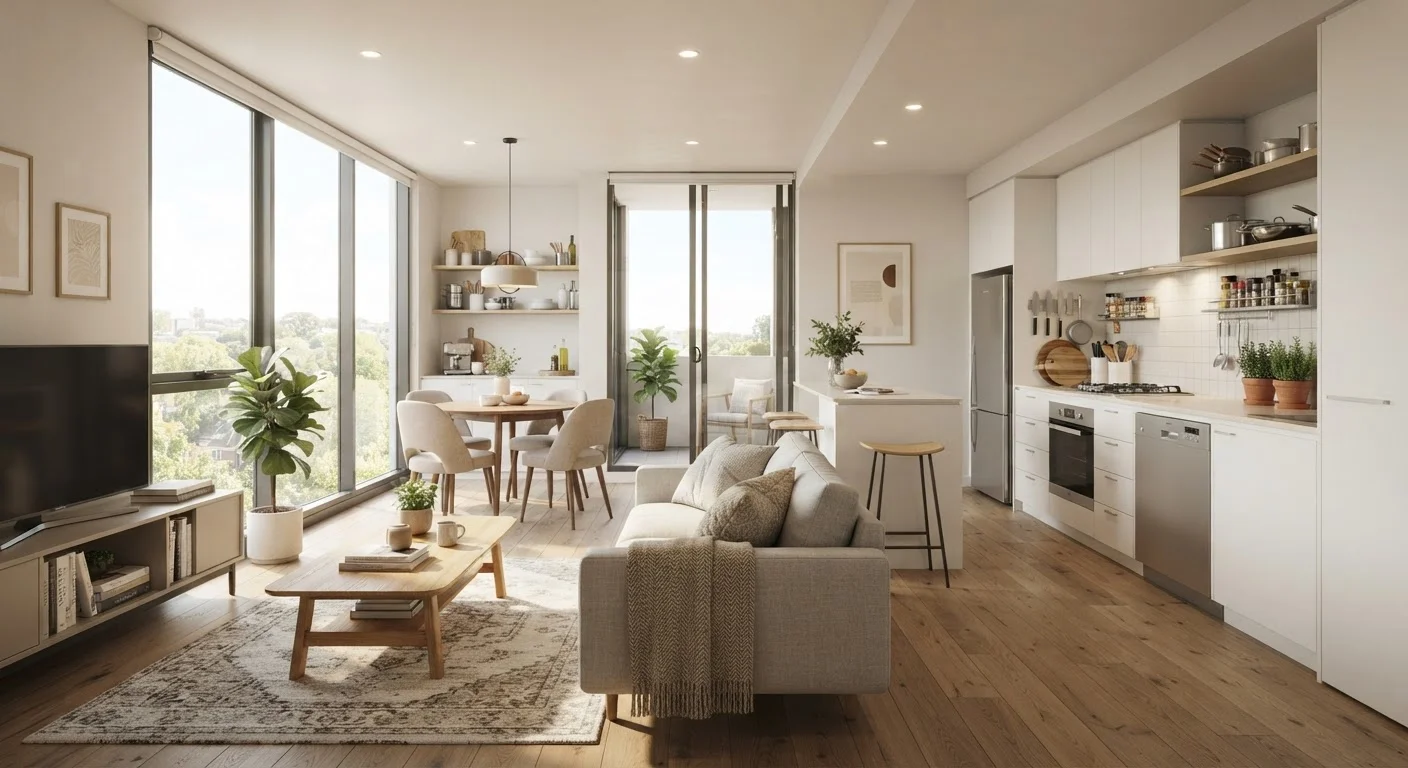
A serviced apartment is a fully furnished unit — typically with a separate bedroom, kitchen, and living area — that is professionally managed like a hotel. Guests receive regular housekeeping, front-desk support, and often on-site amenities such as a gym or concierge. Minimum stays are commonly seven nights, though some properties accept shorter bookings.
Extended-Stay Hotels
These are hotel properties specifically designed for longer visits, usually offering studio or suite-style rooms with a kitchenette (a compact setup with a microwave, mini-fridge, and stovetop rather than a full kitchen). They operate under standard hotel terms: nightly rates, daily housekeeping options, and no lease requirement.
Monthly Rentals
Monthly rentals are privately owned apartments or houses rented directly from a landlord or through a platform, typically for 30 days or more. Unlike the two options above, they are rarely furnished to a hotel standard, may or may not include utilities, and generally involve some form of rental agreement. The full spectrum of accommodation guide covers how these categories sit within the broader lodging world.
Side-by-Side Comparison
The table below compares the three options across the criteria that matter most for longer stays. Use it as a quick reference, then read the sections below for context on what each row actually means in practice.
| Serviced Apartment | Extended-Stay Hotel | Monthly Rental | |
|---|---|---|---|
| Typical minimum stay | 7 nights (varies) | 1–3 nights | 30 days |
| Kitchen facilities | Full kitchen | Kitchenette only | Full kitchen (usually) |
| Housekeeping | Weekly or on request | Daily or optional | Not included |
| Utilities included | Usually yes | Usually yes | Often separate cost |
| Flexibility to leave early | Moderate (deposit may apply) | High (hotel terms) | Low (lease terms) |
| On-site staff/support | Yes, hotel-style | Yes, full front desk | No (landlord only) |
| Relative nightly cost | Mid-range | Higher per night | Lowest per night |
| Paperwork required | Minimal | Minimal | Rental agreement required |
Cost, Flexibility, and What's Included
Nightly cost generally decreases as commitment increases. Extended-stay hotels carry the highest per-night rate because they require no lease and carry hotel overheads. Serviced apartments sit in the middle — they often include utilities and Wi-Fi in one quoted price, which makes budgeting easier. Monthly rentals tend to have the lowest nightly equivalent, but utilities, internet, and even furniture may be extra, so the final cost can surprise you.
Always Request a Full Cost Breakdown
Before committing to any extended lodging, ask for a written breakdown of exactly what the quoted price covers: utilities, Wi-Fi, parking, housekeeping frequency, and any fees for early checkout or late check-in. A lower headline rate can become more expensive once add-ons are factored in. Comparing total monthly cost — not just nightly rate — is the most reliable way to make a fair comparison.
Flexibility works in the opposite direction. Extended-stay hotels allow you to check out with little notice — a real advantage if your plans are uncertain. Serviced apartments usually ask for several days' notice and may hold a deposit. Monthly rentals often require 30 days' notice to vacate and may include early-termination clauses.
For a broader view of how booking terms affect your overall costs, the Travel Money hub offers practical guidance on managing accommodation budgets.
~30%
Typical nightly savings vs. standard hotels
Industry observers generally estimate extended-stay and serviced apartment rates run 20–40% below comparable standard hotel rates for stays of a week or more, though actual figures vary by market.
30+ days
Minimum stay for most monthly rental agreements
Most private monthly rentals require at least a 30-day commitment, which distinguishes them legally and operationally from short-term lodging in many jurisdictions.
Self-Sufficiency vs. Support: Finding Your Comfort Level
One underappreciated dimension is how much daily management you want to take on. Serviced apartments and extended-stay hotels handle maintenance issues, replace broken appliances, and have staff available — much like a regular hotel. If something breaks in a monthly rental, the process for getting it fixed depends entirely on your landlord.
Monthly rentals also require you to set up utilities in some cases, arrange your own internet service, and handle move-in inspections. For first-time travelers unfamiliar with local rental norms, this can be stressful. If you are comparing this option to a short-term stay in a shared property, our article on the honest trade-offs of hostel stays illustrates how self-management expectations shift across lodging types.
A useful rule of thumb: if your stay is under 30 days or your schedule is uncertain, lean toward a serviced apartment or extended-stay hotel. If you have a fixed end date beyond six weeks and want to minimize nightly costs, a monthly rental warrants the extra planning effort. For matching this decision to your broader travel goals, see accommodation for every trip style.
Read Cancellation and Lease Terms Carefully
Monthly rental agreements and some serviced apartment contracts may include clauses that forfeit part of your deposit if you leave early or provide insufficient notice. In some markets, short-term rental regulations also affect what landlords can legally offer visitors. Always read the full terms before signing or paying a deposit, and confirm that the property is legally permitted to host short-term guests if relevant to your situation.