Why Lodging Type Matters More Than You Think
For first-time travelers, picking a place to sleep can feel like a minor detail — until you arrive and realize the room has four bunk beds and strangers, not the private retreat you imagined. Lodging type shapes your entire trip: your budget, your comfort level, your access to amenities, and even how safe you feel. Before you book anything, it helps to understand what each category actually offers.
This comparison covers eight common accommodation categories. For a deeper plain-language breakdown of how hotels, hostels, and rentals differ fundamentally, see what actually sets them apart. Here, the focus is on stacking them side by side so you can filter fast.
| Hotels | Hostels | B&Bs | Vacation Rentals | Capsule Hotels | Glamping | |
|---|---|---|---|---|---|---|
| Privacy level | High — private room | Low — shared dorms | Medium — private room | High — whole property | Low — shared areas | High — private unit |
| Typical relative cost | Moderate to high | Low | Moderate | Varies; fees add up | Low | Moderate to high |
| Kitchen access | Rarely included | Shared kitchen often | Rarely included | Usually full kitchen | None | Limited or none |
| Best group size | 1–2 travelers | Solo travelers | 1–2 travelers | 3+ travelers | Solo travelers | 1–2 travelers |
| Ideal trip length | Any | Short to medium | Short | Medium to long | 1–2 nights | Short to medium |
| Amenities consistency | High (branded chains) | Variable | Variable | Variable | Standardized pods | Variable |
| Social atmosphere | Low to moderate | High | Moderate | Low | Low | Low |
| Beginner-friendliness | High | Moderate | Moderate | Moderate | Low | Moderate |
Breaking Down Each Lodging Category
Traditional Hotels
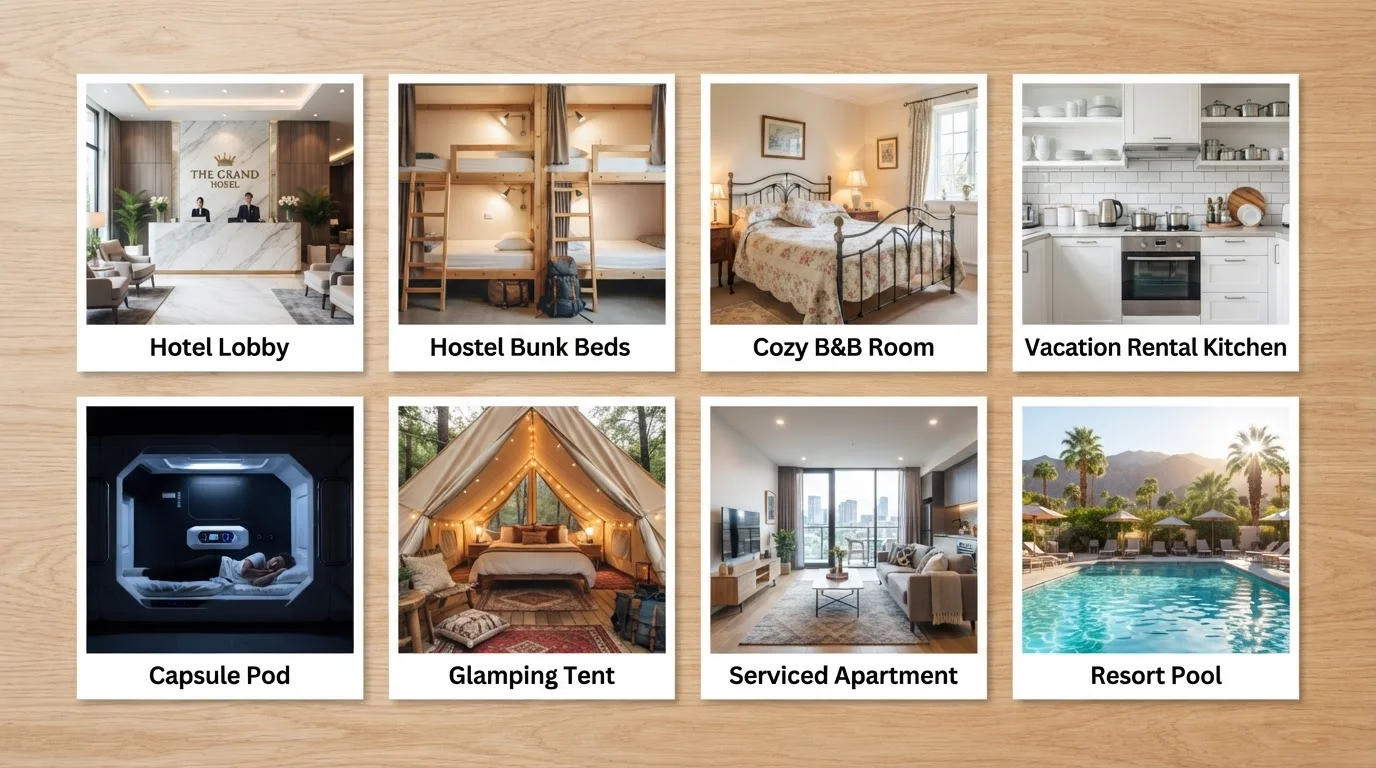
Hotels offer private rooms, daily housekeeping, front-desk support, and consistent standards — especially within branded chains. They're the most beginner-friendly option because what you see in the listing is generally what you get. Room tier names like "Standard" or "Deluxe" can be confusing, though; understand what room categories mean before assuming an upgrade is worth the extra cost.
Hostels
Hostels offer dormitory-style shared rooms (typically 4–12 beds) at a fraction of hotel prices. Many also have private rooms. Common areas encourage socializing, which makes hostels popular with solo travelers. The trade-off: less privacy and shared bathrooms.
Bed and Breakfasts (B&Bs)
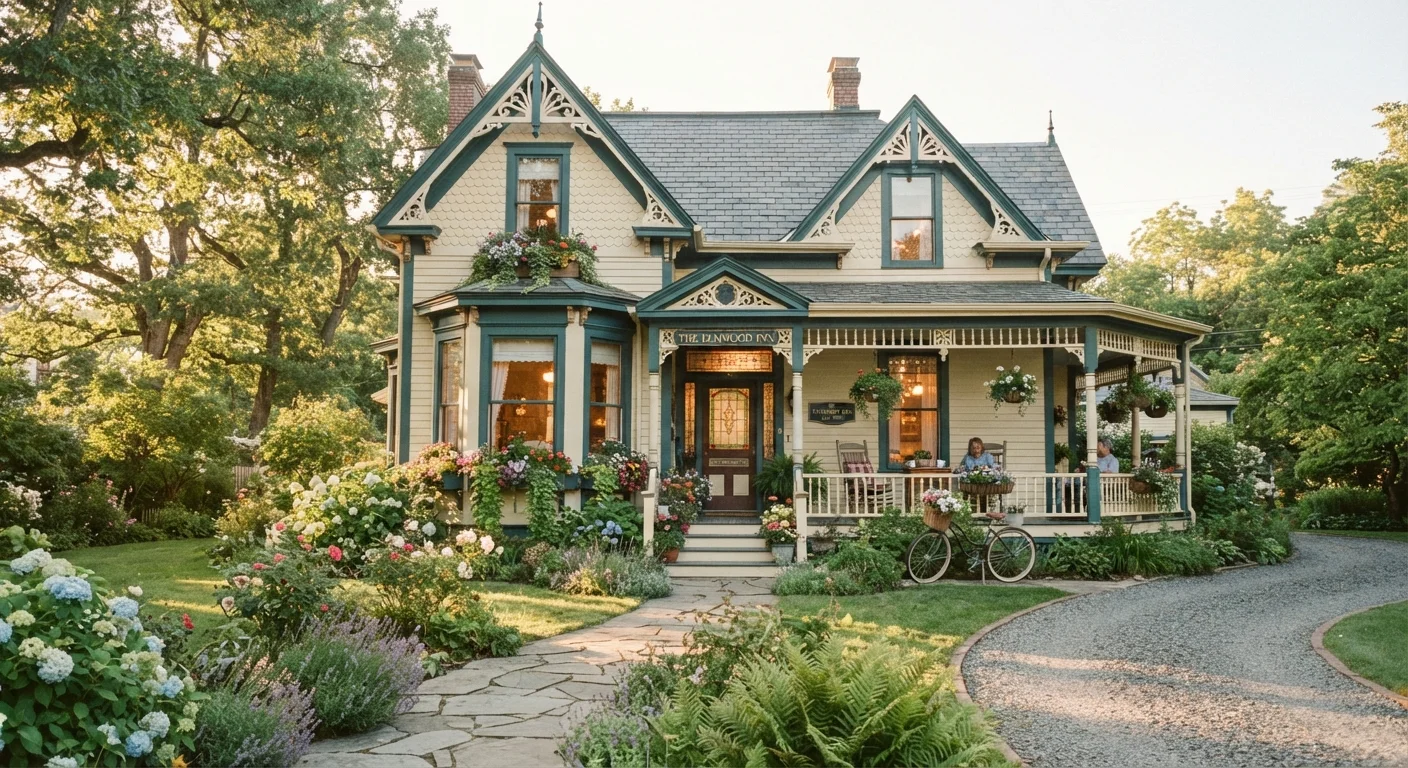
B&Bs are small, often owner-operated properties where breakfast is included. They tend to feel more personal than hotels. Quality and amenities vary widely since there's no universal standard, so reading recent guest reviews is especially important.
Vacation Rentals
Platforms that list privately owned homes, apartments, or condos give travelers access to full kitchens, living areas, and multiple bedrooms — practical for families or groups. Costs can spike with cleaning and service fees, so always check the total before booking, not just the nightly rate.
Always Check the Total Price on Rentals
Vacation rental listings often display an attractive nightly rate, but cleaning fees, service fees, and local taxes can add 30–50% or more to the final cost. Before comparing a rental to a hotel, view the total price for your full stay — not just the per-night figure. This single step prevents one of the most common booking surprises for first-time travelers.
Capsule Hotels
Originating in Japan, capsule hotels offer compact sleeping pods — enough space to lie down, with basic lighting and outlets. They're affordable, efficient, and novel, but offer minimal personal space. Common in transit hubs and urban centers in Asia.
Glamping
Short for "glamorous camping," glamping combines outdoor settings with hotel-style comforts: real beds, electricity, and sometimes private bathrooms. Safari tents, treehouses, and domed pods are common formats. Prices can rival mid-range hotels.
Boutique Hotels
Boutique hotels are independently owned, typically smaller (under 100 rooms), and designed with a distinct aesthetic or local character. Service tends to be more personalized than large chains, but pricing and standards vary.
Extended-Stay Properties
Serviced apartments and extended-stay hotels are designed for stays of a week or more, offering kitchenettes or full kitchens and laundry access. If you're planning a longer trip, compare extended lodging options to understand what's actually included.
How to Choose: Three Filters That Cut Through the Noise
Most travelers narrow their lodging decision using three practical filters:
- Budget: Total cost matters more than nightly rate. Factor in fees, taxes, and whether meals are included. Hostels and capsule hotels sit at the low end; boutique hotels and glamping at the higher end.
- Group size and privacy needs: Solo travelers have the most flexibility. Couples often find hotels or B&Bs ideal. Families and groups of four or more frequently save money in vacation rentals despite upfront fees.
- Length of stay: Shorter trips (one to three nights) suit hotels and hostels well. Stays of a week or more often make extended-stay properties or rentals more practical and economical.
Once you've settled on a lodging type, the next step is learning when and how to book to avoid overpaying or running into availability issues. Smart booking strategies walk you through timing, cancellation policies, and what to watch for in the fine print. You can also use hotel basics to set expectations for what check-in, amenities, and checkout typically look like — especially if it's your first hotel stay.