Why Transit Trips Go Wrong for First-Timers
Public transportation systems are designed for people who use them every day — not for visitors encountering them for the first time. Signage assumes familiarity, fare rules go unposted, and platform etiquette is rarely explained anywhere. The result: even confident travelers board the wrong train, pay the wrong fare, or end up stranded after the last service runs.
The good news is that nearly every beginner mistake follows a predictable pattern. Understanding what tends to go wrong — and why — puts you well ahead before you tap your first card or buy your first ticket. For a broader walkthrough of how to approach an unfamiliar system from start to finish, see our end-to-end guide to using public transport in an unfamiliar city.
Boarding in the wrong direction — taking the train or bus away from your destination instead of toward it.
Why it happens: Platform signage typically shows the terminal stop of a line, not the intermediate stops. First-timers often don't know which terminal corresponds to which direction on the map.
Skipping ticket validation — paying for a fare but failing to stamp or scan it at the required machine.
Why it happens: Many systems, particularly in Europe and South America, use an honor-based model where barriers aren't present at every entry point. Travelers assume that buying a ticket is sufficient proof of payment.
Missing the last service of the night by assuming transit runs around the clock.
Why it happens: Many metro and bus systems scale back significantly after 11 p.m. and stop entirely before 1 a.m. Visitors accustomed to 24-hour city systems — or to rideshare apps — don't think to check.
Paying cash on buses or trams that only accept prepaid fare cards or contactless payment.
Why it happens: Travelers assume that cash is universally accepted on public transport, as it is in many places. Some cities have eliminated cash payment from buses entirely to speed up boarding.
Traveling outside the fare zone covered by your ticket, resulting in penalty charges or exit barriers that won't open.
Why it happens: Zone-based systems can look deceptively simple on a map. Tourists often underestimate how quickly a short trip can cross into a higher fare zone, especially near city edges or airports.
Fare Systems, Maps, and the Details That Catch Beginners Off Guard
Beyond the mistakes listed above, two areas consistently trip up first-time riders: understanding how to pay and how to read the network.
40%+
Fare evasion fines issued to tourists
Transport enforcement agencies in several major European cities report that a significant share of penalty notices are issued to visitors who paid but failed to validate their ticket correctly.
11 p.m.
Typical last metro service in many cities
While exact times vary, most urban metro systems outside 24-hour networks run their final services between 11 p.m. and midnight on weekdays, often earlier on Sundays.
Payment methods vary more than most travelers expect. Some cities use dedicated transit cards you load with credit; others accept contactless bank cards directly; a few still rely primarily on paper tickets bought at machines. The rules for each differ — some require tapping both on and off, others only on entry. Our guide to contactless cards, transit cards, and paper tickets explains what you're likely to encounter before you arrive.
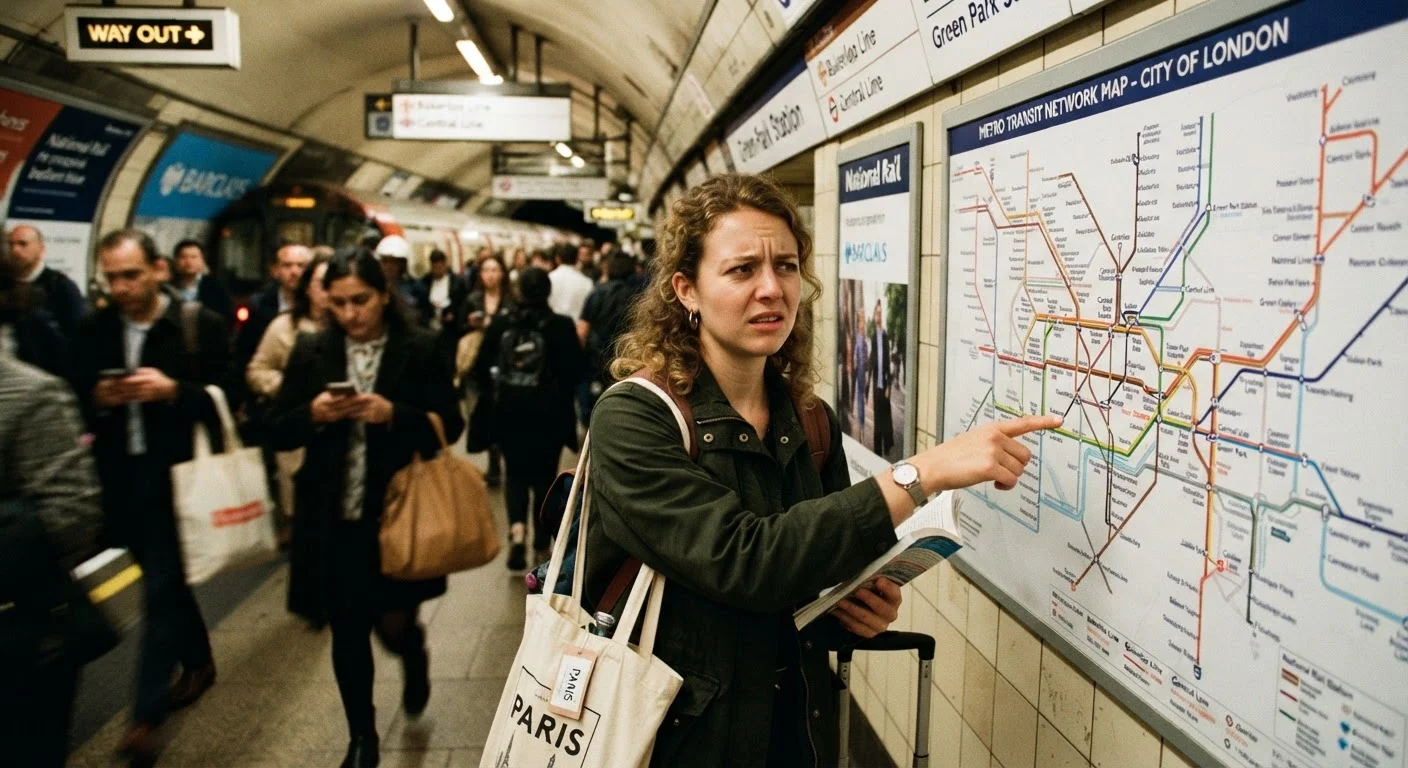
Reading the map is its own skill. Color-coded lines, interchange symbols, and zone boundaries all carry meaning that isn't obvious at a glance. Before your trip, spend a few minutes with our guide to reading a transit map for the first time — it demystifies the visual language shared by most metro systems worldwide.
Airport Rail Lines Often Have Separate Fare Rules
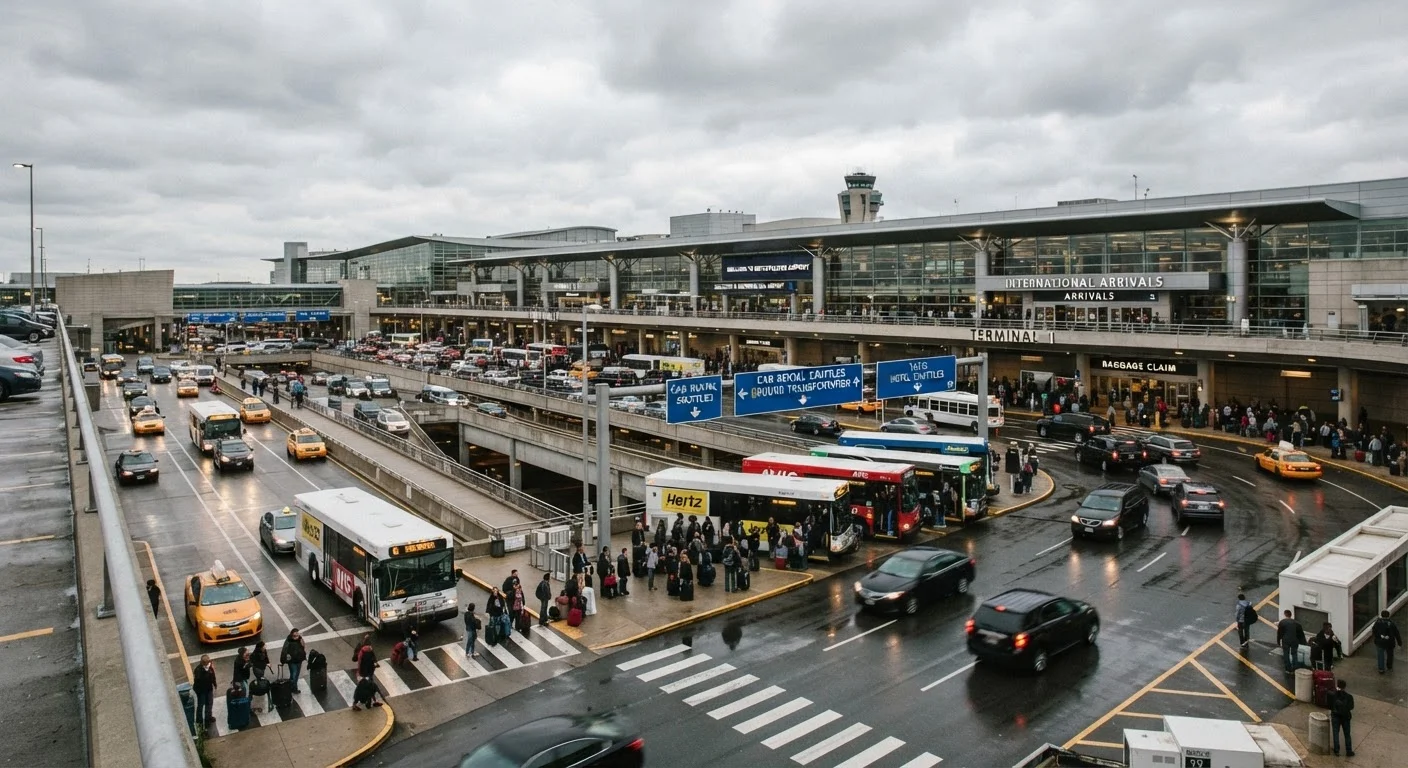
Many cities operate dedicated express rail services to airports that are not covered by standard transit passes or zone pricing. A day pass that works across the city metro may not be valid on the airport link. Always check the airport rail fare separately before you travel — the surcharge can be significant, and barrier staff will not let you through on an invalid pass. For more on airport transfer pitfalls, see our article on things that go wrong on airport transfers.
Finally, transit behavior has its own social contract. Priority seating, noise levels, and eating on board are governed by unwritten rules that vary by country. Brushing up on local transit etiquette helps you avoid unintentional disrespect — and the occasionally sharp correction from a local commuter.