How Ship Size and Atmosphere Differ
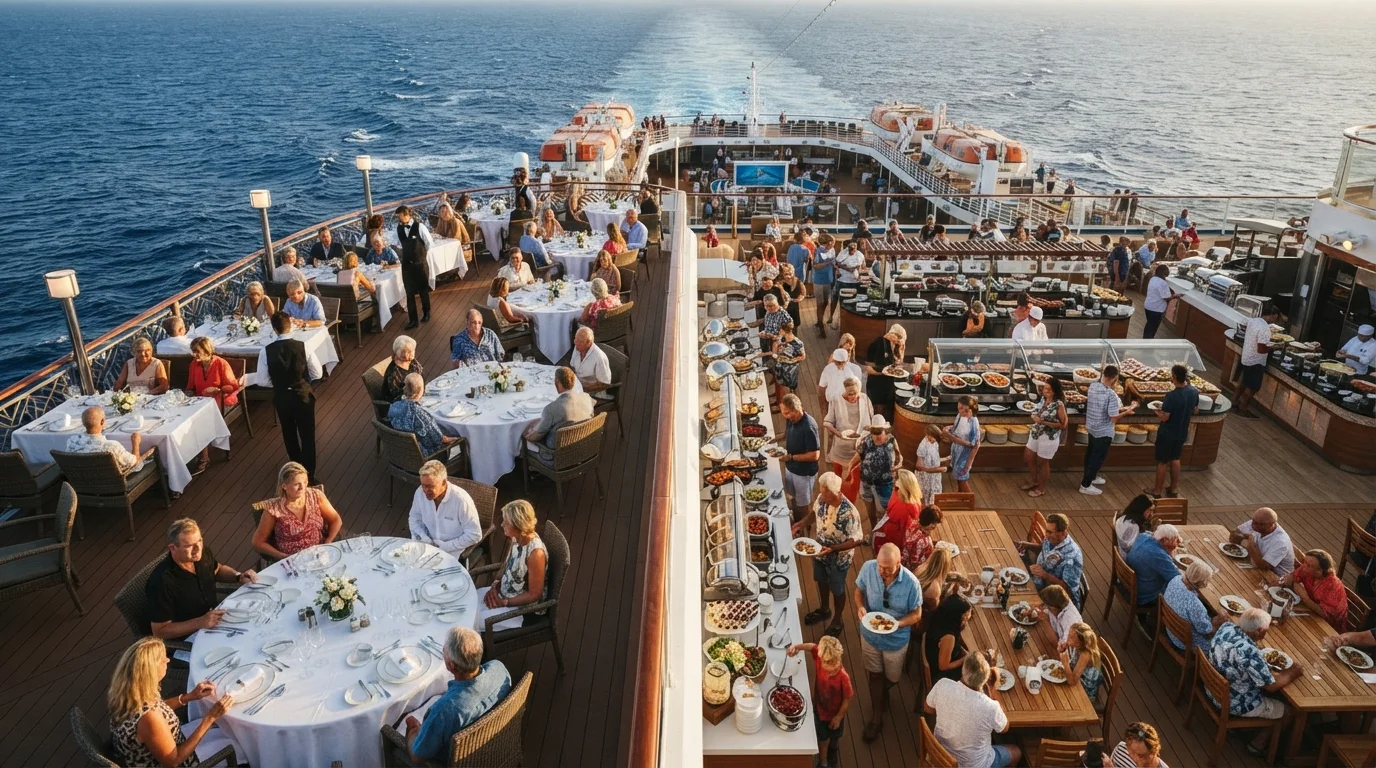
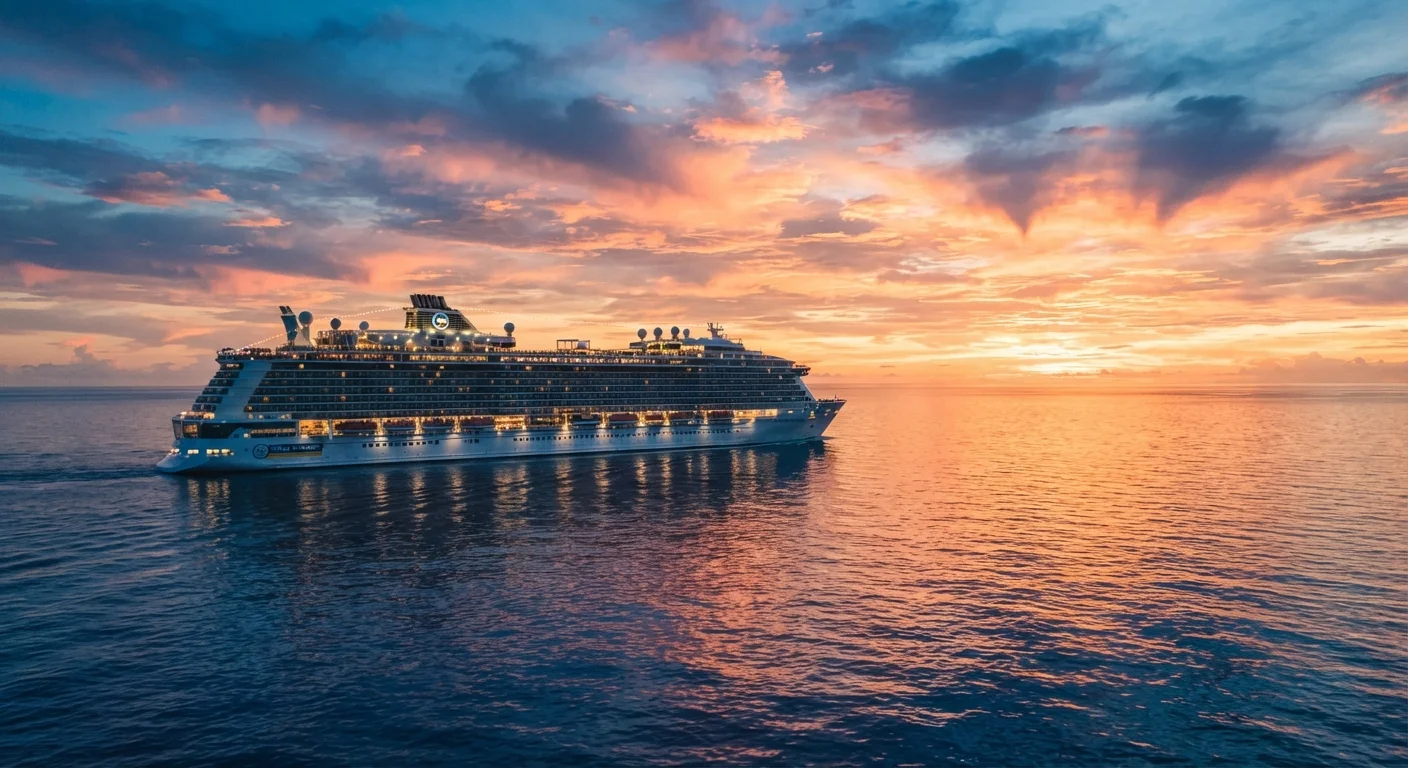
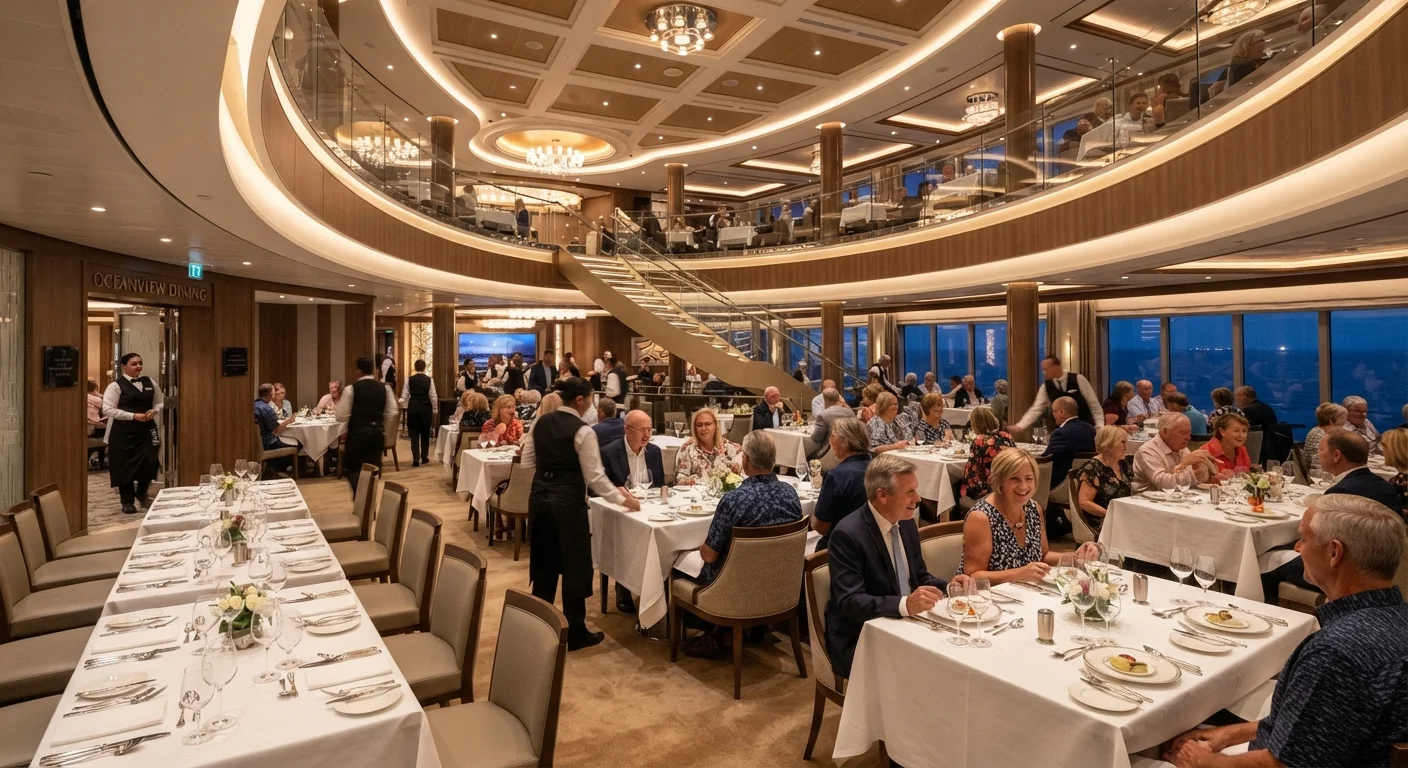
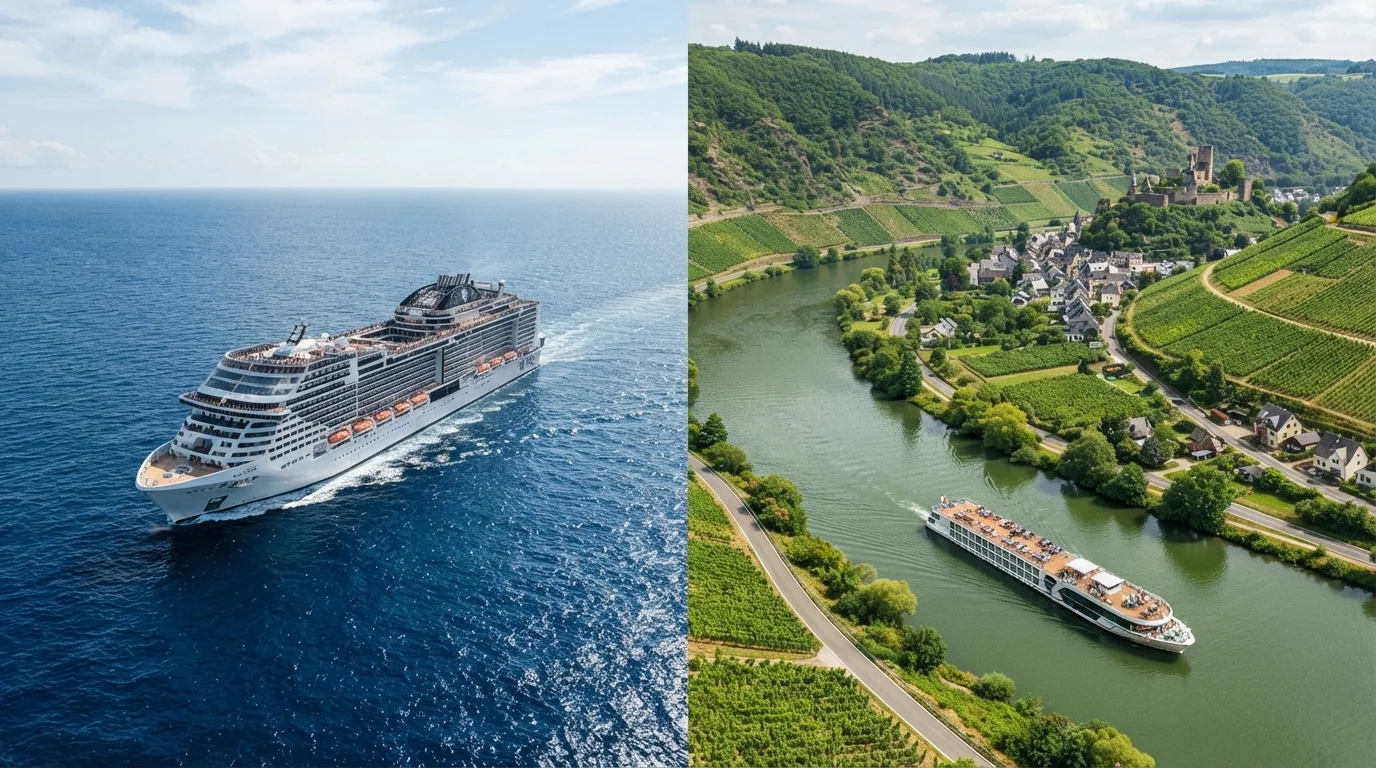
The most immediate difference between ocean and river cruising is scale. An ocean cruise ship can carry anywhere from a few hundred passengers on a smaller vessel to over 5,000 on a mega-liner. River ships, by contrast, are constrained by the width of locks and waterways - most accommodate between 100 and 200 guests. For a thorough look at how size shapes your overall experience, see how ship size affects your cruise.
That size difference produces a fundamentally different social atmosphere. Ocean ships feel like floating resorts - busy, buzzing, and full of options. River ships feel closer to a small country inn where you quickly recognize fellow passengers. Neither is superior; they suit different travel personalities. If anonymity and variety appeal to you, the ocean environment works in your favor. If you prefer a quieter, more communal setting, the river ship format tends to resonate.
| Criterion | Ocean Cruise | River Cruise |
|---|---|---|
| Typical passenger count | 500-5,000+ | 100-200 |
| Onboard amenities | Extensive (pools, shows, gyms) | Comfortable but limited |
| Port immersion | Brief stops, often peripheral docking | Town-center docking, often overnight |
| Sea days | Common on longer itineraries | None |
| Pricing model | Base fare + many add-ons | Higher upfront, more inclusive |
| Motion / seasickness risk | Present on open-ocean sailings | Minimal on calm inland waterways |
| Typical itinerary region | Caribbean, Mediterranean, Alaska, worldwide | Europe, Asia, Egypt, American rivers |
| Suitable for families | Yes, wide range of family programs | Less common; primarily adult-focused |
Ports, Pace, and How You Experience Destinations
On an ocean cruise, port stops are typically a few hours long, docking at a pier on the edge of a city. You may need a shuttle, taxi, or organized excursion to reach the historic center. The experience is fast-paced - you see highlights, then return before the ship departs. Ocean itineraries also include sea days (days at sea with no port), which some travelers love and others find frustrating.
River itineraries are built entirely around the destinations. Ships dock directly in town centers - sometimes steps from a cathedral or market square - and often remain overnight, allowing evening exploration. Sea days don't exist on river routes. This makes river cruising feel more like slow travel through a region than a highlight reel of ports. For a deeper look at how different itinerary structures work, the guide on cruise itinerary types is worth reading before you decide.
~128
Average river ship passenger capacity
Most river cruise vessels are designed to fit through European locks, capping capacity well below 200 passengers.
7-14 days
Typical river cruise duration
River itineraries commonly run one to two weeks, covering a single river corridor such as the Rhine, Danube, or Douro.
3-8 hours
Typical ocean port stop length
Most ocean cruise port calls range from a few hours to a full day, with the ship departing by early evening.
Cost Structure: What You're Actually Paying For
Ocean cruise fares are often quoted as a base price with many costs added separately - specialty dining, beverages, shore excursions, gratuities, and Wi-Fi each carry their own charge. This can make budgeting tricky, because the advertised fare may represent only a portion of what you'll actually spend.
River cruise pricing tends to be more inclusive. Excursions, most meals, and sometimes wine at dinner are bundled into the fare. The upfront cost is typically higher per night than a comparable ocean itinerary, but the all-in price gap narrows - and sometimes disappears - once you account for extras. First-time travelers who dislike budget uncertainty sometimes find river cruise pricing easier to plan around. For a broader orientation on what shapes overall cruise costs, our complete first-cruise planning guide covers the key variables.
Inclusions Vary by Cruise Line
What counts as 'included' differs significantly between river cruise operators and between ocean cruise lines. Some ocean lines offer all-inclusive packages that closely mirror river cruise pricing, while some river lines charge separately for premium excursions or specialty dining. Always review the full fare breakdown - not just the headline price - before comparing options side by side.
Which Style Suits a First-Timer?
There's no universal right answer - but a few honest questions can guide the decision. Do you want the cruise itself to be the destination, or do you see the ship primarily as transport between places? Ocean cruisers often enjoy the ship as an experience; river cruisers tend to treat the ship as a comfortable base for shore exploration.
Consider also who you're traveling with. Families and groups with varied interests often thrive on ocean ships where everyone can pursue different activities. Couples or small groups focused on history, food, and local culture often find river itineraries more satisfying. You can explore popular ocean destinations and what makes each region distinctive in our guide to regions first-time cruisers commonly consider.
Once you've chosen a cruise style, the next step is understanding the full booking and onboarding process. Your first cruise walkthrough takes you through every stage from reservation to disembarkation day.