What Makes a Cruise Different From Other Vacations
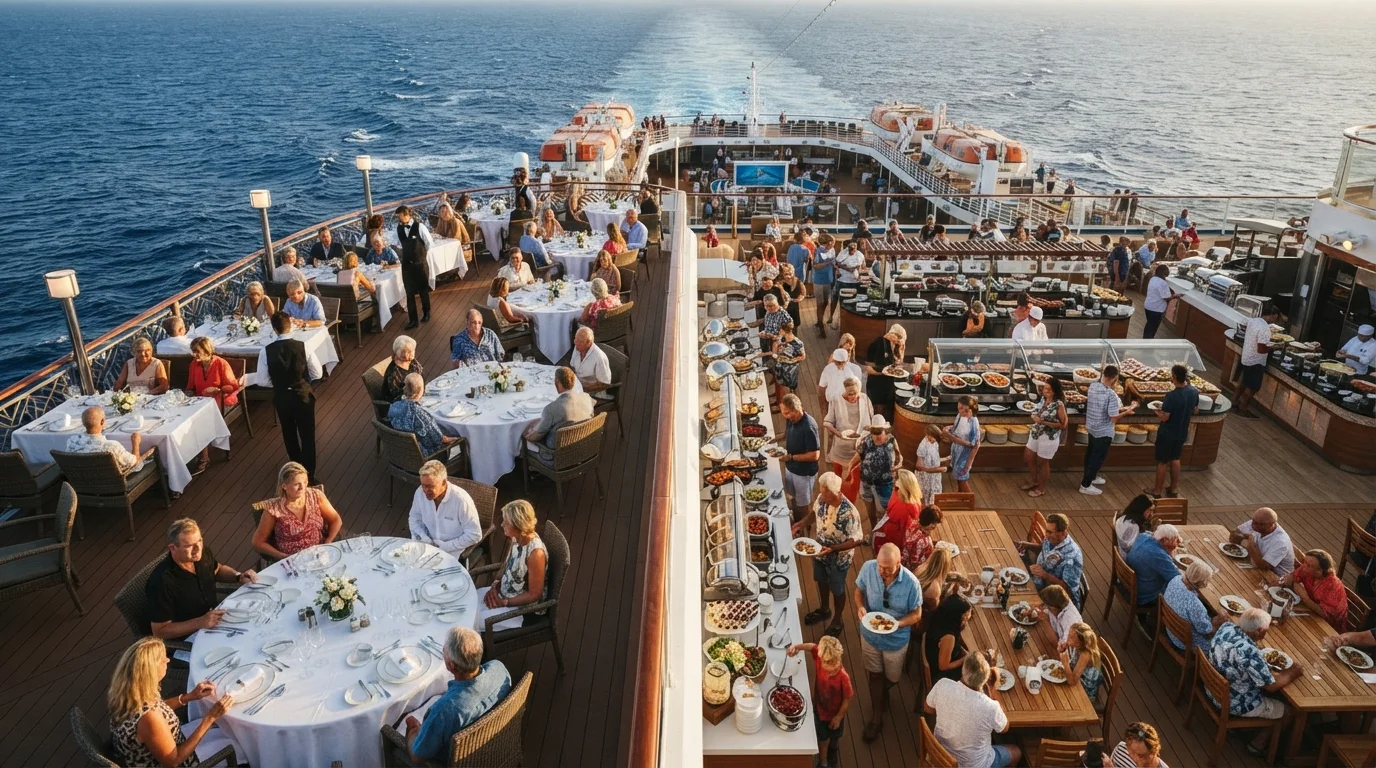
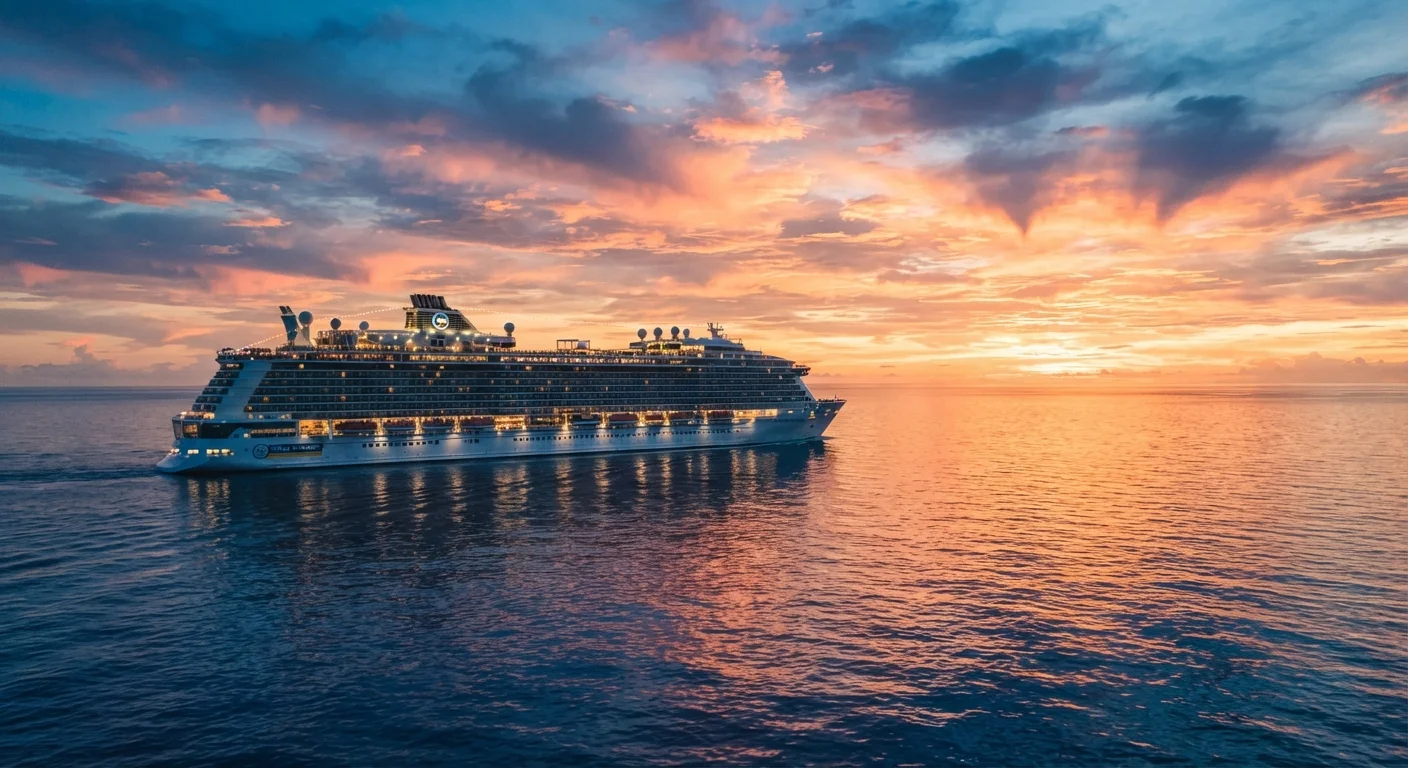
A cruise is essentially a floating resort that moves. Your accommodation, most meals, onboard entertainment, and transportation between multiple destinations are bundled into a single fare. That all-in structure is what separates cruising from a standard hotel vacation - you unpack once and wake up in a different port each morning.
For first-time travelers who feel overwhelmed by coordinating flights, hotels, and restaurant bookings across multiple cities, this can be a significant relief. But it also means understanding exactly what the fare covers before you commit. For a useful comparison of how a cruise differs from booking lodging independently, see our guide on everything first-time travelers need to know about hotel booking.
Embarkation
The process of boarding the ship at the start of your cruise. The city where you board is called the embarkation port.
Itinerary
The planned schedule of ports and sea days for a specific sailing. It tells you where the ship will stop and for how long.
Port day vs. sea day
A port day is when the ship docks at a destination and passengers go ashore. A sea day is spent entirely on the ship, with no port stop.
Gratuity
A daily service charge added to your onboard account, distributed among crew members. It is usually automatic but can sometimes be adjusted.
Shore excursion
A guided activity or tour booked for a port stop. Excursions can be arranged through the cruise line or independently on shore.
Closed-loop cruise
A cruise that departs from and returns to the same U.S. port. These itineraries may have different passport requirements than open-jaw sailings.
Understanding Ship Types and Itineraries
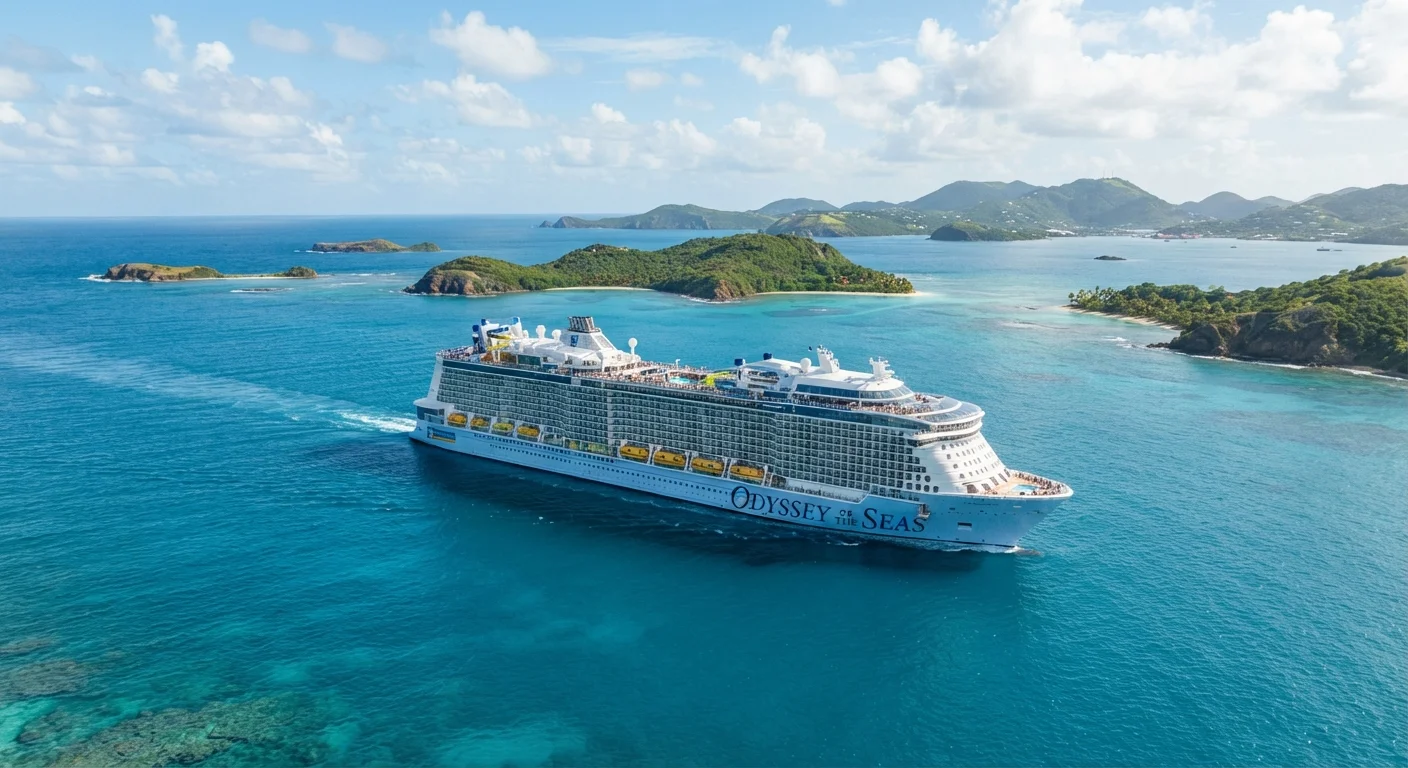
Not all cruise ships are alike. Large resort-style ships (typically carrying 3,000 or more passengers) offer the widest range of onboard amenities - multiple pools, dozens of dining venues, Broadway-style shows, and activity programs. Small and expedition ships carry far fewer passengers and are designed for immersive destination experiences in places large ships cannot reach.
Itinerary length varies from 3-night weekend getaways to voyages of 20 days or more. The Caribbean is the most popular region for first-timers due to its warm weather, calm seas, and abundance of beginner-friendly sailings. Other common regions include the Mediterranean, Alaska, the Bahamas, Mexico, and Northern Europe.
Start With a Shorter Itinerary
If you're uncertain whether cruising suits you, a 4- or 5-night sailing is a low-commitment way to experience the format. Shorter itineraries are widely available from major U.S. departure ports like Miami, Port Canaveral, and Galveston. Once you've sailed once, you'll have a much clearer sense of cabin category preferences, ship size, and pace - all of which inform smarter choices for future bookings.
Unfamiliar with cruise vocabulary? Our cruise terminology glossary explains key terms like embarkation, tender port, and starboard in plain language before you start comparing itineraries.
What's Included - and What Costs Extra
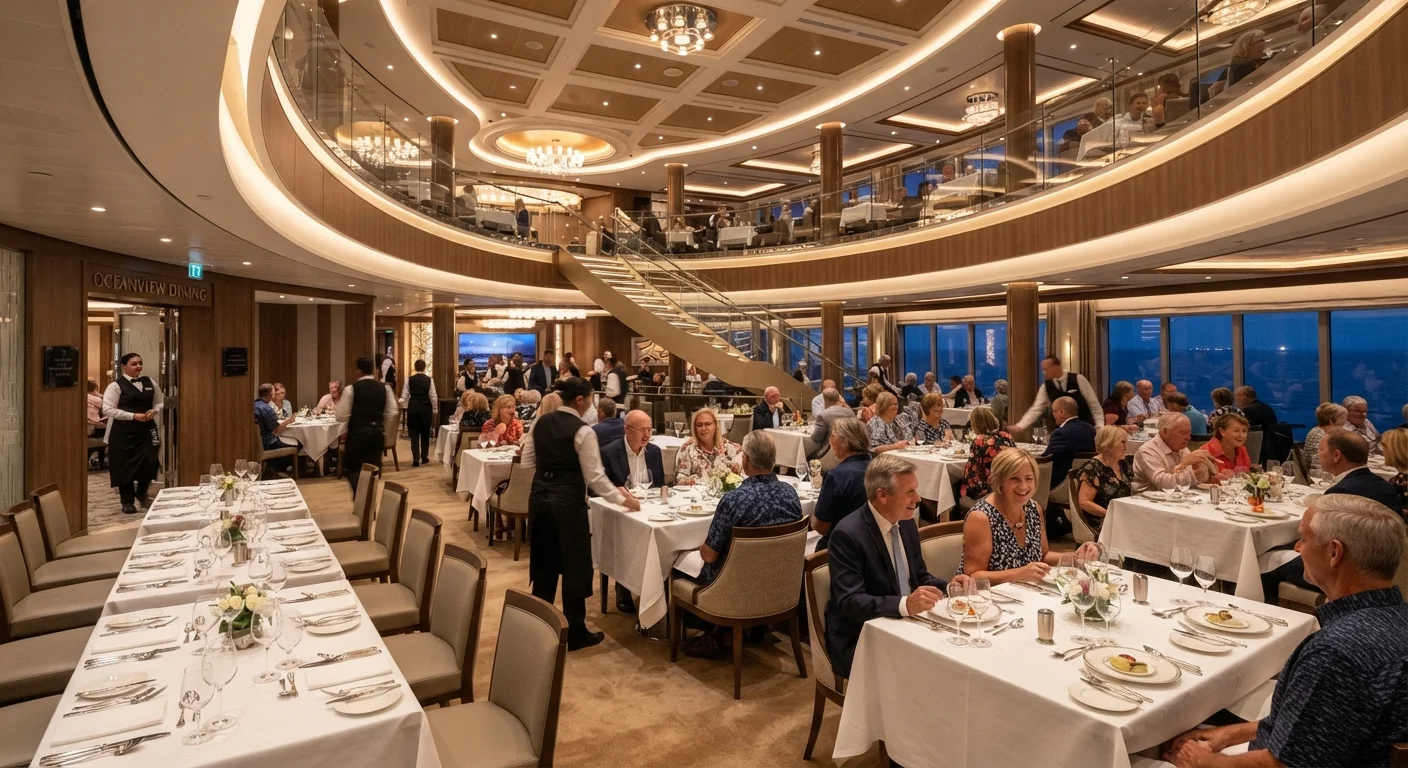
A standard cruise fare typically covers your cabin, buffet and main dining room meals, non-premium beverages (water, coffee, juice), onboard entertainment, and port fees. What it almost never covers by default: alcoholic beverages, specialty restaurant surcharges, gratuities (usually charged as a daily per-person fee), Wi-Fi, shore excursions, spa services, and travel to and from the departure port.
Don't Underestimate Out-of-Pocket Costs
First-time cruisers frequently underestimate how much they spend beyond the initial fare. Gratuities alone can add $15-$20 per person per day on many mainstream lines, and a single specialty dinner for two can cost $50-$100 or more. Build a realistic full-trip budget before booking, not just a cabin-price comparison.
Budgeting realistically means adding these extras to your fare estimate. Many cruise lines offer packages - drink packages, dining packages, or Wi-Fi bundles - that can be purchased in advance. Whether these packages represent good value depends on your actual usage, so calculate based on your habits rather than assuming they are always a saving.
How to Choose the Right Cruise for You
The single most important factor in choosing a cruise is matching the ship's atmosphere to your travel personality. A large ship with nonstop entertainment suits travelers who want variety and activity. A smaller ship with a quieter vibe suits those who prioritize destination immersion and a more relaxed pace. Neither is objectively better - they serve different travelers.
Consider your group composition carefully. Families with young children benefit from ships with dedicated kids' programs. Couples seeking a quieter experience may prefer adults-only or premium-tier ships. Solo travelers should look at solo cabin options and single supplement policies, which vary widely. For a fuller look at every planning decision ahead, our step-by-step cruise planning walkthrough takes you from destination selection all the way to boarding day.
Cruise Basics Hub
A structured overview of the core concepts every first-time cruiser needs to understand before booking, from ship categories to onboard logistics.
U.S. State Department Travel Information
The official U.S. government source for passport requirements, entry rules, and travel advisories for every destination - essential reading before any international cruise.
Cruise Line Accessibility Pages
Each major cruise line publishes detailed accessibility information on its website, including accessible cabin specs and port-by-port tender limitations.
Before You Book: Key Decisions to Make
Before you enter payment details, confirm three things. First, your travel documents: most international cruises require a valid passport, and entry requirements for each port can differ. Always verify visa and entry rules with official government sources - requirements change and cruise lines cannot guarantee accuracy on your behalf. Second, travel insurance: cruise cancellations, medical evacuations at sea, and missed ports are real scenarios. Review what coverage you may already have, and consider whether a dedicated travel insurance policy is appropriate for your trip. Third, your flight timing: arriving at the embarkation city the day before sailing is strongly recommended. If your inbound flight is delayed, a same-day arrival leaves no margin for error.
It also helps to review basic safety practices before any international trip. Our staying safe hub covers essential precautions every first-time traveler should understand before departure.
This article provides general information about cruise travel and is not a substitute for advice from a qualified travel professional. Entry requirements, pricing, and ship details are subject to change - always verify with official sources and your cruise provider before booking.