
The Gap Between What You Pay and What You Get
Cruise advertising is built around a headline number - a per-person, per-night rate that sounds appealingly affordable. What that number rarely reflects is the full picture. For first-time cruisers, the gap between the advertised fare and the final onboard bill is one of the most common sources of sticker shock in travel.
Understanding that gap before you board - not after - is the foundation of a stress-free trip. As we cover in Decoding a Cruise Fare, base fares typically cover your cabin, main dining room meals, and basic shipboard entertainment. Almost everything else sits in a separate spending category that accumulates quietly throughout the voyage.
The mistakes below are the most common reasons first-timers end up with a final bill that feels like a surprise - and each one is entirely avoidable with the right expectations set in advance.
Assuming gratuities are included in the base fare.
Why it happens: Cruise fares are marketed as all-inclusive in spirit, even when they aren't in practice. Many first-timers don't realize that daily service charges - typically applied automatically to every passenger - are a separate, mandatory line item.
Not budgeting for specialty restaurants onboard.
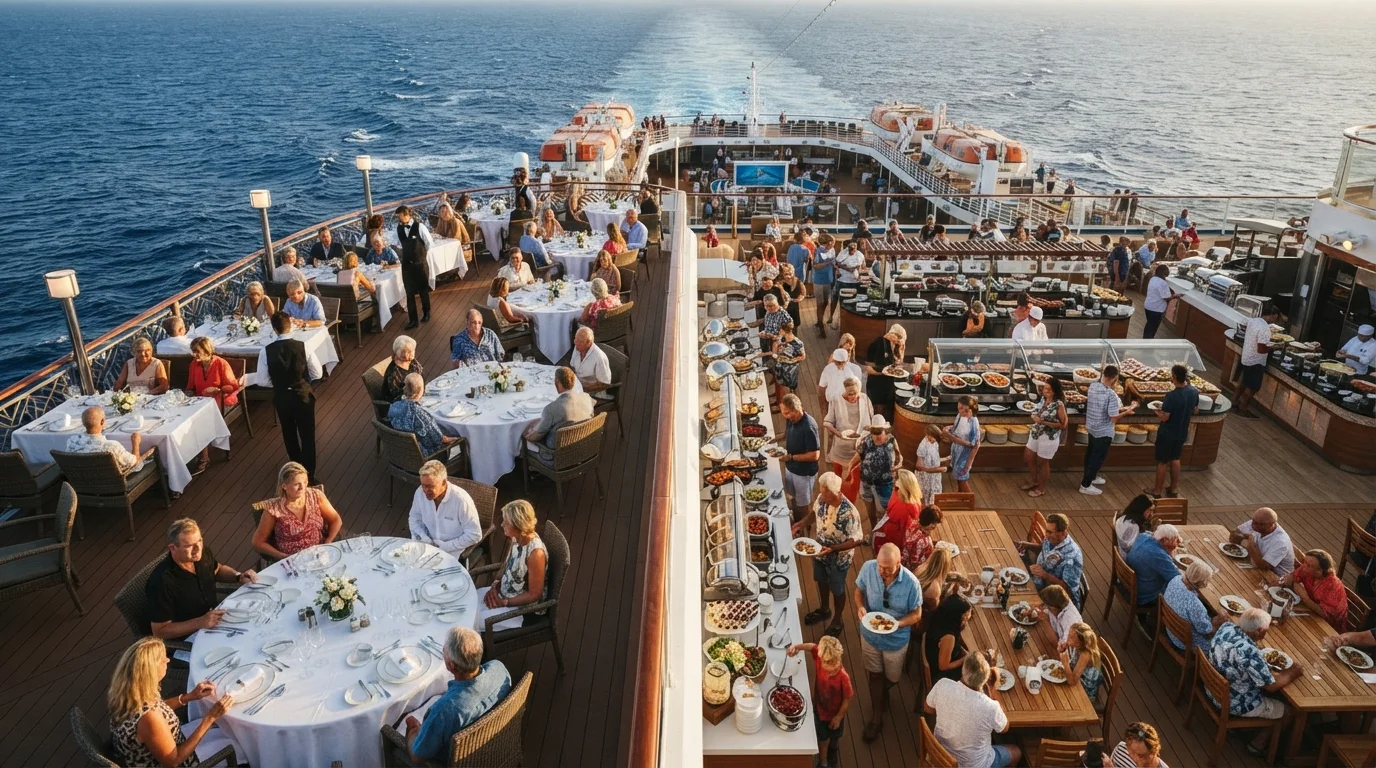
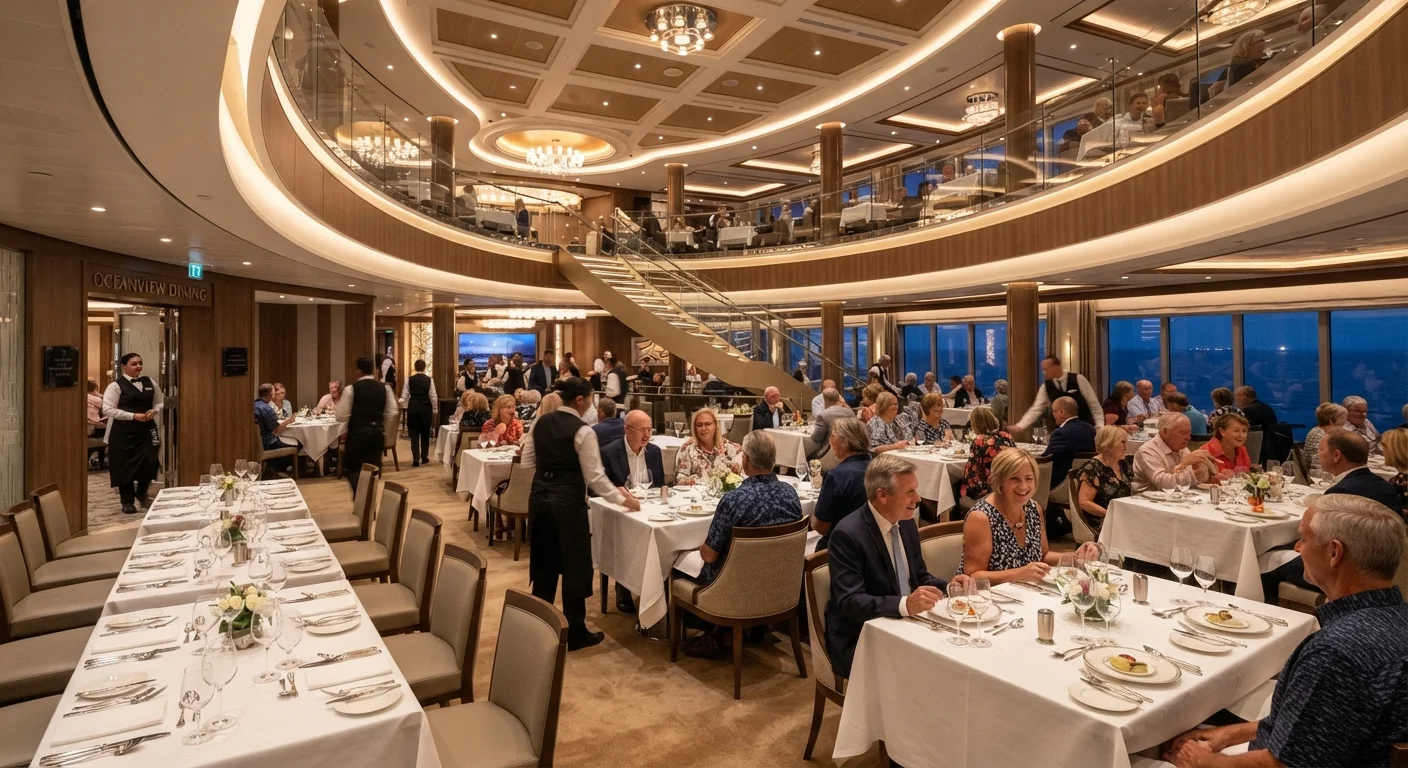
Why it happens: Main dining room meals are included, which makes it easy to assume all food onboard is covered. Specialty restaurants - steakhouses, sushi bars, chef's table experiences - carry per-person fees that can range from $30 to $150 or more.
Overlooking beverage costs entirely.
Why it happens: Water, juice, and coffee at meals may be included, but sodas, alcohol, specialty coffees, and bottled water at the pool are almost always charged separately. New cruisers frequently don't register this until the charges accumulate.
Treating shore excursion costs as an afterthought.
Why it happens: First-timers focus on getting the cruise booked and often view port activities as something to figure out later. By the time they're onboard, excursion spending can exceed the original cruise fare across a multi-port itinerary.
Ignoring Wi-Fi and connectivity fees.
Why it happens: Internet at sea is a technical challenge, and cruise lines charge accordingly. Many first-timers assume some level of connectivity is included - it rarely is, and packages can cost $20-$35 per day per device.
Spending at the spa without checking posted prices first.
Why it happens: Cruise ship spas are beautifully marketed with ambient photography and introductory offers on embarkation day. First-timers often book treatments impulsively without reviewing the full menu pricing, which can be significantly higher than land-based equivalents.
How to Build a Realistic Cruise Budget Before You Book
Once you understand where the extra costs live, budgeting becomes straightforward. A useful starting framework: treat the cruise fare as covering your accommodation and basic meals, then estimate additional daily spending separately.
$100-$150
Estimated extra daily spend per person beyond the base fare
Travel industry guidance commonly suggests budgeting this range for onboard extras, though actual spending varies widely by itinerary and personal habits.
~20%
Typical automatic gratuity added to spa and bar purchases
Most cruise lines automatically add a service charge of 18-20% to specialty purchases made onboard, separate from the daily cabin gratuity rate.
Gratuities are a fixed, predictable cost - calculate them for your full sailing length before you book. For a full breakdown of how cruise tipping works, including what's automatic and what's discretionary, review the dedicated guide. Shore excursions deserve their own budget line: even a single organized tour per port adds up quickly across a seven-day itinerary.
Beverage packages are worth evaluating mathematically. If you drink regularly, a package often saves money - but only if you'll actually consume enough to offset the daily package cost. Run the numbers honestly before purchasing.
Cabin selection also shapes your total spend. Choosing between an inside cabin and a balcony stateroom affects the base fare significantly, which in turn changes how much flexibility you have for onboard extras. For a comprehensive pre-booking checklist, Your First Cruise guide covers the full cost picture alongside itinerary and ship-type decisions.
Finally, set a daily onboard spending limit and track it through your cruise line's app or your cabin TV statement. Most ships provide a running account balance you can check at any time - use it. Surprises on the final morning are avoidable if you've been watching the total throughout the trip.
Prices, policies, and included amenities vary by cruise line and itinerary. Always review your specific fare terms directly with the cruise line or a licensed travel professional before booking.