Why Travel Style Matters Before You Pick a Destination
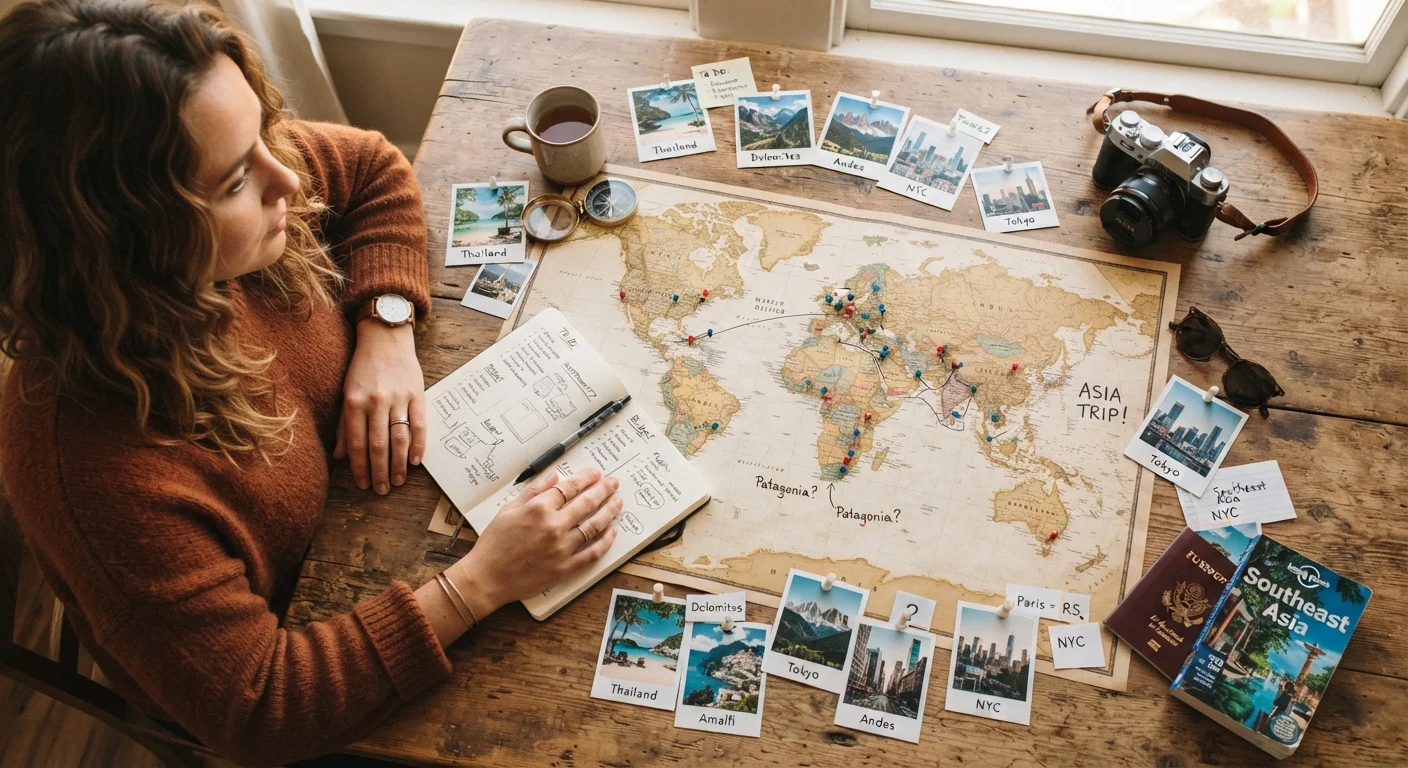
Most first-time travelers start by browsing destinations — scrolling through images, reading lists of "must-visit" places, and feeling increasingly overwhelmed. The problem isn't a lack of options; it's that they're searching without a filter.
Your travel style is that filter. It's a shorthand for the kind of experience you actually want: how active you want to be, how much downtime you need, whether you're energized by crowds or drained by them, and what you want to feel at the end of each day. A destination that looks beautiful in photos can feel completely wrong in person if it doesn't match these preferences.
Getting this right before you start researching destinations isn't about limiting your options — it's about making the research process manageable. See the first-timer's destination research roadmap for how this step connects to the broader planning process.
Travel style
A shorthand for the type of experience a traveler prefers — including pace, activity level, and environment — used to guide destination and trip choices.
Destination fit
How well a specific place matches a traveler's preferences, needs, and constraints — not just its popularity or visual appeal.
Shoulder season
The period between a destination's peak tourist season and its off-season — often offering fewer crowds and milder prices while still having favorable conditions.
Itinerary
A planned schedule of activities, transit, and accommodation that structures a trip from start to finish.
Cultural immersion
A style of travel focused on engaging deeply with a place's history, customs, local life, and traditions rather than primarily visiting landmarks.
The Main Travel Style Categories
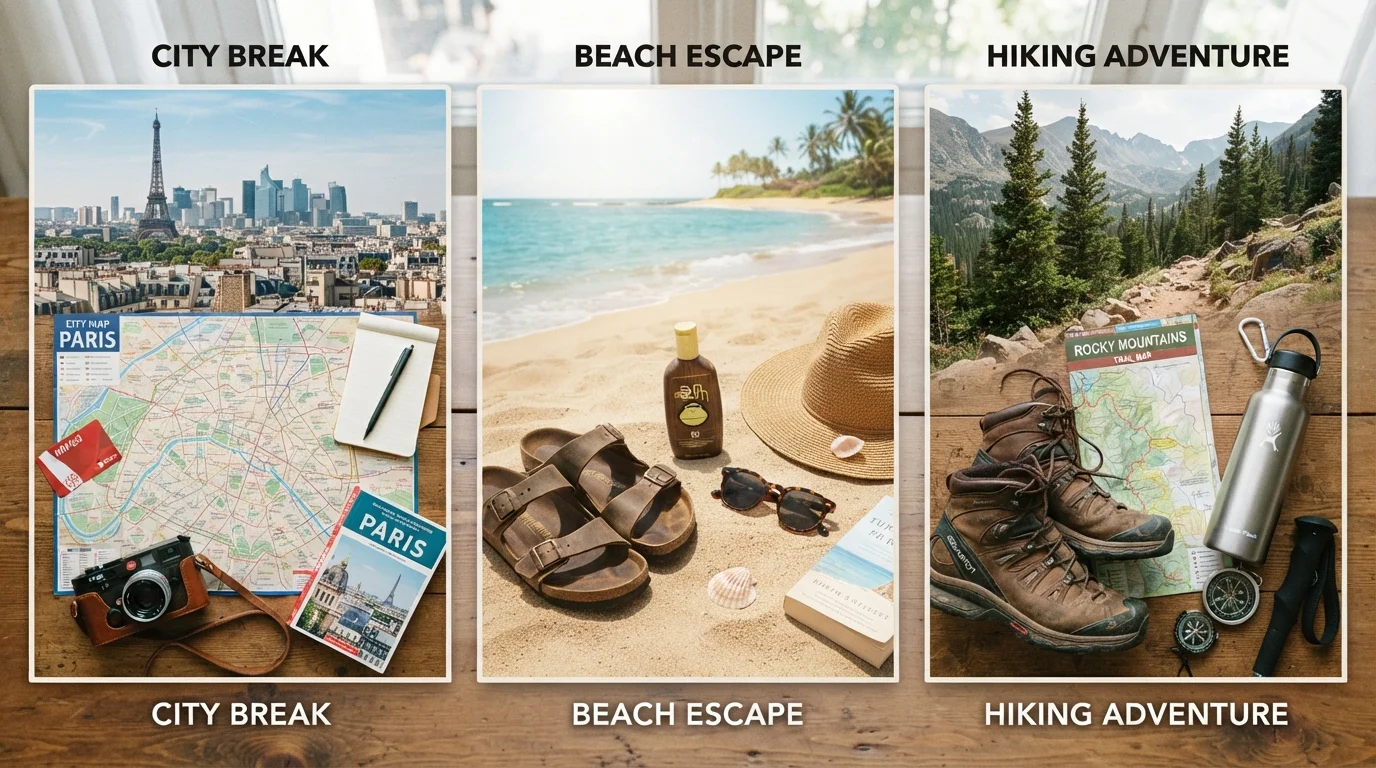
While every traveler is different, most trip preferences cluster around a handful of recognizable styles. Understanding where you generally land helps you quickly identify which types of destinations are worth your attention.
- Urban explorer: Drawn to city energy — neighborhoods, food scenes, museums, architecture, and the rhythm of daily life in a new place. Prefers variety and stimulation over stillness.
- Beach retreater: Prioritizes rest, warmth, and a slower pace. Values easy access to water, minimal planning, and the ability to decompress fully.
- Nature and adventure seeker: Motivated by landscape, physical activity, and the feeling of being somewhere genuinely wild. Comfortable with some logistical complexity in exchange for the experience.
- Cultural immersion traveler: Focused on history, local customs, food traditions, language, and connecting with a place's identity beneath its tourist surface.
Many travelers are a blend — a nature lover who still needs a comfortable base, or a city person who wants one slow beach day. The goal isn't a perfect label; it's identifying your dominant preferences so you can prioritize accordingly. The questions that help narrow down a destination can help you identify where you land.
Key Factors That Determine Destination Fit
Once you have a sense of your travel style, three practical factors determine whether a specific destination actually delivers on it.
Pace
Some destinations are naturally fast-paced — packed with sights, activities, and decisions. Others are built around doing very little. A beach retreater in a city with an overwhelming amount of options may end up anxious rather than relaxed. Ask yourself how much daily structure you want.
Physical activity level
Adventure and nature travel often requires a meaningful level of fitness and comfort with physical challenge. City breaks can range from leisurely strolls to twelve-hour walking days. Be honest about your preferred exertion level, and verify what a destination actually demands — not just what looks appealing in photos.
Social environment
Highly touristic destinations draw large crowds, which suits some travelers and exhausts others. Consider whether you want to be surrounded by other travelers, immersed in local daily life, or somewhere in between. This also affects which neighborhoods or accommodation types will feel right. The guide to matching lodging to your travel goals explores how accommodation type amplifies or conflicts with your style.
Test Your Preferences Before You Book
Before committing to a destination, spend ten minutes writing down what a perfect travel day looks like hour by hour. What time do you wake up? Are you exploring, resting, eating, hiking? This simple exercise surfaces your real preferences more reliably than any quiz and gives you a concrete benchmark to compare destinations against.
How to Use Your Style to Filter Your Shortlist
With your style and key factors in mind, you can move from an open-ended search to a working shortlist. Start by ruling out destinations that clearly conflict with your preferences — a noise-sensitive introvert probably won't thrive at a festival-heavy city destination in peak season, regardless of how popular it is.
From there, apply a climate and timing check. A beach destination in its rainy season or a mountain trail buried in snow may technically match your style but fail in practice. The climate and season guide walks through how to factor timing into your decision.
Finally, consider costs. Different trip styles carry different cost structures — adventure travel tends to involve gear, guides, and remote-area pricing, while urban trips concentrate spending on accommodation and dining. See the budgeting by trip type breakdown for a full comparison. Once you've filtered for style, timing, and budget range, your shortlist should be short enough to research meaningfully and commit to with confidence.
Your Style Is a Starting Point, Not a Rule
Travel styles are practical tools for decision-making, not rigid identities. It's entirely normal to choose a destination that stretches you slightly outside your comfort zone — a dedicated city traveler might discover a love of coastal hiking. The key is going in with realistic expectations rather than discovering the mismatch mid-trip.