
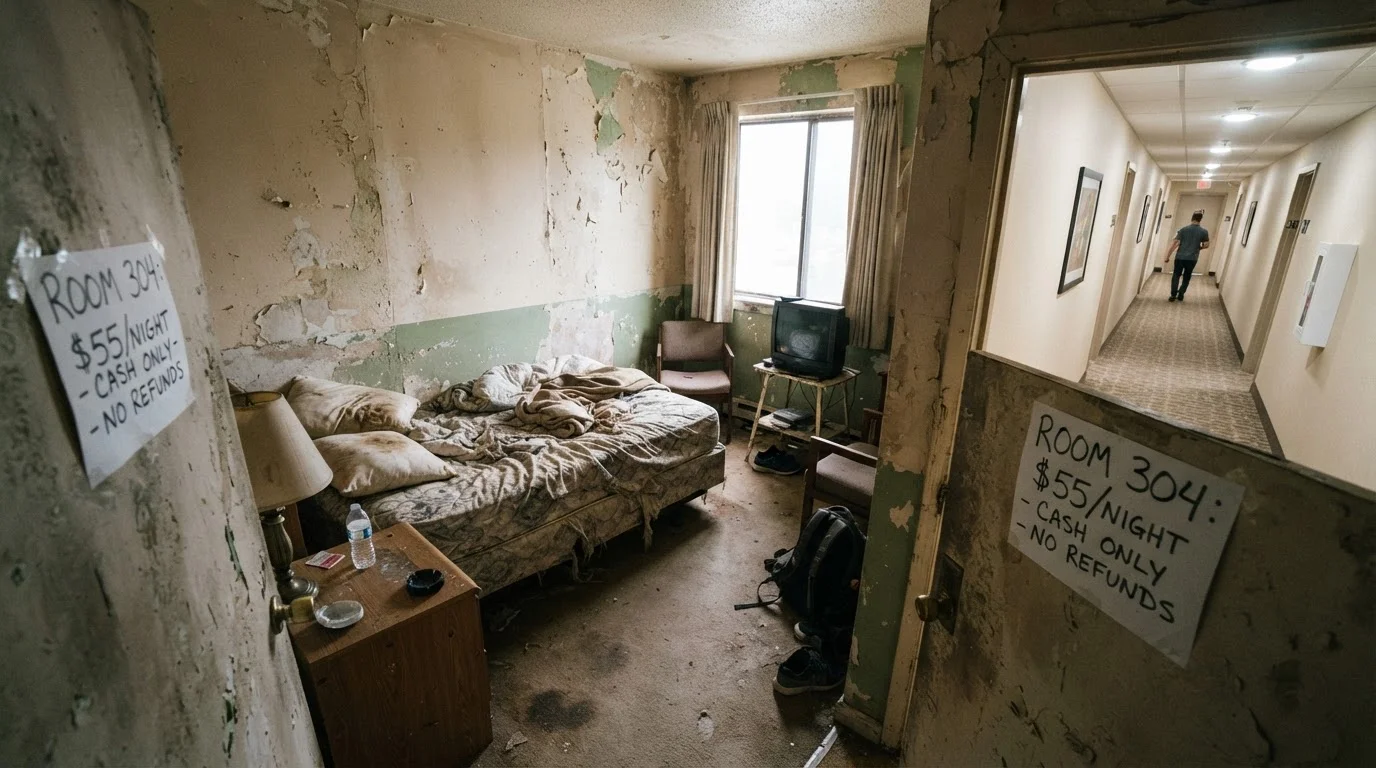
The Nightly Rate Is Just the Starting Point
When first-time travelers search for accommodations, the nightly rate is usually the first number they see — and the one they anchor to. But that figure rarely reflects what you'll actually pay at checkout. Taxes, resort fees, destination charges, and incidental holds can add 20–40% on top of the quoted price before you've spent a single dollar on your actual trip.
This is especially common at hotels in resort-heavy destinations, where a mandatory resort fee — a daily charge for amenities like pool access or gym use — may not appear until the final booking screen. Learn how to identify hidden hotel fees before you commit to a property. For a deeper breakdown of what each line item on a hotel invoice actually means, see Reading a Hotel Room Rate: Taxes, Fees, and What's Not Included.
The takeaway: always search for the total price — taxes and fees included — before comparing properties side by side.
20–40%
Typical fee markup above advertised hotel rate
Industry analyses of hotel pricing consistently find that taxes and mandatory fees add a significant percentage to the base nightly rate, varying by destination and property type.
1 in 3
Travelers surprised by fees at checkout
Consumer research on accommodation booking has found that a substantial share of travelers report encountering unexpected charges they did not anticipate from the initial listing price.
Common Mistakes That Turn Cheap Into Costly
Understanding where budget-focused decisions go wrong helps you avoid them. The mistakes below are the ones that catch first-time travelers most frequently — and most expensively.
Booking based on nightly rate without accounting for mandatory fees.
Why it happens: Booking platforms often display the base rate prominently and bury taxes and resort fees until the final checkout screen, making the initial price feel misleadingly low.
Choosing a property in a remote or inconvenient location to save on room cost.
Why it happens: Maps can make a 30-minute transit commute look short, and first-time travelers often underestimate how quickly daily transportation costs and lost time accumulate.
Ignoring what amenities are excluded from a low-rate property.
Why it happens: Travelers assume standard amenities like free Wi-Fi, breakfast, or parking are universally included, when in reality these are increasingly itemized add-ons.
Booking non-refundable rates without understanding the cancellation risk.
Why it happens: Non-refundable rates are typically displayed alongside refundable options at a lower price, and the financial risk of travel disruptions isn't always top of mind when planning.
Underestimating short-term rental fees when comparing to hotels.
Why it happens: Rental listings often display a low per-night rate, but cleaning fees, service fees, and taxes can make a two-night stay substantially more expensive than expected.
How to Compare Lodging Options the Right Way
A more reliable comparison looks at total cost of stay, not the headline rate. Before booking any property, run through this quick checklist:
- Add all mandatory fees to the nightly rate and multiply by your number of nights.
- Estimate transport costs to and from the property using a map tool. If the budget option requires two paid transit rides per day, that adds up fast.
- Identify missing amenities you'd pay to replace: breakfast, parking, luggage storage, Wi-Fi, or a kitchen if you plan to cook.
- Check the cancellation policy before booking. Non-refundable rates can appear cheaper but expose you to full financial loss if plans change.
- Read recent reviews focused on safety, cleanliness, and noise — issues that no price comparison tool will flag.
The same analytical approach applies to flights. Hidden costs can inflate a cheap flight's real price in the same way lodging fees inflate a hotel rate. Building a realistic total budget before you book — not after — is covered in detail at the Trip Budget hub.
Non-Refundable Rates Carry Real Financial Risk
A non-refundable booking can look like a bargain right up until your plans change — then it becomes a complete loss. Before locking in a discounted non-refundable rate, verify whether your travel insurance (if you have it) covers cancellation for your specific circumstances. Do not assume a low price justifies eliminating all flexibility, especially for trips booked far in advance.
Hostels occupy their own category in this comparison. They can offer genuine value for solo travelers comfortable with shared spaces, but the trade-offs are real. Read an honest look at hostel trade-offs to decide whether the savings align with your priorities. For broader guidance on making smart booking decisions, visit the Smart Booking hub.