
The Gap Between the Advertised Rate and Your Final Bill
When a hotel lists a room for $120 per night, that figure is the base rate — the price of the room itself before any additional charges are applied. By the time you reach the payment screen, the actual total is almost always higher. Understanding what drives that gap is one of the most practical skills a first-time traveler can develop.
The final bill typically includes three layers beyond the base rate: taxes, mandatory fees, and incidental holds. Each works differently, and knowing how to spot them early helps you budget accurately and avoid unpleasant surprises at checkout. For a broader look at how this pattern appears across travel categories, see our guide on hidden costs of international travel.
10–18%+
Typical combined hotel tax range in the U.S.
Hotel occupancy taxes vary significantly by state and city; high-tourism markets often carry the heaviest surcharges.
$15–$50+
Common nightly resort fee range
Resort and destination fees are mandatory at many U.S. hotels and are charged per night regardless of amenity use.
$50–$200
Typical incidental hold per night at check-in
This temporary card authorization covers potential in-stay charges and is released after checkout, often within a few business days.
Hotel Taxes: What They Are and How Much They Add
Hotel stays in the United States are subject to multiple layers of tax. These typically include state sales tax, local occupancy tax (sometimes called a lodging or hotel tax), and in some cities, additional tourism or convention surcharges. The combined rate varies widely — from around 10% in some areas to over 18% in high-tourism cities.
These taxes are set by government authorities, not the hotel itself, which means the property has no discretion over them. They are always added on top of the base rate and will appear as separate line items in your booking summary. When comparing rates across properties, make sure you're looking at the same tax-inclusive total — not just the nightly base.
Tax Rates Vary Significantly by Location
Hotel tax rates in the U.S. are set at the state, county, and municipal level, which means two hotels in the same metro area can carry different effective tax rates. Cities with large convention centers or tourist infrastructure often levy additional surcharges. Always confirm the tax-inclusive total, not just the pre-tax base rate, when comparing options.
Resort Fees, Destination Fees, and Other Mandatory Charges
Beyond government taxes, many hotels — particularly in resort destinations, major cities, and Las Vegas — charge a separate resort fee or destination fee. These are flat daily charges, typically ranging from $15 to $50 or more per night, that are required for all guests regardless of room type or length of stay.
Hotels describe resort fees as covering amenities such as pool access, fitness center use, in-room Wi-Fi, or beach chairs. Whether you use any of those amenities or not, the fee applies. Destination fees are structured similarly but are more common at urban properties. Both must be disclosed before you complete a booking — look carefully at the rate details section rather than just the headline price.
For a deeper guide to spotting these charges before you commit, see how to identify hidden hotel fees before you book. It's also worth knowing that a low nightly rate with high fees can end up costing more than a moderately priced all-inclusive rate — a point explored in why the cheapest accommodation often costs more.
Incidental Holds, What's Not Included, and How to Read Your Final Bill
At check-in, most hotels place an incidental hold on your credit or debit card. This is a temporary authorization — not an actual charge — intended to cover any extras you might add during your stay, such as room service, minibar items, or parking. The amount varies by property, commonly between $50 and $200 per night.
The hold is released after checkout once your final bill is settled. However, with a debit card, the held funds are genuinely unavailable during your stay, which can catch travelers off guard. Using a credit card for check-in and a debit card for final payment (if preferred) is a practical workaround some travelers use.
It's also important to clarify upfront what is and isn't included in your rate. Standard hotel rates in the U.S. do not automatically include breakfast, parking, Wi-Fi, or access to the fitness center. For a full breakdown of what amenities are typically complimentary versus charged, see hotel amenities that are free and the ones that quietly aren't.
Always Check the Full Price Before Confirming
Before you click "confirm" on any hotel booking, scroll to the complete price summary — not just the nightly rate. Look for a line-item breakdown that lists the base rate, taxes, and any fees separately. If the platform shows only a subtotal, use the hotel's own website or call the property to request a full written quote.
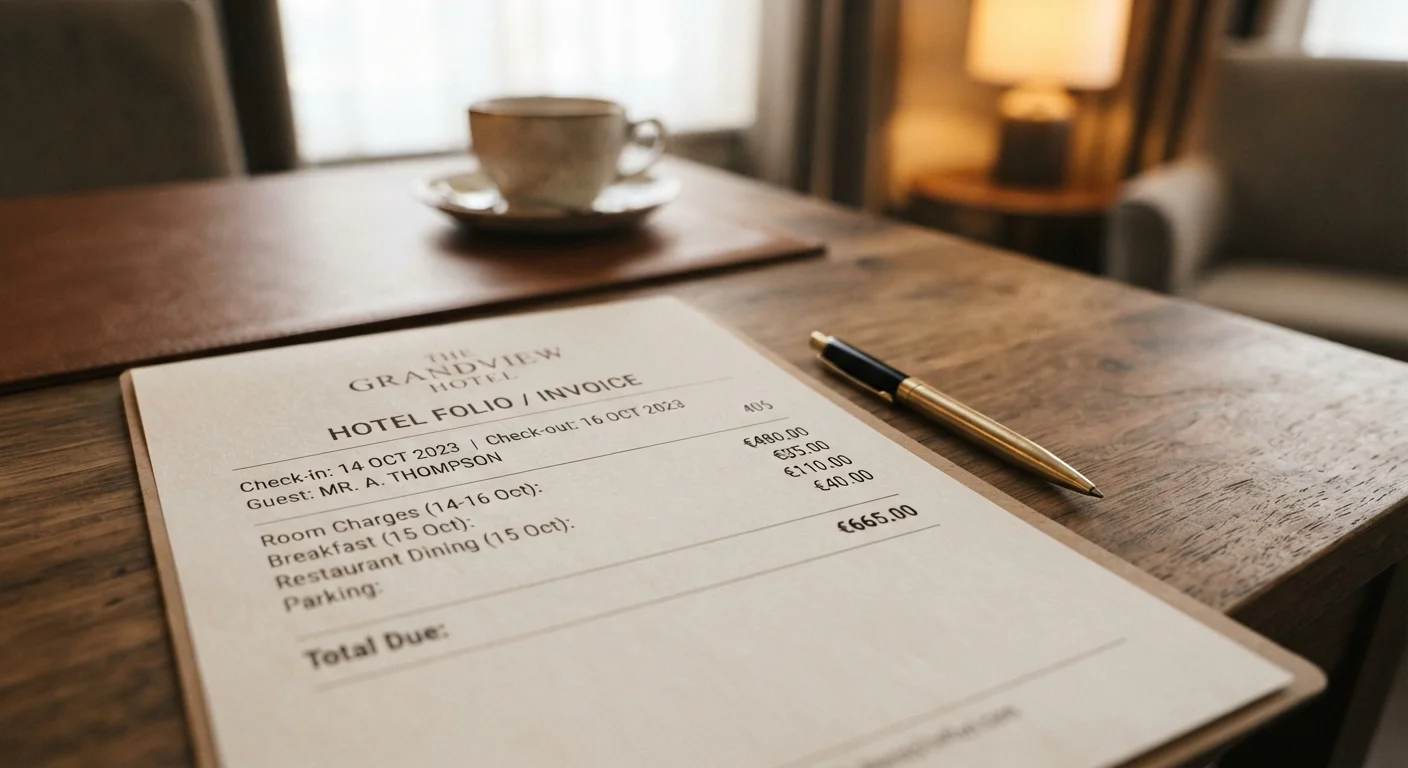
Finally, always review your itemized folio — the printed or emailed bill — before or at checkout. Errors do occur, and it's far easier to dispute a charge while you're still at the property than after you've left. Your smart booking habits start before you arrive and extend all the way through checkout.