Why Lodging Type Matters More Than You Think
When most first-time travelers search for a place to stay, they sort by price and pick the cheapest available option. That approach often leads to surprises — shared bathrooms when you expected privacy, no kitchen when you needed one, or a location far from where you actually wanted to be.
Your lodging choice shapes nearly every part of your trip: how well you sleep, what your mornings look like, how much you spend on food, and how safe and comfortable you feel. Understanding the basic categories before you search — rather than after — puts you in control of those decisions.
This guide introduces each major lodging type, explains what it typically offers, and helps you figure out which makes sense for your specific trip. For a side-by-side comparison of eight accommodation categories, see the lodging types comparison guide.
Room only rate
A booking rate that covers only your sleeping accommodation — no meals are included in the price.
Bed and breakfast (B&B)
A small, usually owner-run property where the nightly rate includes a morning meal.
Dormitory room
A shared sleeping space in a hostel where multiple guests sleep in the same room, each with their own bed.
Non-refundable rate
A discounted booking price that cannot be cancelled or refunded once confirmed, regardless of circumstance.
Self check-in
An arrival process where you access your accommodation independently — typically using a key code or lockbox — without meeting a host or front desk staff.
Resort fee
A mandatory daily charge added by some hotels on top of the nightly rate, covering amenities like Wi-Fi, pool access, or fitness facilities — whether or not you use them.
The Major Lodging Categories Explained
Hotels
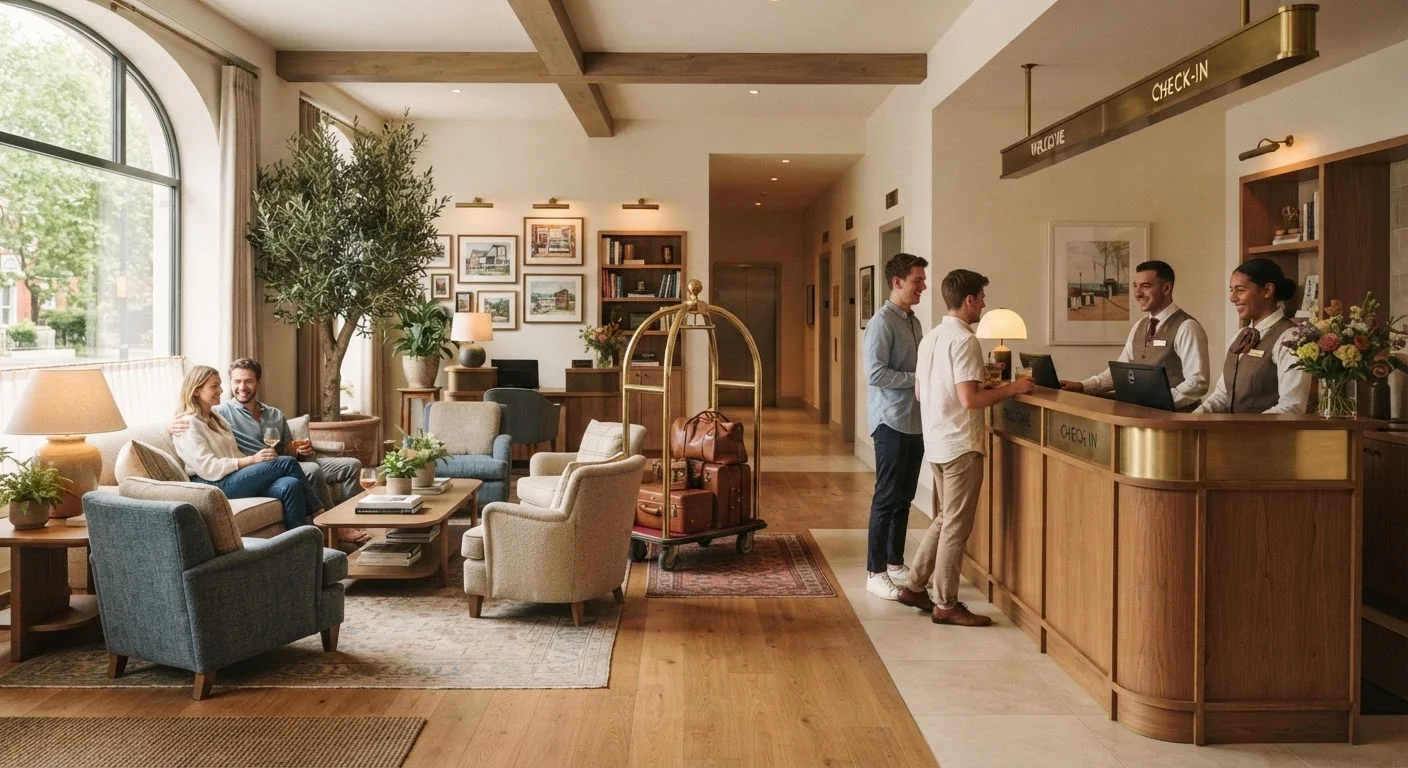
Hotels are the most familiar option. You book a private room, check in at a front desk, and have access to housekeeping and on-site staff. Amenities vary enormously by property — budget hotels may offer just a bed and bathroom, while full-service properties include pools, restaurants, and concierge services. Hotels generally have predictable check-in processes and flexible booking terms, making them a reliable starting point for beginners.
Hostels
Hostels offer budget-friendly accommodation, usually in shared dormitory rooms with multiple beds. Most have communal kitchens, lounges, and bathrooms. Many also offer private rooms. Hostels are well-suited to solo travelers and those who enjoy meeting other travelers. Noise and privacy are the main trade-offs.
Bed and Breakfasts (B&Bs)
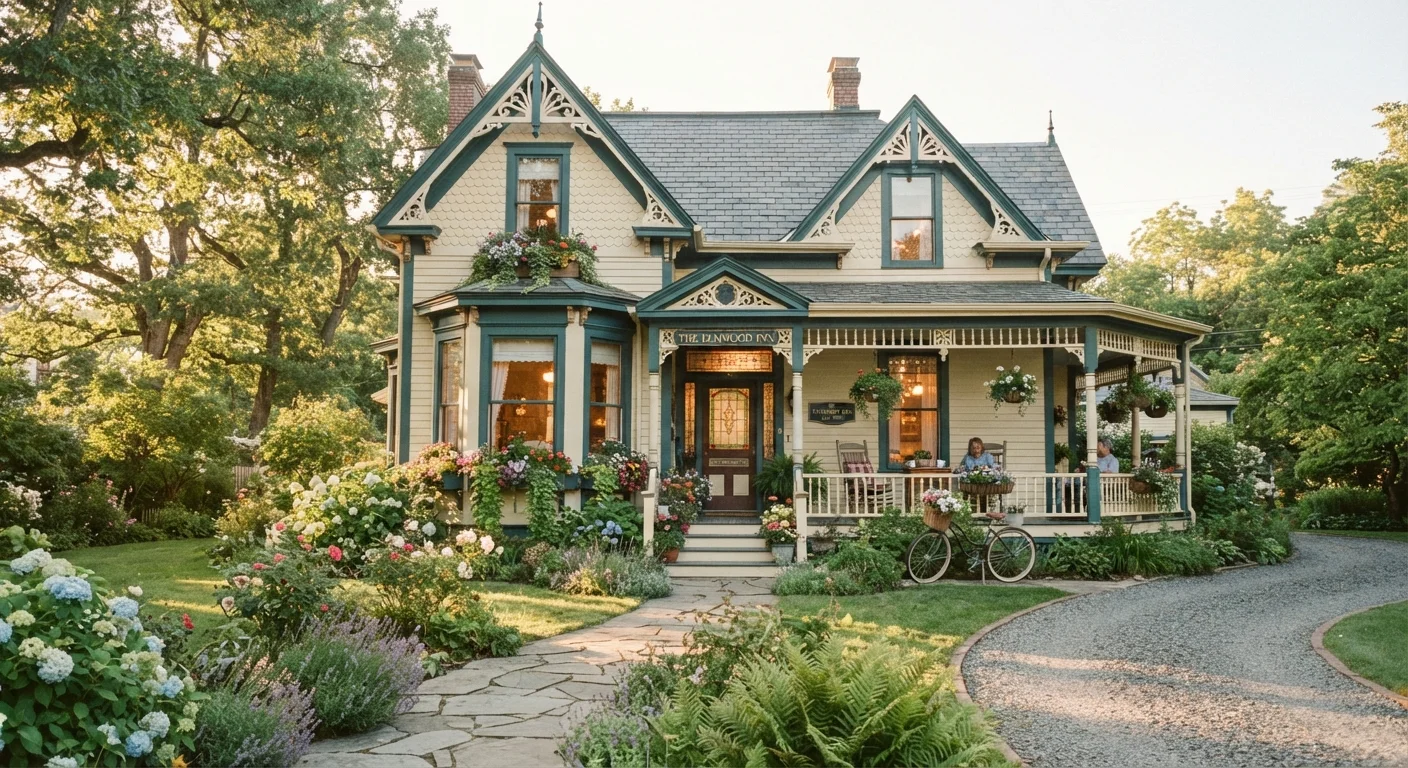
B&Bs are small, owner-operated properties — often a converted home — where breakfast is included in the nightly rate. The experience is more personal than a hotel and can be a great way to get local recommendations from hosts. Room count is typically low, so availability fills quickly.
Vacation Rentals and Apartments
These are privately owned properties — apartments, houses, or cottages — rented directly from owners or through rental platforms. They usually include a kitchen, which makes them practical for families or longer stays. Self check-in is common, and you won't have daily housekeeping unless arranged. Cancellation policies are often stricter than hotels.
Boutique and Specialty Properties
This broad category covers everything from historic inns and design hotels to glamping sites and capsule hotels. What they share is a distinctive character that standard chain hotels don't offer. Amenities and policies vary widely — always read the full listing before booking. The full accommodation type reference guide covers these in more detail.
Read the Full Listing, Not Just the Photos
Property photos are selected to show the best angles and may not reflect the actual room you'll be assigned. Always read the full listing description, including room details, floor information, and any notes about shared spaces. If anything is unclear, contact the property directly before booking.
Key Questions to Ask Before You Book
Before confirming any reservation, work through these questions for each property you're considering:
- What is included in the rate? Confirm whether breakfast, parking, Wi-Fi, or resort fees are included or charged separately.
- What is the cancellation policy? Know whether your rate is refundable and by what date you must cancel to avoid charges.
- What is the check-in process? Hotels have staffed desks; rentals often use lockboxes or key codes. Make sure you have all the arrival details in advance.
- Where is it located? Look at walking distance to transit, attractions, and grocery stores — not just a map pin.
- What do recent reviews say? Focus on reviews from the past six to twelve months for the most relevant picture of current conditions.
Once you're ready to book, the step-by-step hotel booking walkthrough will guide you through the full reservation process.
Hidden Fees Can Change the Real Cost
Some properties advertise a low nightly rate but add mandatory resort fees, cleaning fees, or city taxes at checkout. Always review the total cost — including all fees and taxes — before confirming your reservation. The final total can differ significantly from the headline price shown in search results.
Matching Lodging to Your Trip
No single lodging type suits every trip. Here's a quick-reference framework for first-time travelers:
| Trip Type | Often a Good Fit | Worth Considering |
|---|---|---|
| Solo city break | Hostel (private room), budget hotel | B&B for local tips |
| Couple's getaway | Boutique hotel, B&B | Apartment rental |
| Family trip | Vacation rental or apartment | Hotel with connecting rooms |
| Business travel | Hotel (flexible cancellation) | Extended-stay property |
| Long-term or multi-city trip | Mix of lodging types by destination | Monthly apartment rental |
Your trip style should guide the decision as much as price. For a deeper look at aligning accommodation with different travel goals, see Accommodation for Every Trip Style. And if you haven't settled on where you're going yet, picking your destination is a useful starting point before locking in lodging.