
What Defines Each Type of Hotel
The lodging industry does not have a single legal definition for either term, which can make comparison tricky. Here's how these categories are generally understood.
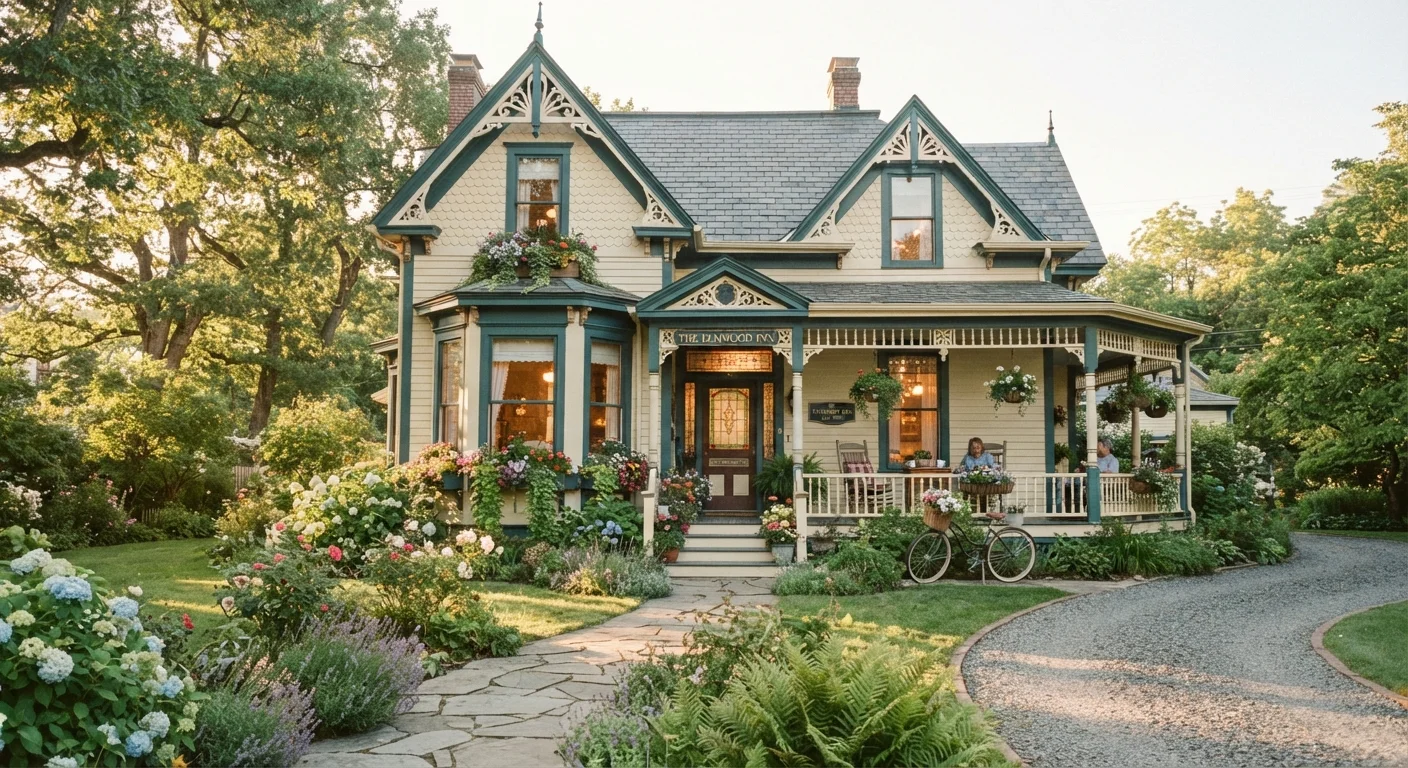
Boutique hotels are typically smaller properties — usually under 100 rooms — that are independently owned or affiliated with a small collection brand. They are designed around a distinct concept: a theme, an aesthetic, or a strong connection to their neighborhood. Service is often more personal, staff may know returning guests by name, and the decor rarely feels mass-produced.
Chain hotels (also called branded hotels) belong to a parent company or franchise network — think large international hospitality groups with locations in dozens of countries. Every property within a brand tier is held to a standardized checklist: room size minimums, amenity requirements, staff training protocols, and quality-control audits. That consistency is the core value proposition.
Understanding this distinction matters before you book. See our plain-language breakdown of all major lodging types if you're still weighing your broader options.
How They Compare: A Side-by-Side Look
Choosing between boutique and chain accommodations involves trade-offs across several practical dimensions. Here's how they typically stack up.
| Criterion | Boutique Hotels | Chain Hotels |
|---|---|---|
| Typical size | Under 100 rooms | 100–1,000+ rooms |
| Ownership | Independent or small collection | Corporate franchise or brand |
| Design & decor | Unique, concept-driven | Standardized by brand tier |
| Service style | Personalized, often informal | Procedural, consistent |
| Predictability | Variable by property | High — same standards everywhere |
| Loyalty programs | Rarely available | Standard feature |
| Local character | Usually strong | Minimal — brand identity dominates |
| Price range | Budget to luxury | Budget to ultra-luxury |
A few nuances worth noting: price is not a reliable signal. Some boutique hotels are genuinely budget-friendly; others are luxury experiences. Similarly, chain hotels span economy to ultra-luxury tiers. The rate you see reflects the brand tier, location, and timing — not simply the hotel category.
A Note on 'Soft Brand' Collections
Some major hotel companies now operate 'soft brand' collections — groups of independent hotels that retain their individual identity while gaining access to a chain's reservation system and loyalty program. If a property is listed under a large brand's umbrella but looks distinctly boutique, it may fall into this category. It's worth checking the ownership structure if that distinction matters to you.
Service, Atmosphere, and What You Actually Experience
The most meaningful differences between boutique and chain hotels tend to show up not in the brochure, but during your stay.
At a chain hotel, the experience is engineered for consistency. You'll find the same pillow menu, the same app-based check-in, and the same shampoo brand whether you're in Dallas or Denver. For a first-time traveler, this removes a layer of anxiety — you largely know what you're walking into.
At a boutique hotel, the experience is intentionally variable. The lobby might double as an art gallery; the restaurant may source ingredients from the surrounding region; the staff may offer genuinely local recommendations rather than a printed tourist map. That distinctiveness is the draw — but it also means less predictability.
Boutique properties are sometimes compared to bed and breakfasts in terms of atmosphere, though they typically offer more privacy and standard hotel amenities. The overlap is in the personal touch, not the format.
~100 rooms
Typical boutique hotel room count ceiling
Industry observers generally use 100 rooms as the informal upper boundary that distinguishes boutique from larger branded properties.
7,000+
Properties in some major hotel brand portfolios
Large hospitality conglomerates operate thousands of locations globally, enabling the standardization that defines chain hotel stays.
Making the Choice That Fits Your Trip
There's no universally correct answer. The right hotel type depends on why you're traveling, how comfortable you are with the unknown, and what you want from your nights away.
Consider a chain hotel when: you're traveling solo for the first time, you're on a tight schedule and can't afford surprises, or you want to earn loyalty points toward future stays. Their standardized policies — especially around cancellations and complaints — are also generally easier to navigate.
Consider a boutique hotel when: the destination itself is the attraction and you want accommodation that deepens the experience, you're traveling as a couple or small group seeking atmosphere, or you'd rather pay for character than brand recognition.
However you decide to book, where you book also matters. Whether you go boutique or chain, booking direct versus using a third-party site can affect your flexibility, perks, and how smoothly problems get resolved. That's a separate decision worth making deliberately. For foundational guidance on what to expect from any hotel stay, our hotel basics hub walks you through check-in to check-out.