What to Bring to the Front Desk
Walking up to a hotel's front desk unprepared can slow things down and create unnecessary stress. Three items cover almost every situation:
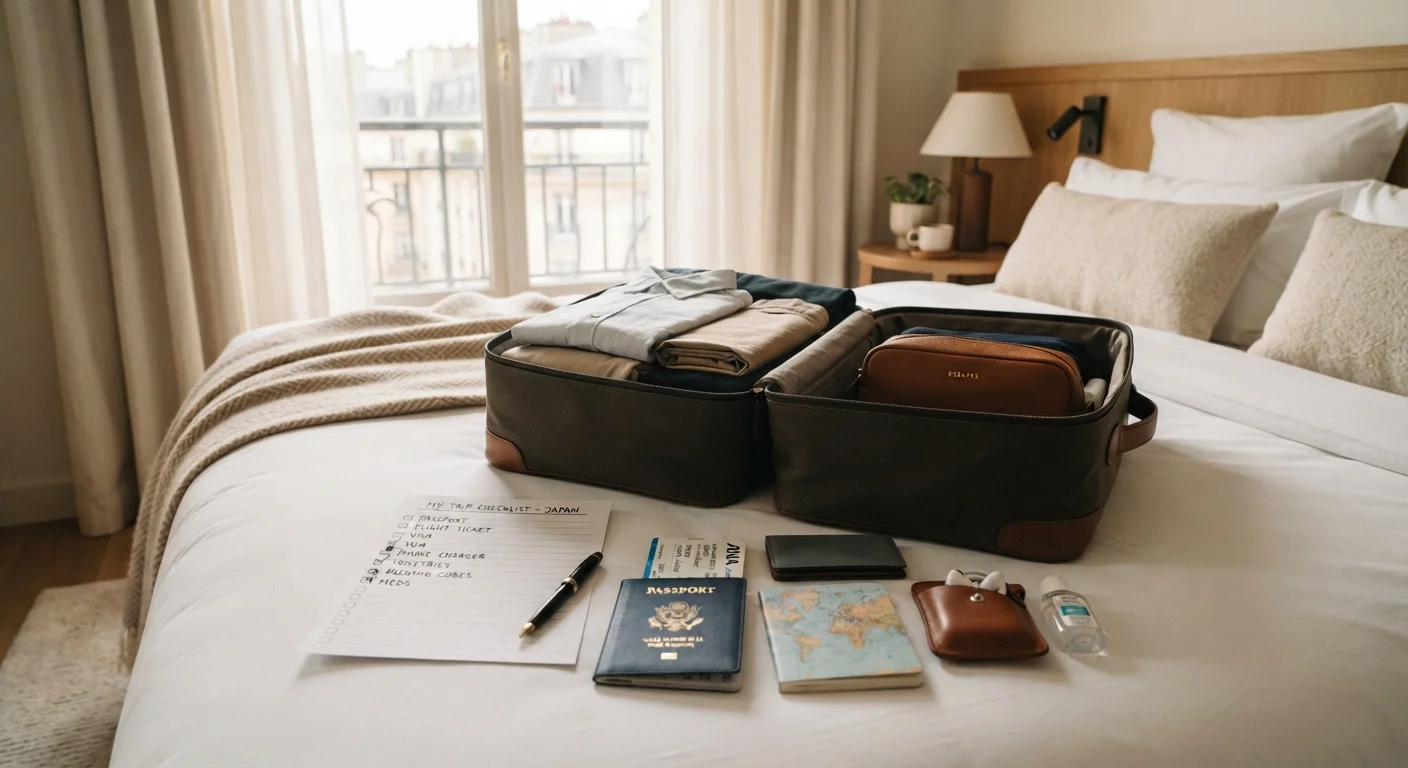
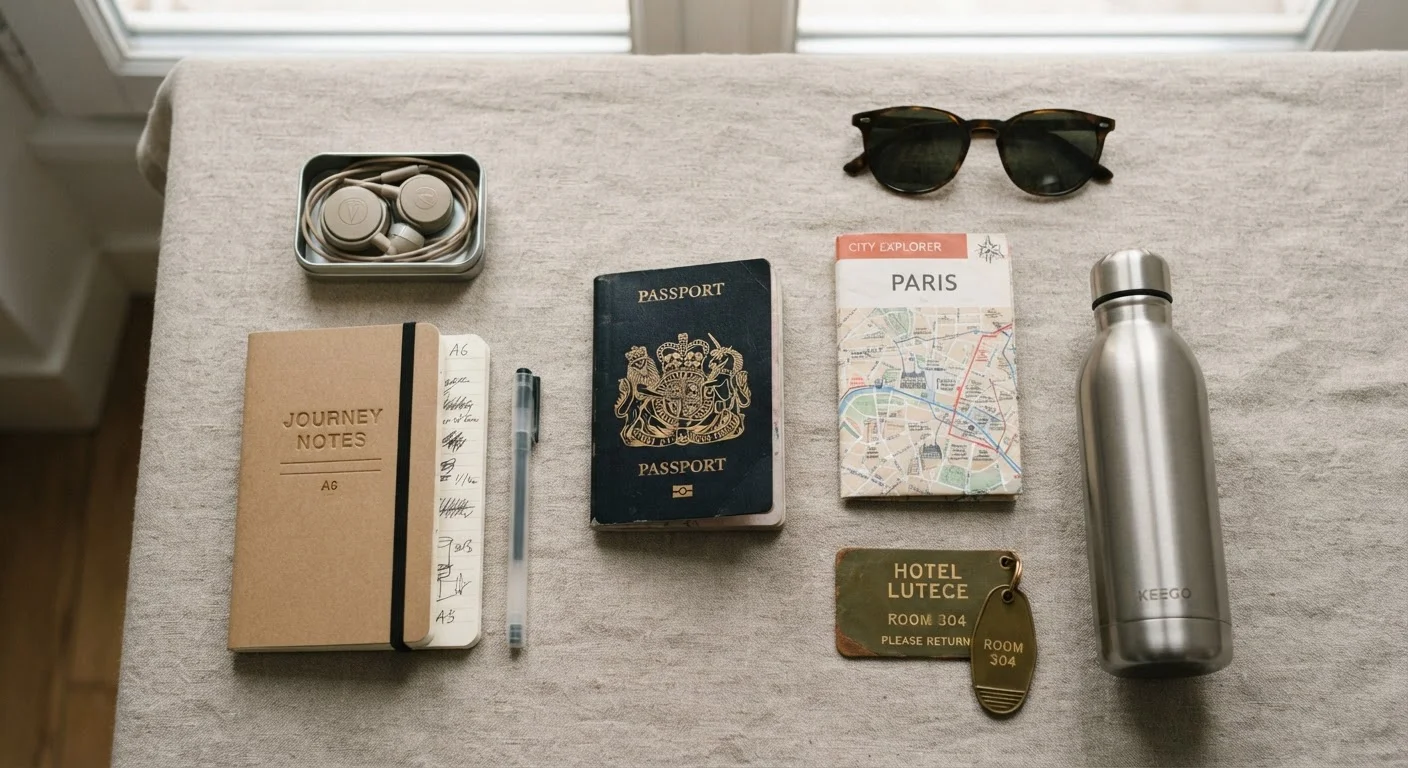
- Photo ID: A government-issued ID — driver's license, state ID, or passport — is required at virtually every hotel. The name must match the reservation exactly. International travelers should always bring a passport.
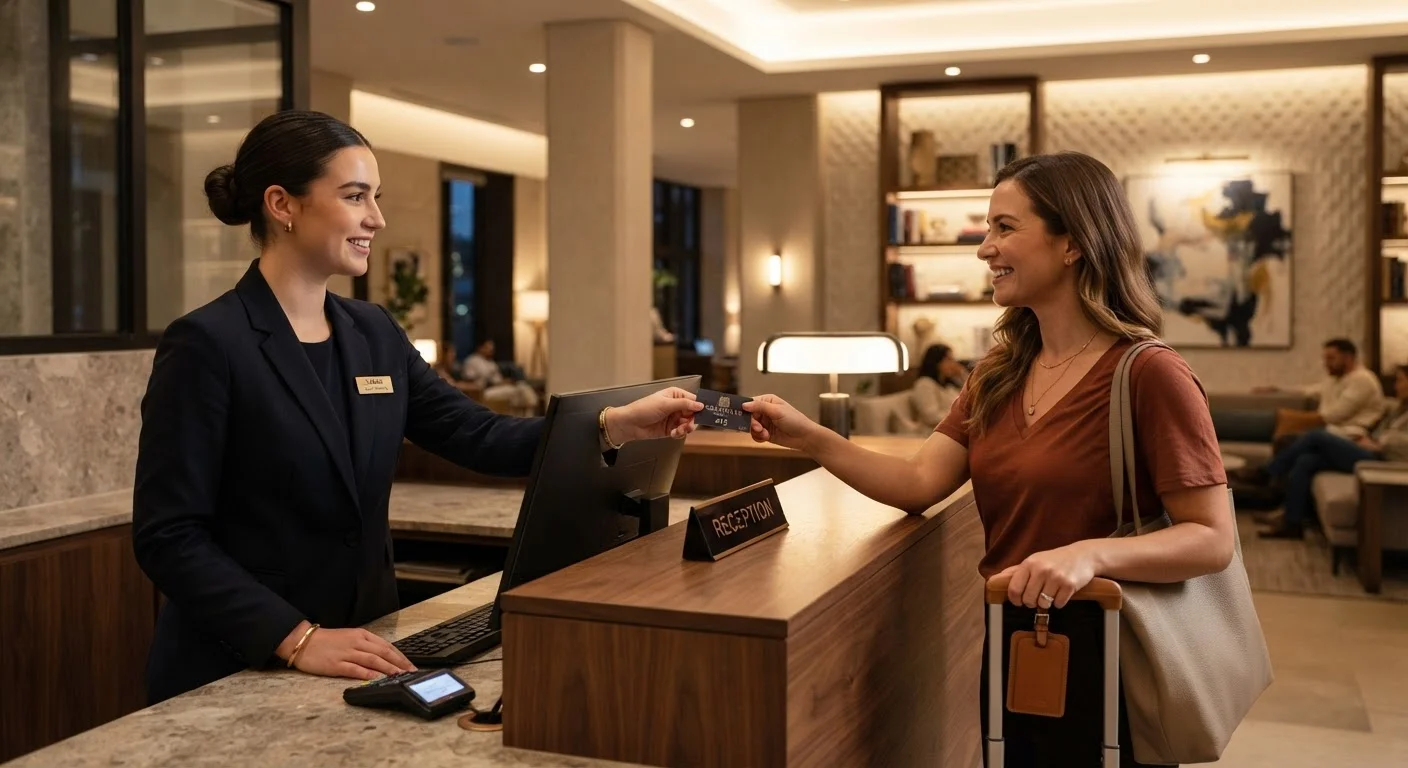
- The payment card used to book: Even if you prepaid your reservation online, the front desk will typically ask for the original card to verify identity and to place an incidental hold. Bring the physical card, not just a screenshot.
- Your reservation confirmation: A printout or a screenshot with the confirmation number speeds things up, especially if there's a name mismatch or a system discrepancy.
If someone else booked your room on their card, call the hotel in advance. Many properties require a signed authorization letter and a copy of the cardholder's ID — policies vary significantly.
For a broader view of what goes into booking a hotel before you even arrive, see our guide to hotel booking for first-time travelers.
Photograph Your Confirmation Before You Travel
Before leaving home, take a screenshot or photo of your booking confirmation, including the reservation number, hotel address, and check-in date. If you lose signal or your app fails on arrival, you'll have everything you need offline. It also helps if the front desk has trouble locating your booking.
What Actually Happens at the Desk
The front desk agent will greet you and ask for your ID and payment card. They'll pull up the reservation, confirm your room type and the number of nights, and ask how many key cards you need. This is also when you'll sign or confirm an authorization for the incidental hold.
An incidental hold (sometimes called a security deposit or authorization) is a temporary freeze on a portion of your card's available balance. It is not a charge — it exists to cover potential extras like minibar use, parking, or room service. The amount varies by hotel, often ranging from $50 to $200 or more per night. It's released after checkout, but depending on your bank, that can take several business days. Debit card users should be especially aware: the hold reduces your available balance immediately.
Once the paperwork is settled, you'll receive your key card along with information about where your room is located. Some agents will walk you through a property map; others simply point you toward the elevator.
Mobile and Self-Service Check-In
Some hotel brands offer app-based or kiosk check-in, which can reduce wait times. However, you'll still typically need to present your ID and card to a staff member at some point during arrival — especially on your first visit. Confirm with your specific property what the full process involves before assuming you can bypass the front desk entirely.
This check-in process is specific to traditional hotel stays. If you're curious how other accommodation formats differ, bed and breakfasts have their own distinct arrival customs worth understanding.
The Questions Worth Asking Before You Walk Away
The front desk interaction is your single best opportunity to get practical information about your stay. Most guests rush off to their room without asking anything — then spend time later hunting down answers. These questions take under two minutes and pay off:
3:00 PM
Typical standard hotel check-in time
Most full-service hotels set standard check-in at 3:00 PM, though budget and boutique properties may vary.
$50–$200+
Common incidental hold range per night
The size of a hotel's incidental authorization varies widely by property tier and location.
- Wi-Fi network and password: Don't assume it's posted in the room.
- Breakfast details: Is it included? What are the hours and location?
- Parking: Where do you park, and is there a daily fee?
- Pool, gym, or spa hours: Amenities often have restricted access windows.
- Checkout time: Standard is typically 11:00 AM or noon. Ask if late checkout is available on your departure day.
- Room preferences: If you have specific needs — a quiet floor, away from the elevator, extra pillows — now is the time to mention them. Requests can't always be accommodated, but asking costs nothing.
Sleep quality is closely tied to room placement and features. Our article on room features that affect your rest explains exactly what to ask for.
Once you're settled in, you'll also want to know the unwritten rules around housekeeping and tipping. Hotel etiquette for first-time guests covers the conventions most people don't learn until after their first stay.
Early Arrivals, Room Issues, and Other Common Scenarios
Arriving before standard check-in time (typically 3:00 PM) doesn't mean you're out of options. Ask the front desk if your room is ready — sometimes it is. If not, the hotel can usually store your luggage at no charge, giving you time to explore, grab a meal, or use the lobby. Confirm when to return or ask to be texted when the room is available.
If something is wrong with your room — it's smaller than expected, faces a loud street, or has a maintenance issue — report it immediately. Front desk staff are generally empowered to move guests when rooms are available. The further you are into your stay, the harder it is to resolve.
For a complete walk-through of what to check when you first enter your room from a safety perspective, see what to look for when you arrive at your accommodation.
And when it comes time to leave, a quick checkout checklist helps you avoid common oversights — from reviewing your bill to retrieving valuables. Before you leave your hotel room walks through every step.