Why Etiquette Matters More on Transit Than Almost Anywhere Else
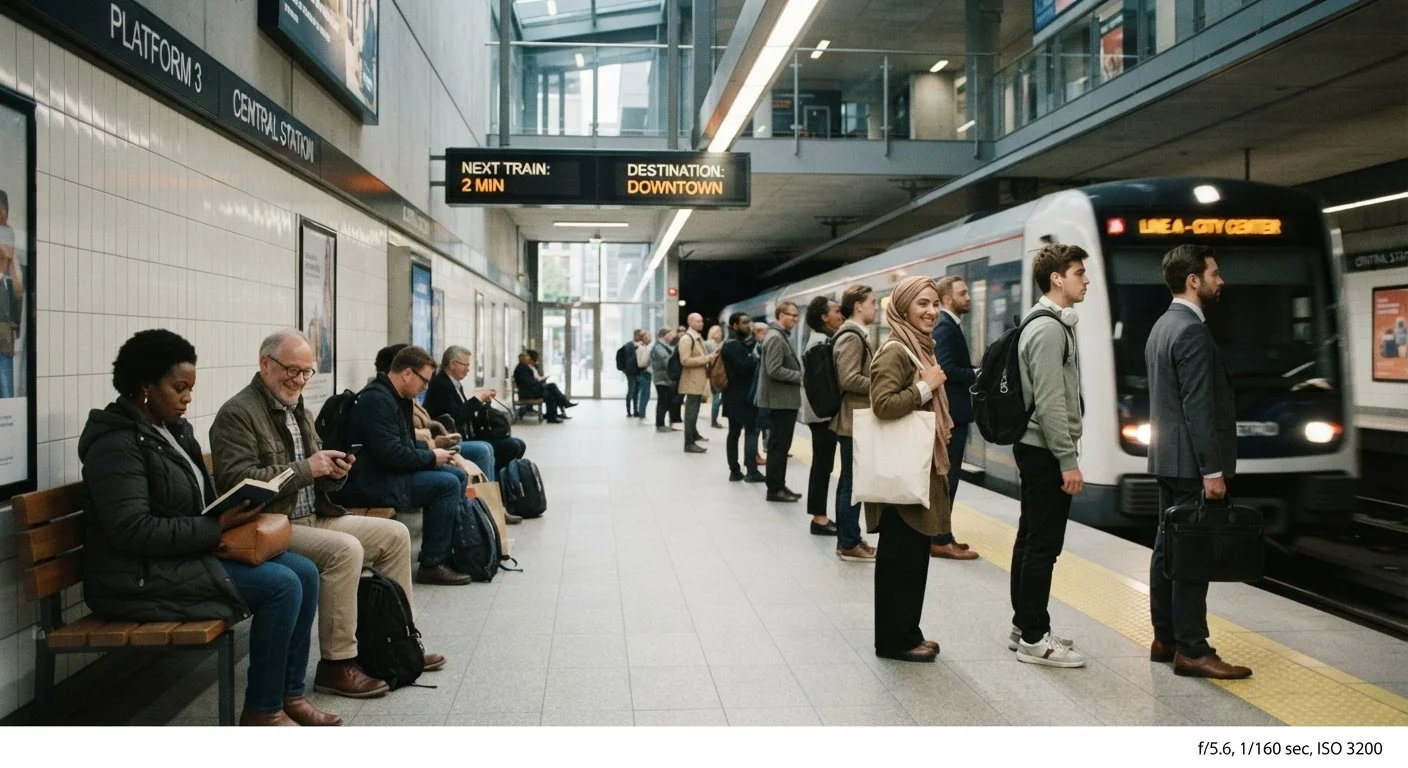
Public transport is shared space operating under pressure — tight schedules, crowded carriages, and strangers thrown together for short, sometimes stressful journeys. Most transit systems have formal rules posted in stations or printed on tickets, but the norms that actually govern daily behavior are rarely written down anywhere. Locals absorb them over years of riding; visitors often don't realize they exist until they've already broken one.
The good news is that most transit etiquette is built on a small set of consistent principles: don't slow others down, don't impose on your neighbors, and give extra consideration to passengers who need it most. The application of those principles varies meaningfully by country, city, and even individual line — so knowing what to look for matters as much as knowing the general rules.
For a broader look at common beginner missteps beyond etiquette alone, see common transit mistakes first-timers make.
Core Practices That Keep Fellow Passengers on Your Side
The following practices apply across the vast majority of urban transit networks worldwide. Treat them as your baseline before layering in any city-specific norms.
Always let passengers off before you board.
Attempting to board while others are still alighting creates a bottleneck that delays the entire service. This single habit is the clearest marker separating experienced transit riders from beginners. Transit agencies in London, Tokyo, and New York all post reminders about this — it's nearly universal.
Keep bags off seats and out of the aisle.
A bag occupying a seat during peak hours is one of the most reliably aggravating behaviors on any transit network. Beyond courtesy, many systems have bylaws specifically prohibiting it during busy periods. Keeping your bag on your lap or in the overhead rack (where available) signals awareness of your neighbors.
Yield priority seating immediately and without being asked.
Priority seats — marked with symbols indicating elderly passengers, pregnant riders, and people with disabilities — are a formal system, not a suggestion. Waiting to be asked to move is considered poor form in most cultures. If you're unsure whether someone needs the seat, it costs nothing to offer.
Manage your audio so it stays private.
Speakerphone calls, music through open speakers, and loud video playback are among the most common etiquette complaints on transit globally. Headphones are the minimum standard; keeping volume low enough that sound doesn't bleed out is the actual goal. Phone calls at normal conversational volume are generally tolerated in most Western networks but actively frowned upon in Japan and South Korea.
Check local rules on food and drink before you open anything.
Eating on transit is banned outright in some of the world's most-visited cities — Singapore's Mass Rapid Transit system carries fines up to SGD 500 for eating or drinking. Washington D.C.'s Metro prohibits it. Other networks, like many European metro systems, are more permissive. Assuming the rules match your home city is a common and costly mistake.
How Norms Shift Around the World
Once you have the fundamentals down, regional variation is where things get genuinely interesting — and where most etiquette mistakes happen.
Norms Are Network-Specific, Not Country-Wide
It's tempting to assume a single set of rules applies across an entire country, but transit etiquette often differs between intercity rail and urban metro, or even between different lines in the same city. Tokyo's subway and Japan's shinkansen (bullet train) share many norms but differ on others — shinkansen quiet carriages, for instance, have stricter phone rules. Always check the specific service you're using, not just the general reputation of the country.
Japan and South Korea operate some of the quietest transit environments in the world. Phone calls are strongly discouraged (and in Japan, often announced as prohibited on the train itself). Quiet coaches exist in many intercity services across the UK and Europe, marked clearly; entering one and then taking a call is a reliable way to alienate an entire carriage.
New York City's subway has a notably more relaxed atmosphere around noise and food compared to many Asian or Northern European networks, though eating messy or strongly scented food still draws attention. Washington D.C.'s Metro, by contrast, actively prohibits eating and drinking and enforces it with fines.
In many parts of Latin America and Southeast Asia, buses may stop briefly mid-route and vendors may board to sell food or goods — this is normal and expected. What would be disruptive in Tokyo is unremarkable in Jakarta or Mexico City. Calibrate your expectations to the specific network you're on, not to transit systems you've used before.
Priority seating customs also vary. In South Korea, designated seats for elderly passengers are observed so strictly that many younger riders avoid sitting in them even when the carriage is empty. Understanding this before you board prevents an uncomfortable moment. For travelers with mobility needs, what to know about accessibility on public transit abroad covers how priority spaces and step-free access differ by network.
Quick Wins You Can Act On Before Your Next Journey
Etiquette knowledge only helps when it's applied. These immediate actions will improve your first ride on any unfamiliar network.
Etiquette on shared transport is part of broader situational awareness while traveling. The staying safe while traveling hub covers how to stay alert and comfortable across different environments.