The Four Main Products at the Rental Counter
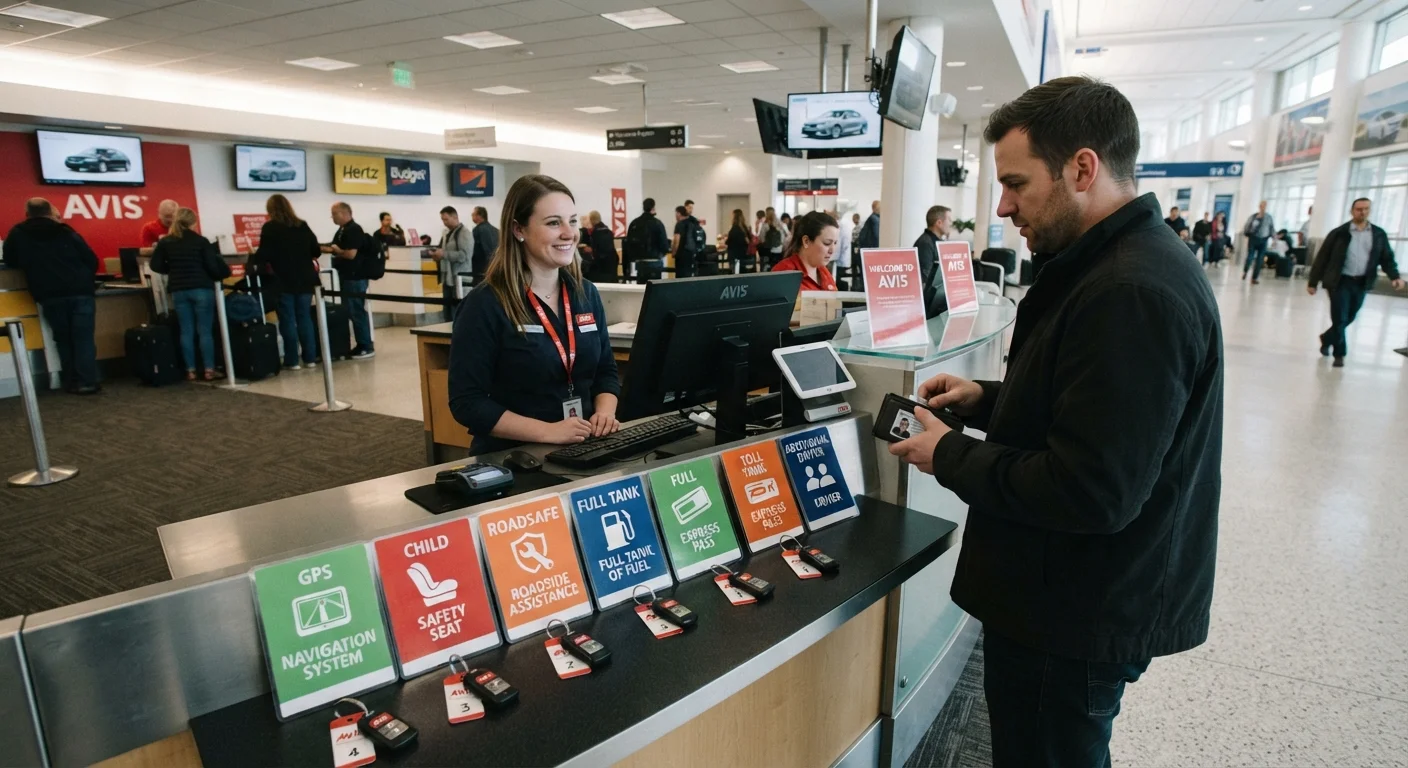
When you reach the rental counter, an agent will typically present four categories of coverage. Each addresses a different type of risk, and understanding them prevents both over-buying and under-protecting yourself.
- CDW / LDW (Collision Damage Waiver / Loss Damage Waiver): This waiver — not technically an insurance policy — means the rental company agrees not to hold you financially responsible if the vehicle is damaged or stolen. LDW usually bundles collision damage and theft into one product. Exclusions commonly include damage from driving on unpaved roads, gross negligence, or unauthorized drivers behind the wheel.
- SLI (Supplemental Liability Insurance): Your rental car is a motor vehicle, and if you injure someone or damage their property, you can be held liable. SLI raises the liability limit beyond the minimum the rental company provides by default. This matters most for travelers whose personal auto policy does not extend to rentals.
- PAI (Personal Accident Insurance): Covers medical costs for you and passengers after an accident. If you already carry health insurance or personal injury protection (PIP) through your auto policy, this product often duplicates what you have.
- PEC (Personal Effects Coverage): Reimburses you for personal belongings stolen from the vehicle. Renters with homeowners or renters insurance typically find their existing policy already covers off-premises theft.
For a broader orientation to the rental process, see our car rentals explained guide.
Waivers Are Not Traditional Insurance
CDW and LDW are contractual waivers, not insurance policies regulated by your state's insurance commissioner. This means if a dispute arises over a damage charge, you're working within the terms of your rental contract rather than through a standard insurance claims process. Understanding this distinction helps set realistic expectations.
What These Products Don't Cover
Every waiver and add-on has exclusions. Reading the rental agreement before signing is not optional — it is where your actual obligations are defined.
Common CDW/LDW exclusions include:
- Damage to tires, windshields, or the undercarriage (sometimes sold as a separate add-on)
- Damage resulting from driving on unpaved or restricted roads
- Any incident involving an unauthorized driver
- Damage that occurs while violating traffic laws
SLI typically does not cover damage to the rental vehicle itself — that is CDW/LDW territory. It also generally excludes intentional acts and incidents occurring outside the permitted rental territory.
Because exclusion language varies by company and state, two rentals booked at similar prices can carry very different protections. This is one reason common first-timer assumptions about coverage cause real financial problems.
Ask for the Exclusions in Writing
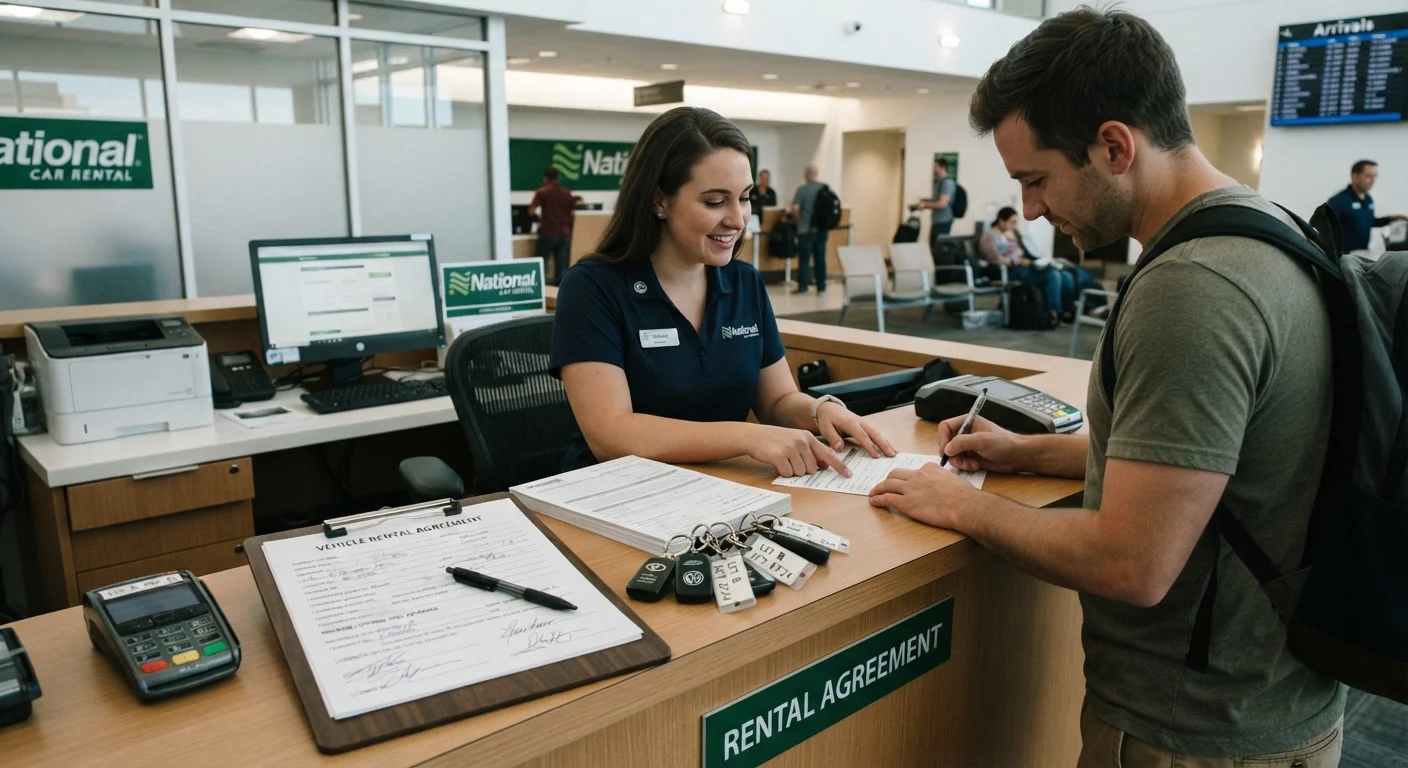
Before signing the rental agreement, ask the agent to point out the exclusions section for any waiver or add-on you're accepting or declining. Most rental agreements are standardized documents — the exclusions are there. Taking two minutes to read them can prevent a dispute later.
Coverage You May Already Have — and How to Check
Many first-time renters pay for products they already hold through other means. Before your trip, check three sources:
- Your personal auto insurance policy: If it includes comprehensive and collision coverage, that protection often extends to rental vehicles domestically. Call your insurer and ask specifically: does my policy cover a rental car, and does my deductible apply?
- Your credit card benefits: Many cards offer secondary or primary rental car damage coverage when you pay for the rental with that card and decline the CDW. Terms vary significantly — some cards exclude certain vehicle types (luxury cars, trucks, motorcycles) or countries. Credit card rental protection versus rental company insurance is worth understanding before you reach the counter.
- Your health insurance: For PAI, confirm whether your health plan covers injuries sustained in a vehicle accident before purchasing duplicate medical coverage from the rental company.
Whatever you decide, document the rental vehicle's condition at pickup. Properly documenting a rental car before you drive off the lot is one of the most practical ways to protect yourself regardless of which coverage you carry.
~79%
US adults with personal auto insurance
According to the Insurance Information Institute, the vast majority of US licensed drivers carry some form of personal auto insurance, which may already extend to rental vehicles.
Up to $30/day
Typical CDW cost at major US rental counters
CDW/LDW fees are commonly quoted in a range that can add $150–$200 or more to a week-long rental, making it worth verifying existing coverage beforehand.