
How Each Type of Coverage Works
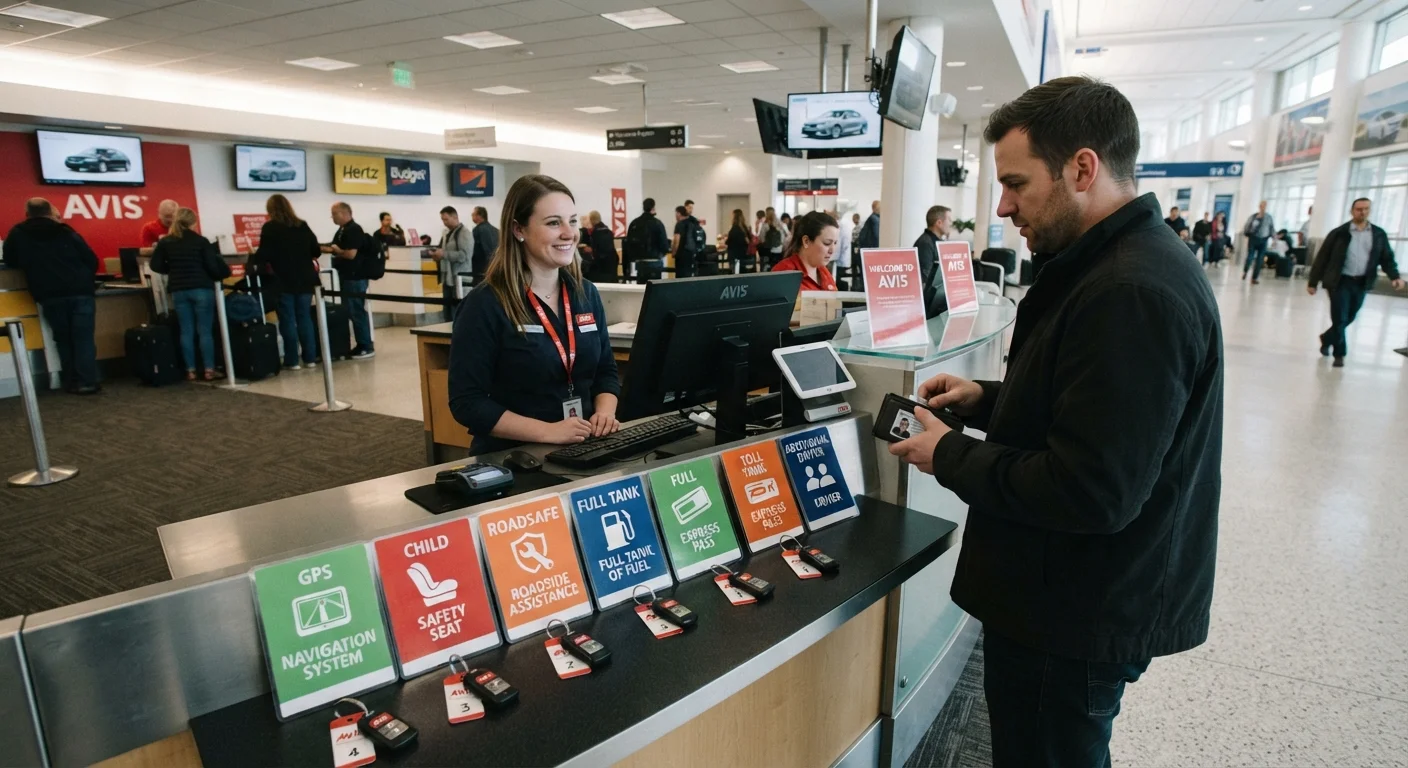
When you pick up a rental car, the agent will almost always offer you a Collision Damage Waiver (CDW) or Loss Damage Waiver (LDW) — terms that are often used interchangeably. These aren't technically insurance policies; they're agreements by the rental company to waive your financial responsibility if the vehicle is damaged or stolen. You pay a daily fee (typically $10–$30), and the company absorbs the loss. For a full breakdown of what these waivers do and don't cover, see our guide to rental car insurance acronyms.
Credit card travel protection works differently. Many cards — particularly Visa Signature, certain Mastercard tiers, and various travel-focused cards — include rental car coverage as a cardholder benefit. When you decline the rental company's CDW and pay for the full rental with that card, the card's benefit may cover damage or theft costs. However, this coverage is almost always secondary by default, meaning it only pays what your personal auto insurance doesn't. A smaller number of cards offer primary coverage, which pays first without involving your personal policy.
| Criterion | Credit Card Protection | Rental Company CDW/LDW |
|---|---|---|
| Coverage type | Usually secondary; some cards primary | Primary — waives liability directly |
| Daily cost | No extra charge (benefit of card) | Typically $10–$30 per day extra |
| Eligibility requirements | Must pay full rental on that card; exclusions apply | Available to any renter at counter |
| Vehicle exclusions | Common (trucks, luxury, exotic cars) | Covers the rented vehicle as contracted |
| Claims process | Submit documents to card issuer after the fact | Handled directly with rental company |
| Duration limits | Often capped at 15–30 consecutive days | Matches your rental period |
| Personal liability coverage | Not included | Not included (requires separate SLI) |
The Fine Print That Changes Everything
The most important thing to understand about credit card rental protection is that the details vary enormously from card to card. A benefit that applies on one card may not exist — or may work very differently — on another card issued by the same bank. Before your trip, locate your card's Guide to Benefits (available through your card issuer's website or customer service line) and look specifically for:
- Coverage type: Is it primary or secondary?
- Excluded vehicles: Trucks, cargo vans, exotic cars, and vehicles over a certain value are commonly excluded.
- Geographic limits: Some cards exclude rentals in certain countries.
- Rental duration limits: Many cards cap coverage at 15 or 30 consecutive days.
- Payment requirement: The entire rental must typically be charged to that card.
Rental company insurance, by contrast, is straightforward: you pay the daily fee, sign the waiver, and you're covered for that vehicle on that rental — no eligibility research required. The trade-off is cost and, occasionally, coverage gaps around personal liability (injury to others) that neither CDW nor card benefits address. For a look at mistakes first-timers often make around these assumptions, see common rental car misconceptions.
Always Verify With Your Card Issuer Directly
Card benefit summaries found on comparison websites are often simplified or outdated. The only authoritative source is your card's own Guide to Benefits document, which you can request from your issuer. When in doubt, call the benefits number on the back of your card before your trip and ask specifically whether your planned rental is eligible. Keep a record of what you're told.
What Neither Option Covers — and Why It Matters
Both credit card protection and rental company CDW/LDW focus on damage to the rental vehicle itself. Neither automatically covers:
- Liability for injuries to other people in an accident you cause
- Your personal belongings stolen from the vehicle
- Medical expenses for you or your passengers
If you don't carry personal auto insurance, or if you're renting in an unfamiliar country, these gaps matter. Rental companies offer supplemental products like Supplemental Liability Insurance (SLI) that address the liability gap, though these come at an added daily cost.
Before you travel, it's also worth checking whether your broader travel insurance policy covers any of these areas. Our article on what travel insurance actually covers is a useful starting point. And once you've sorted your coverage, protect yourself further by documenting the car thoroughly at pickup so you're not charged for pre-existing damage.
~30%
Renters who decline the CDW at the counter
Industry estimates suggest roughly a third of rental customers decline the CDW, often assuming their card or personal policy covers them — though many haven't verified the specifics.
15–30 days
Typical credit card rental coverage duration limit
Most major credit card rental benefits cap coverage at 15 to 30 consecutive rental days; longer trips may require separate coverage.