Start with the Big Picture: Region, Duration, and Budget
Before you search a single sailing, lock down three foundational decisions: where you want to go, how long you can travel, and what you can genuinely afford to spend - not just on the fare, but on the full trip.
Popular cruise regions for first-timers include the Caribbean (warm weather, short port stops, many itineraries), Alaska (dramatic scenery, longer sea days), the Mediterranean (culture-heavy, ideal for history lovers), and the Bahamas or Mexico (short, affordable options for a first taste). Each region has a distinct pace and appeal, so match the destination to what your group actually enjoys on a vacation.
Duration shapes everything else. Three- to five-night cruises suit travelers testing the format for the first time. Seven nights is the most common length and offers enough time to settle into the ship's rhythm. Anything longer requires a firmer commitment and more port knowledge.
For budget, think in layers: the base fare, port fees and taxes (often added at checkout), gratuities (typically charged daily per person), and discretionary spending on excursions, drinks, and specialty restaurants. A realistic working budget for a 7-night Caribbean cruise for two adults is often 1.5 to 2 times the advertised cabin price once all variable costs are included. For general guidance on structuring any travel budget, see the itinerary planning hub.
7 nights
Most common cruise duration booked
Industry data consistently shows 7-night sailings represent the majority of cruise bookings, particularly among first-time passengers.
~1.5-2x
True cost vs. advertised fare
Travel industry practitioners estimate the all-in cost of a typical cruise runs 50-100% above the base cabin fare when port fees, gratuities, and onboard spending are included.
1 day early
Recommended pre-cruise hotel buffer
Travel advisors broadly recommend arriving at the departure port city the night before sailing to eliminate same-day flight delay risk.
Choosing the Right Ship and Itinerary
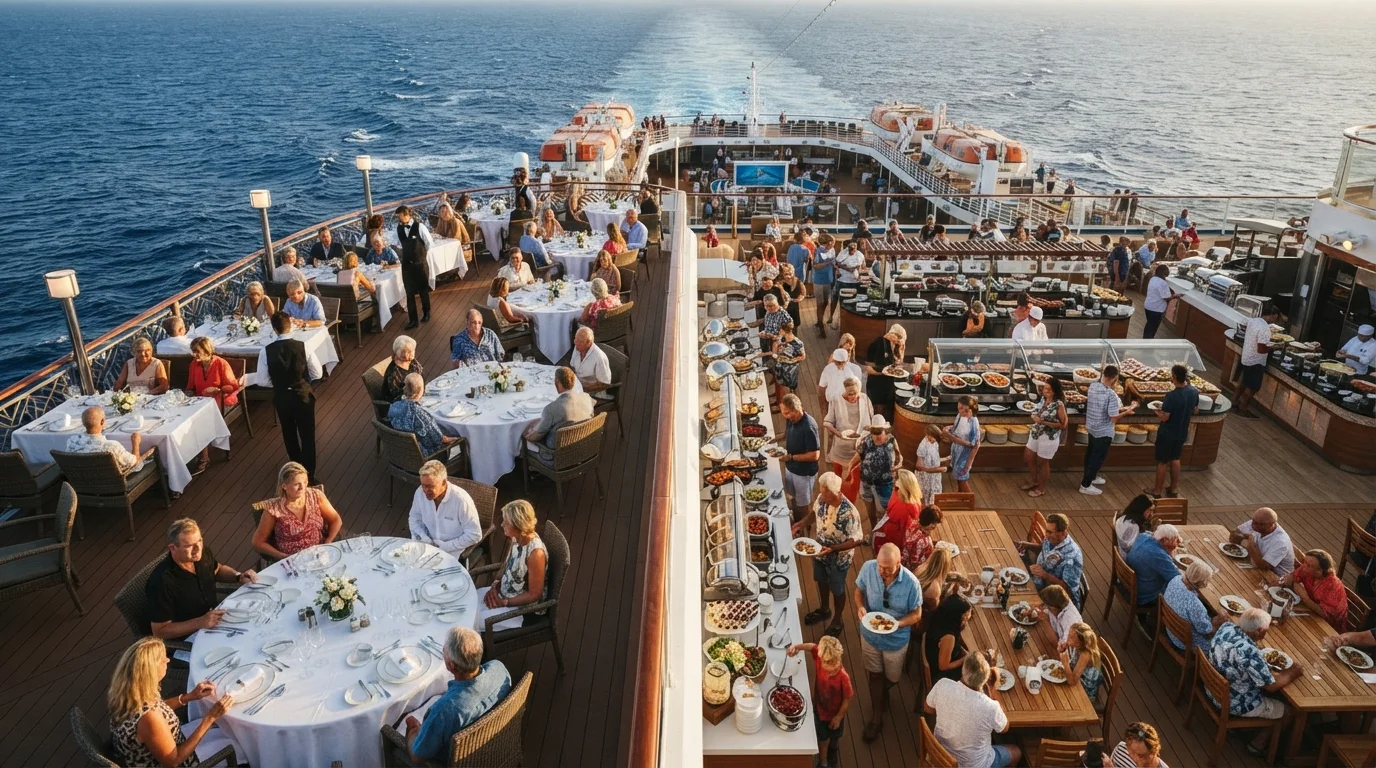
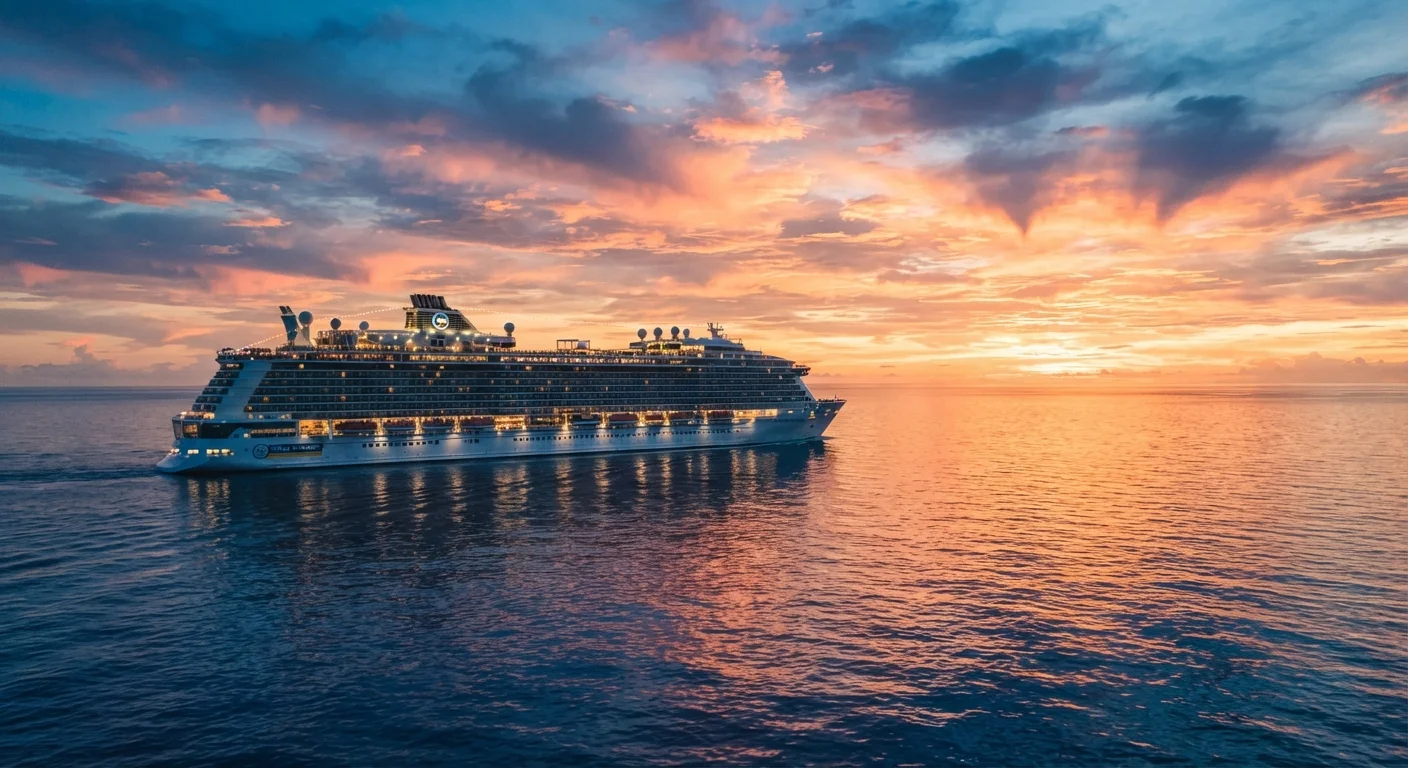
Ship size determines the energy of your experience. Large ships (carrying 3,000-6,000+ passengers) offer extensive entertainment, multiple dining venues, and activity pools - but crowds at ports and queues at restaurants are real trade-offs. Smaller ships create a more intimate atmosphere and can dock at ports inaccessible to big vessels, but amenity selection is narrower.
Itinerary pacing matters equally. Some routes visit a new port every day; others include sea days with no stops. Sea days are genuinely restful for some travelers and frustrating for others. Review the day-by-day schedule carefully before booking.
Before booking, map out the itinerary day by day and count how many sea days versus port days you'll have. Then ask honestly whether you want that ratio - most first-timers underestimate how much they'll enjoy (or dislike) sea days.
Itinerary pacing is one of the most common sources of post-trip dissatisfaction for first-time cruisers, yet it's rarely featured prominently in booking materials.
When evaluating cabin categories, don't just compare prices - compare the specific deck location within each category. Cabins mid-ship on lower-middle decks experience the least motion and are closest to embarkation decks.
Cabin location affects both comfort at sea and convenience on embarkation day, two practical factors that matter more than category upgrades for many travelers.
Look at each port of call, not just the destinations listed in the marketing headline. Ask: Is this a tender port (you take a small boat to shore) or a dock port (you walk off directly)? How many hours does the ship spend there? A six-hour stop in a busy city is very different from a ten-hour stop. For a deeper foundation on how cruises are structured, review the Cruise Basics hub.
Understanding What Your Fare Includes
Cruise fares are categorized by cabin type: interior (no window), ocean-view (porthole or window), balcony (private outdoor space), and suite (premium space and often enhanced services). Interiors are the most affordable and work well if you plan to spend most of your time outside the cabin.
Gratuities Are Not Optional on Most Ships
Most cruise lines apply a daily automatic gratuity charge per person - typically ranging from $15 to $20+ per person per day - which is added to your onboard account. This amount is separate from your fare and covers service staff across the ship. Factor this into your per-day budget calculation before you book, not after you board.
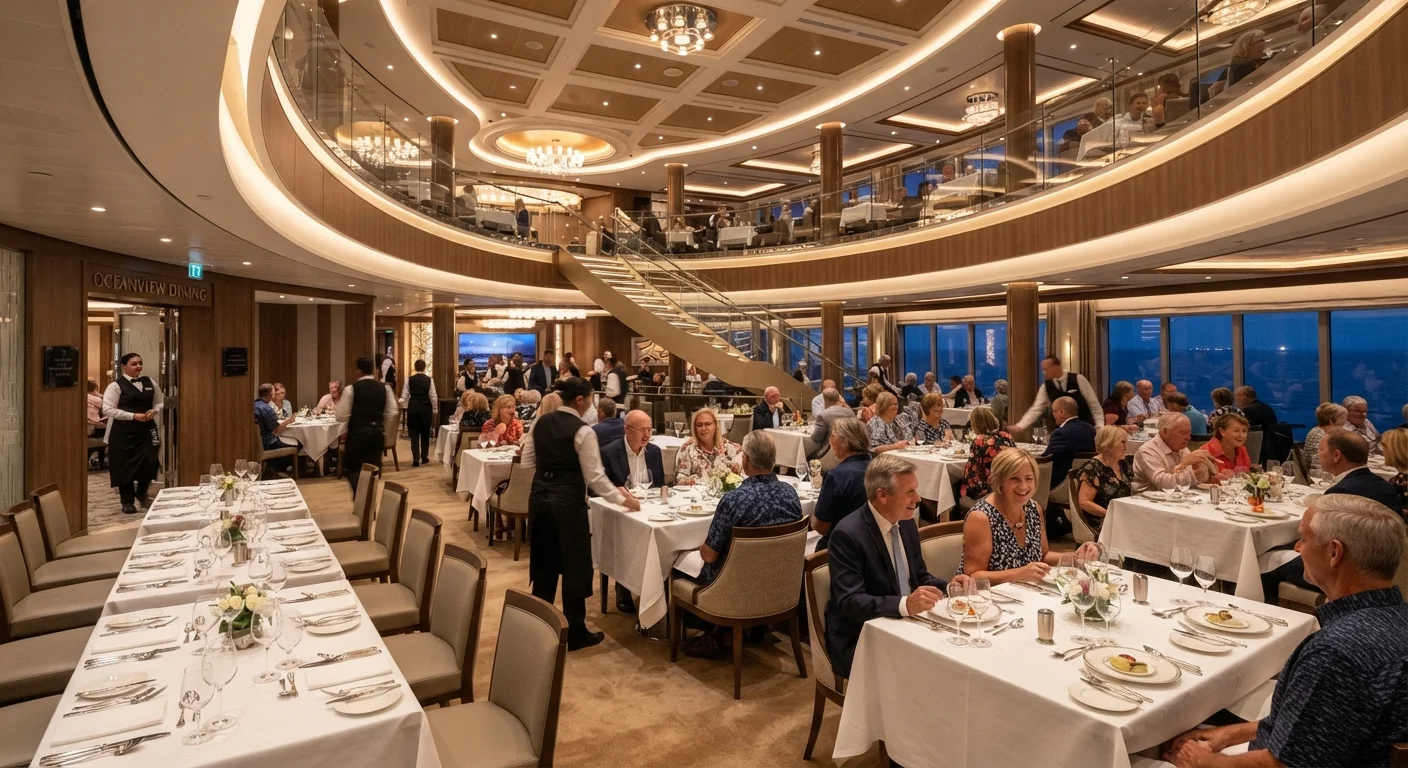
Standard fares typically include accommodation, main dining room meals, and most onboard entertainment. They generally do not include: alcoholic beverages, specialty restaurant surcharges, shore excursions, spa services, Wi-Fi packages, and gratuities. Drink packages and dining packages are sold separately and may or may not represent value depending on your habits - calculate based on your realistic consumption, not best-case use.
Some cruise lines offer fare tiers labeled things like "all-inclusive" or "premium," which bundle gratuities and sometimes drinks into the base price. Read the inclusions list carefully for any fare you consider, since definitions vary. This is general guidance - always confirm current inclusions directly with the cruise line or a licensed travel professional.
Booking Flights, Pre-Cruise Hotels, and Transfers
Missing your ship's departure is one of the most expensive mistakes a first-time cruiser can make. Ships depart on schedule; they do not wait for delayed flights. The safest practice is to fly into the departure port city at least one day in advance and book a hotel nearby. This eliminates same-day flight risk entirely.
When booking flights, treat your departure port and return port as separate cities if your itinerary ends in a different location than it begins (these are called open-jaw itineraries). For a step-by-step guide to booking flights for any trip, see the complete flight booking walkthrough.
Book Your Pre-Cruise Hotel Near the Port
Choose a hotel within a short, reliable distance of the cruise terminal - ideally one offering a shuttle or easy taxi access. Some pier-area hotels also offer park-and-cruise packages if you're driving to the port, which can simplify logistics considerably.
Cruise lines often sell transfer packages between airports, pre-cruise hotels, and the pier. These are convenient but typically priced at a premium. Compare costs against independent taxi or rideshare options based on your group size and luggage volume before purchasing.
Documents, Preparation, and Embarkation Day
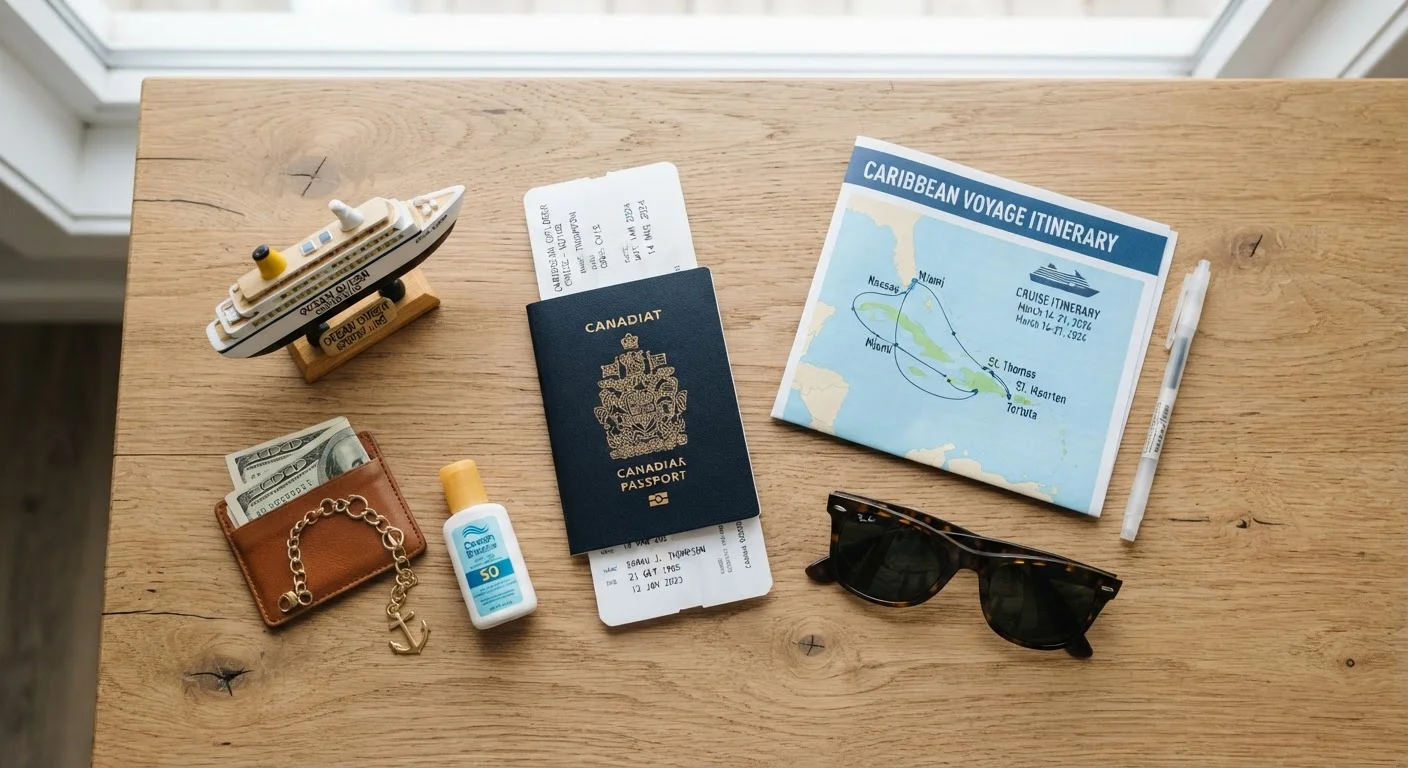
U.S. citizens traveling on most international cruises require a valid passport. A passport card works for closed-loop cruises (departing and returning to the same U.S. port), but a passport book is more universally accepted and provides more flexibility if an emergency requires flying home from a foreign port. Always verify current document requirements with official government sources and your cruise line well in advance of sailing - requirements can change.
Complete your cruise line's online check-in as soon as it opens (typically 90 days before departure). You'll upload a passport photo, select a boarding time window, and register a credit card for onboard charges. Carry printed copies of your e-documents, booking confirmation, and passport on embarkation day - do not rely solely on a phone that could lose charge or connectivity.
Embarkation day logistics: arrive at the pier during your assigned boarding window, not the earliest possible moment. Tag your checked luggage with the ship's provided tags before handing it to porters - luggage is delivered to cabins a few hours after boarding, so keep essentials (medications, a change of clothes, valuables) in your carry-on. For a detailed look at what happens from the moment you arrive through disembarkation, see Your First Cruise: A Complete Walkthrough.
Never Book Same-Day Flights to a Cruise Departure
If your flight is delayed or cancelled, the ship will not wait. Rebooking flights, arranging transport to the next port, and covering missed days represent significant unplanned expenses. Travel insurance that covers trip interruption is worth evaluating - consult a licensed insurance professional about options appropriate for your trip.
This article provides general informational guidance for educational purposes. Travel conditions, document requirements, and pricing structures change frequently. Always verify requirements with official government sources, your cruise line, and a licensed travel professional before making bookings or travel decisions.