
Why Day One Feels Overwhelming - and Why That's Normal
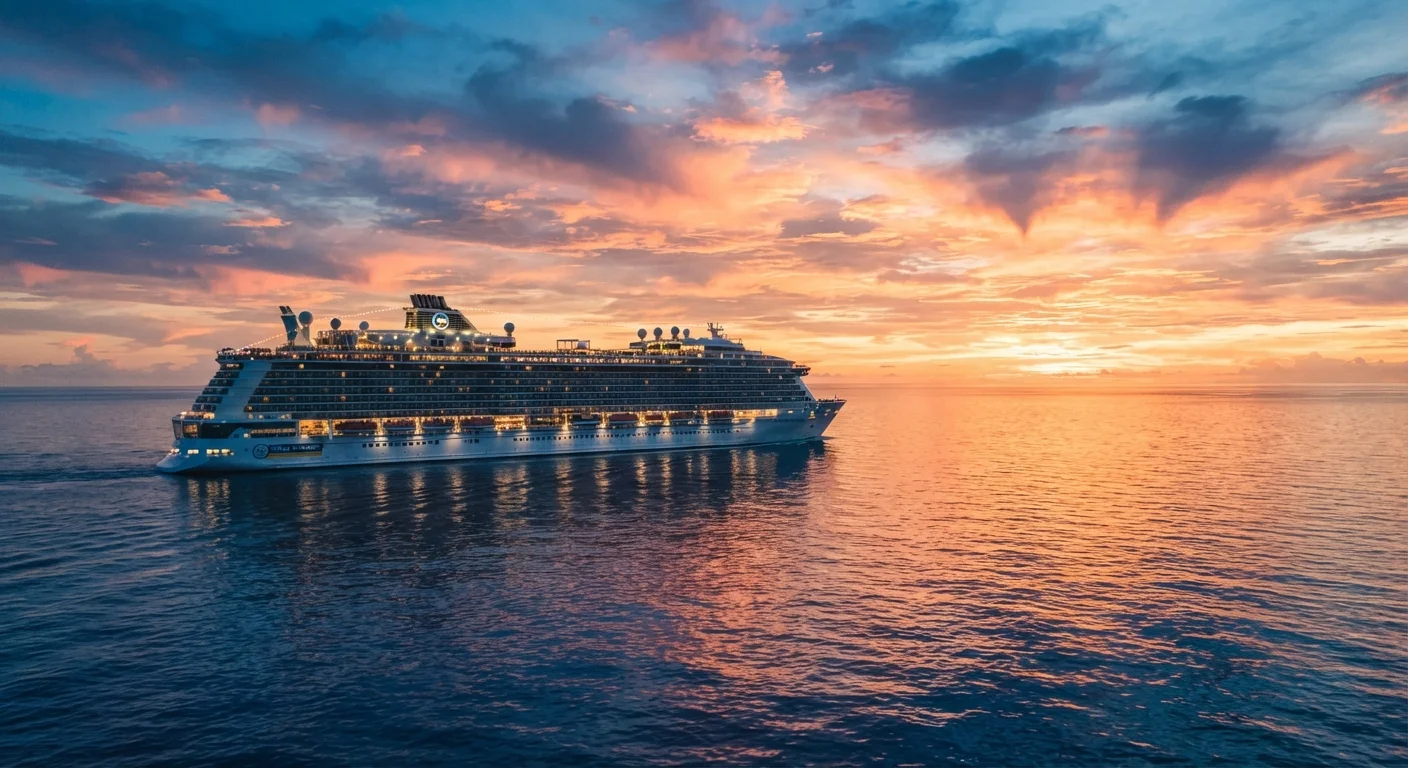
Stepping onto a large cruise ship for the first time is unlike arriving at any other travel destination. The terminal check-in process, the security queues, the surge of thousands of other passengers - all of it happens before you've even seen your cabin. Once aboard, you're handed a key card, pointed vaguely toward an elevator bank, and expected to find your way through a floating structure that may span 18 or more decks and stretch over 1,000 feet end to end.
Disorientation is not a sign that cruising isn't for you. It's a predictable response to a genuinely complex environment. The good news: nearly every experienced cruiser felt exactly the same on their first embarkation day, and the ship felt perfectly manageable by day two. Understanding the specific mistakes that amplify that early confusion - and how to sidestep them - is the fastest route to finding your footing.
For a step-by-step picture of what embarkation day actually looks like from terminal arrival to setting sail, see our embarkation day walkthrough.
The Most Common First-Day Mistakes - and How to Avoid Them
The mistakes below account for the vast majority of first-day stress reports from new cruisers. None of them require expert knowledge to fix - just a small amount of preparation before you board.
Ignoring the deck plan before boarding.
Why it happens: Most first-timers assume they'll just figure out the ship layout on arrival, the way they would a hotel. A cruise ship is orders of magnitude larger and more complex than any hotel.
Trying to explore everything on the first afternoon.
Why it happens: Excitement and the fear of missing out push new cruisers to rush through every deck, pool, and restaurant within hours of boarding. The result is exhaustion, sensory overload, and a vague feeling that something went wrong.
Not downloading the ship's app before sailing.
Why it happens: Cellular data stops working reliably once the ship leaves port, and purchasing onboard Wi-Fi on embarkation day adds a rushed decision to an already hectic afternoon.
Missing the daily schedule entirely.
Why it happens: New cruisers don't realize that the ship publishes a detailed activity and dining schedule - sometimes called the 'Daily Planner' or 'Cruise Compass' - for each day. Without it, they wander and miss events they would have enjoyed.
Assuming all food is always included at any venue.
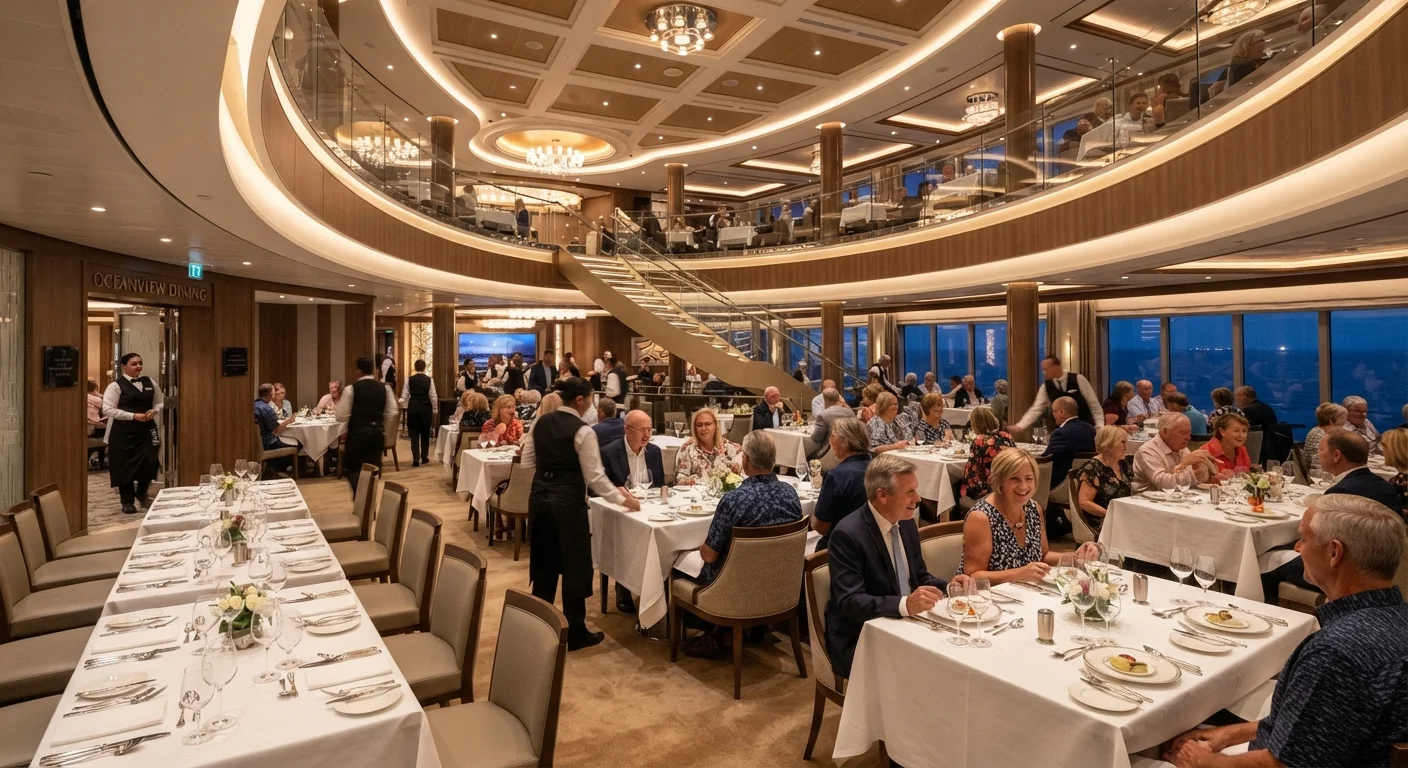
Why it happens: The 'all-inclusive' framing of cruise marketing leads many first-timers to believe every restaurant on the ship is covered by their fare. Specialty dining venues - steakhouses, sushi bars, chef's table experiences - typically carry a separate cover charge or per-item pricing.
Getting these basics right puts you ahead of most first-time cruisers. For a comprehensive look at every stage of a cruise - from booking through disembarkation - our complete first cruise walkthrough covers the full journey in detail.
Your Cabin Key Card Does More Than Open Doors
On most ships, your cabin key card is also your onboard charge account, your identification for getting on and off the ship at ports, and sometimes your drink package credential. Losing it creates cascading problems. Keep it on your person at all times and report it missing to guest services immediately if it disappears.
Setting Realistic Expectations for the First 24 Hours
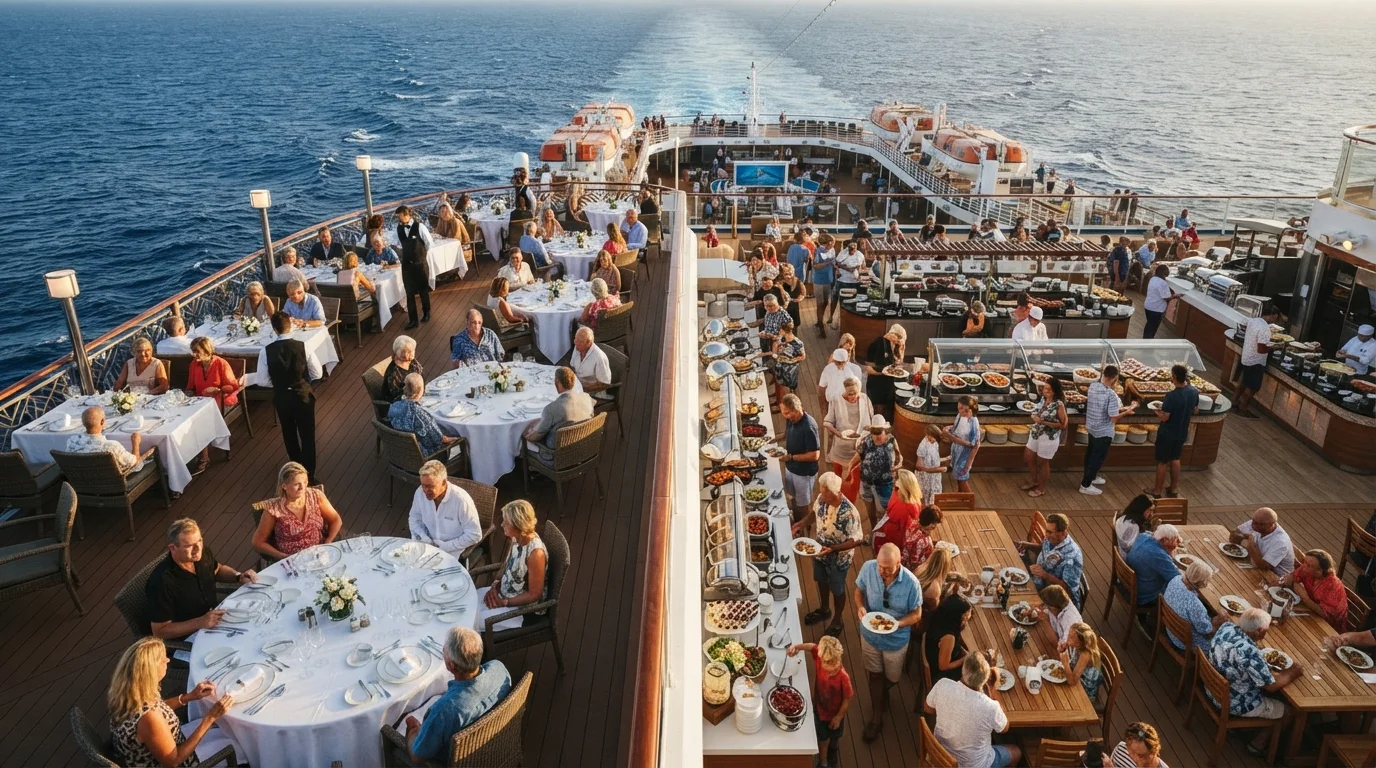
Even well-prepared first-time cruisers should expect some friction on day one. Cabins are occasionally not ready when you board (typically they open by early-to-mid afternoon). The buffet will be crowded during the embarkation rush. Elevators fill quickly. These are normal, temporary conditions that resolve once the ship settles into its sea routine.
Don't Skip the Muster Drill
Maritime law requires all passengers to complete a safety briefing - called a muster drill - before or shortly after the ship departs. Whether it's conducted in person at a lifeboat station or via a digital check-in process on the ship's app, completion is mandatory. Skipping it can result in crew tracking you down or, in rare cases, being denied departure. Check your ship's specific procedure before embarkation day.
The single most useful mindset on embarkation day: you are not supposed to have everything figured out yet. Give yourself the afternoon to orient, not to optimize. If you feel overwhelmed, the guest services desk - usually located on a central deck and clearly marked - is staffed around the clock to answer questions without judgment.
18+
Decks on a large modern cruise ship
Many contemporary cruise ships operate across 18 to 20 passenger decks, with hundreds of cabins and dozens of venues on each.
~6,000
Passengers on the largest ships
The world's largest cruise ships are designed to carry roughly 5,000-6,000 passengers at double occupancy, making them comparable in population to a small town.
If you want to understand the common missteps that happen even before you board, our article on what first-time cruisers get wrong about embarkation day is worth reading before your trip.