Navigation: Plotting the Course While You Rest
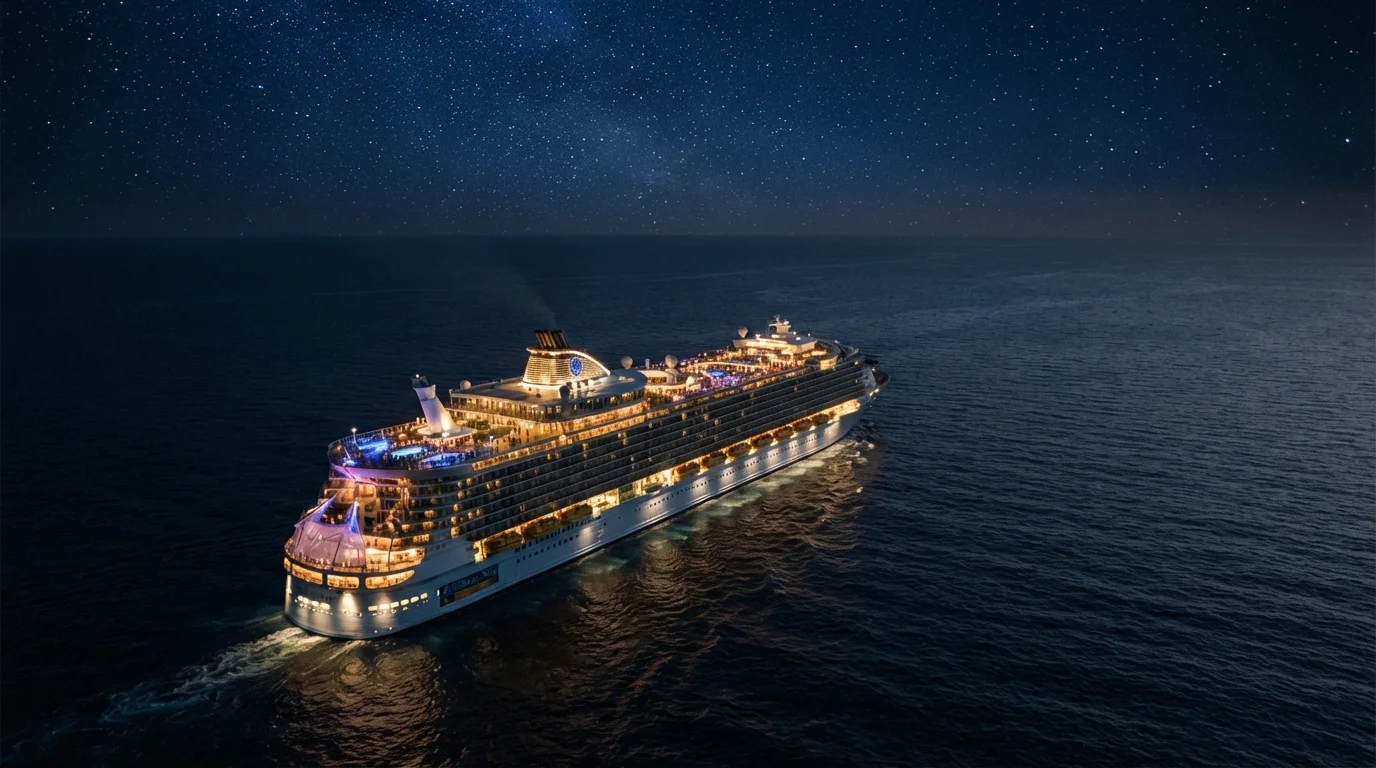
The moment the last evening show wraps up and passengers head to their cabins, the bridge crew shifts into one of the most focused periods of the sailing day. Officers plot the route to the next port, monitor weather systems, adjust speed to arrive on schedule, and watch radar for other vessels. International maritime law - specifically the STCW Convention - requires a qualified officer on watch at all times, meaning the ship is never left to navigate itself.
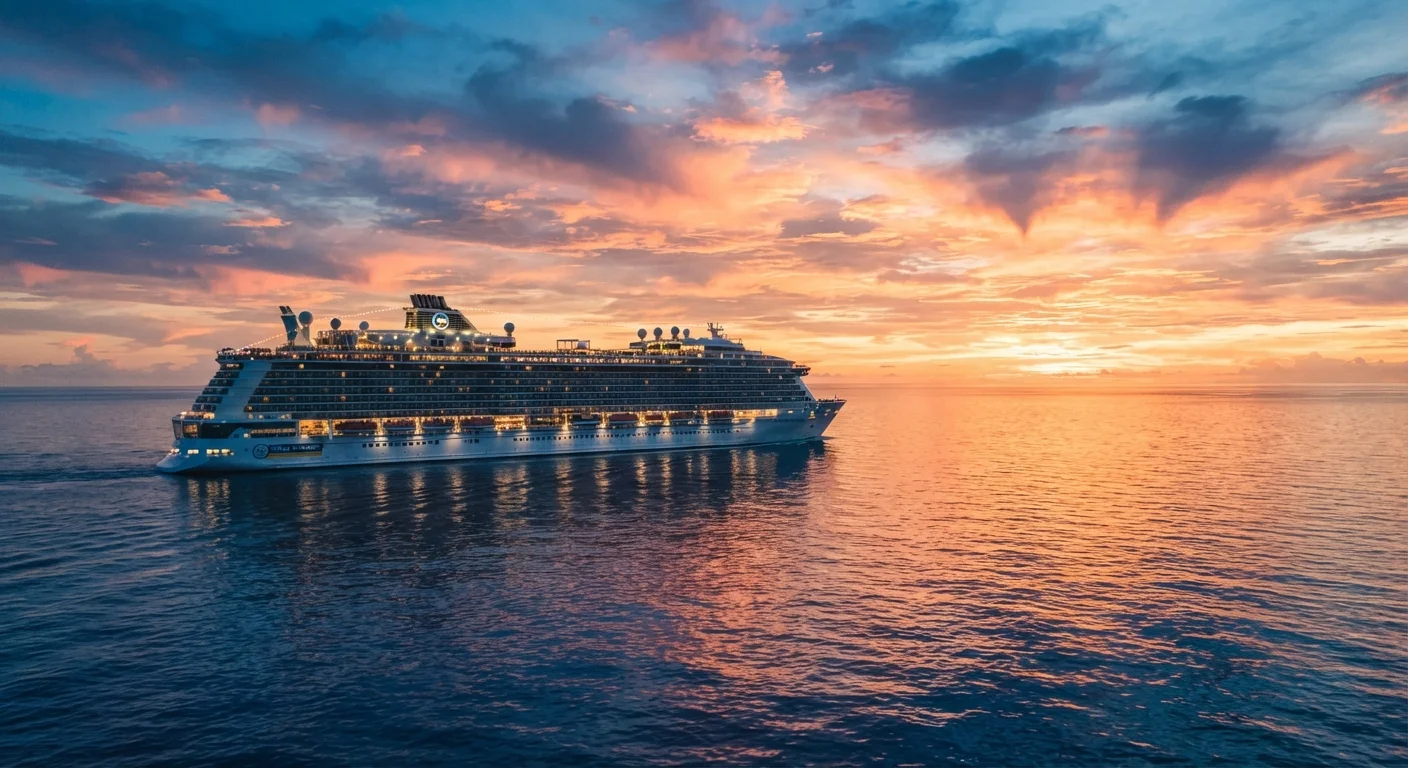
Most itineraries are deliberately structured so the ship travels overnight. You board in Miami, fall asleep at sea, and wake up docked in Nassau. That quiet efficiency is by design. Speed is carefully managed: arriving too early means anchoring offshore and waiting, while arriving late disrupts port scheduling for hundreds of passengers. The navigation team's overnight work is what makes your morning excursion possible.
Understanding a full day aboard a cruise ship helps put this overnight rhythm into context - navigation is just one continuous thread in a 24-hour operation.
Engine Rooms, Engineering, and the Ship's Vital Systems
Below the passenger decks, engineering crews work rotating shifts to monitor propulsion, power generation, water systems, and fuel consumption. A vessel the size of a modern cruise ship can carry thousands of people and still maintain stable cabin temperatures, hot showers, and working elevators - none of which happens automatically.
Engineers track data from dozens of systems simultaneously. If a generator shows an irregular reading at 2 a.m., the overnight engineering watch responds immediately. Preventive checks on mechanical systems are often scheduled for overnight hours precisely because passenger demand on power is lower - fewer elevators running, fewer air conditioning zones at full load.
24/7
Bridge watch requirement under international law
The STCW (Standards of Training, Certification and Watchkeeping) Convention mandates continuous qualified watch-keeping on all commercial vessels at sea.
~3,000
Crew members on a large modern cruise ship
Large contemporary cruise ships employ crews of roughly 1,000 to 3,000 people working rotating shifts to keep operations running continuously.
4-6 hrs
Typical overnight sailing window between ports
Most Caribbean and Mediterranean itineraries schedule 4-8 hours of overnight sailing, timed so ships arrive at the next port between 7 and 9 a.m.
Water management is another overnight priority. Desalination plants that convert seawater to drinking water often run at higher capacity overnight. Wastewater systems are monitored to ensure compliance with international environmental regulations governing discharge at sea.
Crew Routines: Cleaning, Restocking, and Getting Ready for Tomorrow
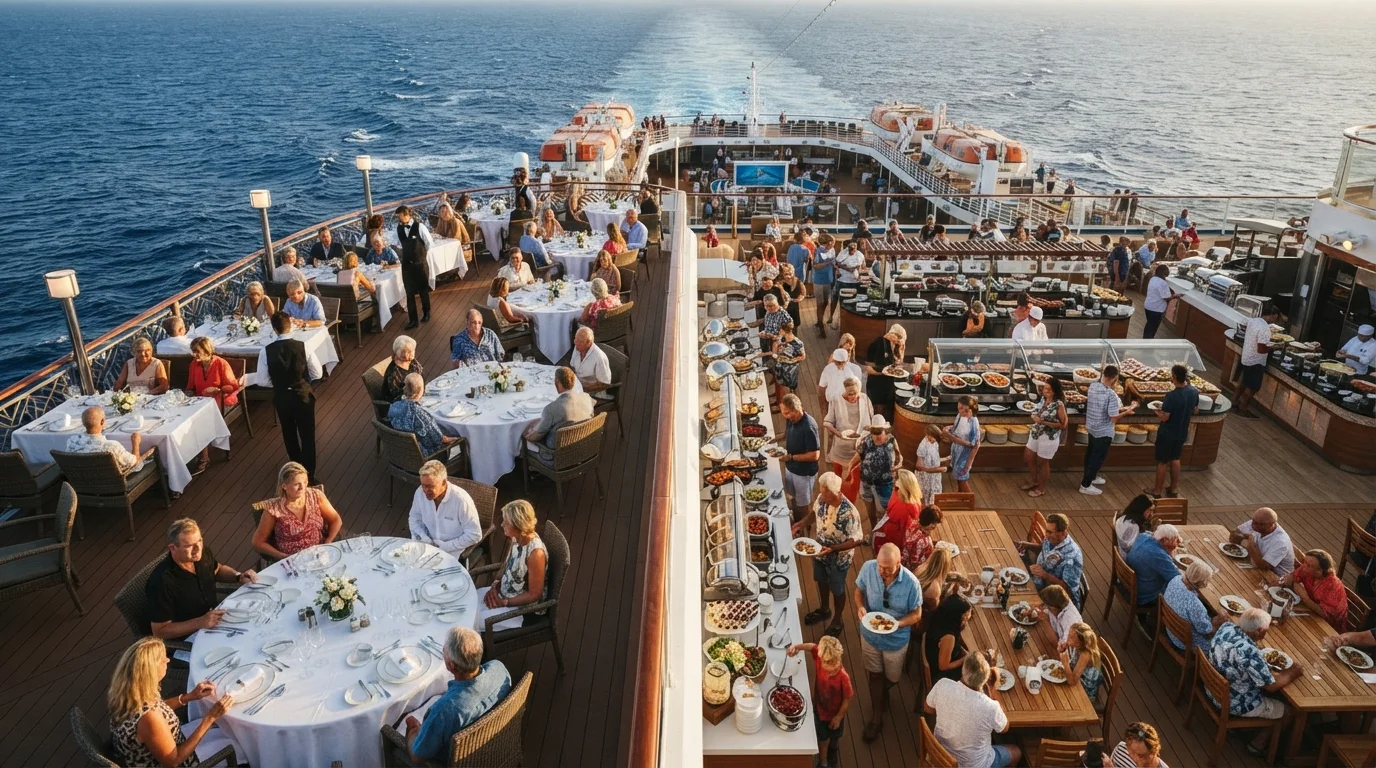
Housekeeping and food service crews treat the overnight hours as their primary reset window. Buffet areas that served thousands of passengers throughout the day are deep-cleaned, sanitized, and restocked. Galleys - the ship's industrial kitchens - begin prep work for the next morning's breakfast service well before dawn. Bakeries on many ships operate through the night so fresh bread and pastries are ready when the first passengers arrive.
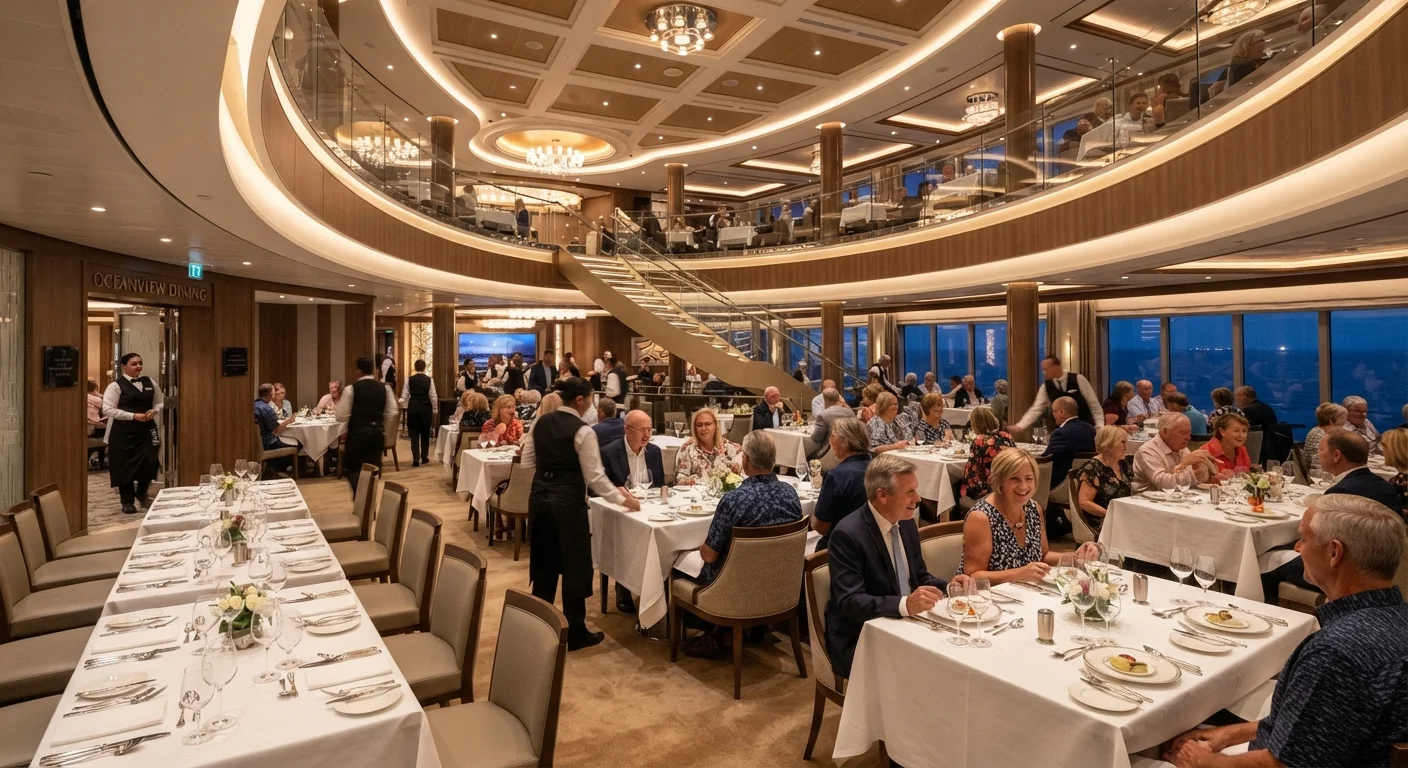
Cabin stewards tidy public spaces, replace supplies in common areas, and handle any late requests. Laundry facilities process linens and crew uniforms continuously. The medical center remains staffed for emergencies. Even the dining operations you experience each day depend on planning and restocking that happens largely out of sight, overnight.
Pack Earplugs for Arrival Mornings
If your cabin is on a lower deck near the bow or stern, you may hear anchor chains or docking equipment in the early morning hours. A pair of foam earplugs in your toiletry bag is a simple fix that many experienced cruisers swear by.
Security personnel also patrol the ship overnight, monitoring passenger areas, checking restricted zones, and coordinating with port authorities as the ship approaches its next destination.
What Passengers Can Expect After Midnight
For most passengers, overnight operations are invisible by design. The ship moves quietly, ventilation systems hum at low levels, and service activity is kept away from cabin corridors. Some passengers - especially light sleepers - may notice the change in engine tone as the ship adjusts speed for arrival, or the subtle vibration of anchoring if the itinerary calls for a tender port.
Night owls aren't entirely without options. Many ships keep a portion of the buffet open around the clock, and room service typically runs 24 hours. Some bars and lounges stay open late for passengers who want to watch the ocean at night. Late-night entertainment options vary by ship - some vessels run a casino or a quiet lounge set through the early morning hours.
One practical note: if your ship is arriving at a tender port - where a small boat ferries passengers to shore - announcements may begin earlier than expected. Checking your daily program the night before helps you know what morning looks like before you go to sleep.