What 'Visa on Arrival' Actually Means
The phrase "visa on arrival" creates a misleading impression of simplicity. Many first-time international travelers assume it means they can simply show up at a foreign airport and walk through without advance preparation. That assumption is one of the more expensive mistakes a traveler can make.
A visa on arrival is a real visa — it just happens to be issued at the border rather than at an embassy before you leave home. You still have to qualify for it, pay for it, present the right documents, and pass the judgment of an immigration officer. The difference is logistical, not substantive.
Eligibility is determined by your passport's issuing country, not by where you're flying from. A U.S. passport holder and a traveler from another country flying on the same flight to the same destination may face entirely different entry requirements. This is why checking your own nationality's status — not a friend's or a travel blog's general advice — is essential. The factors easy to overlook before choosing a destination include visa rules that directly affect whether you can legally enter your chosen country at all.
VOA vs. eTA: A Common Point of Confusion
An electronic travel authorization (eTA) — used by countries including Canada and Australia — requires travelers to apply and receive approval online before departure. It is not issued at the border. Confusing an eTA requirement with a VOA arrangement can result in being denied boarding at your origin airport, not just at the destination. Always identify which specific system applies to your destination and nationality.
The Conditions Most Travelers Miss
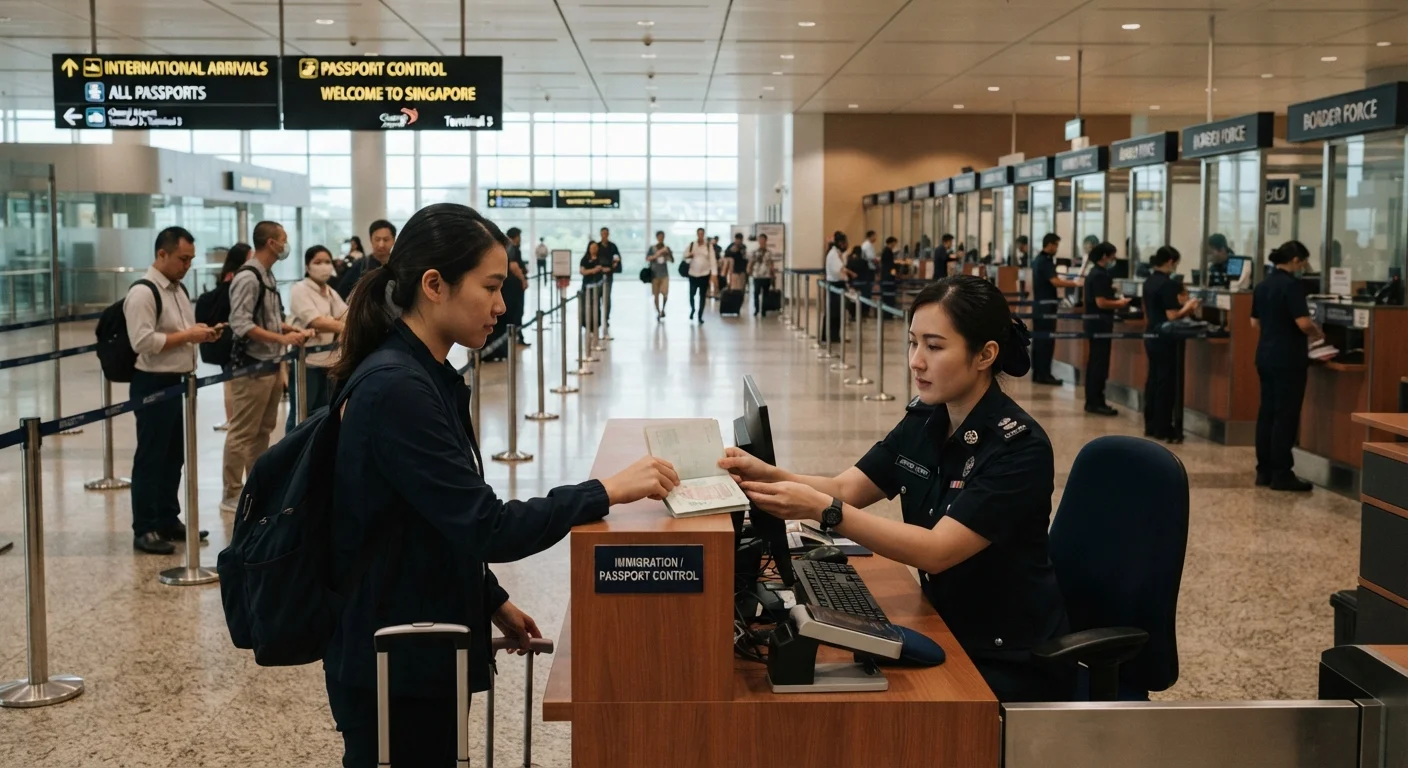
Even travelers who know they qualify for a VOA often arrive underprepared. Border counters are not forgiving environments — officers process hundreds of travelers per shift, and incomplete documentation results in delays or denial, not a second chance to dig through your bag.
The most commonly overlooked requirements include:
- Passport validity: Many countries require your passport to be valid for at least six months beyond your intended departure date. A passport expiring in three months may be perfectly valid at home but unusable at a VOA counter.
- Onward travel proof: Officers routinely ask for a confirmed return or onward ticket. An open-ended trip or a one-way booking raises red flags at many borders.
- Cash in the correct currency: VOA fees are often payable only in U.S. dollars or the local currency, in exact or near-exact amounts. Card payments are frequently not accepted.
- Passport photos: Several countries still require physical passport-sized photos at the counter. Running out of photos when you need them is a stressful, avoidable problem.
- Accommodation details: A confirmed hotel booking or a host's address is standard. Vague answers about where you're staying can prompt extended questioning.
Being slowed down at the airport is frustrating on a domestic flight. At an international VOA counter, the consequences are far more serious.
Prepare a VOA Document Packet Before You Fly
Assemble a dedicated folder — physical or digital — containing your return ticket confirmation, hotel booking, two passport-sized photos, the exact VOA fee in the required currency, and a completed arrival form if available for download in advance. Having everything organized at the counter reduces processing time and projects the preparedness officers are looking for. Review the key travel planning terms so you understand exactly what each document requirement means.
When Visa on Arrival Goes Wrong
VOA denial is real, and it happens to travelers who believed they were fully eligible. The most frequent causes: a passport with insufficient remaining validity, inability to show proof of return travel, insufficient funds to cover the length of stay, or inconsistencies between the arrival form and verbal answers to officer questions.
Policy changes present a separate risk. Countries modify or suspend VOA programs — sometimes with limited advance notice. A destination that offered VOA access to your nationality six months ago may have changed its rules. Third-party travel sites often lag behind official updates by weeks or months.
Overstaying a VOA compounds the problem significantly. If your permitted stay is 30 days and you remain for 31, the penalties can include fines, detention at the airport on departure, or a multi-year entry ban. Some countries share immigration data, meaning an overstay in one destination can affect entry eligibility elsewhere.
~50+
Countries offering some form of visa on arrival
The number of countries offering VOA programs varies by source and changes as policies shift; travelers should verify current availability through official channels rather than relying on aggregate lists.
6 months
Minimum passport validity required at most VOA counters
This six-month rule beyond the intended departure date is one of the most commonly enforced — and most frequently overlooked — requirements at international border crossings worldwide.
For travelers planning international itineraries, understanding the difference between VOA, visa-free, and eTA arrangements is foundational. The entry requirement details first-time flyers overlook when booking include transit visa rules that interact directly with how VOA eligibility works at connecting airports.
Before any international trip, verify your entry requirements directly through the destination country's official immigration authority and your own government's travel advisory service. No travel article — including this one — substitutes for official confirmation.
Entry requirements, visa policies, and border procedures change frequently. Always verify current rules with official government sources and your country's foreign affairs or state department before traveling.