Why the Airport Trips Up First-Time Travelers
Airports are designed to move large numbers of people efficiently - but only if those people know the process. For first-time travelers, the gap between expectation and reality at the airport is where delays are born. The good news is that nearly every common holdup has a straightforward fix, and most require nothing more than a little preparation the night before departure.
Understanding what slows travelers down is the first step toward breezing through. The mistakes below are the ones that consistently cause stress, missed flights, and unexpected fees for people flying for the first time.
Arriving at the airport with too little time to spare.
Why it happens: First-timers often underestimate how long check-in, baggage drop, and security actually take, especially during busy travel periods.
Bringing a carry-on bag that doesn't meet the airline's size restrictions.
Why it happens: Bag size limits vary by airline and are often overlooked during packing. Many travelers assume any rolling suitcase qualifies as a carry-on.
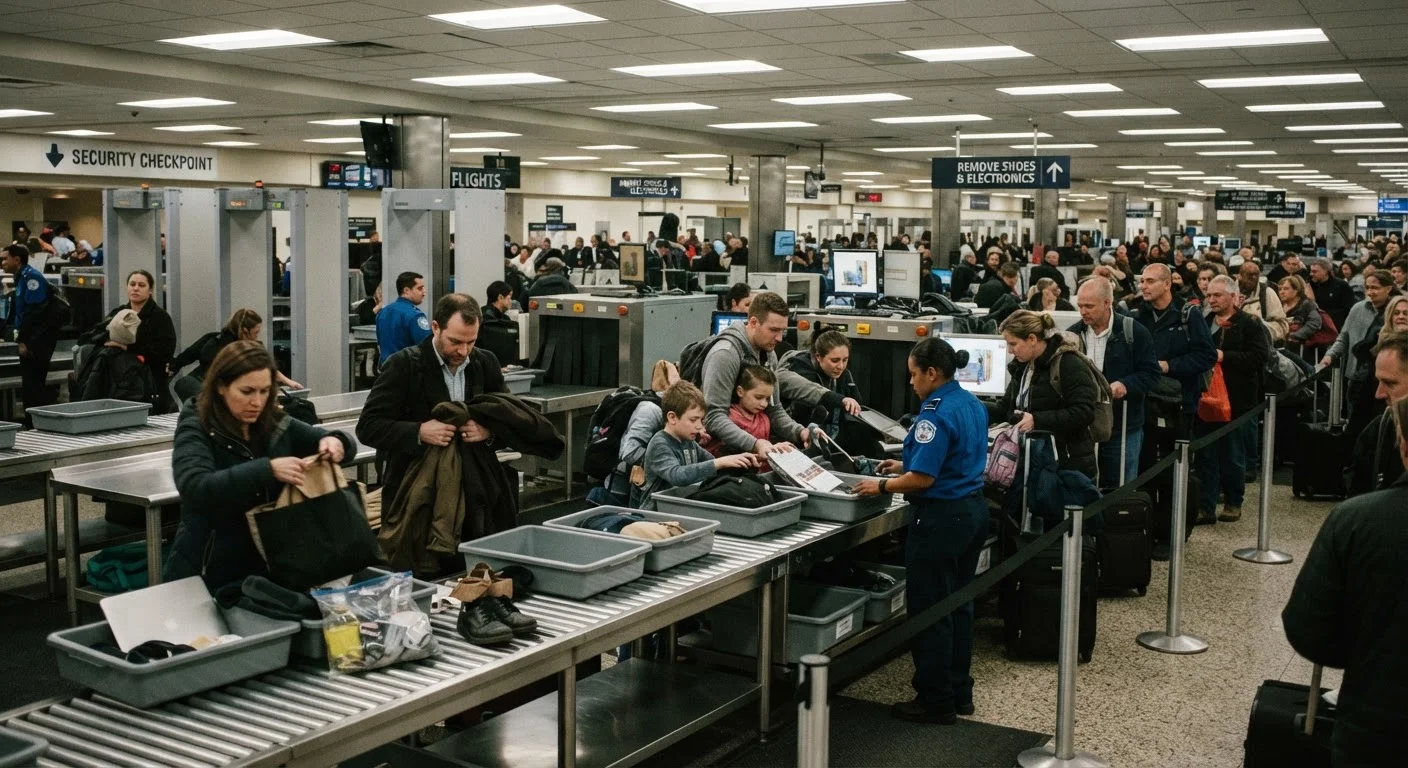
Not removing laptops and large electronics from bags before reaching the security bin.
Why it happens: Many first-timers don't know that laptops must be removed and screened separately unless they have TSA PreCheck. This rule catches people off guard mid-queue.
Packing prohibited or oversized liquids in a carry-on bag.
Why it happens: The TSA 3-1-1 liquids rule is well-known but routinely misapplied. Travelers often forget items like full-size shampoo, water bottles, or aerosol sunscreen.
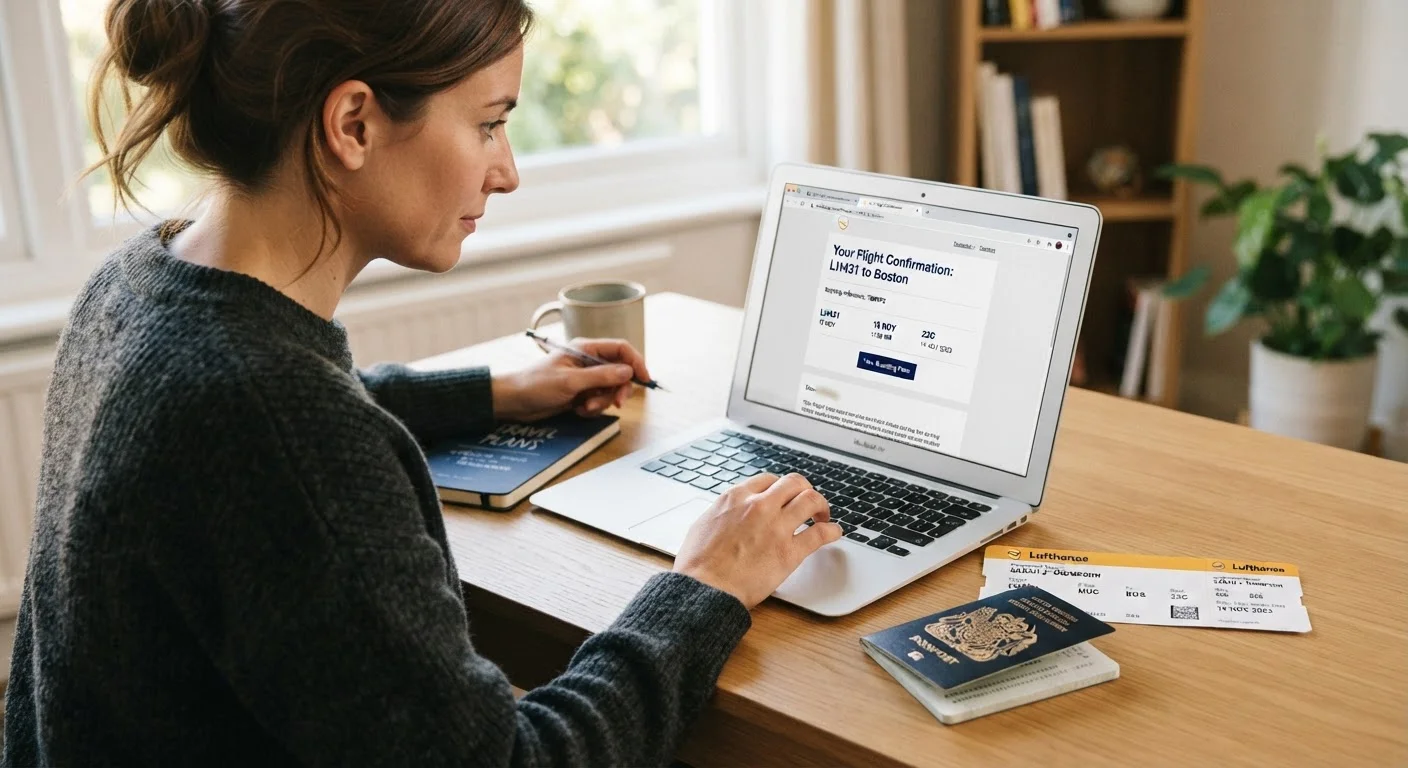
Skipping online check-in and arriving expecting a quick counter process.
Why it happens: Many first-time travelers don't realize check-in can be completed 24 hours in advance, or they feel uncertain about doing it without airline staff assistance.
Not knowing which terminal or gate to go to once inside the airport.
Why it happens: Large airports have multiple terminals that are not always connected internally, and first-timers may not think to look up gate information before arriving.
Setting Yourself Up for a Smooth Departure
The habits that make experienced travelers look calm at the airport aren't instincts - they're learned. Once you've run through the process once, most of it becomes automatic. Until then, a checklist approach works well.
~30 min
Average TSA security wait time at major US airports
TSA's own wait time data shows peak-hour queues at large hubs can extend well beyond this average, particularly on Friday afternoons and holiday travel days.
2-3 hrs
Recommended arrival window before domestic departure
Most US airlines and airports advise arriving at least two hours before a domestic flight and three hours before an international one to allow time for check-in, baggage drop, and security.
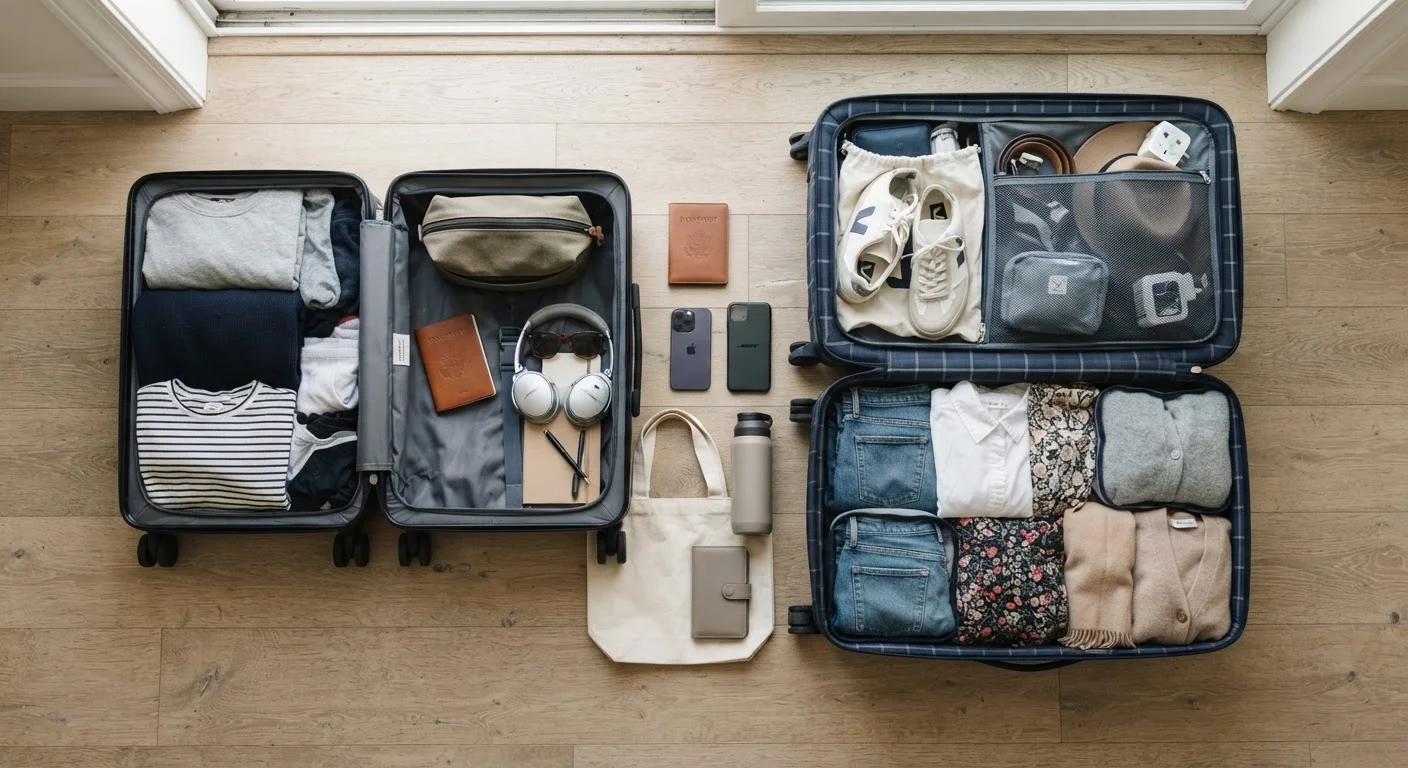
The night before your flight, lay out your ID, boarding pass (printed or on your phone), and any travel documents. Measure your carry-on if you're unsure about size, and audit your liquids bag against TSA's 3-1-1 rule. These ten minutes of preparation prevent the most common checkpoint delays.
ID and Documents Must Match Your Ticket Exactly
The name on your boarding pass must match the name on your government-issued ID precisely. Even minor discrepancies - a middle name included on one but not the other - can require additional screening or cause boarding to be denied. Double-check your ticket name against your ID before you leave home, not at the airport.
For international trips, the preparation bar is higher. Passport validity windows, transit requirements, and additional documentation are easy to overlook when booking - see our guide on what first-time flyers overlook when booking international flights for a thorough breakdown.
Once you're through security and in the terminal, the hard part is done. That's the moment to find your gate, grab water, and settle in. For what comes next - once you board - first-time flyers often wish they'd known a few things before takeoff.
Liquids Over 3.4 oz Will Be Confiscated
TSA rules in the US require that all liquids, gels, and aerosols in carry-on bags be 3.4 oz (100 ml) or less per container and fit into a single quart-sized clear zip-top bag. Oversized containers are not allowed through the checkpoint regardless of how much liquid remains inside. Pack full-size toiletries in checked luggage or transfer them to travel-size containers before you arrive.