Why New Orleans Requires a Different Kind of Preparation
New Orleans is unlike any other American city, and that distinction is not marketing language. It operates on its own rhythms, observes its own traditions, and carries a cultural depth that first-time visitors frequently misread. Many arrive expecting a party district and leave having understood almost nothing about what makes the city significant.
That gap between expectation and reality is where expensive mistakes happen — wrong neighborhood, wrong season, wrong assumptions about how local life actually works. Before you book anything, it helps to read what to research about a destination before committing, then apply that framework specifically to New Orleans.
This guide focuses on cultural literacy: what the city is, what it values, and how first-timers can engage with it respectfully and confidently.
The Cultural Foundations First-Timers Often Miss
New Orleans was shaped by an unusual convergence of French and Spanish colonial rule, a large free Black population before the Civil War, Caribbean migration, and West African cultural traditions that survived enslavement. That history produced cuisine, music, architecture, and social rituals that exist nowhere else in the United States.
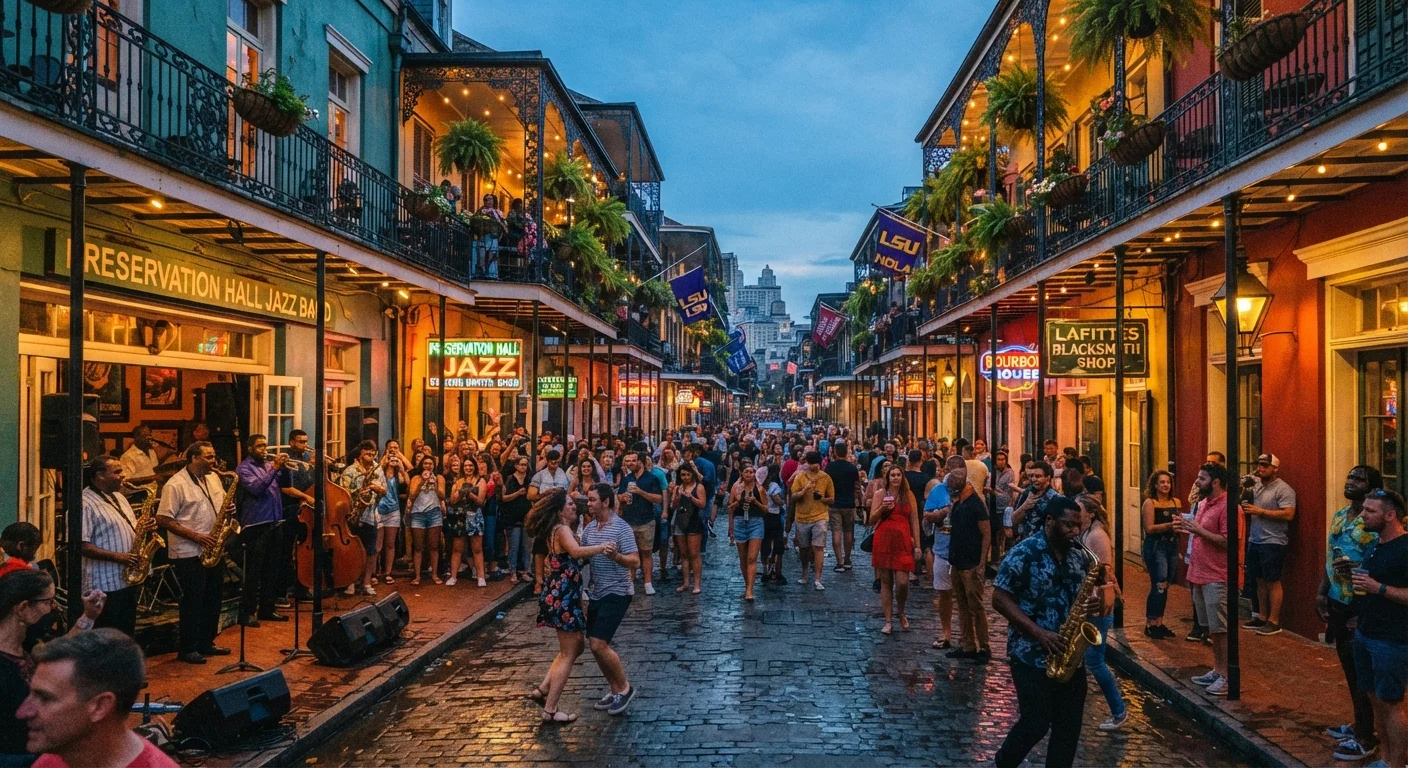
Jazz did not emerge from the French Quarter as a performance genre — it developed from second-line parades, brass bands, and community gatherings across multiple neighborhoods. The food traditions rooted in Creole and Cajun cooking are distinct from each other, and locals notice when visitors conflate them. Creole cuisine reflects the city's urban, multicultural history; Cajun cooking originates from rural Acadian communities in southwestern Louisiana.
“New Orleans is the only place I know of where you ask someone what they do and they tell you who they are.”
— Wynton Marsalis, Jazz musician and New Orleans native
Understanding these distinctions before you arrive changes how you experience the city. You begin to see the food, music, and architecture as connected expressions of the same history rather than as separate tourist attractions.
Best Practices for Visiting New Orleans Respectfully and Confidently
The following practices address the cultural missteps that most commonly affect first-time visitors — from neighborhood awareness to seasonal timing to social conduct during local events.
Learn the difference between Creole and Cajun before you order anything.
Conflating the two is one of the most common signs of a visitor who hasn't done basic research. Creole cooking is urban and multicultural, drawing on French, Spanish, African, and Caribbean techniques. Cajun cooking is rural and distinct. Understanding this helps you order intentionally and have more informed conversations with locals.
Do not treat second-line parades or jazz funerals as photo opportunities.
These are living community traditions — often tied to grief, celebration, and social identity — not staged performances for tourists. Inserting yourself into the front of the procession or filming intrusively is genuinely disrespectful and will be treated as such by participants.
Explore at least one neighborhood beyond the French Quarter.
The French Quarter is historically significant and visually striking, but it functions partly as a tourist corridor. Neighborhoods like Tremé, the Marigny, and Mid-City reflect a more complete picture of how New Orleans actually lives — architecturally, culinarily, and socially.
Check the city's event calendar before finalizing travel dates.
New Orleans hosts major cultural events year-round. Arriving during Mardi Gras or Jazz Fest without preparation — for crowd levels, accommodation costs, and logistical complexity — is a frequent source of first-timer frustration and unexpected expense.
Understand that the city's pace is intentional, not inefficient.
New Orleans moves at a pace that reflects its cultural values — hospitality, conversation, and presence over transaction. Visitors who arrive with a rigid itinerary and expect rapid service often find themselves frustrated by something that locals consider a feature, not a flaw.
Neighborhoods, Timing, and Practical Expectations
The French Quarter is the city's most-visited district, but limiting your visit to it means missing the neighborhoods — Tremé, the Marigny, Bywater, Mid-City — where much of New Orleans' living culture actually operates. Tremé in particular is considered one of the oldest African American urban communities in the country and has deep historical significance that a day in the Quarter will not convey.
Walk Before You Plan Your Itinerary
Many first-time visitors to New Orleans over-schedule their trip and under-explore on foot. The city's architecture, street life, and sound are best understood by walking without a fixed destination. Give yourself at least one unscheduled half-day to move through neighborhoods at whatever pace feels natural — you will likely discover more than any curated list would have directed you toward.
Timing matters considerably. Mardi Gras (the weeks leading up to Fat Tuesday, typically in February or early March) and Jazz Fest (late April into early May) draw enormous crowds and significantly affect accommodation availability and pricing. Hurricane season runs June through November, with the peak risk period in August and September. Visiting in the shoulder months — October through early December, or late February outside of Mardi Gras — often provides a more manageable introduction to the city.
Visitors planning a broader Gulf Coast or Southern itinerary sometimes combine New Orleans with a cruise departure from the Port of New Orleans. If that applies to you, reviewing what first-time cruisers should know before booking will help you plan the combined trip more effectively.
For comparison, other major US cities also reward pre-arrival research: New York City has its own set of first-timer misconceptions worth understanding before you go.