Why Fuel Policy Is the First Thing to Confirm
Fuel policy is one of those rental terms most first-timers skip over — and then regret. It quietly determines whether you pay $3.50 a gallon at a nearby pump or $8.00 a gallon charged directly by the rental company. Before you sign anything, knowing exactly which policy applies to your rental gives you real control over your final bill.
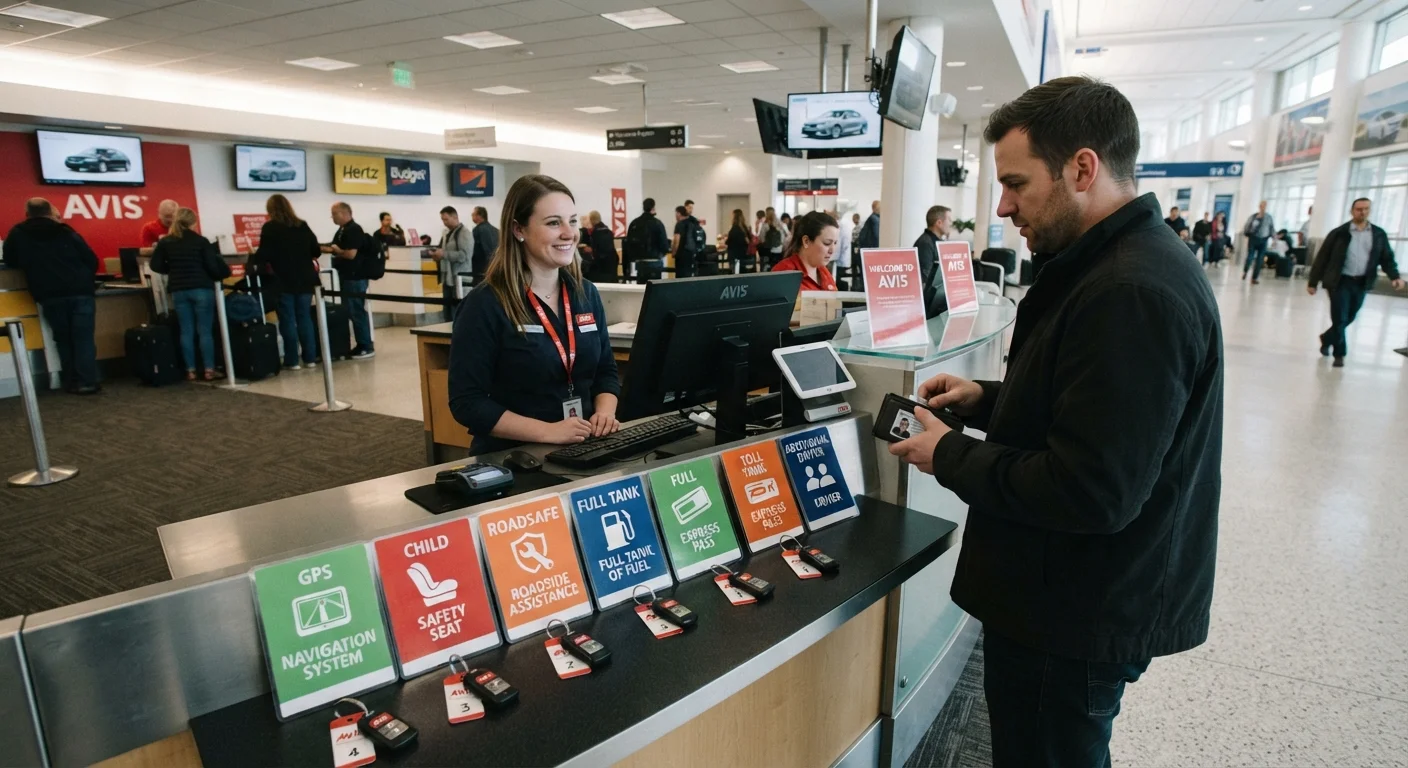
Fuel policies aren't standardized across the industry, so the same company may apply different rules depending on the location, vehicle tier, or rate type you've booked. The easiest way to confirm which policy applies to you is to check the rental agreement before you leave the counter — not after you return the car.
For a broader look at charges that compound after the advertised price, see our guide to hidden fees inside a car rental agreement.
| Most common policy type | Full-to-Full |
| Typical rental company per-gallon markup | 50%–150% above pump price (General industry range; varies by company and location) |
| Where fuel policy appears | Rental agreement / rate details at booking |
| Refund for unused fuel (pre-purchase) | None — unspent fuel is forfeited |
| Best practice before return | Fill tank within 2 miles of drop-off and save receipt |
The Four Main Fuel Policies Explained
Most rental companies use one of four approaches. Here's what each one actually means at the pump — and at checkout.
Full-to-Full
The company gives you the car with a full tank. You return it with a full tank. You buy your own fuel at market rates from any gas station. This is generally the most cost-effective policy for renters who plan to use most of the tank, because you pay only for the fuel you actually consume at standard pump prices.
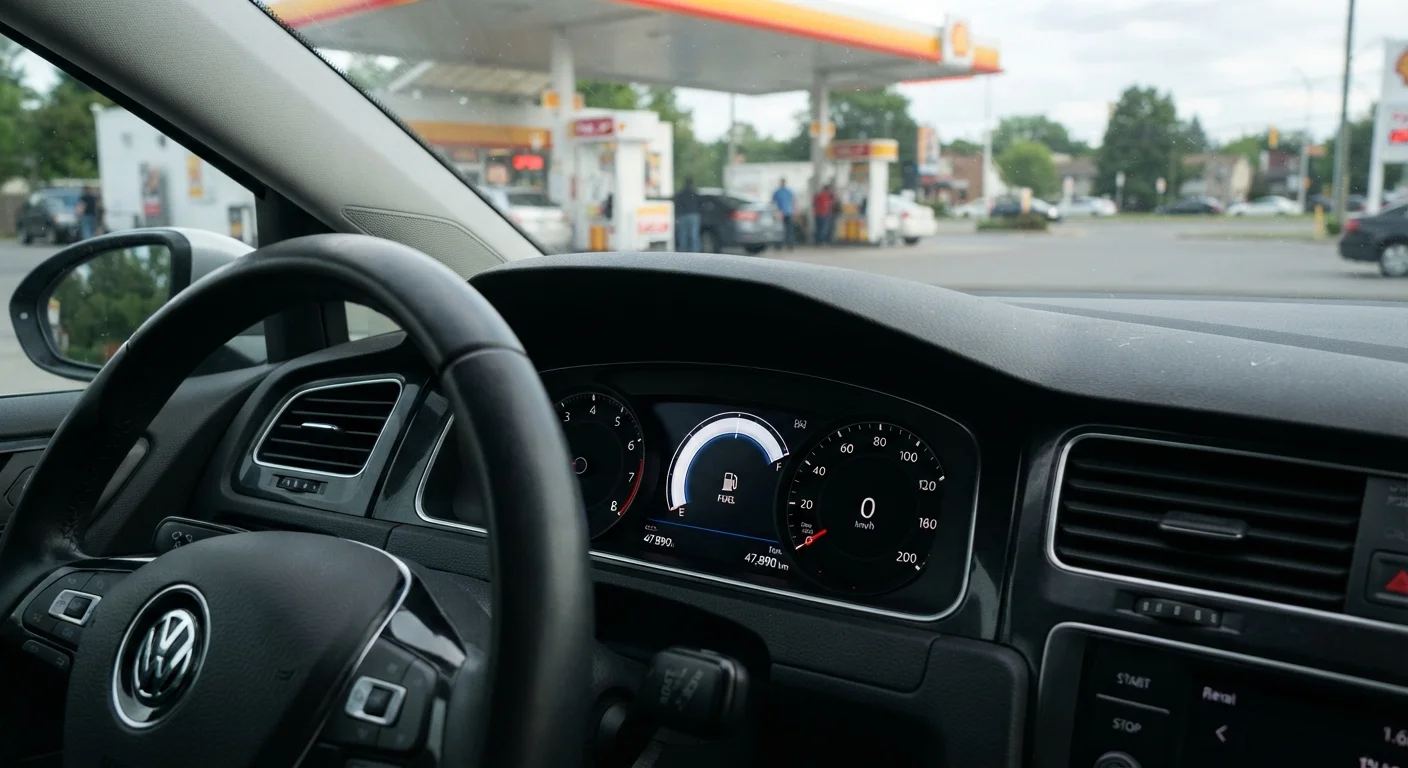
Watch out for: Returning the car slightly under full. Even a sliver below the full mark can trigger a small top-off fee charged at the company's per-gallon rate, which is consistently higher than pump prices.
Full-to-Empty (Pre-Purchase)
The company charges you upfront for a full tank at their per-gallon rate — often above pump prices — and you return the car with whatever fuel remains. Any unused fuel is not refunded. This policy benefits renters who expect to drive the car until it's nearly empty, but it almost always results in paying for fuel you didn't use if your plans change or the trip is shorter than expected.
Same-to-Same
You receive the car at whatever fuel level it currently holds — say, three-quarters — and return it at that same level. This sounds fair, but it requires you to return the car at a precise level that's difficult to judge at the pump. Even a small discrepancy can result in a top-off charge.
Pre-Paid Partial or Flat-Fee Fuel
Some locations offer a flat fuel fee that covers unlimited use regardless of how far you drive. This is rare and typically only worthwhile on very long road trips where you'd otherwise buy multiple full tanks.
Full-to-Full
A fuel policy where the rental car is provided with a full tank and must be returned full. The renter pays for fuel at standard pump prices.
Pre-Purchase (Full-to-Empty)
The renter pays upfront for a full tank at the company's per-gallon rate and may return the car empty. No refund is given for unused fuel.
Same-to-Same
The renter receives the car at a set fuel level and must return it at that same level. Returning below that level triggers a top-off charge at the company's rate.
Top-Off Fee
A charge applied when a renter returns the car with less fuel than required. Companies apply their own per-gallon rate, which is typically much higher than pump prices.
Per-Gallon Rate
The price per gallon charged by the rental company when they refuel the car on the renter's behalf. This rate is almost always higher than local pump prices.
Which Policy Typically Costs Less
For most travelers, full-to-full is the most predictable and cost-effective option — provided you fill up before returning the car. A few practical tips:
- Locate a gas station within two miles of the return location before your last day. Fuel prices spike near airports, so driving slightly farther is often worth it.
- Keep your fuel receipt. If there's a dispute about the tank level at return, a timestamped receipt from shortly before drop-off is strong evidence.
- Avoid pre-purchase unless you're certain you'll burn nearly the entire tank. Paying for fuel you won't use is a straightforward loss.
Understanding fuel policy fits into the larger picture of why rental quotes rarely reflect what you end up paying. Our article on why your quoted rental price rarely matches what you pay breaks down the full gap between the advertised rate and your checkout total.
The same logic that applies to rental fees applies across all travel spending — hidden charges have a way of compounding. Our piece on hidden costs that inflate a cheap flight's real price walks through the same dynamic for airfare. For a full overview of the rental process, including insurance and add-ons, see Car Rentals Explained.
Fuel Policy Can Vary Within the Same Company
The fuel policy attached to your specific rate code may differ from the company's general default. Always confirm the policy listed in your individual rental agreement at the counter — not just on the company's general website. If you booked through a third-party site, the policy may be shown in the rate details section before checkout.