What Nobody Warns You About Until You're Already in the Air
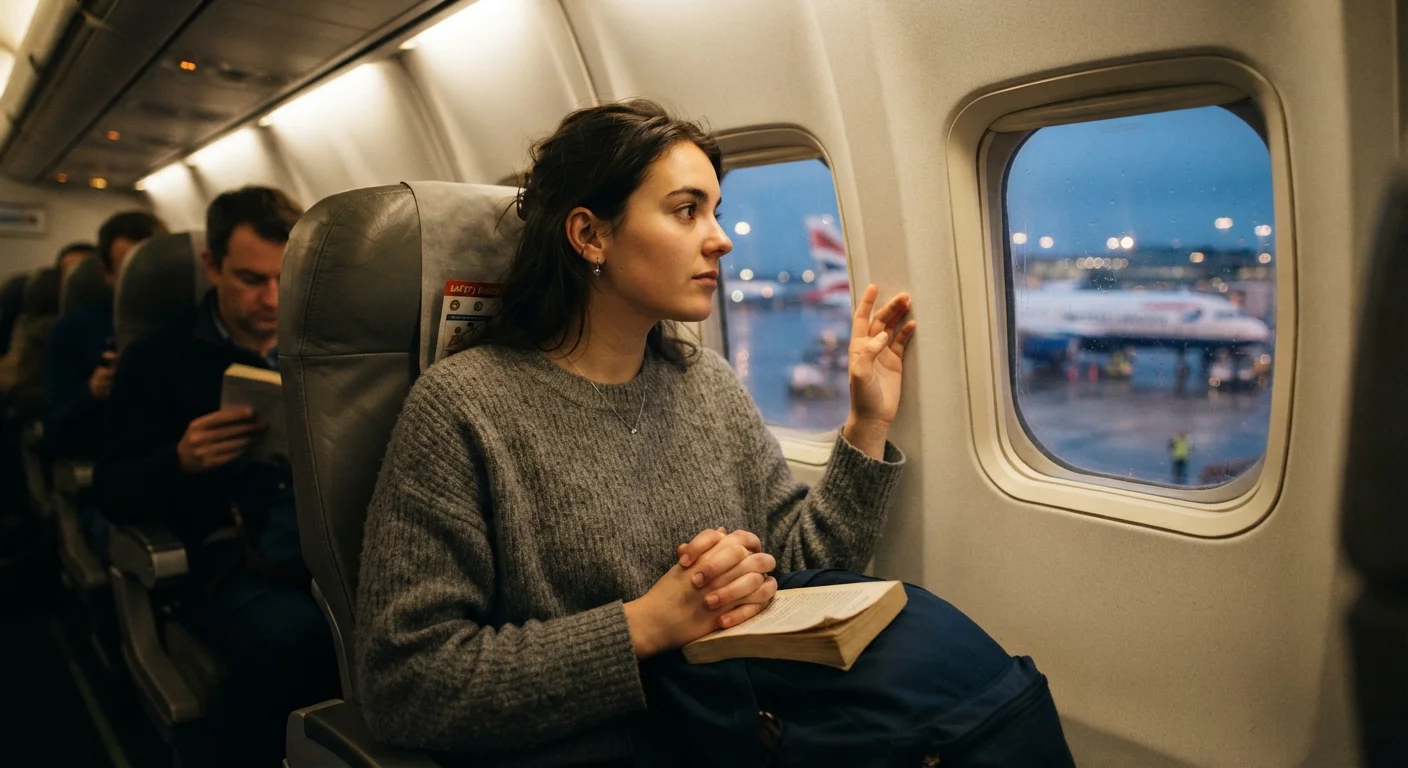
The excitement of a first flight can quickly give way to mild bewilderment once the cabin door closes. Not because anything goes wrong - but because the experience is simply different from what most people picture. The seat feels smaller. The noise is louder. The wait on the runway is longer. None of it is alarming, but all of it catches first-timers off guard.
This list focuses on what happens once you're onboard - the small habits, overlooked preparations, and quiet surprises that experienced travelers have learned the hard way. If you haven't booked yet, our complete guide to booking your first flight is a good place to start. For a calm walkthrough of everything from boarding to touchdown, see Your First Flight, From Boarding to Landing.
The cabin is louder than you expect - and earplugs are a game-changer
Jet engines produce a sustained roar that sits around 75-85 decibels inside the cabin during cruise - roughly comparable to a busy city street, but relentless. Most first-timers don't account for this until they're already exhausted from straining to hear their movie or simply tensing against the background noise.
Foam earplugs cost very little and pack flat. Noise-canceling headphones are even more effective if you already own a pair. Either option dramatically reduces fatigue, especially on flights longer than two hours. Bring both if you can - earplugs for sleeping, headphones for entertainment.
Sustained engine noise is one of the most underestimated sources of in-flight fatigue.
Cabin air is very dry - hydration isn't optional
Aircraft cabins are typically pressurized to an equivalent altitude of around 6,000-8,000 feet, and humidity levels can fall below 20% - significantly drier than most indoor environments. The result is that you lose moisture faster than usual without noticing, which can leave you with a dry throat, mild headache, and general grogginess by the time you land.
The fix is straightforward: drink water consistently throughout the flight rather than waiting until you feel thirsty. A small refillable bottle you can ask a flight attendant to top up works well. Minimize alcohol and excess caffeine, both of which accelerate dehydration.
Cabin humidity can fall below 20% - you're losing moisture faster than you realize.
Turbulence will likely happen - and it's almost always routine
Turbulence is one of the most anxiety-inducing parts of flying for first-timers, largely because it's unexpected and poorly understood. In reality, turbulence is air moving in irregular patterns - the atmospheric equivalent of bumps on a road. Pilots receive updates about turbulent areas and adjust altitude when practical, but some degree of bumpiness is a normal part of almost every flight.
Modern commercial aircraft are engineered to handle turbulence well beyond anything passengers are likely to experience. The most useful thing you can do is keep your seatbelt fastened loosely at all times - not because disaster is imminent, but because sudden moderate turbulence can occasionally catch passengers who are standing. For a more detailed explanation, see Turbulence Is Normal - Here's What's Really Happening.
Keep your seatbelt loosely fastened even when the seatbelt sign is off - it's the simplest precaution.
There's a long wait between the door closing and actually lifting off
First-timers often assume that once the boarding door closes, the plane takes off within minutes. In practice, there's a structured sequence: doors close, the jetway retracts, the aircraft is pushed back from the gate by a tug vehicle, then it taxis - sometimes for 15-30 minutes on a busy airport day - before joining a runway queue. Electronics must stay in airplane mode, and bags must be stowed throughout.
Knowing this in advance prevents the low-level anxiety of wondering if something is wrong. Everything That Happens Between the Cabin Door Closing and Takeoff walks through each stage so nothing feels surprising.
Taxiing can take 15-30 minutes - it's planned time, not a problem.
Layers matter more than you think
Cabin temperature varies noticeably during a flight and tends to feel cooler than most people expect, particularly during cruise altitude. Airlines provide blankets on many longer flights, but availability isn't guaranteed on shorter domestic routes. A light layer - a cardigan, a soft jacket, even a large scarf - takes up minimal bag space and makes a real difference to how comfortable you feel during the flight.
Equally, your feet tend to swell slightly on longer flights due to reduced circulation. Wearing comfortable, slip-on shoes and moving your ankles periodically helps. If you're flying overnight or for more than four hours, some passengers find compression socks useful - though anyone with circulation concerns should consult a healthcare provider for personal guidance.
A light layer and slip-on shoes cost nothing extra but prevent two of the most common comfort complaints.
Flight attendants are a resource - use them appropriately
Many first-time flyers are uncertain about when it's acceptable to press the call button or ask for assistance. The short answer: flight attendants are there primarily for safety, but also to help with reasonable requests - a cup of water, a spare blanket, help stowing a bag, or directions to the lavatory.
What they're not equipped to help with: motion sickness medication they didn't dispense, medical emergencies beyond first aid, or flight-path decisions. Bringing your own motion sickness remedy if you're prone to nausea is worthwhile - check with a pharmacist about what's appropriate for you. Being polite and brief in requests is appreciated; most cabins have a busy crew-to-passenger ratio.
Flight attendants are safety professionals first - understanding their role makes interactions easier.
Entertainment and snacks aren't always provided - come prepared
Not every flight offers complimentary in-flight entertainment or meal service. Short domestic flights commonly provide only a small snack (or nothing at all), and some carriers charge for entertainment access or headphones. First-timers who board assuming a screen and meal are coming can find a two-hour flight unexpectedly long.
Download content to your phone or tablet before you leave for the airport - streaming services don't work reliably in the air on most flights, and in-flight Wi-Fi, when available, is often slow or costly. A simple snack in your carry-on removes the need to rely on onboard options, which also tend to be limited and expensive.
Download entertainment and pack a snack before you board - don't count on in-flight options.
Make the Most of the Experience
Your first flight is a milestone worth approaching with some intention. The passengers around you may look unfazed, but most of them felt exactly the way you do now at some point. Small preparations - a refillable water bottle, a downloaded playlist, a light layer in your bag - remove the friction that turns minor discomforts into memorable frustrations.
Prepare your carry-on like a comfort kit
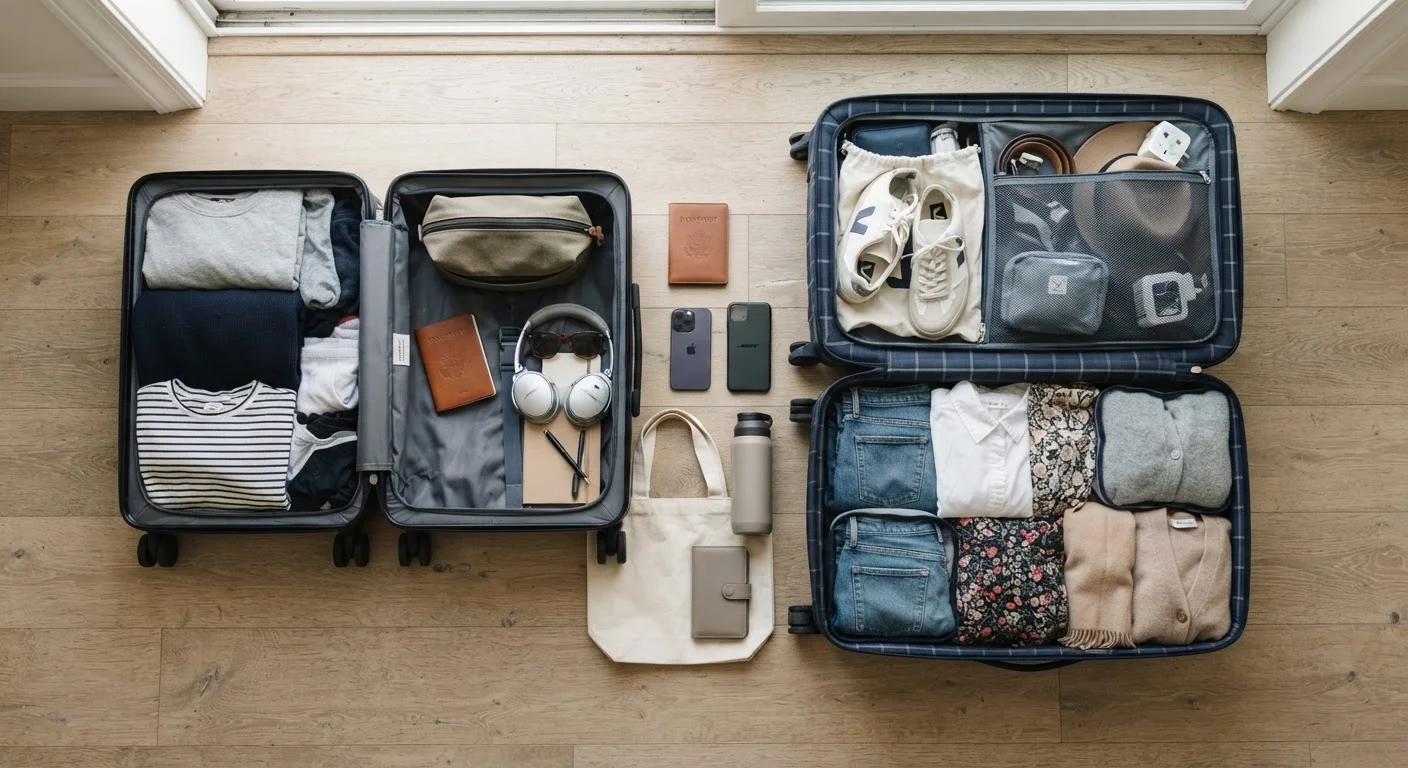
Before boarding, make sure your personal item (under the seat in front) contains your essentials: water, a snack, headphones, a light layer, and any medication you might need. Once you're airborne and the seatbelt sign is on, reaching the overhead bin isn't always possible. Keeping the things you'll actually use within arm's reach removes a lot of mid-flight friction.
For a deeper look at the habits that affect how you feel after landing, Small Onboard Habits That Quietly Ruin Your Landing Day is worth reading before you go. And if pre-flight nerves are your main concern, Flying Myths That Make First-Timers More Nervous Than They Need to Be addresses many of the beliefs that make flying feel scarier than it is.