Why Airport Waiting Time Deserves a Plan
Most first-time travelers treat airport waiting time as dead time - something to endure between arriving and boarding. In reality, those 45 minutes to four hours before departure are some of the most useful time in your entire trip. How you spend them shapes how you feel when you land.
If you've already read our guide on why arriving early matters, you know that showing up with time to spare isn't about being anxious - it's about giving yourself room to move through the airport without rushing. Once you're through security and at the gate, that same mindset pays off.
The tips below are practical, low-cost, and work regardless of which airport you're in or how long your wait is.
Check your gate assignment early and often
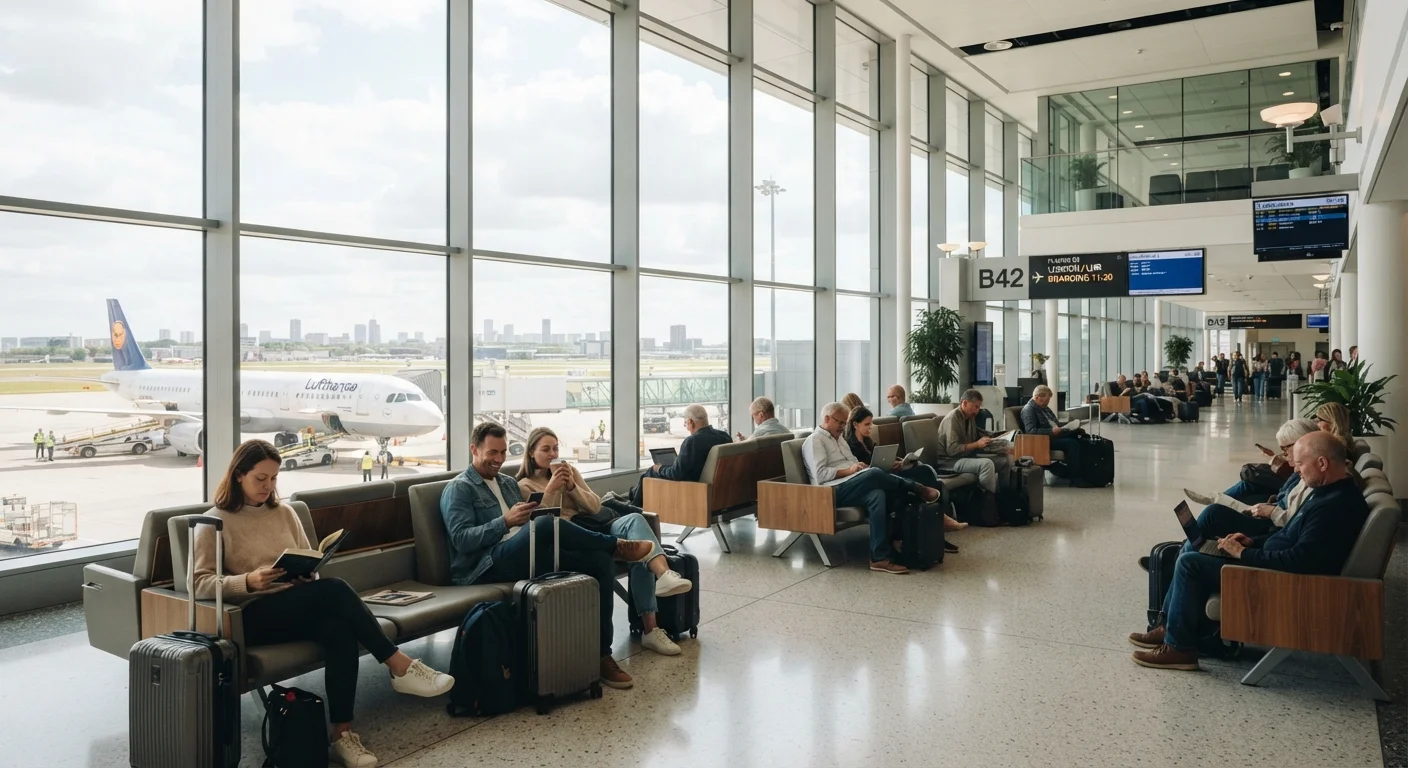
Gate changes happen more frequently than most travelers expect, particularly at busy hub airports. After clearing security, confirm your gate on the departure boards rather than relying solely on your boarding pass - the printed gate can become outdated. Checking in on the boards every 30-40 minutes during a long wait takes seconds and prevents last-minute sprints. For a full walkthrough of what to expect once you're inside the terminal, see our first-time airport guide.
Eight Ways to Use Your Gate Time Well
Eat a proper meal before boarding
Airplane food options - especially on shorter domestic routes - are limited, expensive, or simply unavailable. Gate areas almost always have sit-down restaurants, grab-and-go counters, or food courts. Eating a real meal before you board means you won't arrive hungry or spend the flight relying on a small bag of pretzels.
Aim for something balanced rather than heavy. Greasy or very rich meals can make the pressure changes of flight more uncomfortable. If your wait is short, even a sandwich and a piece of fruit makes a meaningful difference.
Eating a real meal before boarding means you won't spend the flight relying on a small bag of pretzels.
Hydrate intentionally
Airplane cabins maintain very low humidity - typically around 10-20% - which causes mild dehydration even on short flights. Drinking water before and during your wait counters this effect before it starts. Carry an empty refillable bottle through security and fill it at a water fountain airside. Avoid relying heavily on coffee or alcohol during your wait, as both accelerate dehydration.
Cabin humidity can drop to around 10-20%, so drinking water before boarding gives you a meaningful head start.
Walk the terminal
Sitting in cramped seats - first at the gate, then on the plane - stiffens your muscles and slows circulation. Use your waiting time to walk. Most modern terminals are large enough to give you a 10-15 minute loop. This also helps you locate amenities: bathrooms closest to your gate, water stations, charging areas, and quieter seating sections.
Walking also reduces pre-flight anxiety for many travelers. Movement has a calming physiological effect that sitting and scrolling does not replicate.
A short walk through the terminal reduces pre-flight anxiety in ways that sitting and scrolling simply cannot.
Charge all your devices
Most gate areas now have USB charging ports or standard electrical outlets built into seating. Plug in your phone, tablet, or earbuds case as soon as you sit down. A fully charged phone is especially important for your arrival - you'll need it for maps, transportation apps, hotel confirmations, and contact details. Don't assume you can charge on the plane; many short-haul aircraft don't offer seat power.
Plug in at the gate - don't assume your aircraft will have seat power, especially on shorter routes.
Reorganize your carry-on before boarding
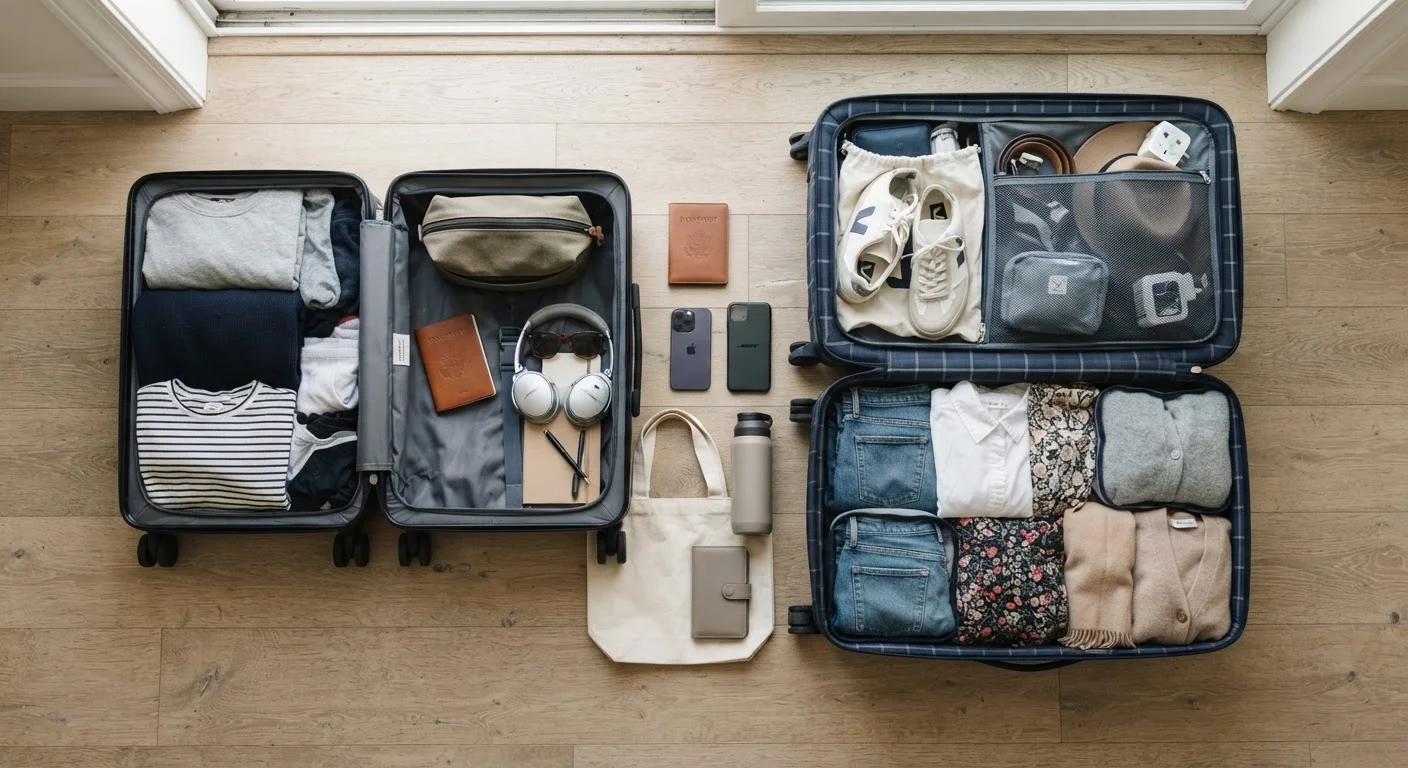
Once you sit down on the plane, accessing your bag becomes awkward. Use gate time to move the items you'll want mid-flight - headphones, a book, snacks, a light layer, your travel documents - to the top of your bag or into the seat pocket. This five-minute task eliminates a lot of in-flight frustration and the need to dig through overhead bins after takeoff.
If you checked a bag, this is also a good moment to double-check that your personal item and carry-on meet the airline's stated size requirements. Flight attendants do occasionally ask passengers to consolidate bags at the gate.
Five minutes reorganizing your carry-on at the gate eliminates most in-flight digging and disruption.
Download entertainment and offline content
In-flight Wi-Fi is inconsistent and often slow. If you plan to watch shows, listen to podcasts, or read during your flight, download content to your device before you board. Most streaming platforms allow offline downloads to registered accounts. Audiobooks and podcast apps also offer offline modes. This takes just a few minutes on a reliable airport Wi-Fi network and ensures you're not staring at a buffering screen for three hours.
Download shows and podcasts before boarding - in-flight Wi-Fi is too unreliable to count on.
Create a quieter environment with simple gear
Gate areas can be loud, particularly during peak travel periods. A pair of foam earplugs - inexpensive and easy to pack - significantly reduces ambient noise and makes waiting far less draining. Noise-canceling headphones are more effective but not necessary; even basic over-ear headphones playing music or ambient sound help. This same gear will serve you well once you're on the plane.
Even basic foam earplugs can make a loud gate area dramatically easier to endure.
Review your onward plans
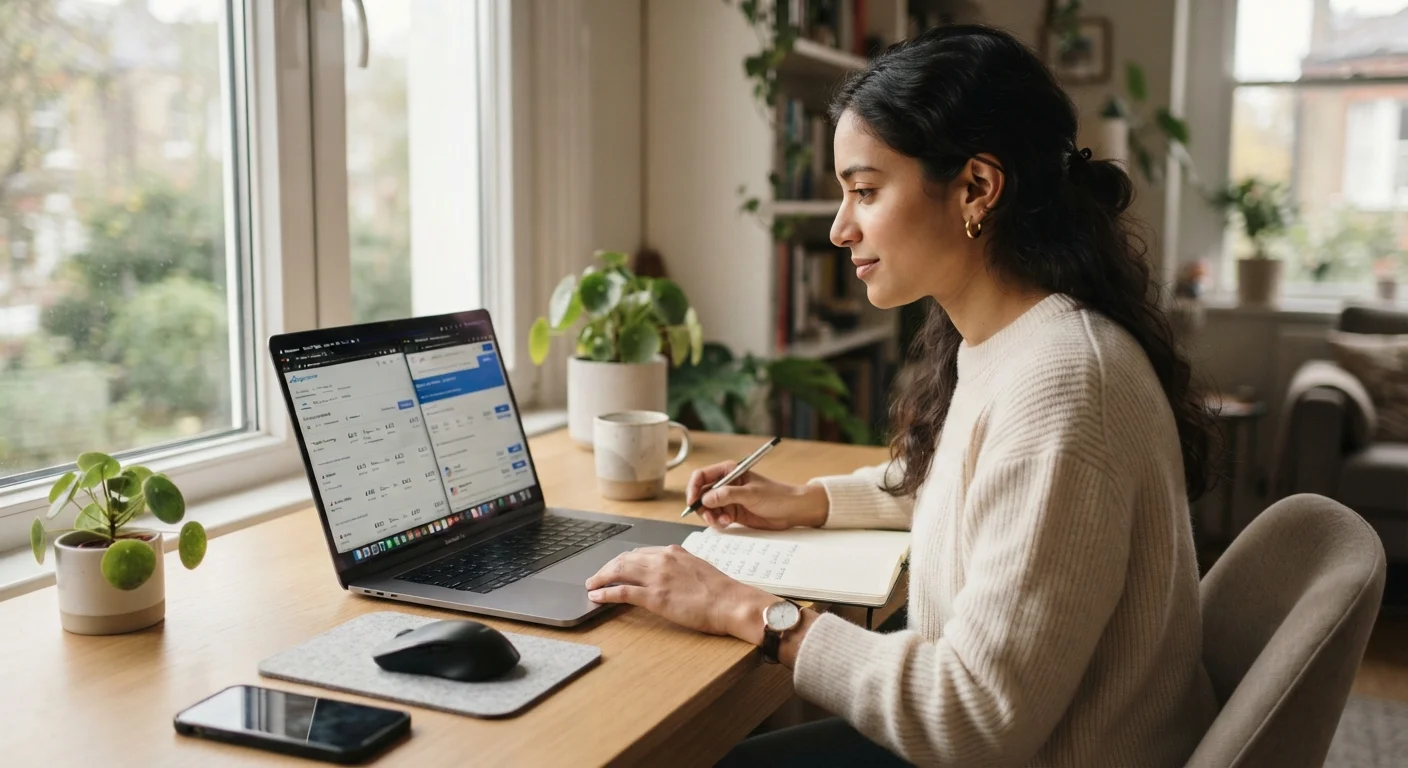
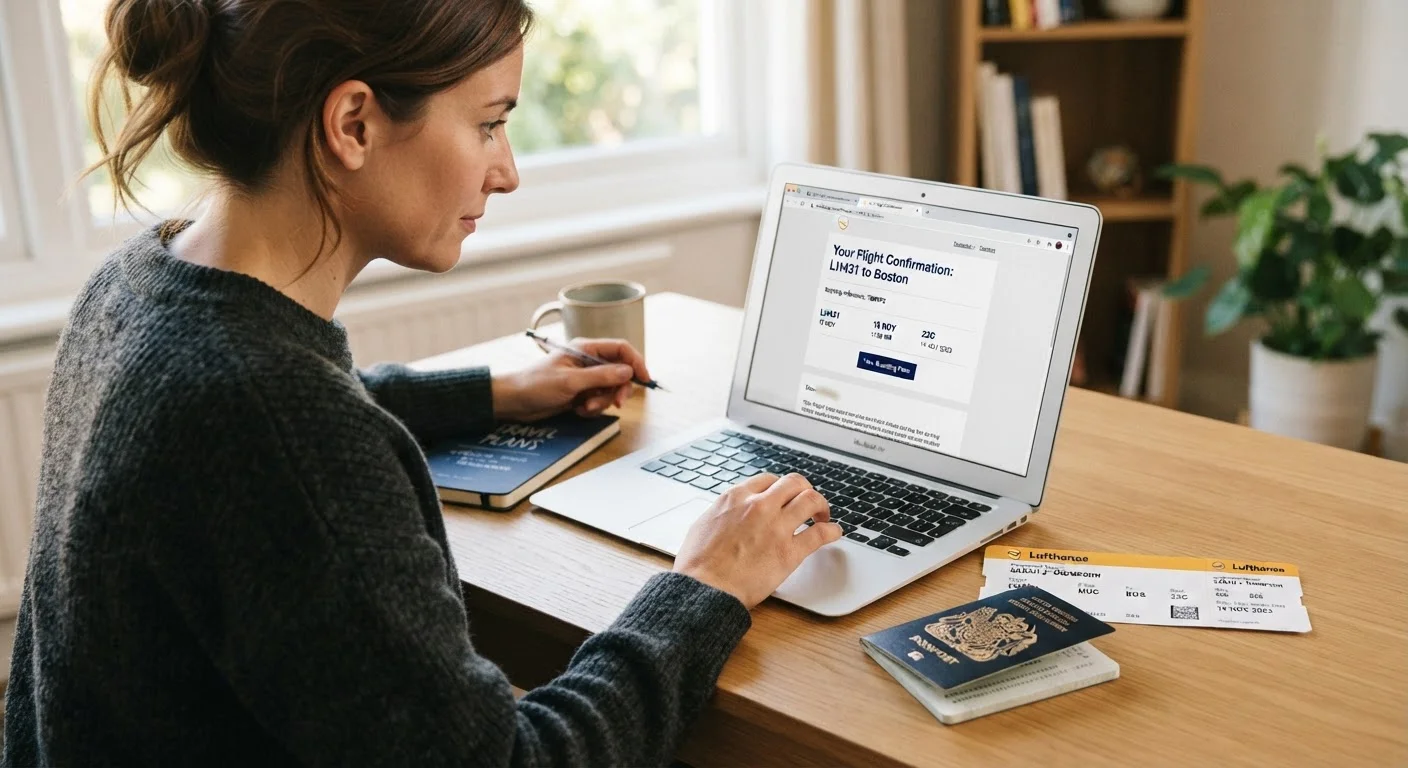
Use the waiting period to confirm what happens after you land. Check your hotel address, look up the transfer option you've planned, and save any confirmation numbers offline in a notes app. If you're connecting to another flight, note the terminal and gate if it's listed. Arriving at a new airport with a clear next step in mind dramatically reduces the disorientation that many first-time travelers experience after landing.
For help planning your post-flight logistics, see our airport transfers hub and our article on building buffer time into your trip schedule.
Arriving with a confirmed plan for what happens after landing reduces post-flight disorientation significantly.
Airport lounge access isn't only for frequent flyers
Some airport lounges offer day passes for a fee, and certain travel credit cards include lounge access as a benefit - though whether a card's annual fee makes sense for your situation is worth evaluating carefully based on your own finances. Lounges typically offer quieter seating, complimentary food and drinks, and reliable charging stations. If you have a long layover, it may be worth checking whether your departing terminal has a lounge that offers paid entry. Availability and pricing vary significantly by airport and lounge network.
Arriving at Your Flight Already Settled
The best version of boarding a plane is stepping on feeling organized, hydrated, and calm - not frazzled from a sprint through the terminal or bored from staring at your phone for two hours. The gate area is your final chance to set yourself up well before the flight begins.
Once you're airborne, the strategies shift. Our on-the-plane guides cover everything from staying comfortable in your seat to sleeping on a plane without arriving exhausted. And when you land, airport transfers can help you get to your destination without the post-flight fog turning into a logistical headache.